


Go Wild for Monarch Butterflies
Monarch Magic is in the Air
Meet the fluttering pollinator whose migration spans multiple generations and thousands of miles.
Follow their epic migration, find out why one plant holds the key to their survival, and discover simple ways you can help this beloved butterfly thrive for generations to come.
This month, as part of our yearlong celebration of wildlife, we're admiring the mighty butterfly that graces our airways and gardens: the Monarch.
Beautiful Butterflies
-
 Monarch Butterfly © Jonathan McElvery
 -
 © Renuka Manamperi
 -
 Monarch Caterpillar
 -
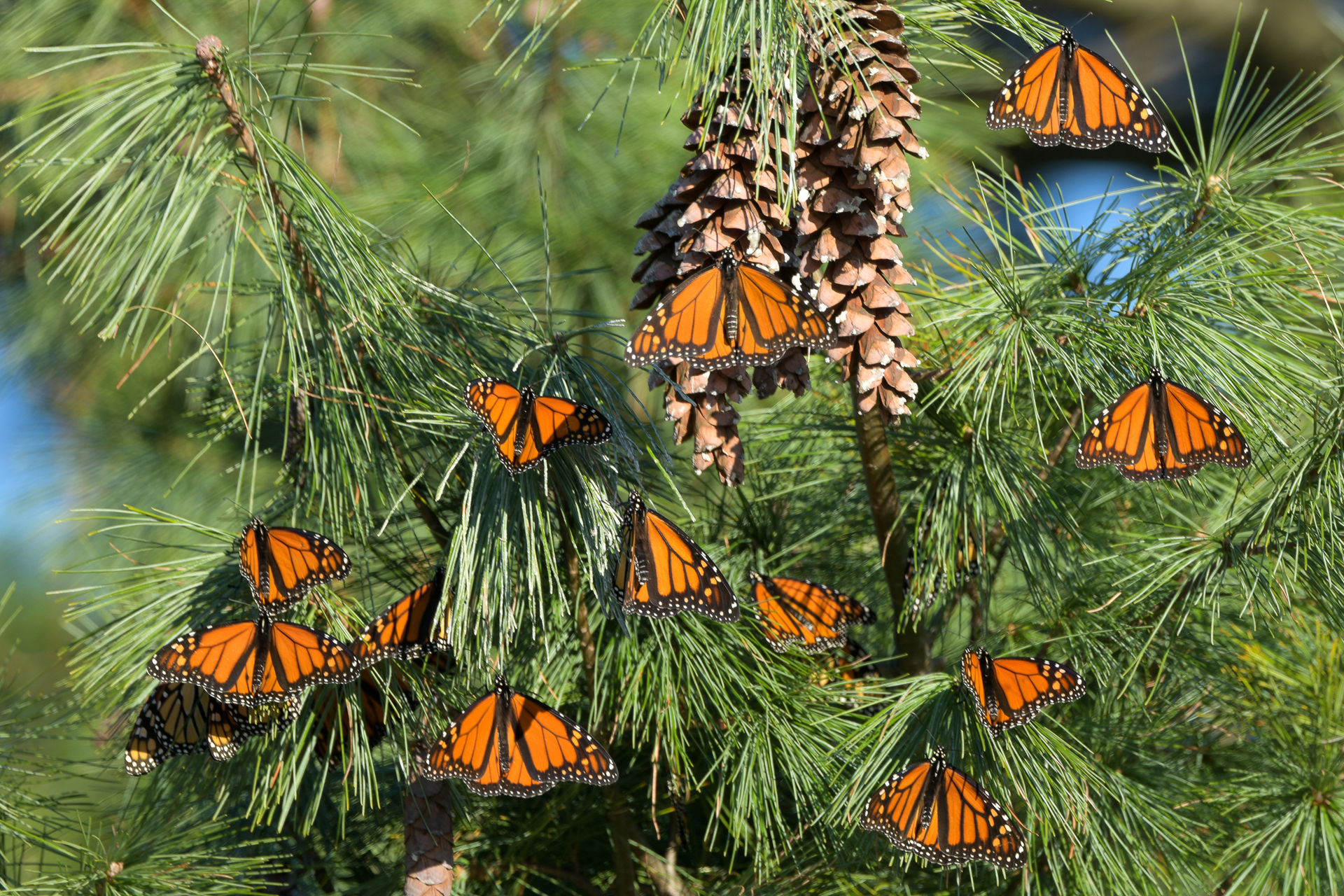 Monarch Butterflies © Peggy Elder
 -
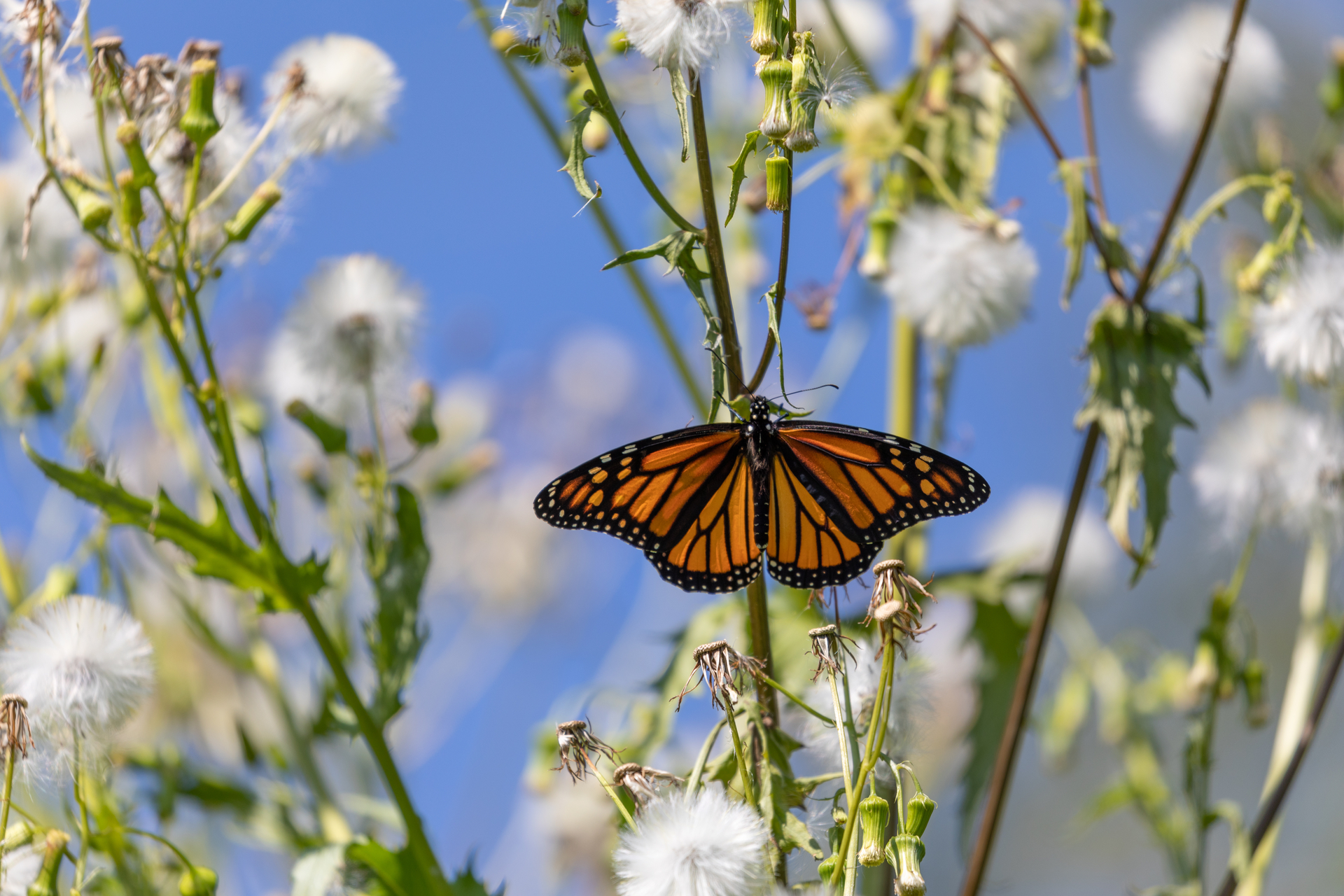 Monarch Butterfly
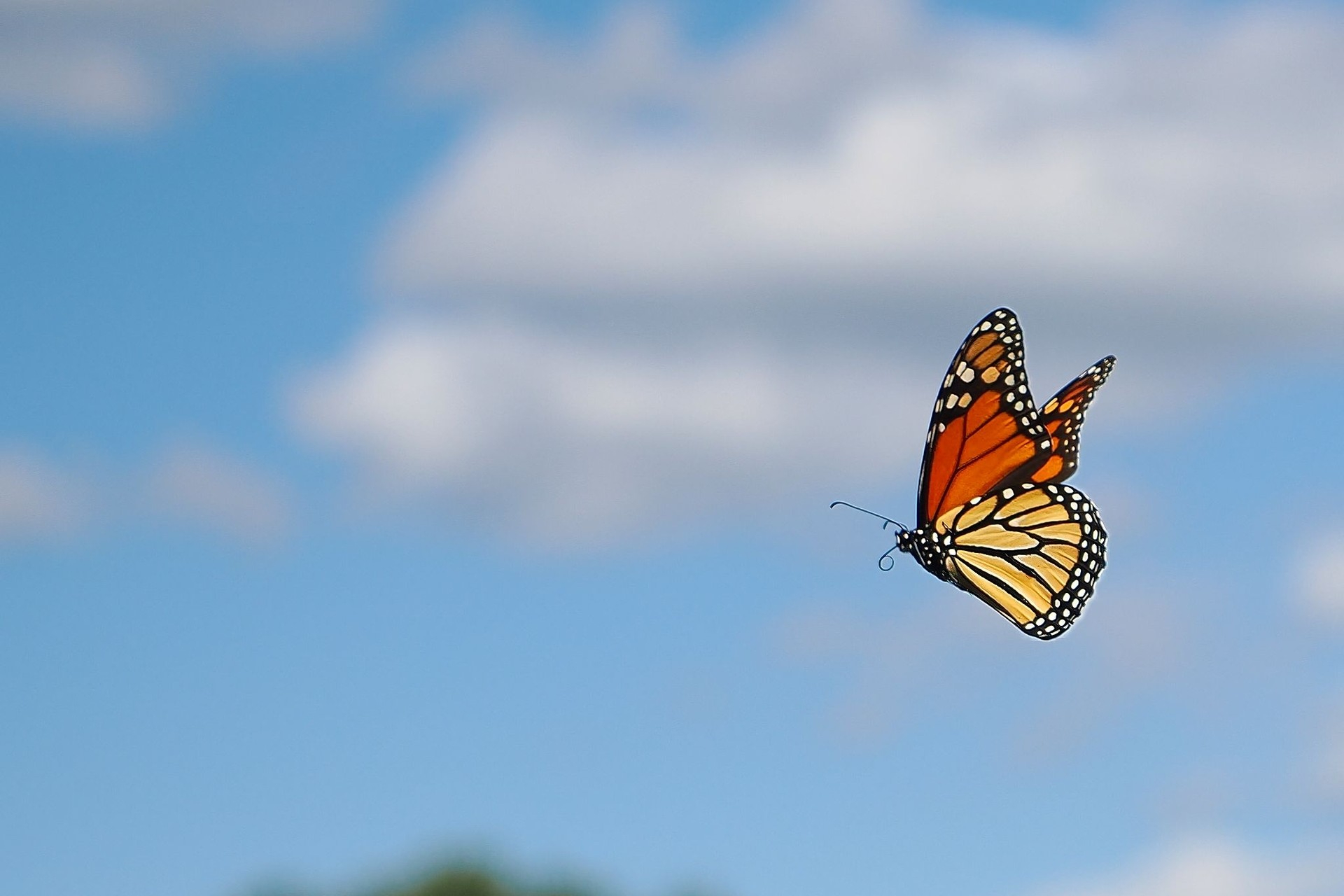
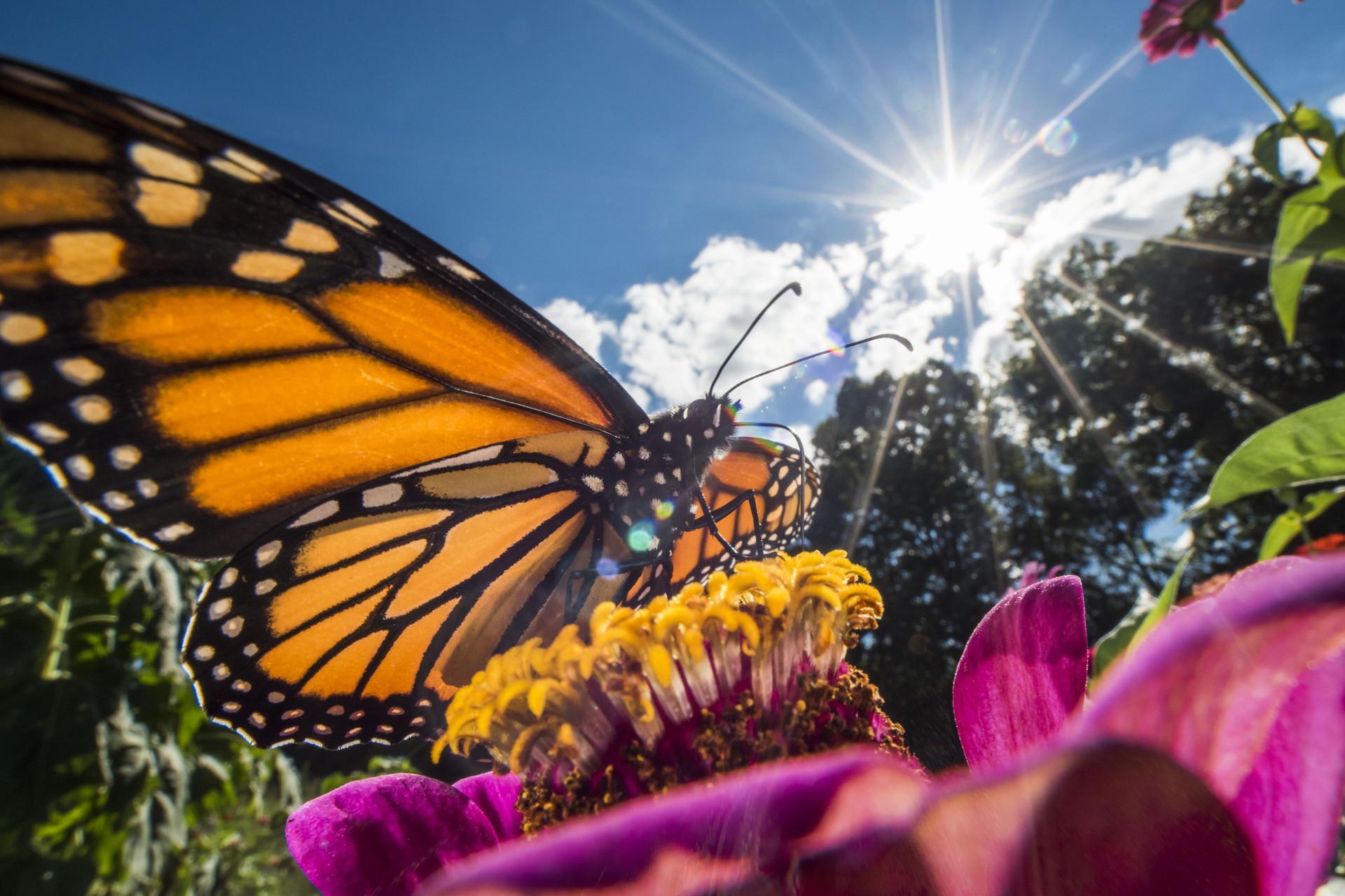
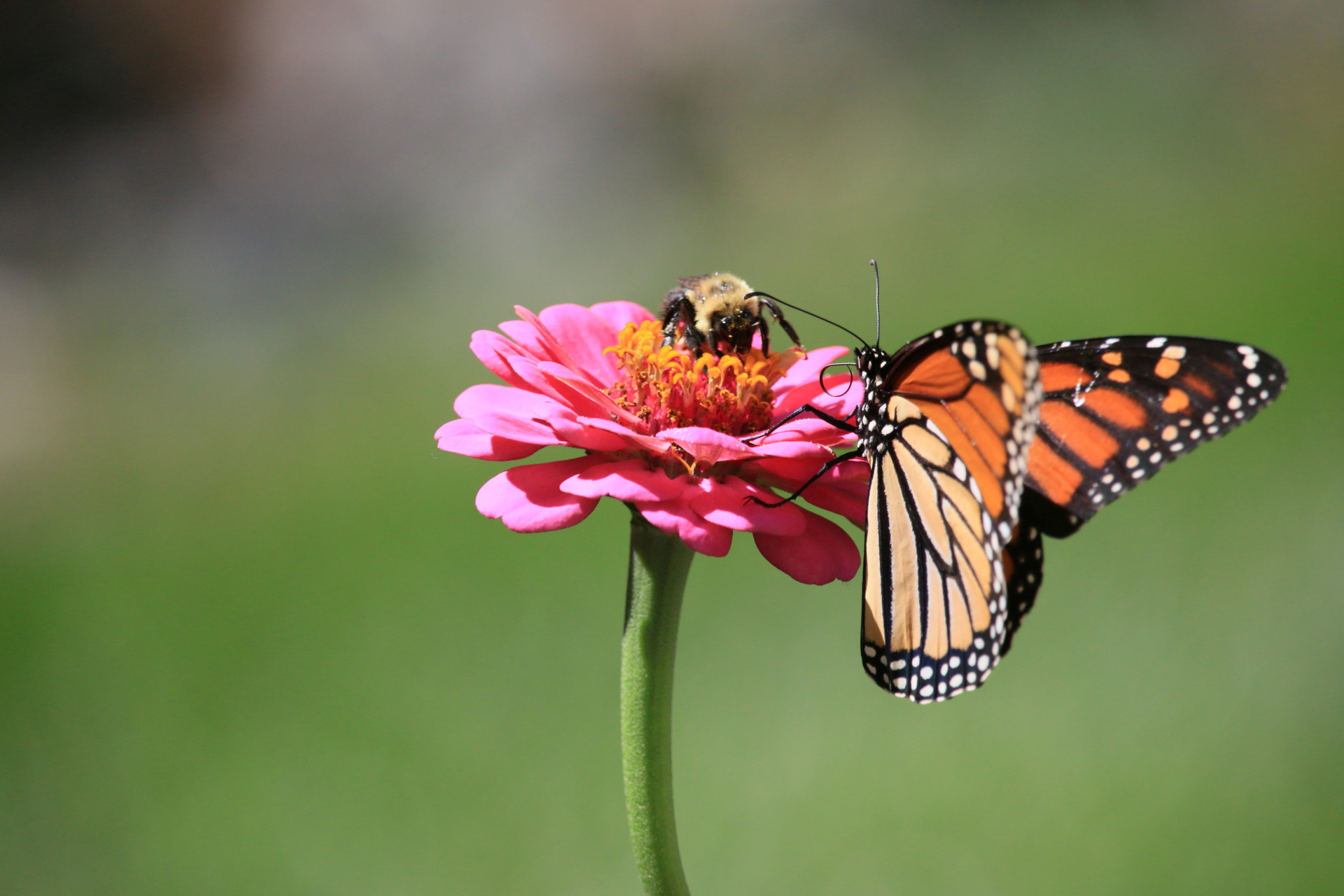
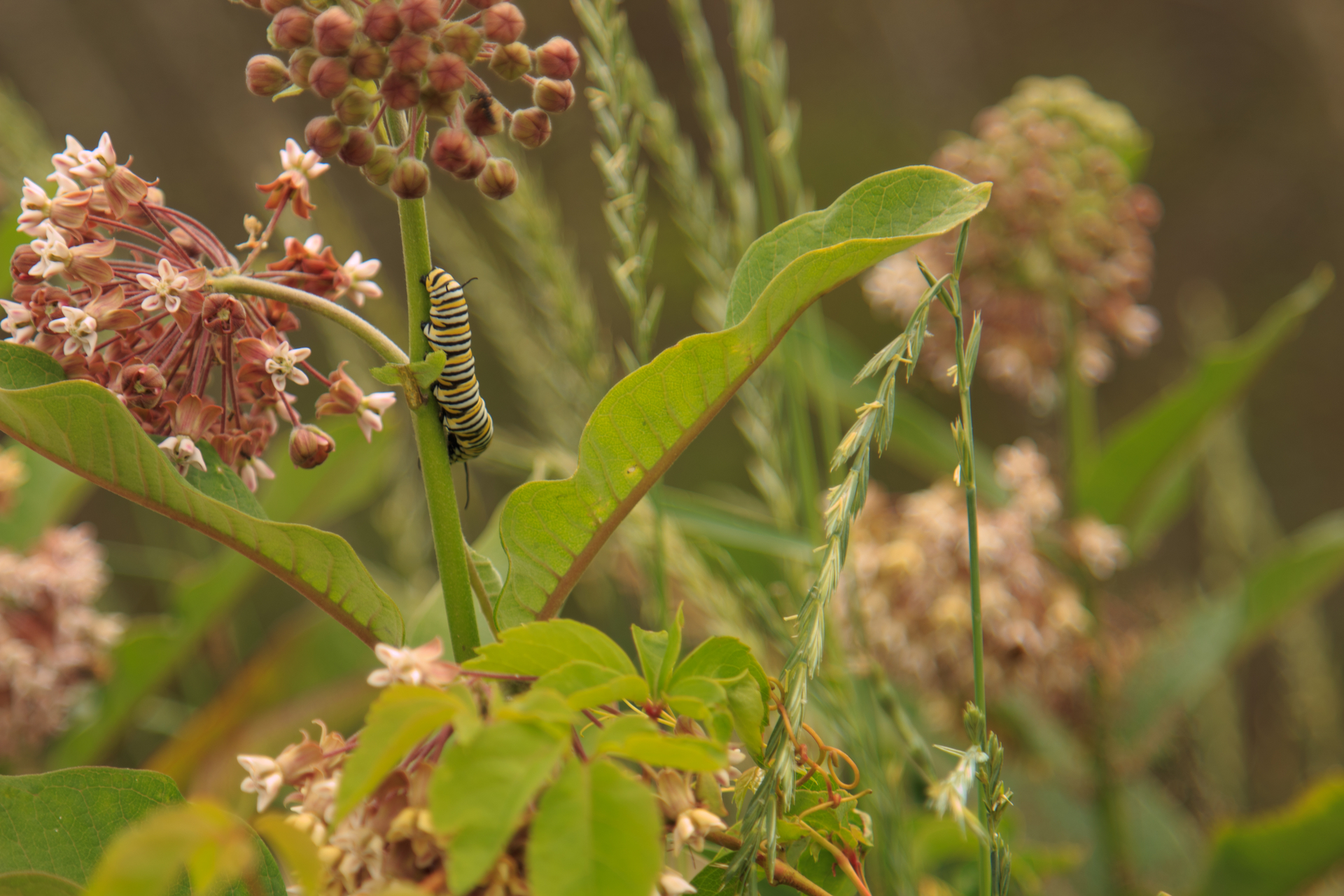
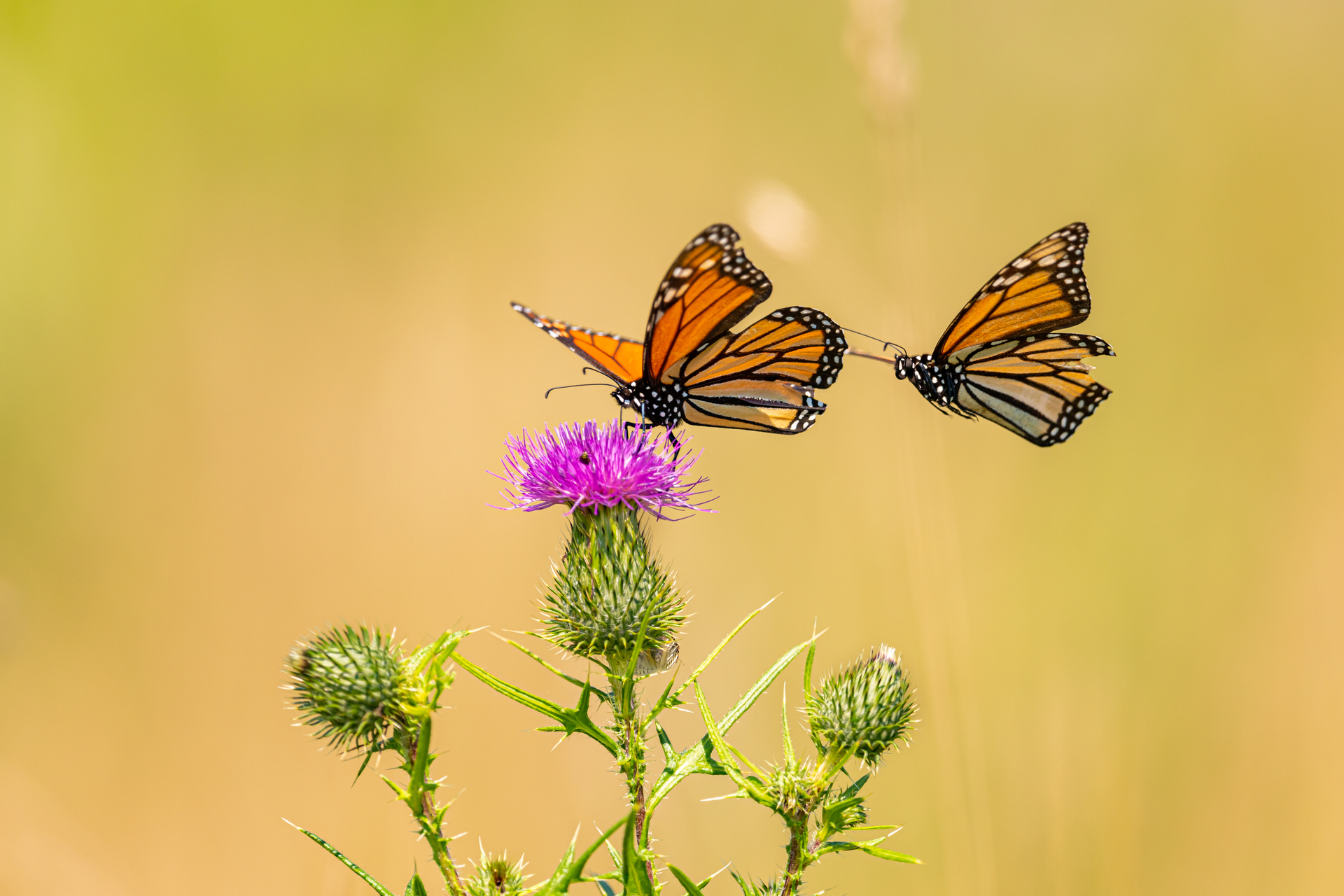
With vivid orange wings laced in black veins and bordered by white polka dots, the monarch is one of the most recognizable butterflies in Massachusetts. But the bold color isn't just for show: as caterpillars, monarchs eat only milkweed, absorbing the plant's natural toxins and carrying that protection into adulthood. Predators know to leave that bright orange alone.
Their common lookalike, the Viceroy has similar colors but is smaller and has a slightly different pattern. To tell them apart, look for the unbroken black line running horizontally across the viceroy’s lower wings. Monarchs don’t have them.
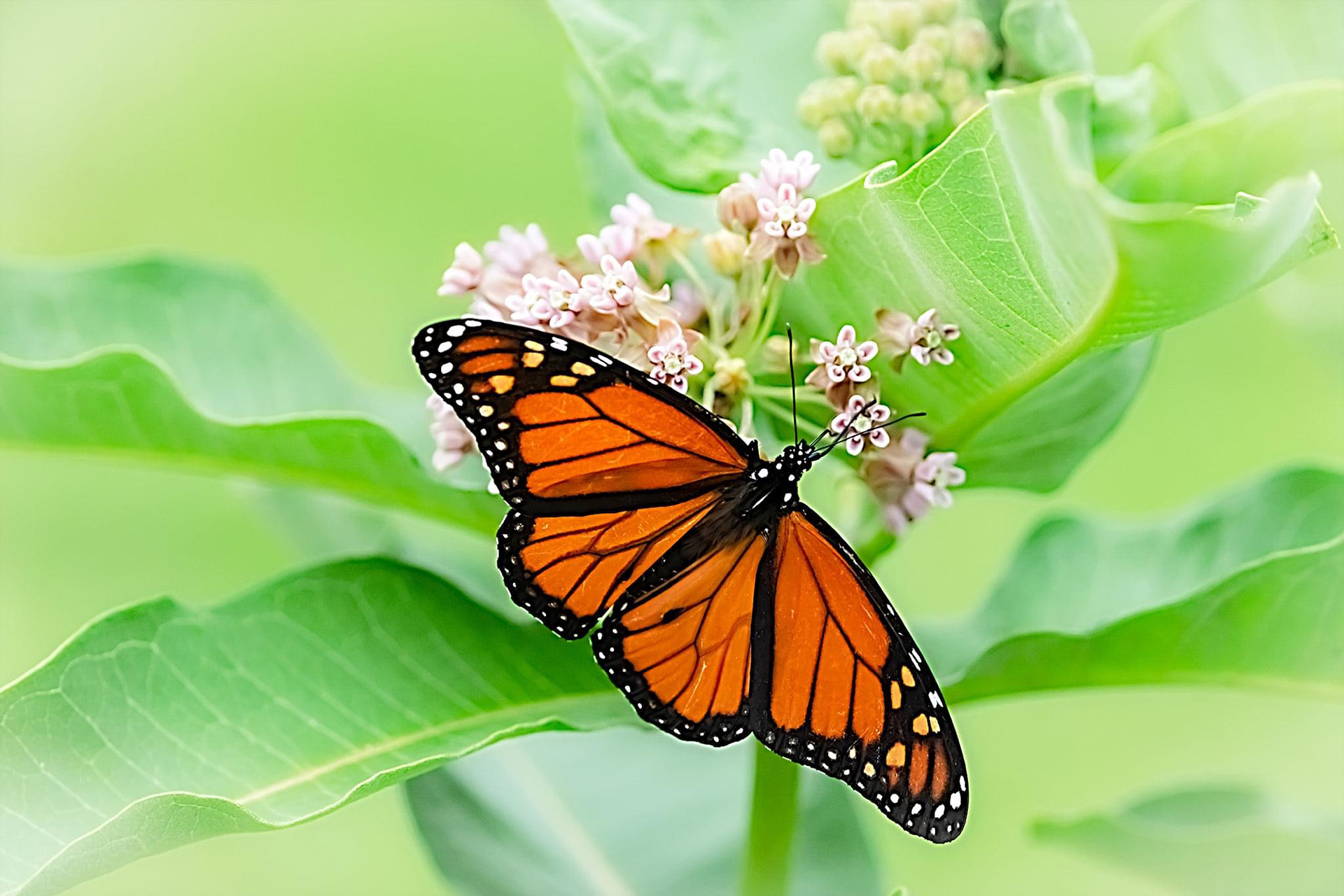
Monarch Butterfly
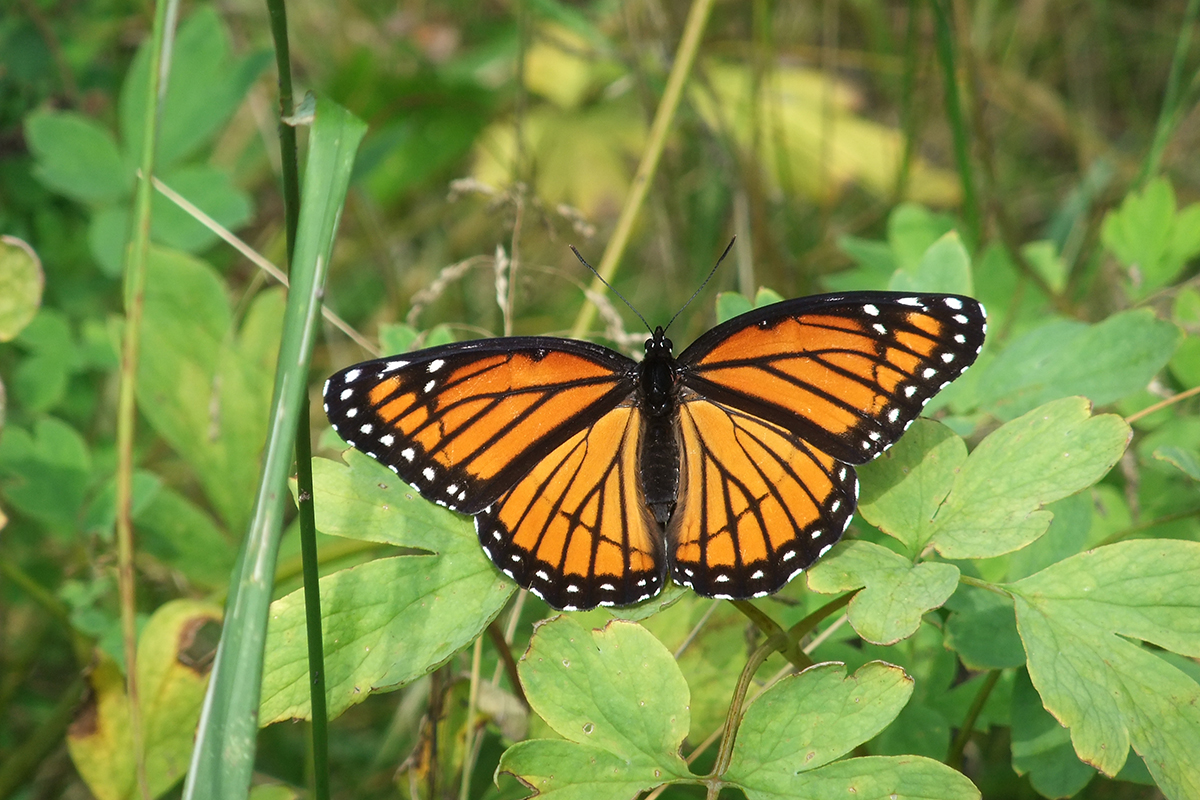
Viceroy Butterfly
The Mighty Migrator: A 3,000 Mile Intergenerational Journey
The monarchs you're seeing this August aren't the same ones from earlier in the summer. Unlike the quick-turnaround generations of May, June, and July, which live just 2-5 weeks and spend their short lives growing and reproducing, this late-summer generation puts reproduction on hold and focuses on feeding and building up the fat reserves they'll need for the long road ahead.
Come fall, they’ll leave Massachusetts and embark on a 3,000-mile journey to a few critical overwintering sites in the mountains of central Mexico, which none of them have ever seen. Then in spring, those same butterflies head north again, laying eggs along the way. It's their offspring, and often their offspring's offspring, who complete the journey back to New England, arriving by late May or June as the second or even third generation of the year.
That’s why no single monarch makes the round trip from Massachusetts to Mexico and back again, it takes multiple generations and a whole lot of energy.
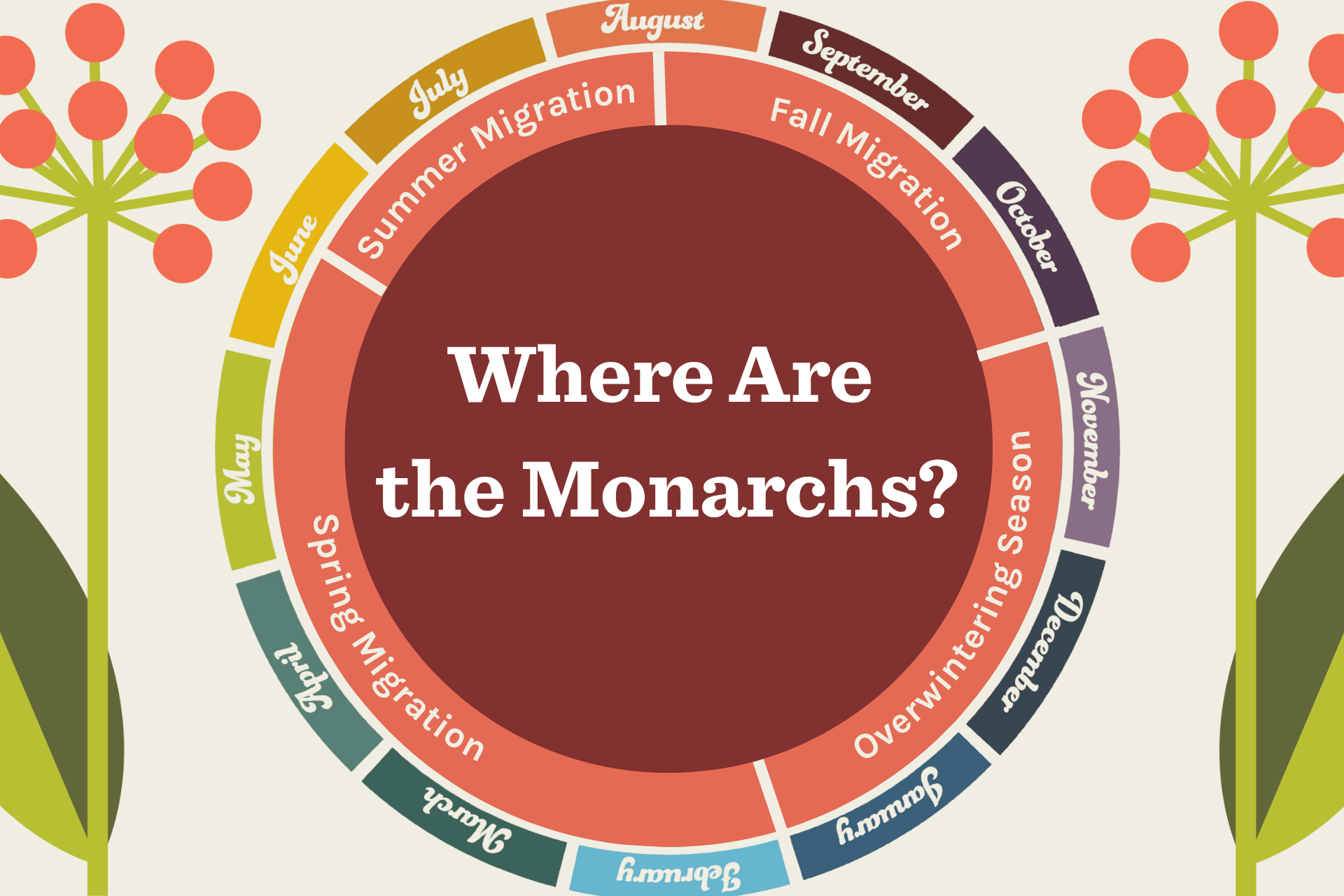
Track Monarchs Throughout the Year
Download or print Mass Audubon's monarch migration calendar to track their journey throughout the year.
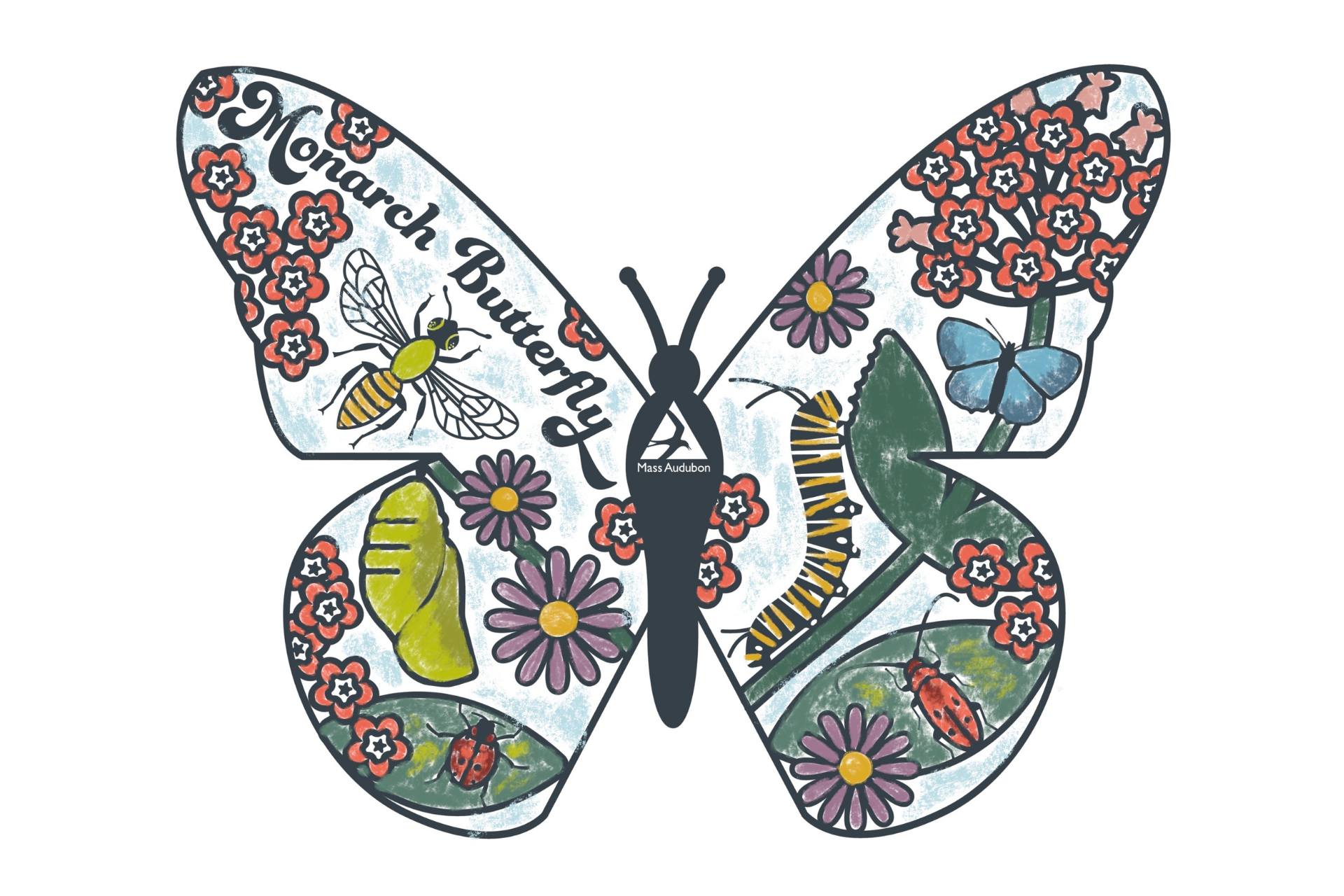
Magical Monarch Coloring Pages
Print, color, and cut out these butterflies to bring a touch of magic into your space.

19th Annual Barbara J. Walker Butterfly Festival
Saturday, August 8, 12:00-4:00 pm
Celebrate all things butterflies with a day of fluttering fun at Broad Meadow Brook in Worcester. Shop the native plant sale, make butterfly art, visit the caterpillar lab, and more!
Upcoming Butterfly Programs
See MoreA Native Butterfly Garden Design Workshop
-
Ipswich River Wildlife Sanctuary, Topsfield
-
Saturday, November 7
10:00am-12:00pm
Adults
A Nature Year at Wachusett Meadow
-
Wachusett Meadow Wildlife Sanctuary, Princeton
-
12 classes starting
Saturday, January 16
10:00am-12:00pm
Adults
A Nature Year at Pleasant Valley
-
Pleasant Valley Wildlife Sanctuary, Lenox
-
12 classes starting
Saturday, January 16
1:00-3:00pm
Adults

Share Your Wild Story for a Chance to Win
Have you experienced monarch magic? We want to hear about it!
Every story shared enters you into our Wild for Wildlife tote bag giveaway.

Monarchs & Milkweed
Like peanut butter and jelly, or birders and binoculars, monarchs and milkweed belong together.
From hatching eggs, to munching on leaves and growing as a caterpillar, transforming in the chrysalis, then taking a first flight as a butterfly, it all happens on the milkweed plant. That's why it's so important for milkweed to grow in habitats along the monarch’s migration pathway.
Protecting patches of milkweed in fields, meadows, and backyard gardens is one of the simplest, most direct ways to support monarchs and native pollinator habitat across Massachusetts.
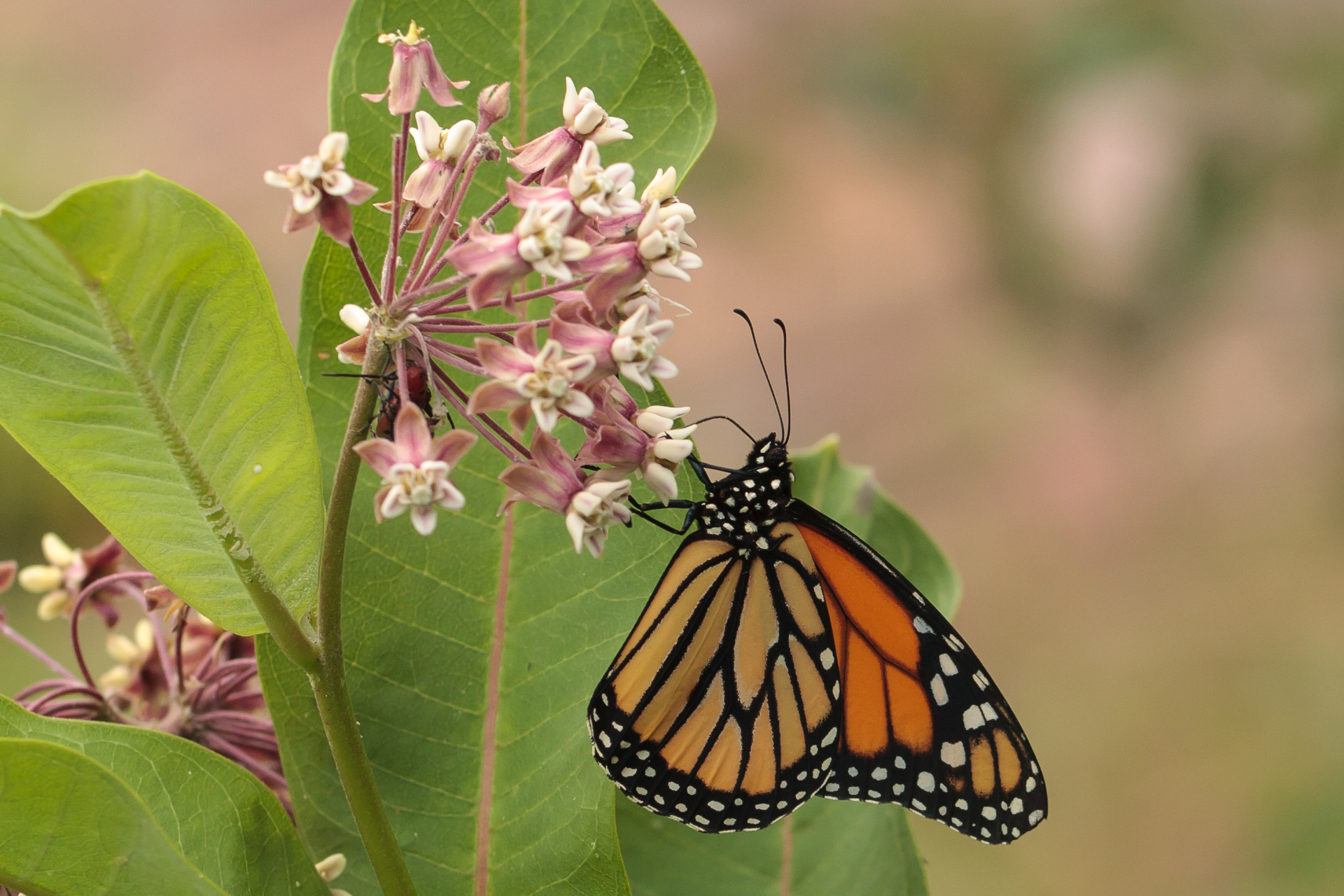
So the next time you spot this essential plant growing wild, remember: Don't Weed the Milkweed.
Monarchs at a Crossroads
Monarch populations have declined significantly over the past 30 years, with recent overwintering numbers in Mexico well below what scientists believe is needed to sustain the eastern population long-term. Habitat loss, pesticide use, and a warming climate are all working against them.
But Mass Audubon is pushing back: our wildlife sanctuary network protects and restores the meadows and pollinator gardens Monarchs need to breed and refuel along their journey, and our advocacy efforts urge lawmakers to fund habitat restoration and put conservation first.
Every meadow we protect, and every milkweed patch we help establish is a step toward a future where Monarchs keep making this journey for generations to come.
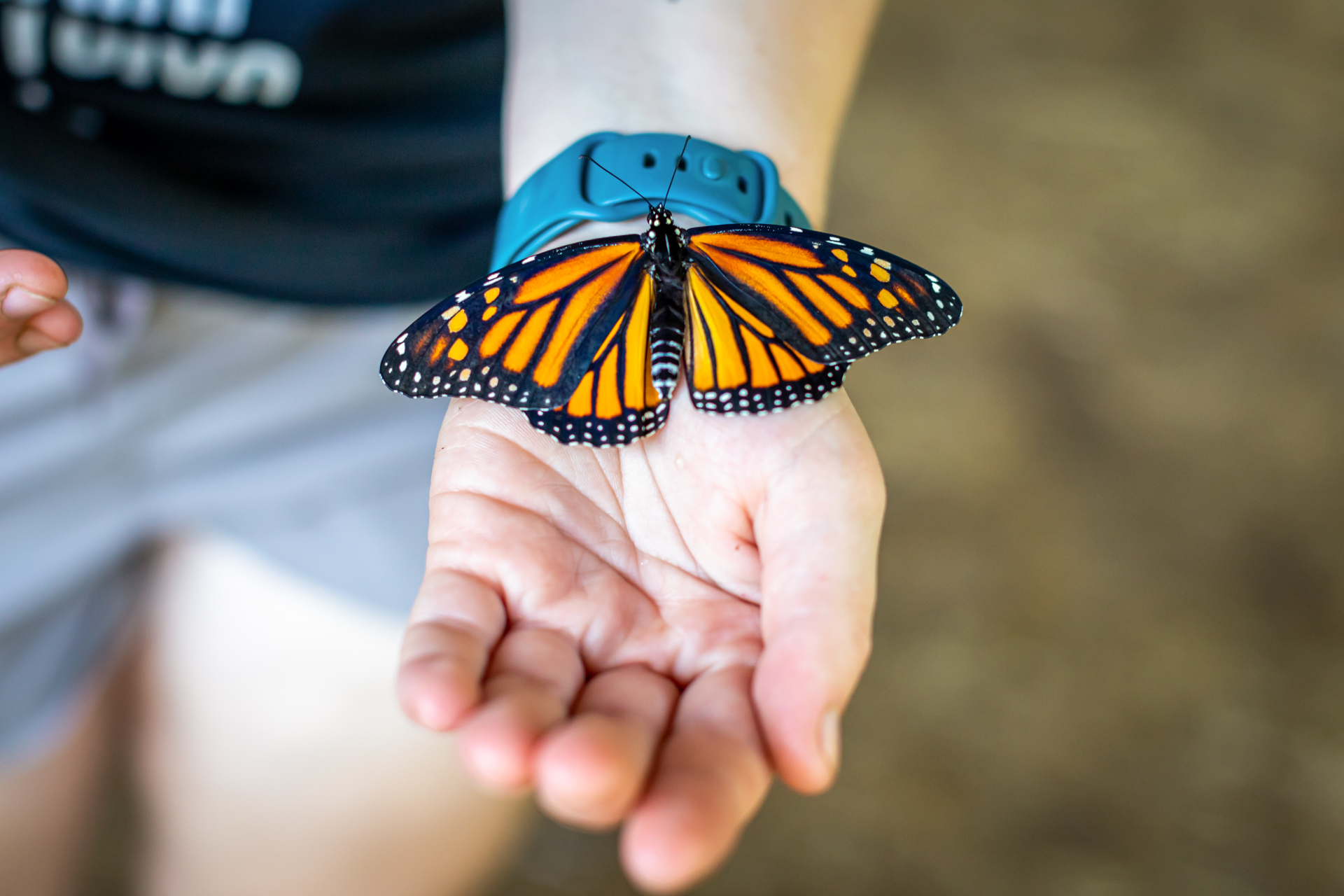
Pollinator Gardens Around Mass Audubon
In addition to wild meadows, many sanctuaries have dedicated pollinator gardens. Visit them to find inspiration for your own garden and watch the dance between native pollinators and the plants they rely on playing out.
Protect Monarch Butterflies
You can help Monarchs thrive for generations to come—plant milkweed, protect habitats, and speak up for the conservation policies that give this remarkable butterfly a fighting chance.
Keep Going Wild
Every month, we’ll highlight a new charismatic species with fun facts, programs, free resources, and ways to get involved—join our wild year to stay in the loop.