


Leveraging land conservation and restoration, species protection, and advocacy to support Massachusetts’s coast in a changing climate
The Massachusetts coast is one of the most ecologically vital regions in the Commonwealth. And because so many people, communities, and local economies depend on this narrow stretch where land meets the sea, the health of our coast is inseparable from the health of both nature and our way of life.
Today, Massachusetts is experiencing sea level rise at a rate that is three to four times faster than the global average. The Gulf of Maine is warming quicker than nearly any other ocean area on earth. Rising tides and more intense storms will reshape our shorelines in the coming decades. Biodiversity and habitat loss are inextricably linked with this dramatically changing coastline, and we are already seeing declines in species populations and richness, including among iconic migratory shorebirds.
As New England’s leading conservation organization and advocate for nature, Mass Audubon is uniquely positioned to address these challenges threatening the future of our coast through land restoration and protection, wildlife conservation, and advocacy.
Shaping a More Sustainable Coastline
Mass Audubon stewards thousands of coastal acres at 52 sanctuaries that touch approximately 30 coastal communities in Massachusetts. As stewards of our own land, as well as experts and collaborators called in to support conservation and restoration goals in other coastal areas, we have both the responsibility and an opportunity to shape the future of Massachusetts’s coast at an influential scale.
Salt Marshes on the Front Line
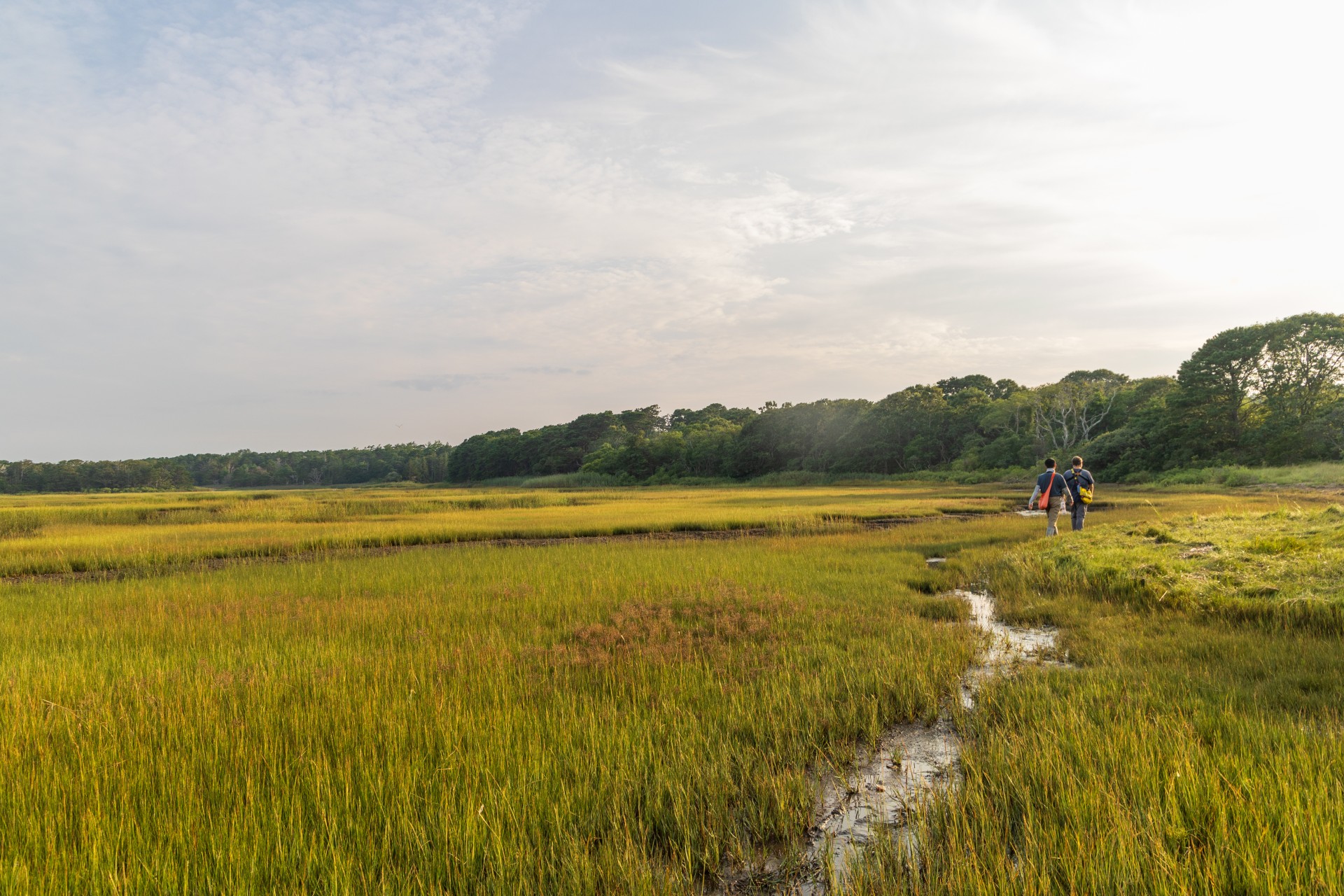
Much of Mass Audubon’s large-scale ecological restoration work today focuses on some of the most valuable natural defenses against climate change: salt marshes. Salt marshes buffer storm surge, improve water quality, store and sequester significant amounts of carbon, and provide essential habitat for birds, fish, and other wildlife.
Massachusetts’s salt marshes store and sequester more carbon than those of any other state in the Northeast, thanks to their extensive footprint and, in many areas, thick peat soils. However, Massachusetts has lost more than 40 percent of its salt marshes since the early 1800s through not only sea level rise but development and historic agricultural use as well. To heal, they need restoration and permanent protection to create a pathway for survival as oceans rise.
Building and maintaining elevation requires healthy vegetation, natural sediment movement, and intact hydrology. Historic agricultural practices, particularly extensive linear ditching and berms, or raised barriers, drained the marsh to support agriculture and reduce mosquitoes, but they also fractured how water and sediment should naturally move across marshes. With those natural processes interrupted, marshes are unable to replenish themselves and keep pace with rising seas.
The good news? We are learning how to help marshes not only heal but grow.
Restoring Today While Planning for Tomorrow
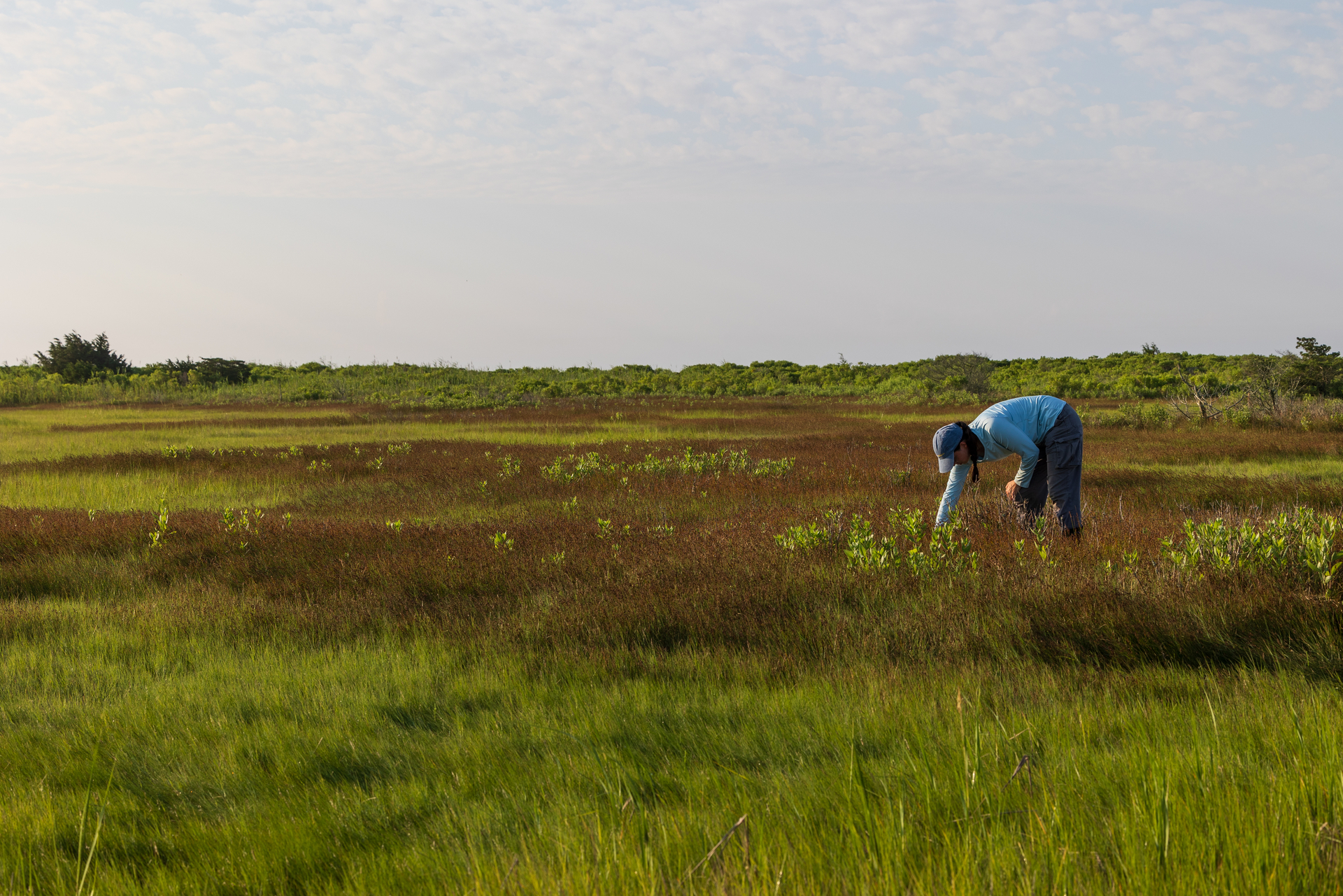
Mass Audubon takes a holistic view of the coastal landscape by pairing near-term restoration with long-term planning. This includes identifying areas where marshes are likely to migrate inland and proactively restoring or protecting those lands. Mass Audubon is developing novel modeling and other tools to help us better predict and evaluate coastal marsh migration opportunities. We’re putting this expertise to work right away, for instance by restoring coastal cranberry bogs to receive salt marsh habitats, as with the restoration of Tidmarsh Wildlife Sanctuary in Plymouth.
Mass Audubon is also exploring nature-led solutions along the seaward edge of the coast by examining interactions among marshes, mudflats, and barrier beaches. Massachusetts is working toward the beneficial reuse of sediment from dredging activities on marshes to provide a crucial head start in keeping pace with sea level rise. Mass Audubon is leading the way in bringing this innovative approach to greater acceptance through pilot projects.
Today, Mass Audubon has 16 active or pending coastal restoration projects—all with partnering organizations and communities—covering nearly 6,000 acres of coastal wetlands. Projects at our own wildlife sanctuaries, including Barnstable Great Marsh, Rough Meadows, and Wellfleet Bay, aim to restore the marsh while also educating the public on the benefits of salt marsh restoration.
Scaling Impact Through Advocacy and Partnerships
Restoration at the pace and scale required is too often slowed by regulatory and permitting systems designed to protect against harm but not necessarily to accelerate beneficial change. Mass Audubon harnesses its policy and ecological restoration expertise to organize more than 60 partner organizations as we collaboratively advocate at both state agencies and on Beacon Hill for commonsense reforms that reduce permitting time and cost for wetlands restoration projects without compromising environmental protections.
At the same time, Mass Audubon is building capacity on the ground. Healing salt marshes and building a restoration economy are closely linked. With a new, skilled workforce to implement projects and perform ongoing stewardship, work can happen faster and at a greater scale with both economic and environmental benefits for Massachusetts.
For example, a pilot wetlands workforce model, developed through the salt marsh restoration technician program in partnership with Parker River National Wildlife Refuge, demonstrates what is possible when resources and capacity align. In just 2 1/2 months in the fall of 2025, 23 restoration technicians and coordinators working with U.S. Fish & Wildlife Service staff remediated more than 500 ditches and restored more than 1,000 acres of salt marsh.
Wildlife as a Measure of Success
Since 1970, scientists have documented a staggering decline in bird species in North America, including the loss of 17 million shorebirds and 22 million waterbirds. Mass Audubon’s Coastal Waterbird Program works intensively with some of the most vulnerable species along the shore.
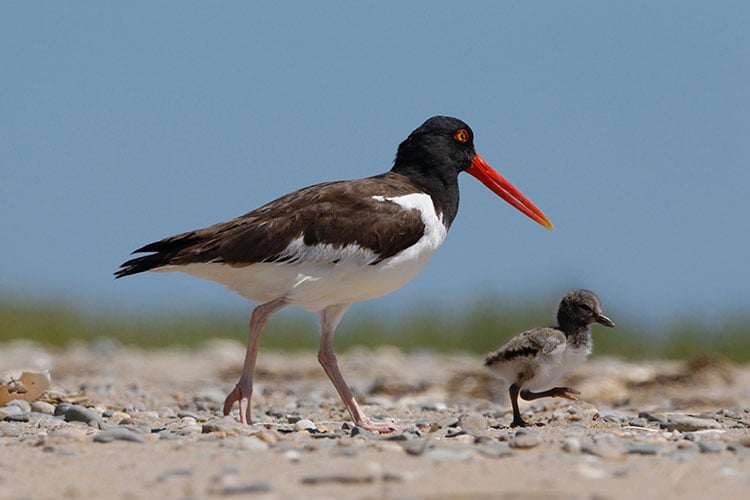
The Coastal Waterbird Program, now in its 40th year, integrates on-the-ground management, training and education, conservation research, and advocacy to reach self-sustaining populations. Today, Mass Audubon protects up to 60 percent of Least Terns (protected under the Massachusetts Endangered Species Act), 30 to 35 percent of Piping Plovers (protected under both the state and federal Endangered Species acts), and 30 percent of American Oystercatchers across more than 205 beaches spanning nearly 140 miles of coastline while the birds are in Massachusetts to nest.
Saltmarsh Sparrows, whose nests are increasingly vulnerable to flooding, also serve as an indicator species, helping scientists gauge whether marsh restoration is successfully rebuilding the elevated habitat these birds need to survive. With a significant population of Saltmarsh Sparrows at Allens Pond Wildlife Sanctuary in South Dartmouth, we are engaged in monitoring efforts to continue to study the population, allowing us to assess just how productive our restoration work is.
Protecting the Global Flyway
Massachusetts is not only a critical breeding ground for coastal birds—its coast is also a vital stopover site along the Atlantic Flyway, the route that connects habitats from the Arctic to South America. Understanding where birds face the greatest risks across their full life cycle is essential to effective conservation. Mass Audubon and partners use tools such as GPS tracking to uncover migration routes, feeding grounds, and wintering areas. We also monitor the birds while they’re using Massachusetts’s beaches, marshes, and coastal wetlands to nest and feed. Comparative research on species using this flyway, such as Willet, which are doing well, and Whimbrel, which are rapidly declining, helps identify how to best support each species anywhere it may be along the Atlantic Flyway.
Through partnerships in places like Brazil, Mass Audubon's Bird Conservation team works to better understand and eventually reduce major sources of mortality while these species are visiting their wintering grounds.
Success Stories That Drive Change
Species once on the brink of extirpation in Massachusetts, including American Oystercatchers and Piping Plovers, have seen promising—and in some cases extraordinary—recovery trends. Mass Audubon has been a driver for much of this success. For example, Piping Plovers alone have increased from just 135 pairs in the state when the Coastal Waterbird Program was first launched in 1986 to protect these birds to more than 1,200 nesting pairs in 2025.
These successes allow us to refine best practices and future interventions across landscapes and species, making efforts even more effective in reversing biodiversity loss over time.
Hope Through Action
Restoring and protecting Massachusetts’s coast is a complex challenge, but it is one that Mass Audubon does not face alone.
Through science-based action, future-minded restoration and stewardship, and diverse collaborations within Massachusetts and New England and abroad, Mass Audubon sits at the nexus of our coast’s best bets at not just surviving but thriving, for the benefit of generations to come.
You May Also Be Interested In
Native Habitat Revived Thanks to Community Effort at Nahant Thicket
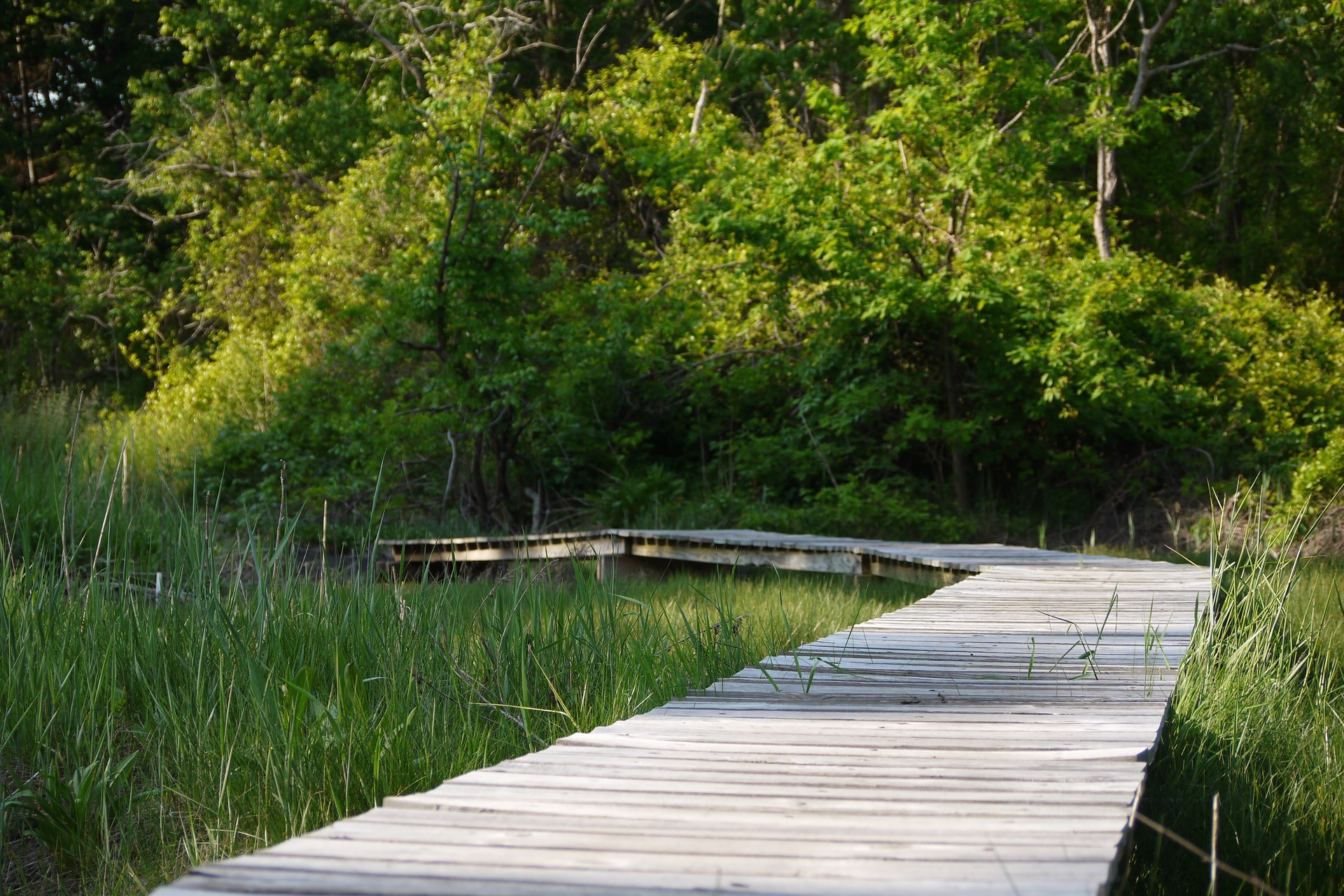
At Mass Audubon’s Nahant Thicket Wildlife Sanctuary in Nahant, staff and local residents recently rolled up their sleeves to remove invasive plant species and prepare the ground for more than 300 native plantings—a major step toward restoring the ecological balance of this unique coastal sanctuary.
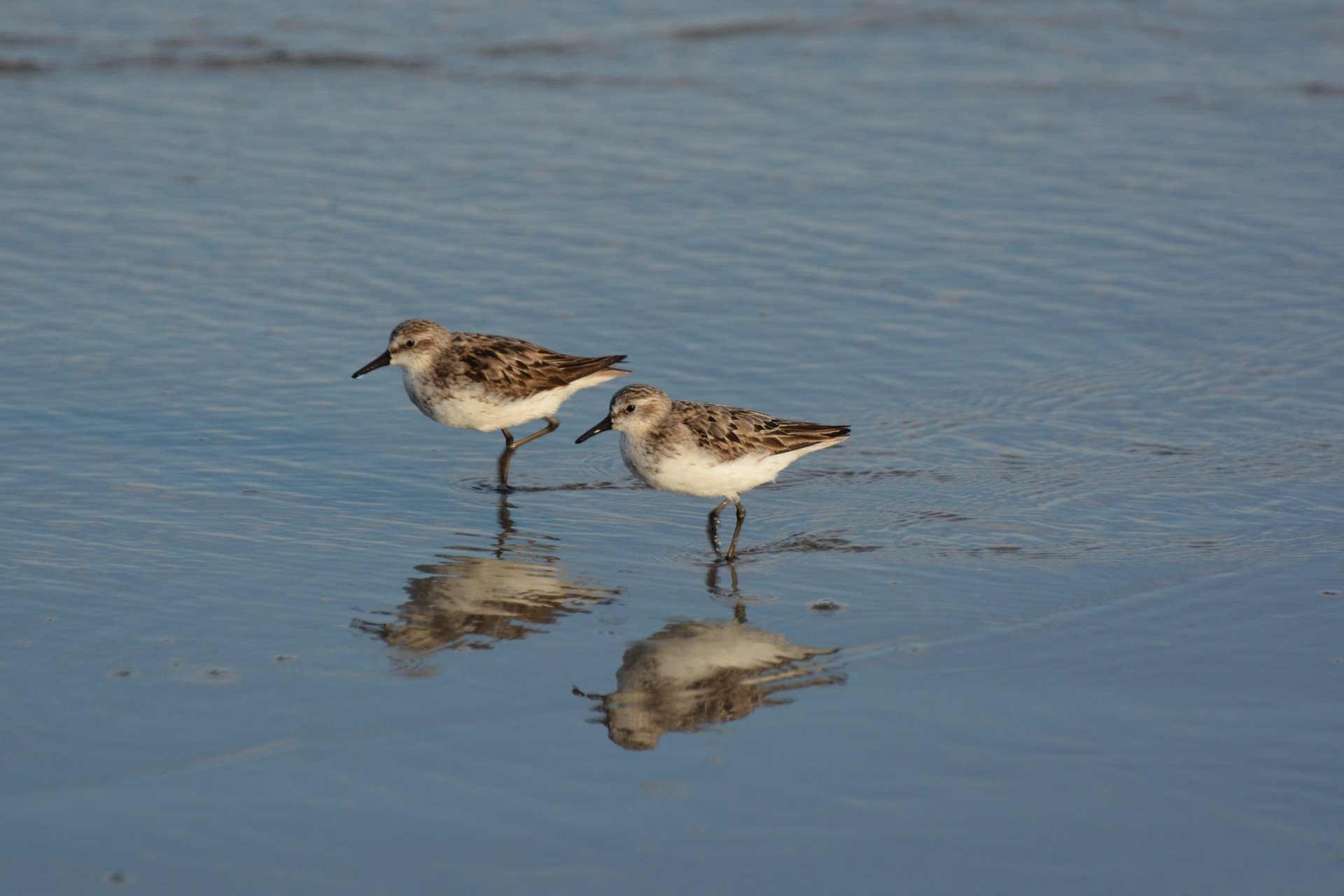
Top Wildlife Sanctuaries for Shorebird Migration
Late summer is peak season for watching shorebirds like sandpipers, godwits, and whimbrels in Massachusetts. Check out this shortlist of the best wildlife sanctuaries to observe them from.
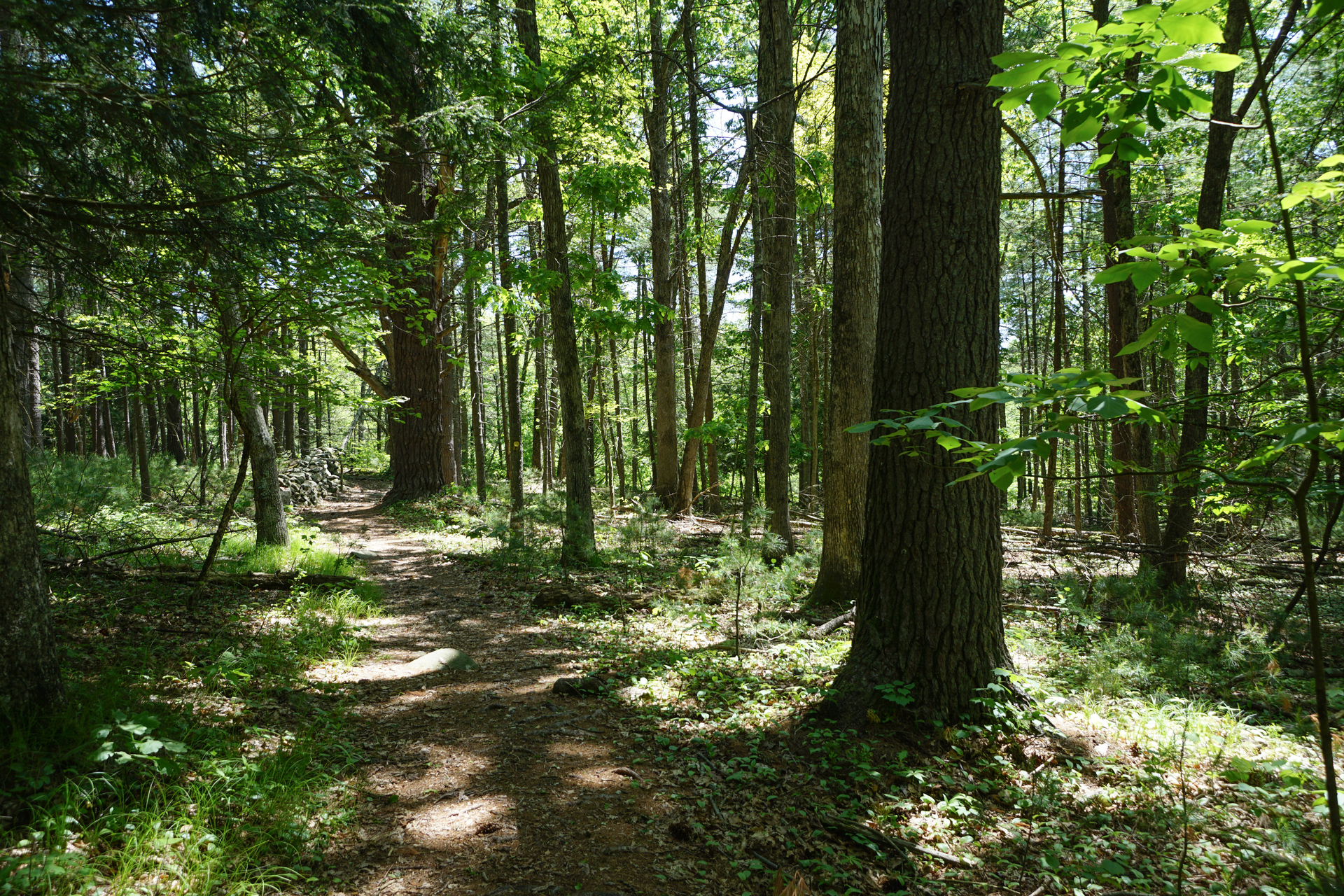
Ecological Enhancements Coming to Laughing Brook Wildlife Sanctuary
Mass Audubon’s Laughing Brook Wildlife Sanctuary in Hampden, MA, is undergoing a renewal. Over the next year and beyond, we’ll be implementing key projects to enhance both wildlife habitat and visitor experience.
Stay Connected
Don't miss a beat on all the ways you can get outdoors, celebrate nature, and get involved.