


Our Work on the Coast
The Massachusetts coast is one of the most ecologically vital regions in the Commonwealth, but it is also one of the most threatened by climate change.
Our shores are experiencing sea level rise at a rate that is three to four times faster than the global average. Rising tides and more intense storms will reshape our coast in the decades ahead, bringing dramatic changes to the people and wildlife who call it home. Without meaningful and thoughtful interventions now, our coast, as we know it, may not be able to survive.
How Mass Audubon Builds Coastal Resilience
Mass Audubon approaches the challenge of building coastal resilience head on. Our goal is to help these habitats cope with, respond to, and prepare for current and future climate change impacts.
Our success comes from marrying our expertise in:
- impactful land protection
- effective, nature-based restoration and stewardship of salt marshes and other coastal ecosystems
- collaborative and diverse partnerships
- longstanding leadership in monitoring and protecting critical bird species
- outreach to and education of visitors and neighbors to our coastal sanctuaries
- strategic advocacy for policy changes that accelerate and support more resilient shores
Restoring Salt Marshes, a Priority Coastal Habitat
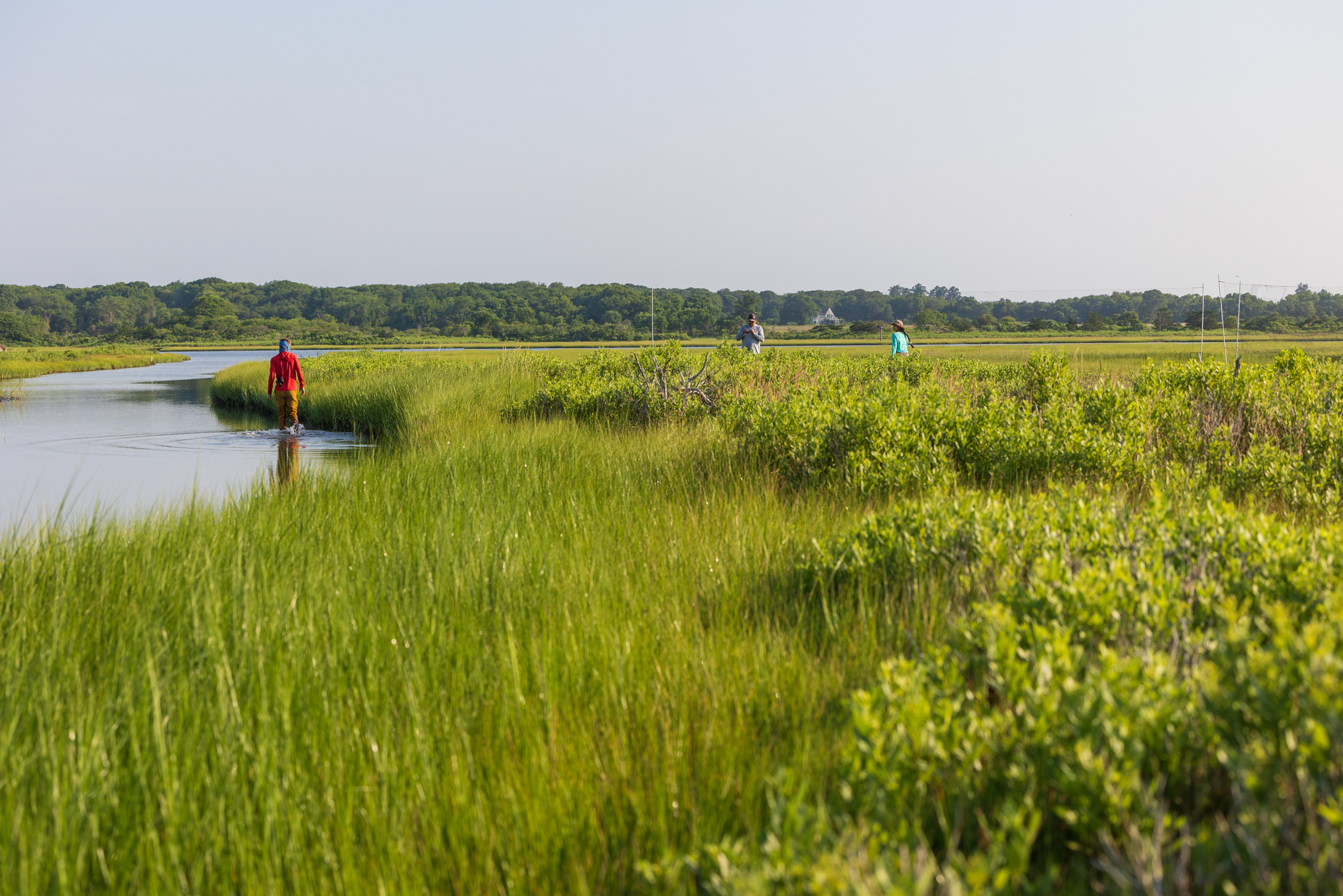
Much of Mass Audubon’s large-scale ecological restoration work focuses on some of the most valuable natural defenses against climate change: salt marshes.
Salt marshes are coastal wetlands that are flooded and drained by salt water that is brought in with the tides. They buffer storm surge, improve water quality, store and sequester significant amounts of carbon, and provide essential habitat for birds, fish, and other wildlife.
Massachusetts has lost more than 40 percent of its salt marshes since the early 1800s through modern sea level rise and the consequences of historic agricultural use and development pressures. To heal, they need restoration to stay above the rising waves and land protection to encourage upland movement as well.
Mass Audubon is partnering with organizations and communities on coastal restoration projects covering nearly 6,000 acres of coastal wetlands.
Projects at our own wildlife sanctuaries, including Barnstable Great Marsh, Rough Meadows, and Wellfleet Bay, aim to restore the marsh while also educating the public on the benefits of salt marsh restoration.
Bringing Coastal Bird Species Back from the Brink
Since 1970, scientists have documented a staggering decline in bird species in North America, including the loss of 17 million shorebirds and 22 million waterbirds. Mass Audubon’s Coastal Waterbird Program works with some of the most vulnerable species, protecting significant numbers of nesting Least Terns, Piping Plovers, and American Oystercatchers across more than 200 Massachusetts beaches.
This work has led to notable improvements in the health and success of these iconic species. Piping Plovers alone have increased from just 135 pairs in the state when Coastal Waterbird Program was first launched in 1986 to more than 1,200 nesting pairs in 2025.
Massachusetts is not only a critical breeding ground for coastal birds; its coast is also a vital stopover site along the Atlantic Flyway, the route that connects habitats from the Arctic to South America. Mass Audubon and partners use tools such as GPS tracking to uncover where these birds face threats throughout their lives.
Saltmarsh Sparrows, whose nests are increasingly vulnerable to flooding, also serve as an indicator species, helping scientists gauge whether marsh restoration, like our efforts at Allens Pond Wildlife Sanctuary, is successfully rebuilding the elevated habitat these birds need to survive.
-
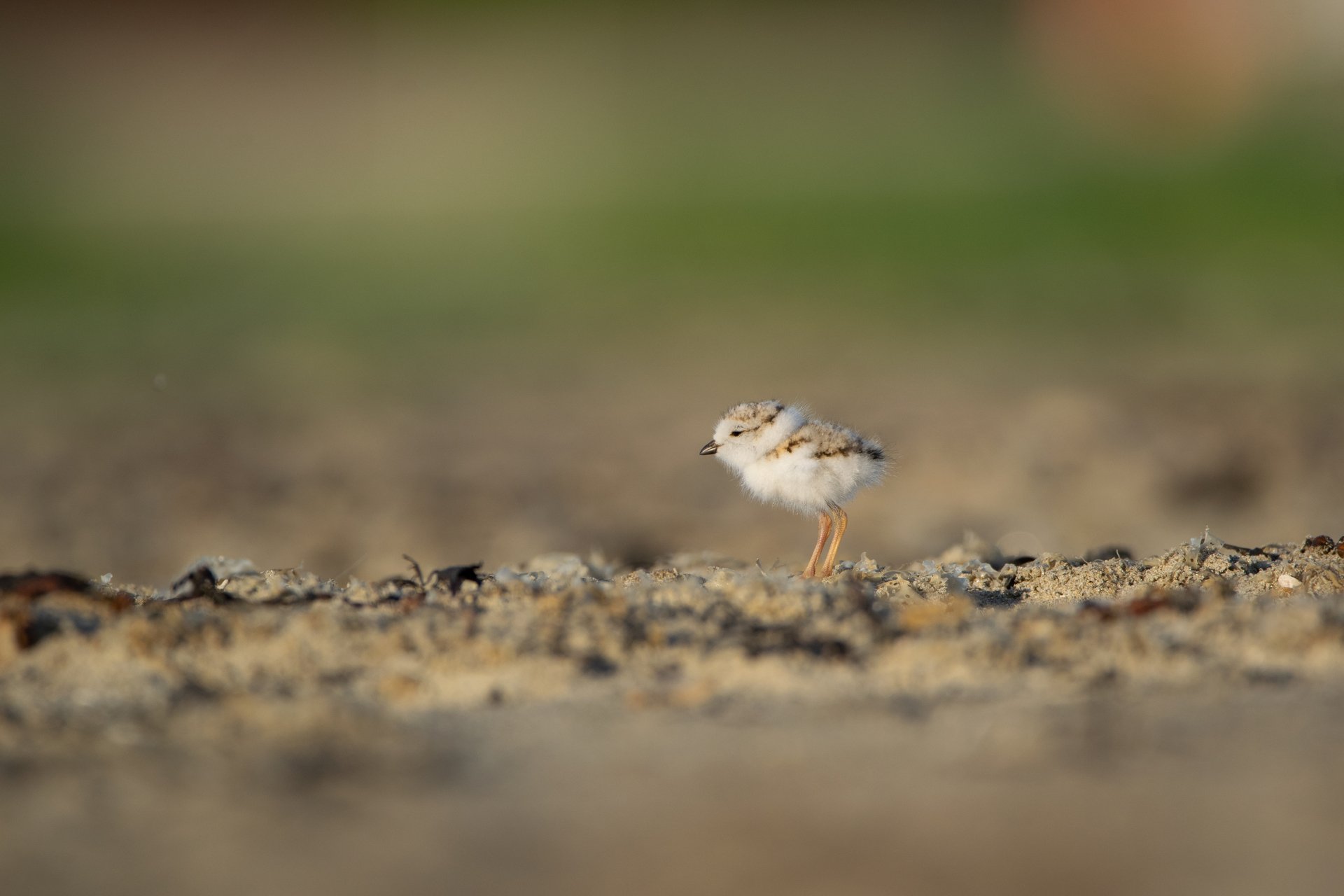 Piping Plover © Jason Goldstein
Coastal Waterbirds
Mass Audubon's Coastal Waterbird Program (CWP) is one of the most effective entities working to protect coastal birds and barrier beaches in North America.
-
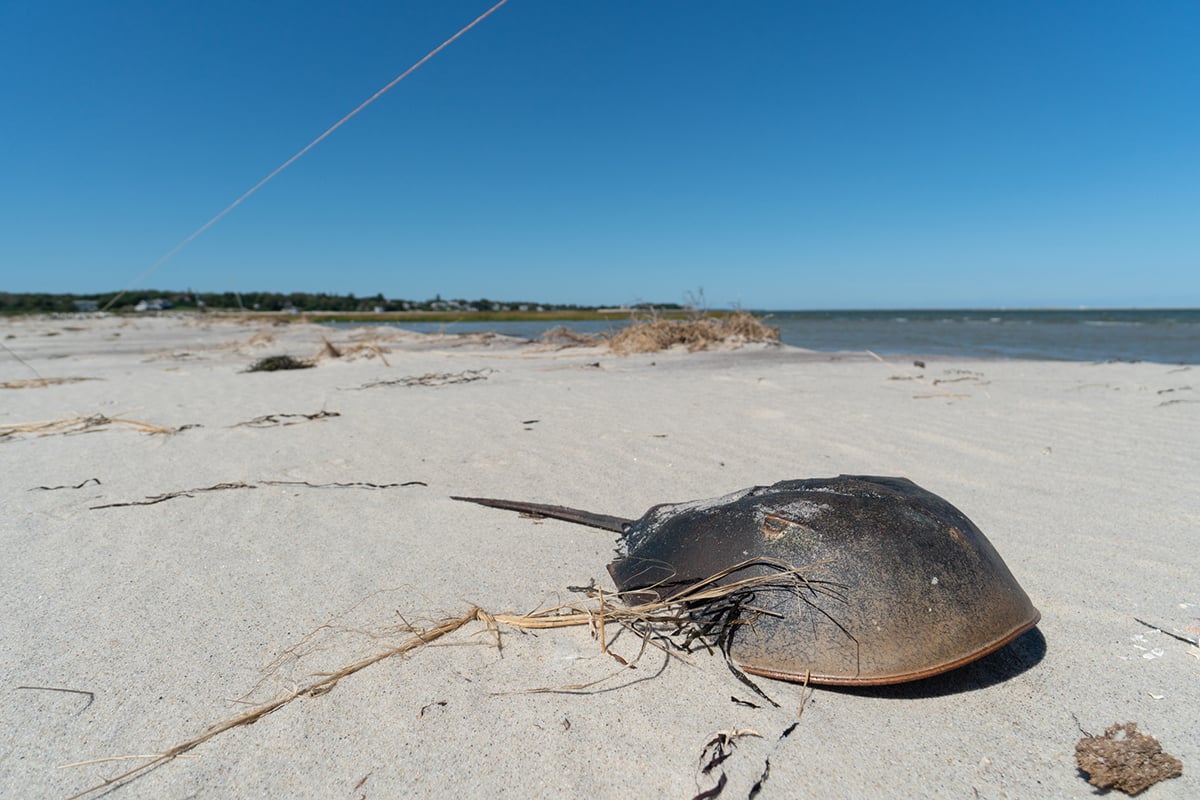 Horseshoe Crab
Horseshoe Crab Monitoring
Horseshoe crabs have been crawling ashore in Massachusetts to mate on full moon nights for about 350 million years, and Mass Audubon seeks to ensure this ancient rite of spring continues. But increased harvesting of these fascinating animals threatens their population.
-
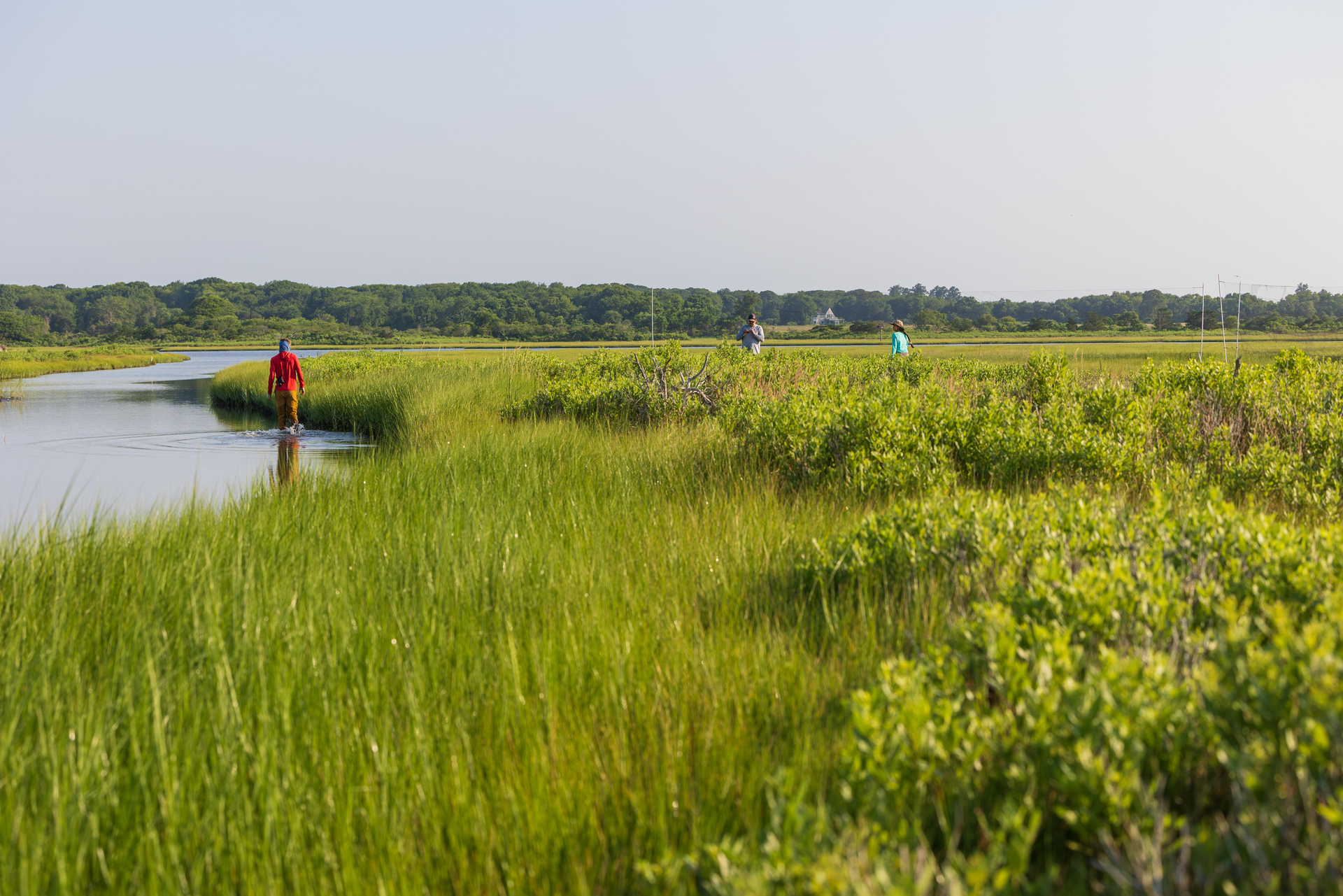
Ecological Restoration of Salt Marshes
Ecological restoration can help heal past damage and prepare salt marshes to withstand climate change and continue to thrive into the future.
-
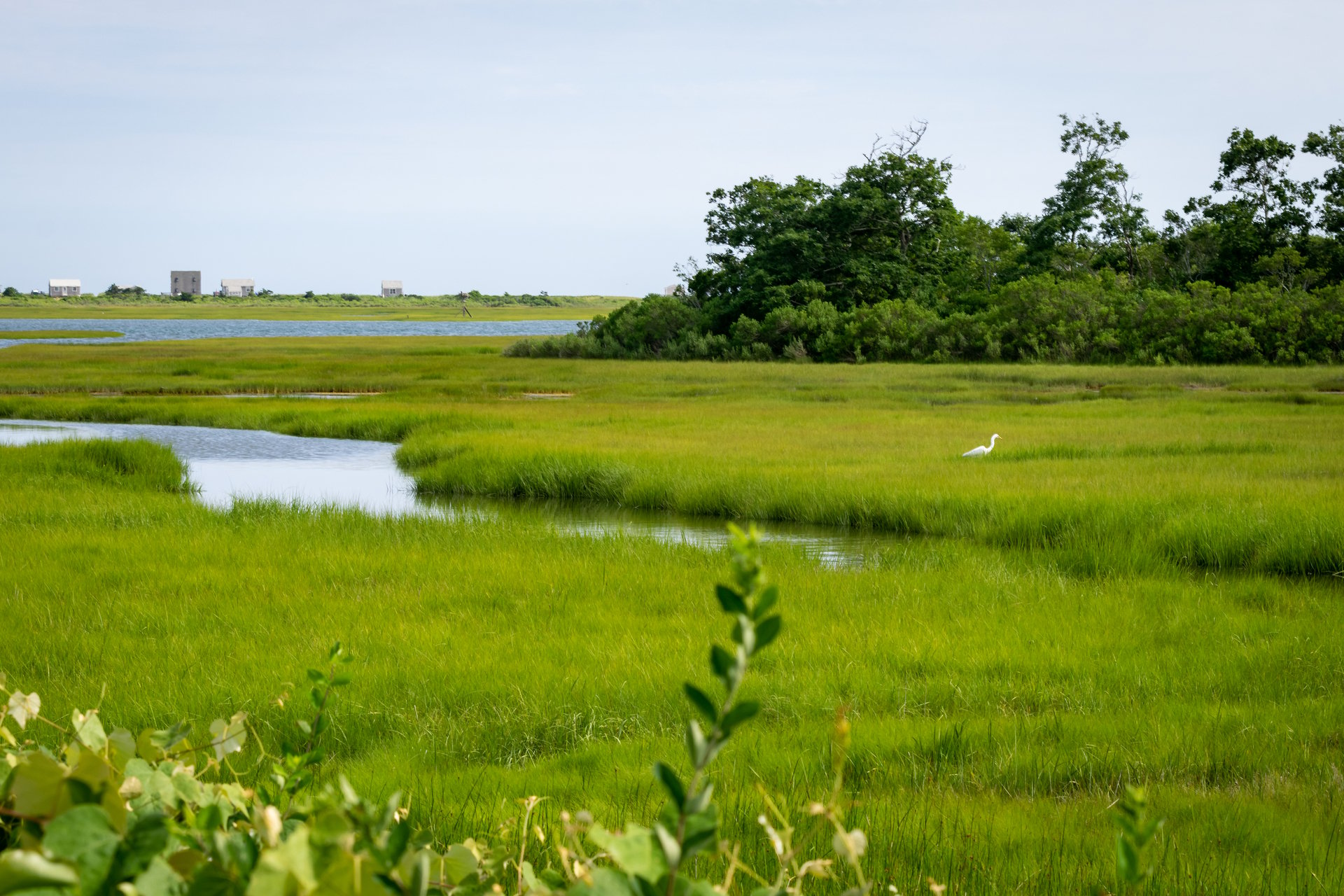 Allens Pond, South Dartmouth
Protecting Salt Marshes at Allens Pond
Visitors to Mass Audubon’s Allens Pond Wildlife Sanctuary in South Dartmouth and Westport may be curious if they spot groups of individuals digging on the sanctuary’s salt marsh.
Story Map
Peek at the Story Map: Saving Our Coastlines, Habitats, and Neighborhoods
Contact Us
If you would like to learn more or are interested in partnering with Mass Audubon on our coastal work, please email us.
Latest News
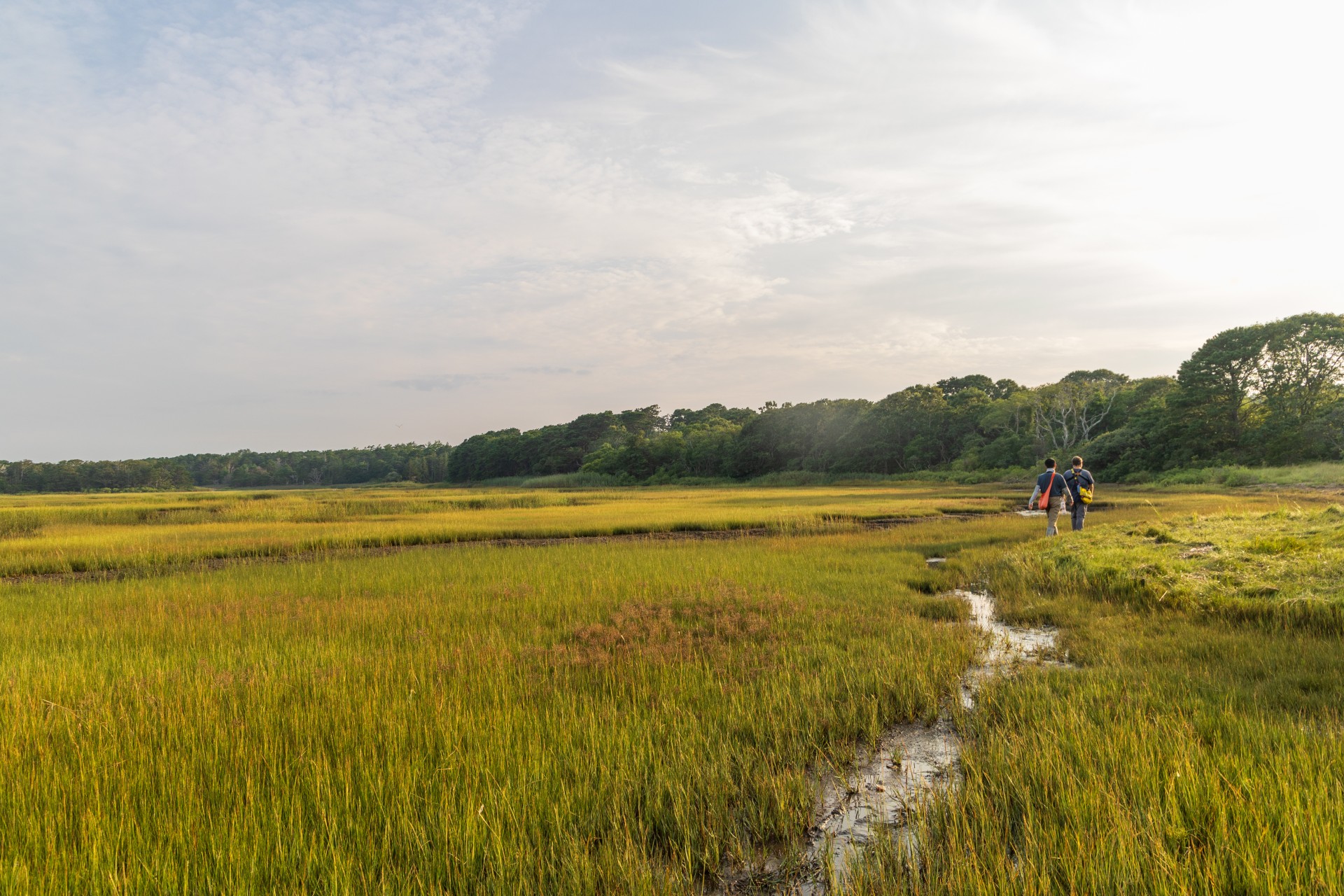
How We're Building a More Resilient Coast
Keep Reading
Together for Wildlife: Allens Pond’s 2025 Conservation Progress
Keep Reading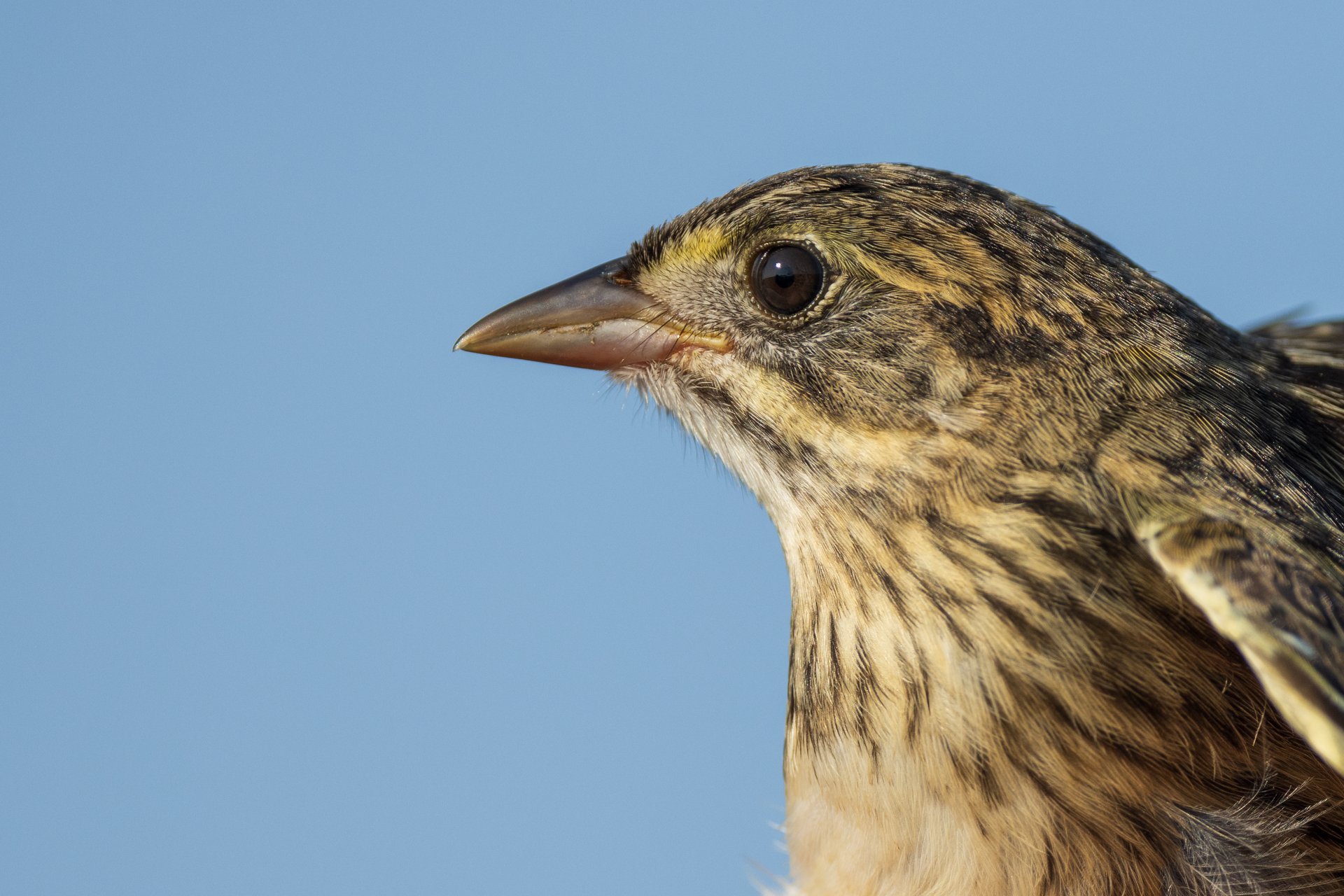
Saving the Saltmarsh Sparrow
Keep ReadingStay Connected
Don't miss a beat on all the ways you can get outdoors, celebrate nature, and get involved.