


Go Wild for Beavers
You Beaver Believe It!
Meet the big-toothed engineers changing the landscape at a waterway near you.
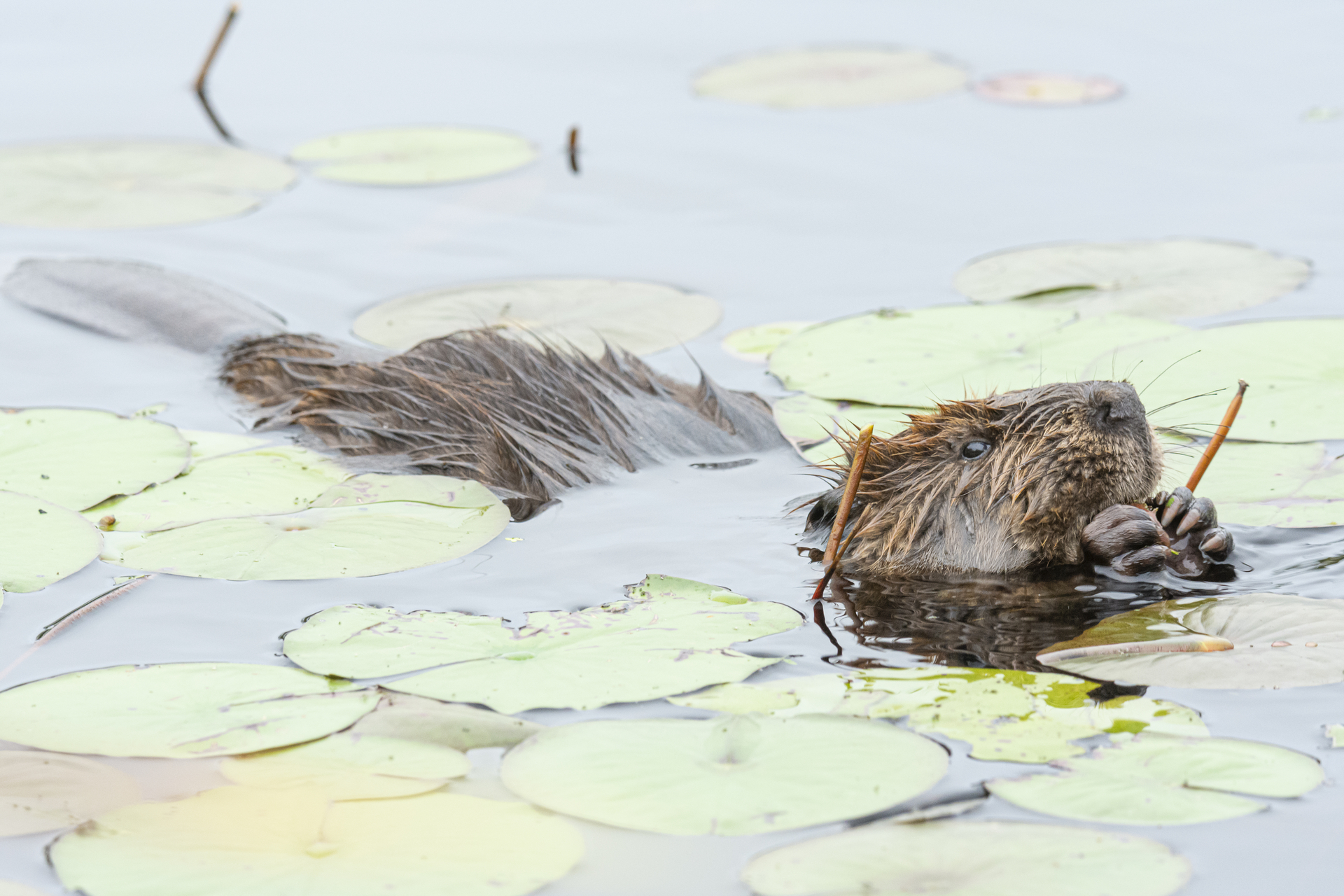
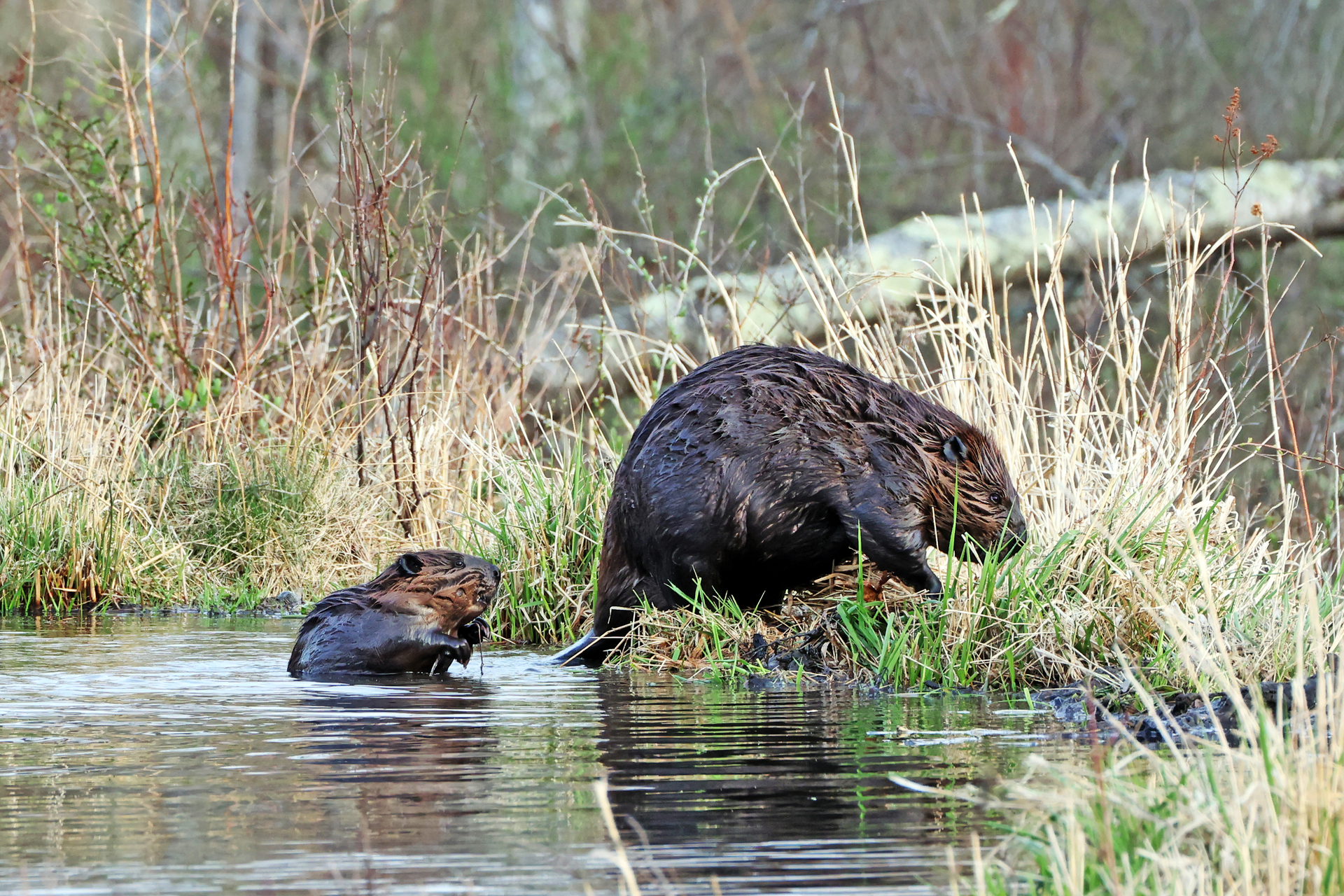
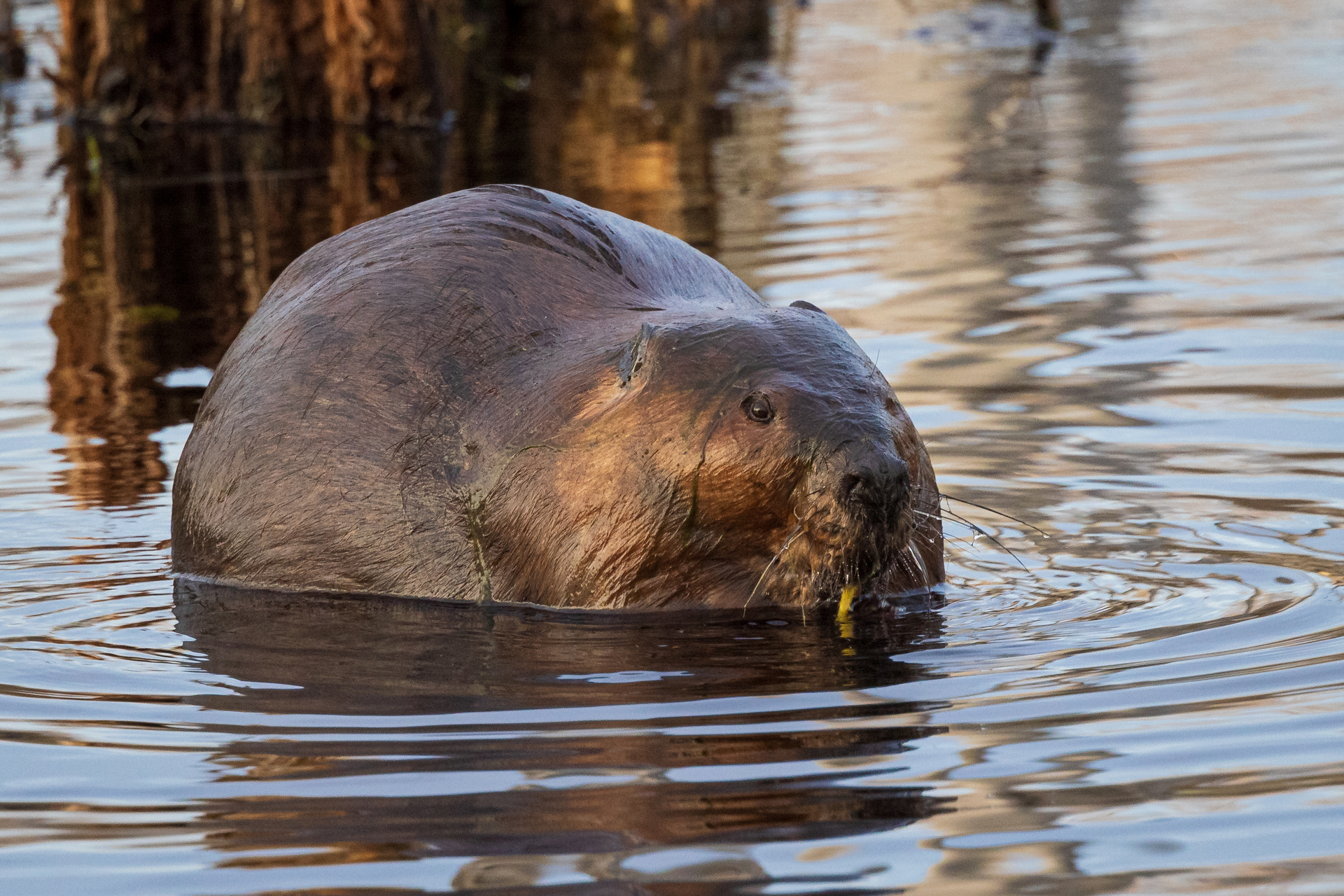
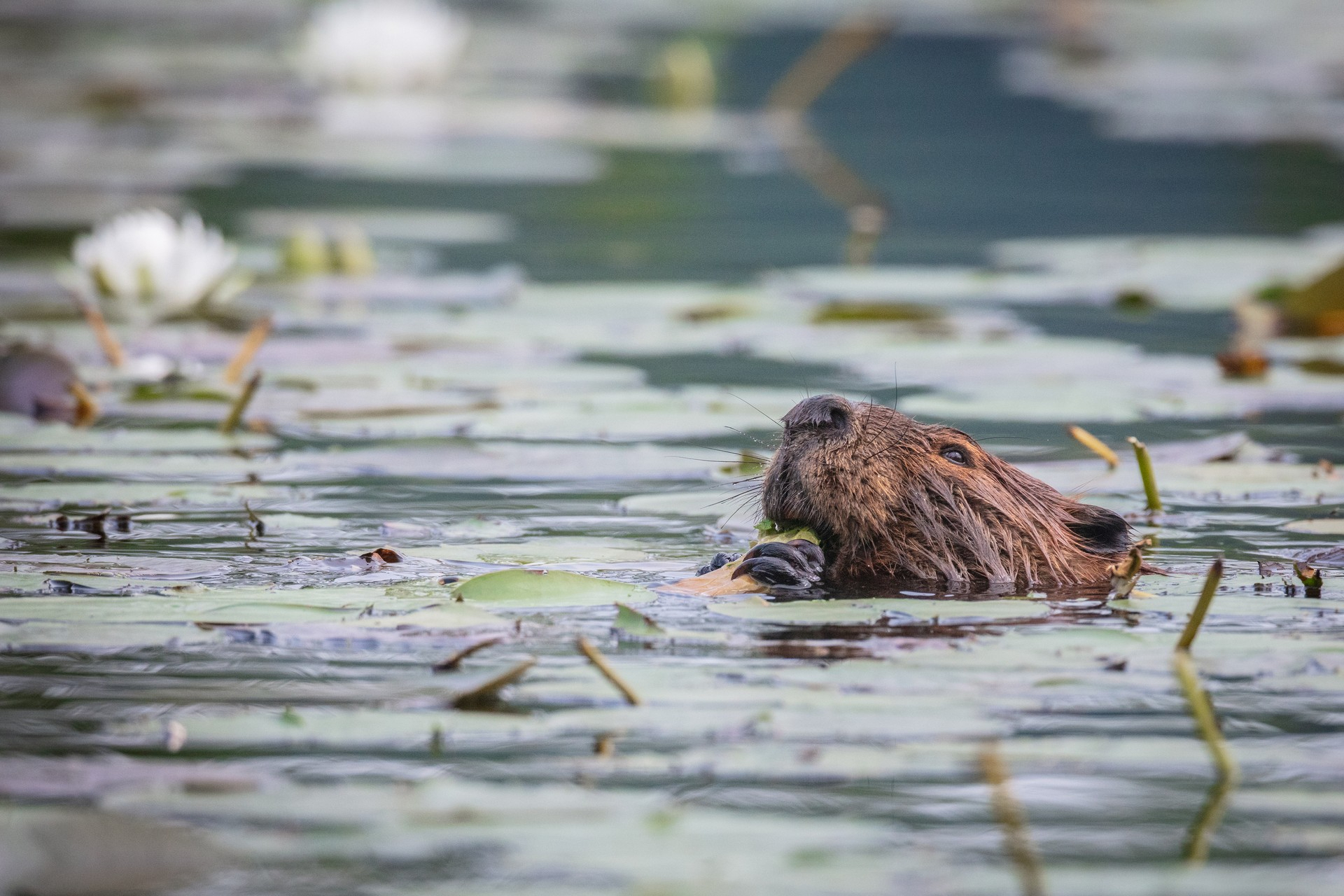
The largest rodent in North America, beavers make their homes in wetlands—and we mean make! They’ll take down branches, trees and more to craft their multi-chambered lodges and habitat-creating dams.
This month, as part of our yearlong celebration of wildlife, we’re deconstructing the world of Massachusetts's hardest working ecosystem engineer: the North American Beaver.
-
 Beaver © Barbara Peskin
 -
 Beavers © Bruce Dean
 -
 Beaver © David Young
 -
 © Sherri Vanden
 -
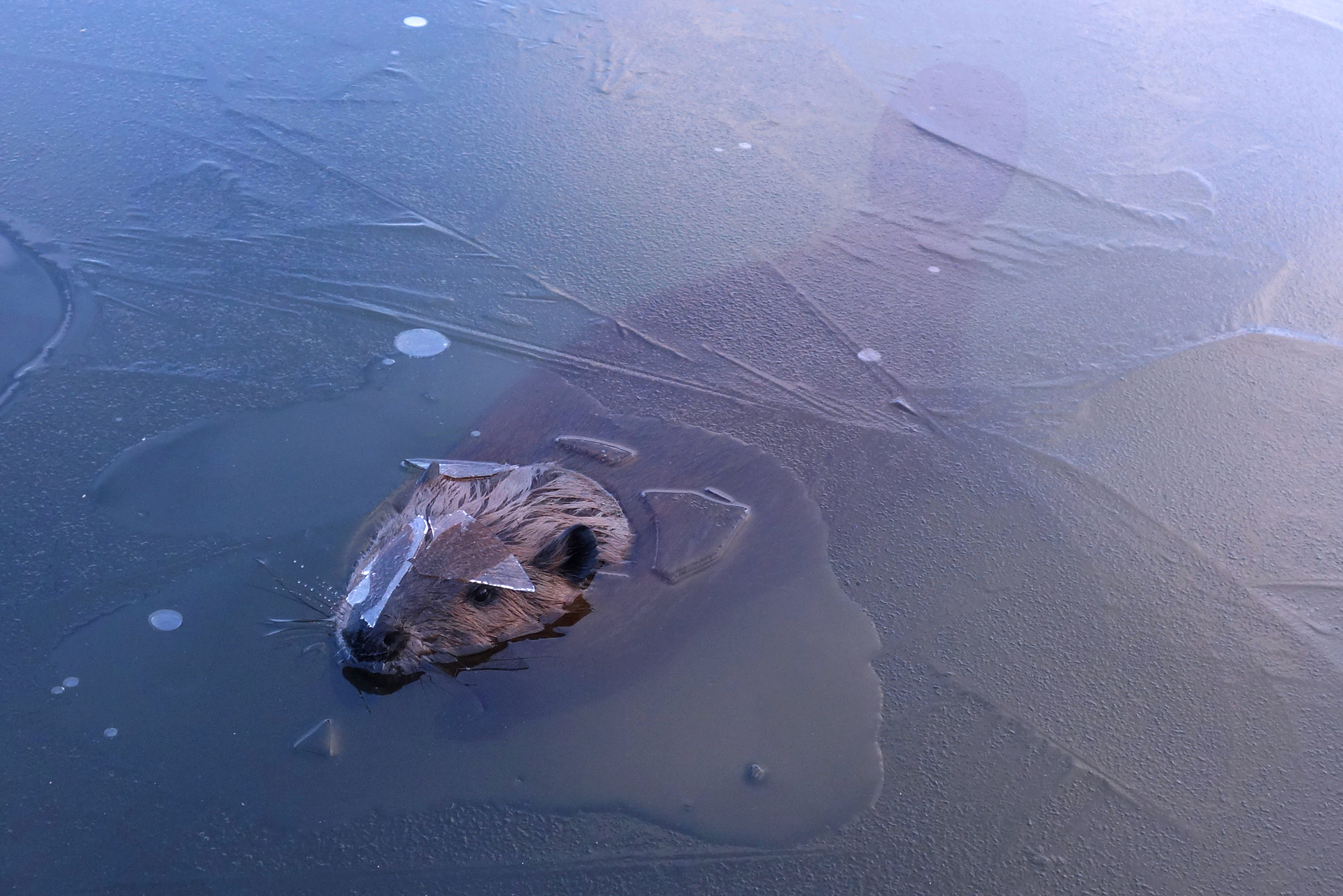 © Allison Bell
 -
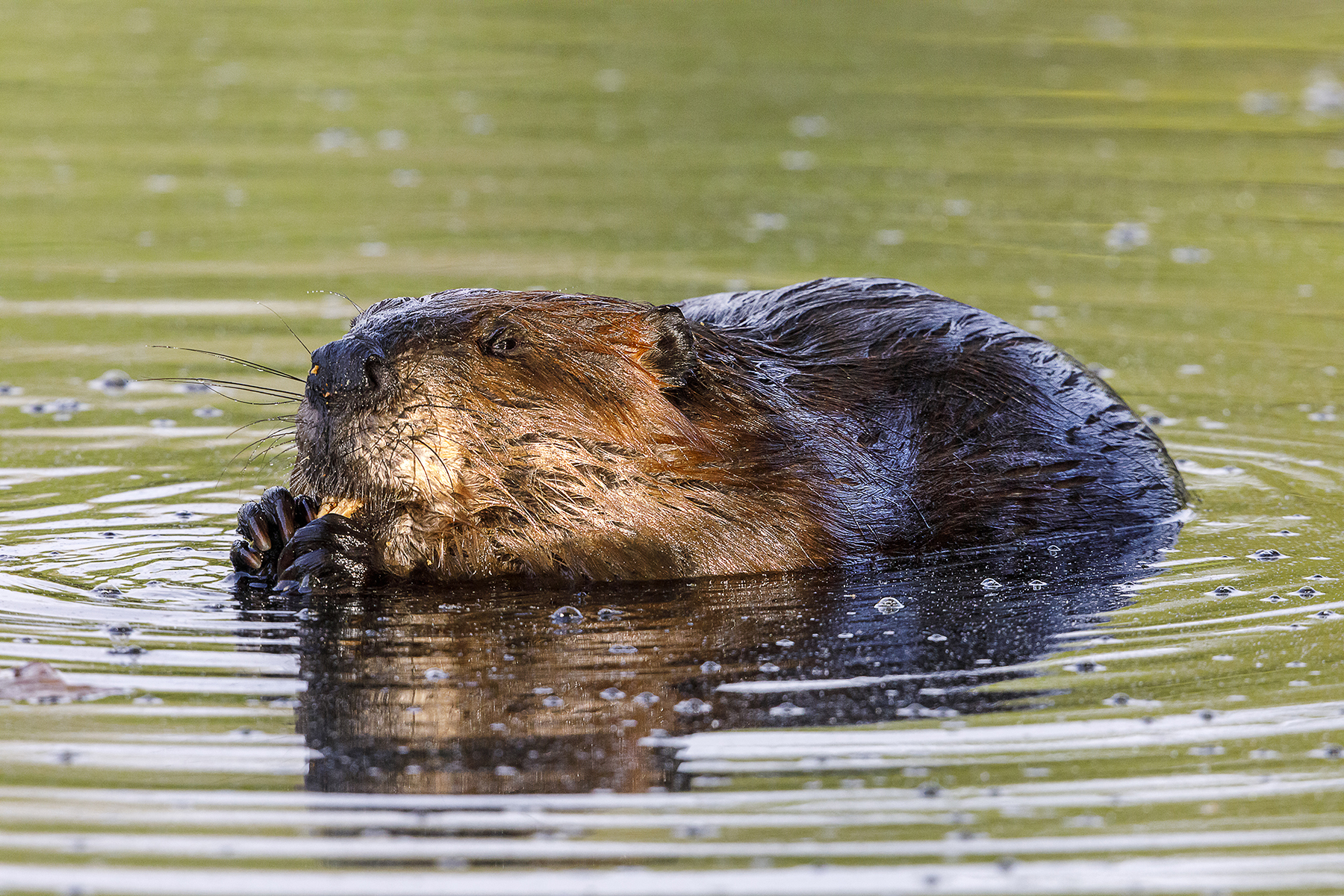 Beaver © Frank Poulin
 -
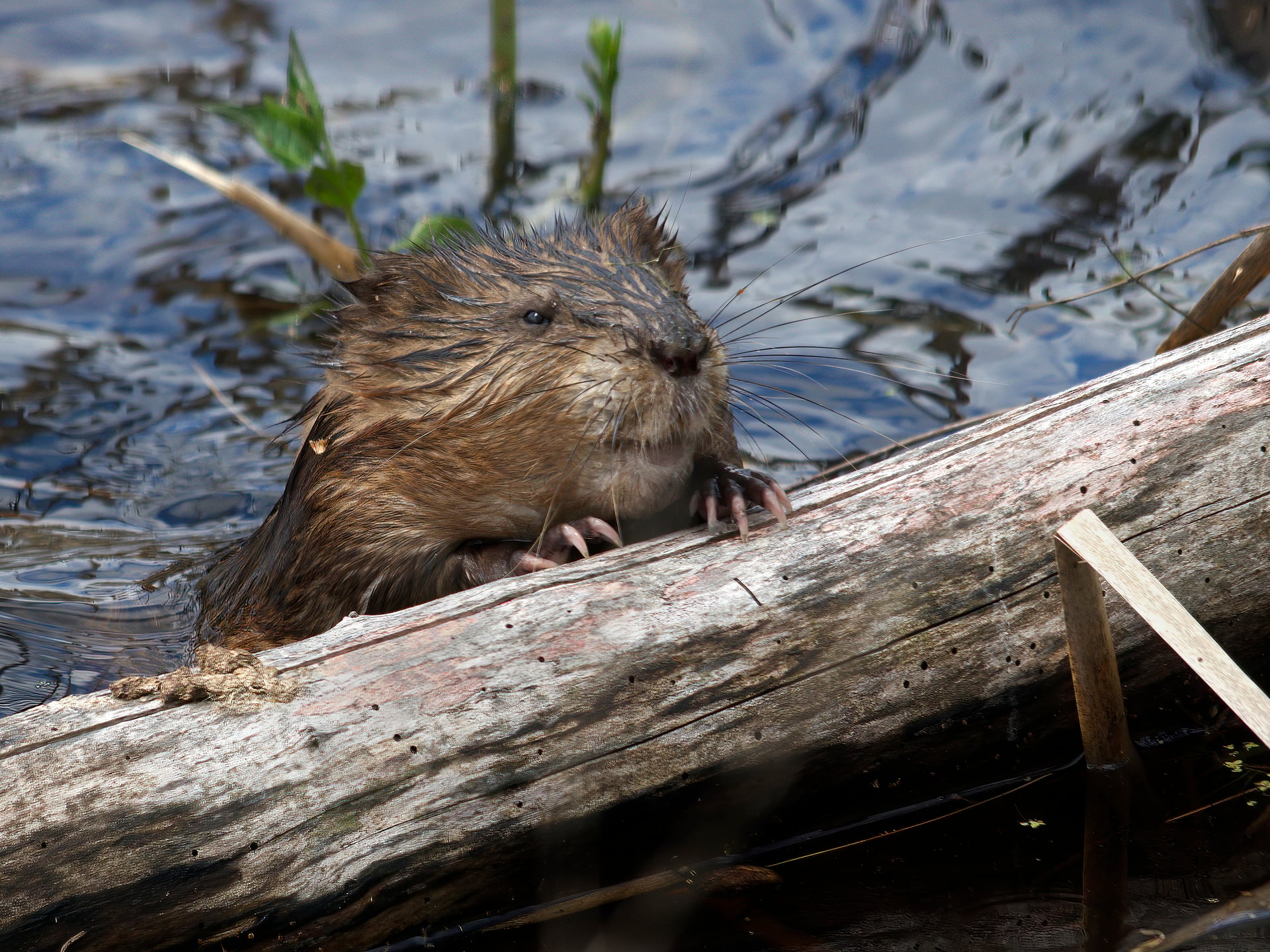 Beaver © Sandra Taylor
Busy as a Beaver
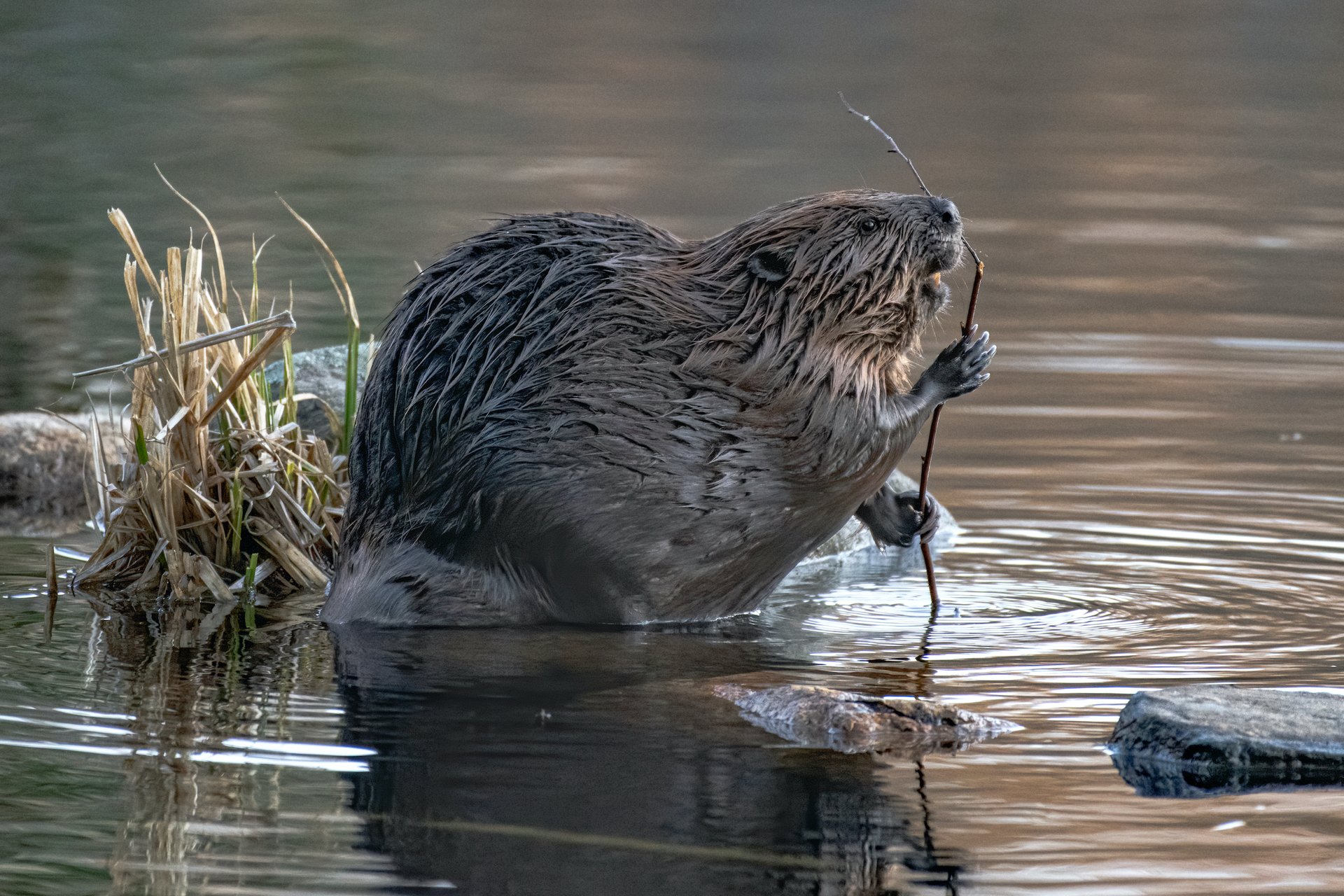
Beavers don't just live in their habitat, they build it. Using their large, orange front teeth, beavers stay busy gnawing at twigs, branches, and even full trees to source materials for their dams and lodges.
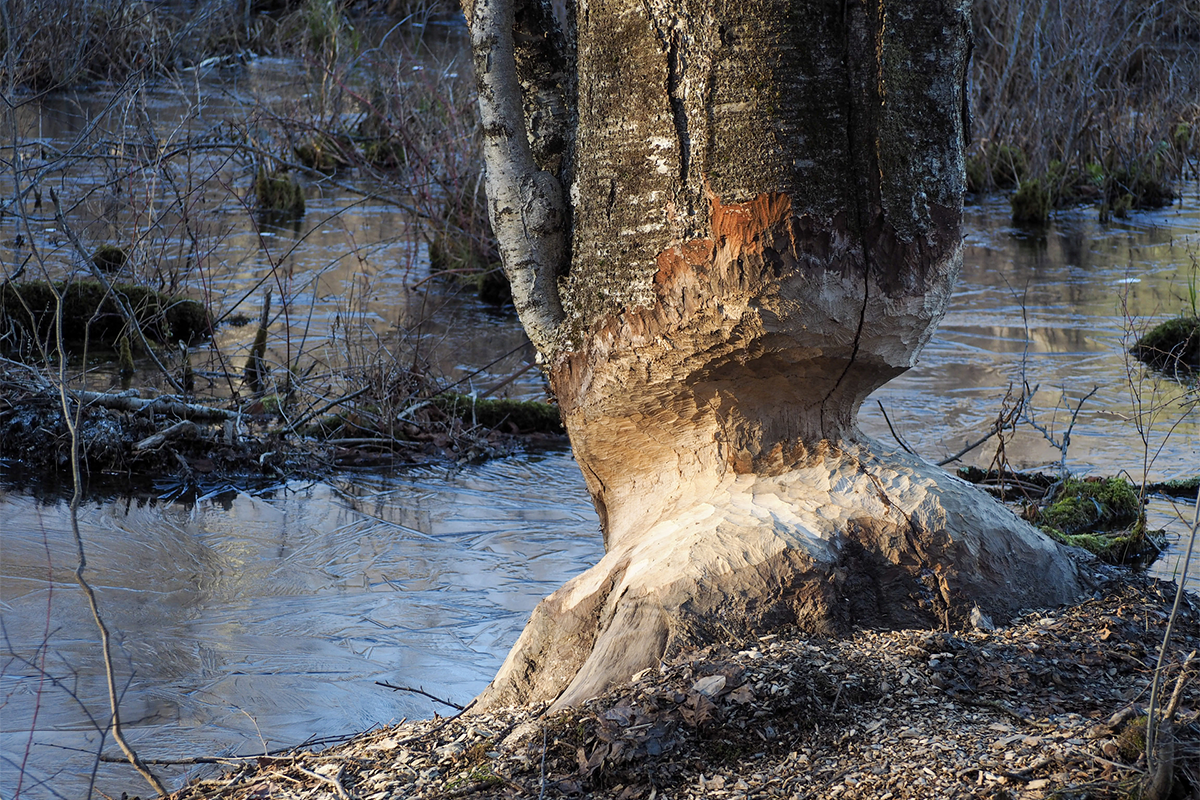
Their lodges are surprisingly massive structures, spanning 15-40 feet across and 3-6 feet above the waterline. Inside, a dry, plant-lined living space sits above water level, reachable only through an entrance hidden underwater. In the winter, beavers are known to occasionally share their lodges with other animals including muskrat, mice, and more.
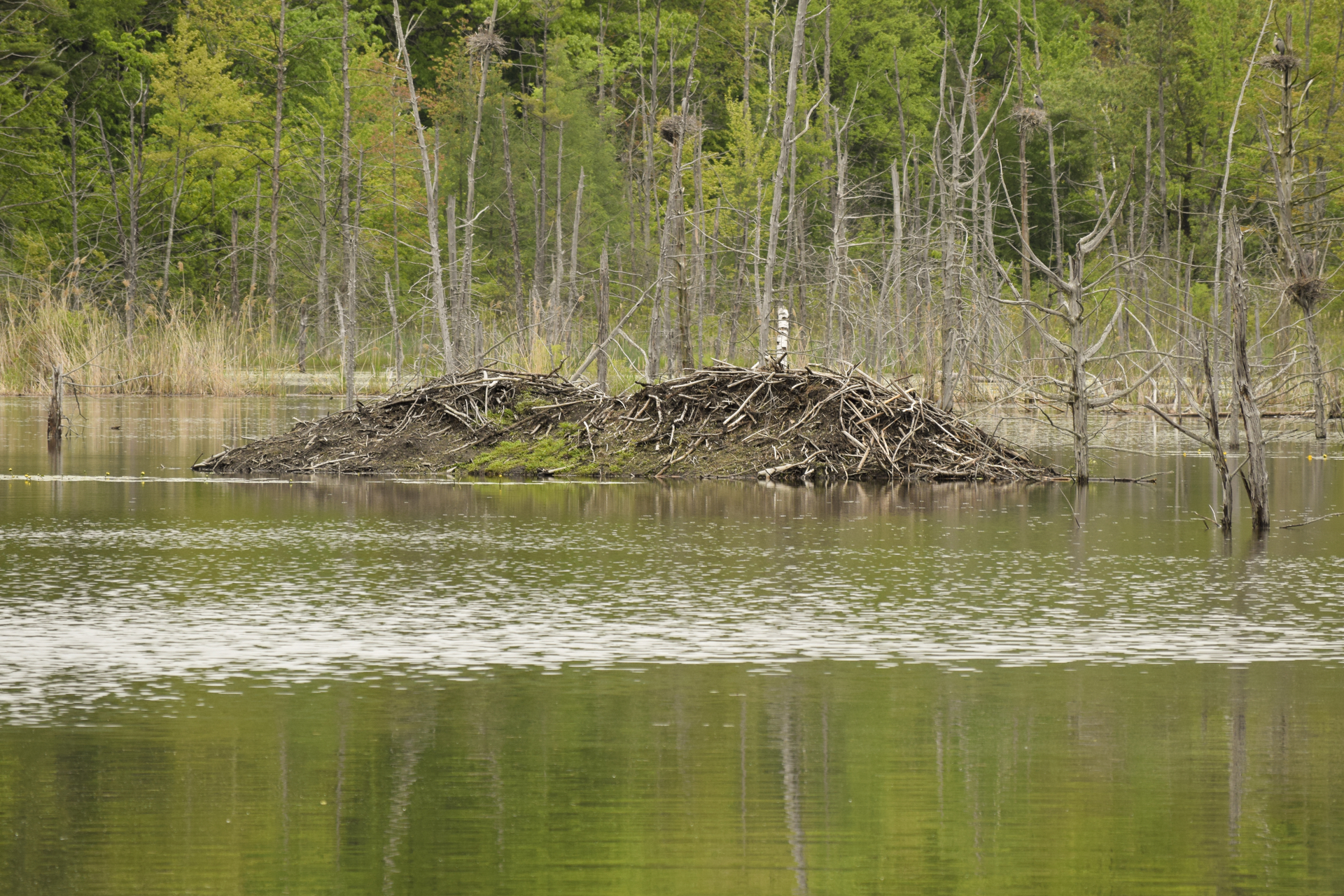
Their dams create deep ponds that stay unfrozen at the bottom even in winter, giving them safe passage between their lodge and their food supply when the surface freezes over. In addition, a beaver-damed stream changes the landscape, inviting new species to feed and breed in the newly-formed, temporary wetland.
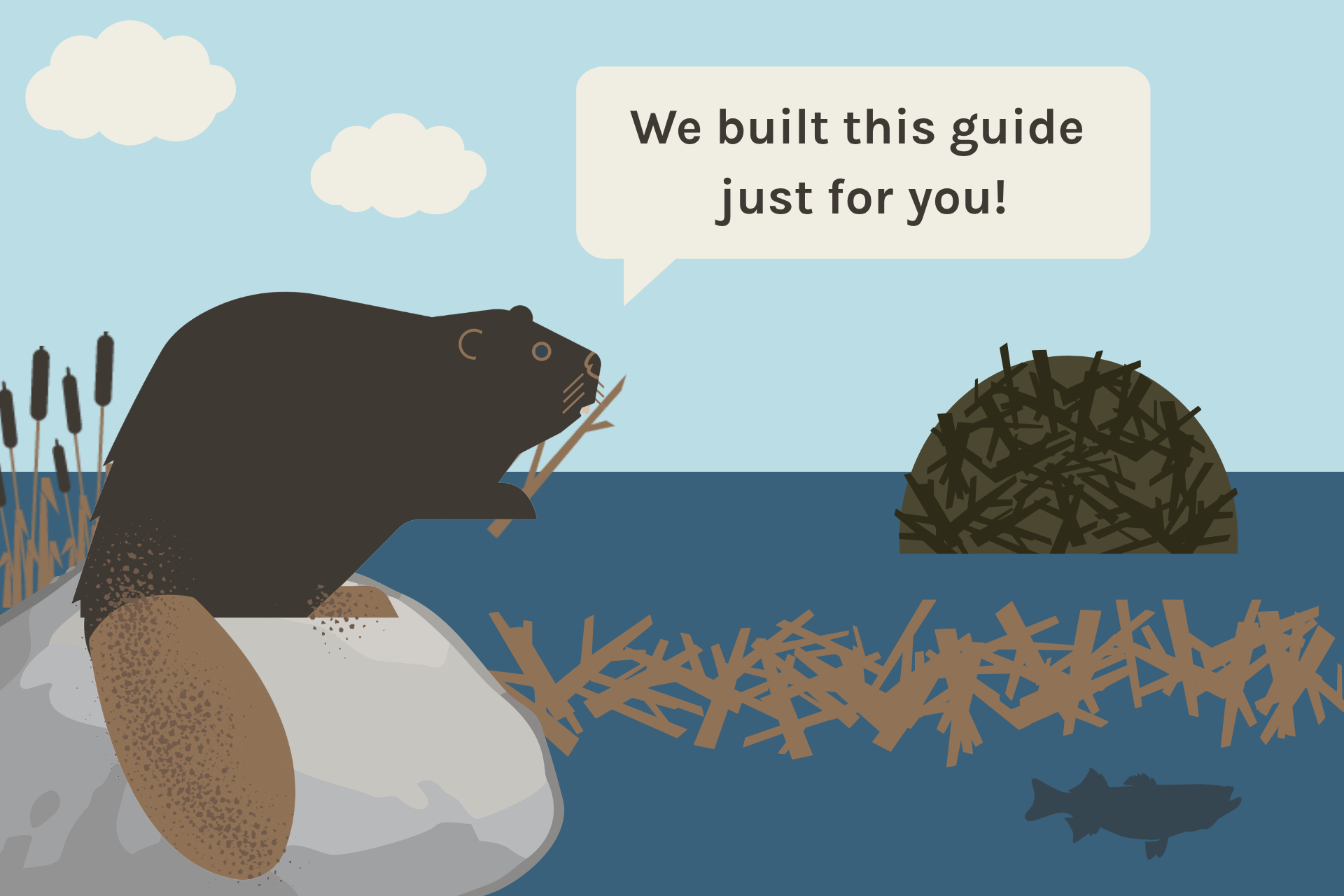
Beaver Buddy Guide
Are you a bud to beavers? Uncover tell-tale signs a beaver is near, get a look inside the lodge, and learn how to tell beavers apart from their lookalikes in this handy guide.
Look for beavers at these Mass Audubon Wildlife Sanctuaries

Beavers at Pleasant Valley Wildlife Sanctuary, Lenox
Before colonization by European settlers, the beaver thrived in Massachusetts. By the end of the 18th century, unregulated hunting, trapping, and extensive deforestation resulted in their eradication.
To help restore beaver populations, three beavers were brought from New York and released at what is now Mass Audubon’s Pleasant Valley Wildlife Sanctuary in 1932. Their efforts helped beavers make a comeback, and you can still find beavers there today, building and swimming in the ponds along the Yokun/Beaver Lodge Trails Loop and the All Persons Trail/Pike's Pond Trail.
The Pleasant Valley beavers have even inspired the children's book, What Goes On Inside A Beaver Pond? by the Regional Director of Mass Audubon West, Becky Cushing Gop.
Upcoming Beaver Programs
See MoreFamily Bird Walk
-
Tidmarsh Wildlife Sanctuary, Plymouth
-
Saturday, October 24
10:30-11:30am
Families with children 8 - 17
Terrific Toddlers - Busy Beavers
-
Ipswich River Wildlife Sanctuary, Topsfield
-
Friday, November 6
9:30-10:45am
Families with children 2 - 4 years
Busy Beavers by the Boardwalk
-
Broadmoor Wildlife Sanctuary, Natick
-
Friday, November 6
4:00-5:30pm
Families with children 5 - 12 years

Share Your Wild Story for a Chance to Win
Have you seen something amazing exploring wetlands? We want to hear about it!
Every story shared enters you into our Wild for Wildlife tote bag giveaway.
Not All Dams Are Created Equal
The Difference Between Beaver-made and Human-built Dams
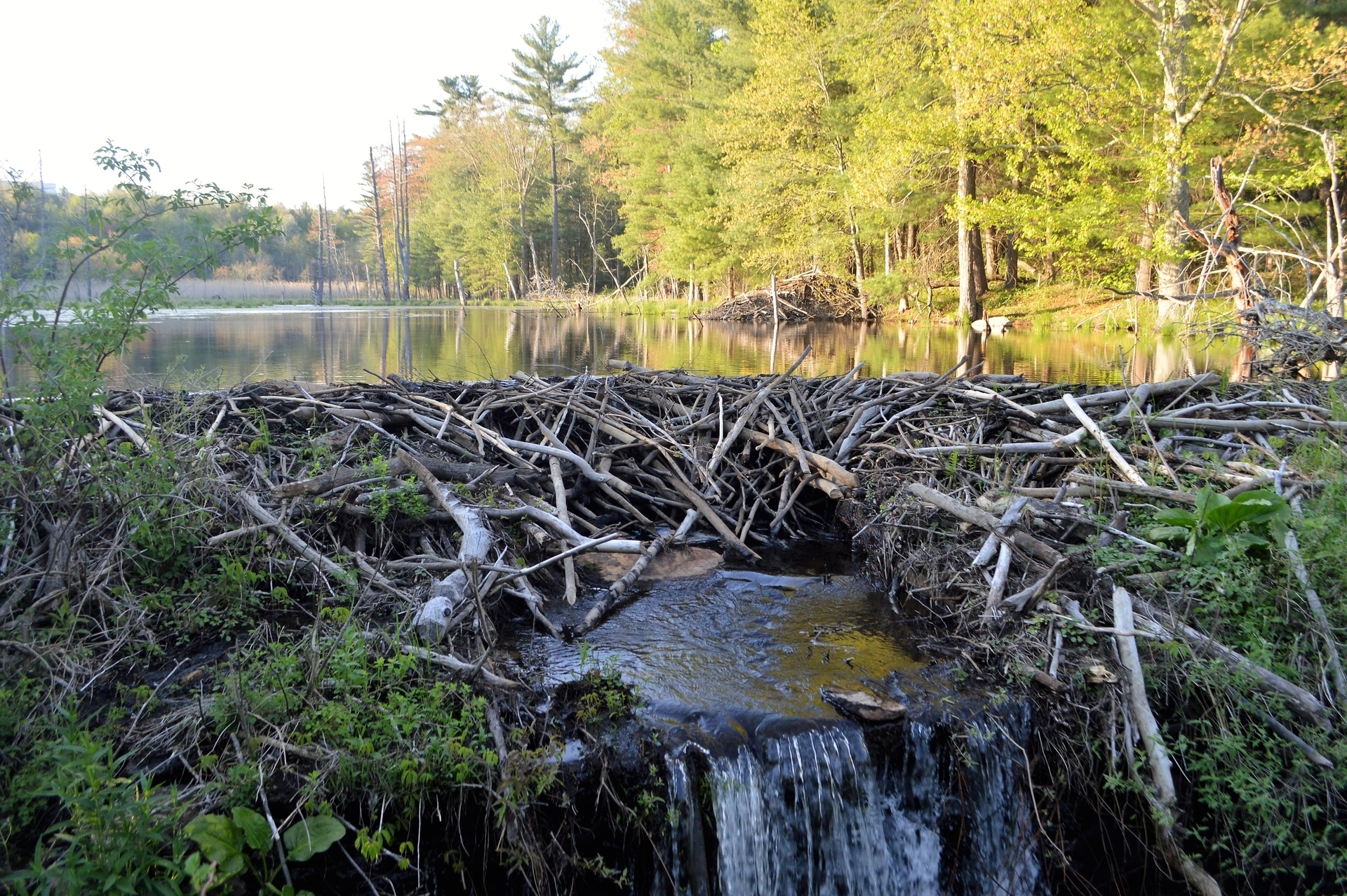
When people picture a dam, they usually picture concrete, steel, and a body of still water behind it. Beaver dams work almost nothing like that. A beaver dam contains loosely packed sticks, mud, and rocks, full of gaps and channels that water, sediment, and wildlife can pass through. A dam built by people is designed to do the opposite: hold everything back, as completely and permanently as possible.
That difference shapes everything downstream. Fish and other aquatic life can usually move through, around, or over a beaver dam. Beaver families tend to build a series of smaller dams instead of one big one, breaking a stream's drop into smaller steps that are easier to cross. A human-built dam is often a hard stop, cutting off migration and reducing natural flow variation in rivers.
Beaver dams are also temporary by nature. They need constant upkeep, and once the beavers move elsewhere, the dam erodes and the pond drains into a nutrient-rich meadow, setting the stage for new habitat to take root. That cycle of building, breaching, and rebuilding is part of what makes beaver wetlands so rich in biodiversity. Most human-built dams do the opposite. Thousands still standing in Massachusetts today were built more than a century ago for a purpose that no longer exists, and they've simply been left in place, quietly degrading the river around them ever since.
When Dam Removal Supports Restoration
At Mass Audubon, projects like our Vinica Brook Watershed Restoration in Wales—in partnership with the Norcross Wildlife Foundation and others—take people, wildlife, and habitats into account. The restoration is one of the largest efforts of its kind in Massachusetts, removing dozens of old, obsolete barriers across more than 2,000 acres of forested land. Central to the project’s success is the return of beavers to the watershed, who will help increase biodiversity and foster a thriving habitat. Numerous scientific studies are in progress to document these changes in Vinica Brook.
So much is possible once the right kind of dam gets a chance to do its job. But there are roughly 3,000 dams still standing across Massachusetts that aren't beaver dams, and today's permitting system makes it harder to remove an old, obsolete one rather than to leave it in place. Beyond significant ecological damage, these old structures also create risks for people, as climate change and more intense storms heighten public safety concerns from sudden failure. Removing human-built dams with no active use today makes sense for people and nature in Massachusetts.
Mass Audubon is pushing for the reforms needed to speed up this work statewide, so more rivers can run free, and more wetlands can come back to life. The Mass Ready Act, (S.3064/H.5518, An Act to build resilience for Massachusetts communities) is a $3.6 billion environmental bond bill strengthens infrastructure, enhances climate resilience, protects natural resources, and supports local economies.
Protect Beavers
You can help beavers thrive for generations to come.
Keep Going Wild
Every month, we’ll highlight a new charismatic species with fun facts, programs, free resources, and ways to get involved—join our wild year to stay in the loop.