


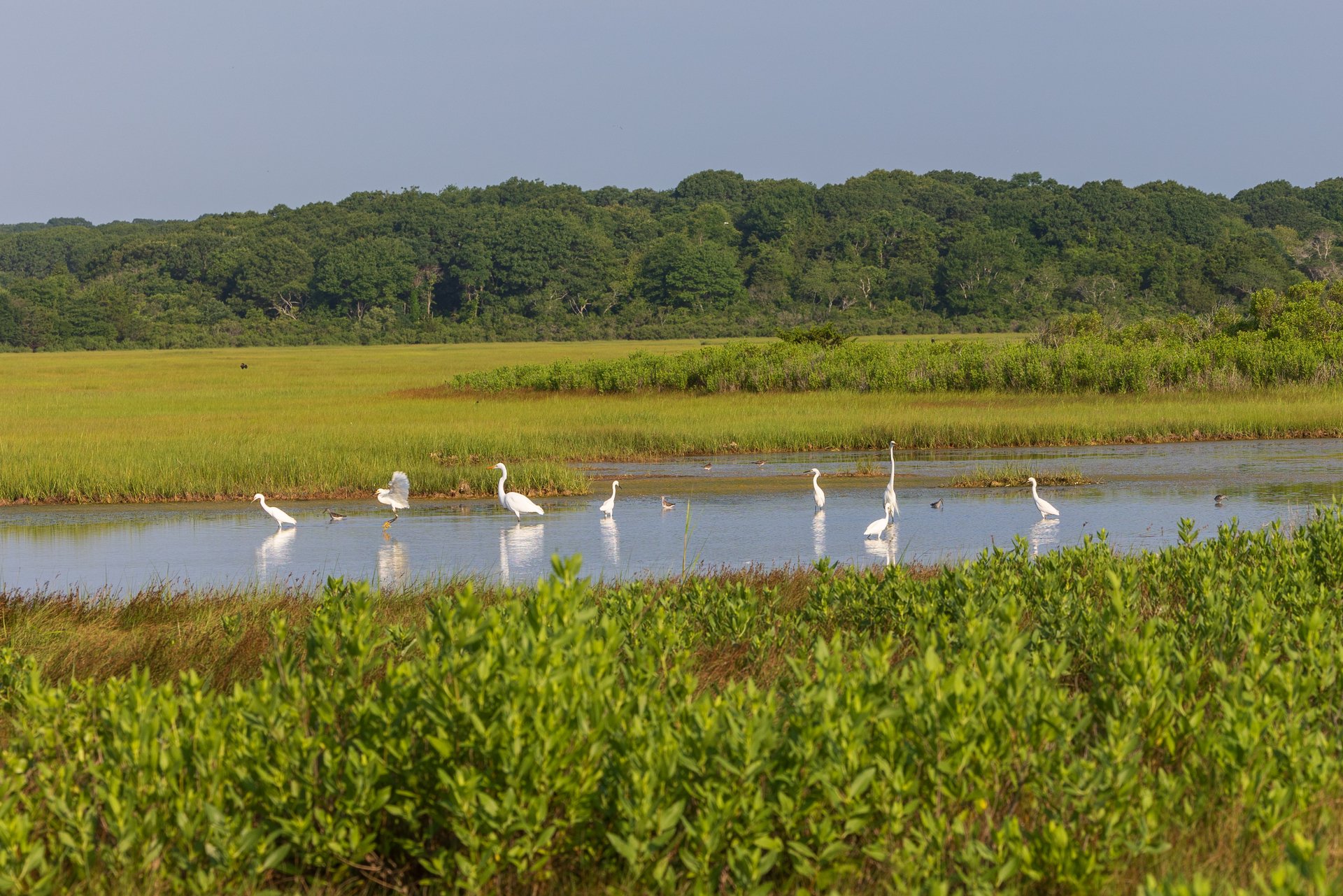
A Campaign to Accelerate Wetland Restoration Across the Commonwealth
Healthy wetlands provide many important benefits: supporting a wide diversity of native plants and animals, filtering and storing water, and reducing flooding. Wetlands are also essential for mitigating climate change through nature-based solutions, capturing carbon out of the atmosphere up to 10 times faster than mature forests.
But our salt marshes, freshwater wetlands, and rivers need help to reverse damage from past land uses so they can strengthen their resilience to the impacts of sea level rise, more intense storm events, and more frequent droughts.
Unfortunately, the current permitting system makes beneficial wetland restoration work difficult, while allowing historic wetland degradation and destruction to remain in place, causing more damage every day.
Mass Audubon is working with our partners and members to help solve these challenges to benefit people and wildlife
Supporting Wetlands Restoration through Policy and Advocacy
Mass Audubon is currently advocating for legislation that would help accelerate wetland restoration projects.
The Mass Ready Act, (S.3064/H.5518, An Act to build resilience for Massachusetts communities) is $3.6 billion environmental bond bill to strengthen infrastructure, enhance climate resilience, protect natural resources, and support local economies. It includes funding for restoration and several policy provisions that will streamline permitting for nature-based solutions and ecological restoration projects. These include reforms to the Massachusetts Environmental Policy Act (MEPA), the Waterways Act (Chapter 91), and the Wetlands Protection Act (WPA).
Regulatory reforms are a crucial piece of the permitting puzzle and could transform the process into an efficient model that supports the scaling up of restoration work, supporting nature-based climate solutions, and enhancing resiliency across the state.
There are pending regulations to update stormwater standards, limit development in coastal floodplains, and improve processes for certain types of resiliency projects such as culvert replacements. However, these are just a start, and we are working with state agencies to develop general permits and other regulatory reforms to speed up beneficial restoration projects. The goal is to increase efficiency in approving the healing of damaged or degraded wetlands, so that limited funds can be spread across more of these projects.
Help Speak Up for Wetlands
Accelerating the pace of wetlands restoration requires many voices. There are two ways you can help advocate for wetlands.
- Become a Climate and Nature Champion and select Accelerate Wetland Restoration. You’ll be the first to know when there’s an action to take.
- If you’re part of a nonprofit organization, municipality, consulting firm, conservation commission, or other group, you can join the growing coalition movement.
Mass Audubon’s Ecological Restoration Work
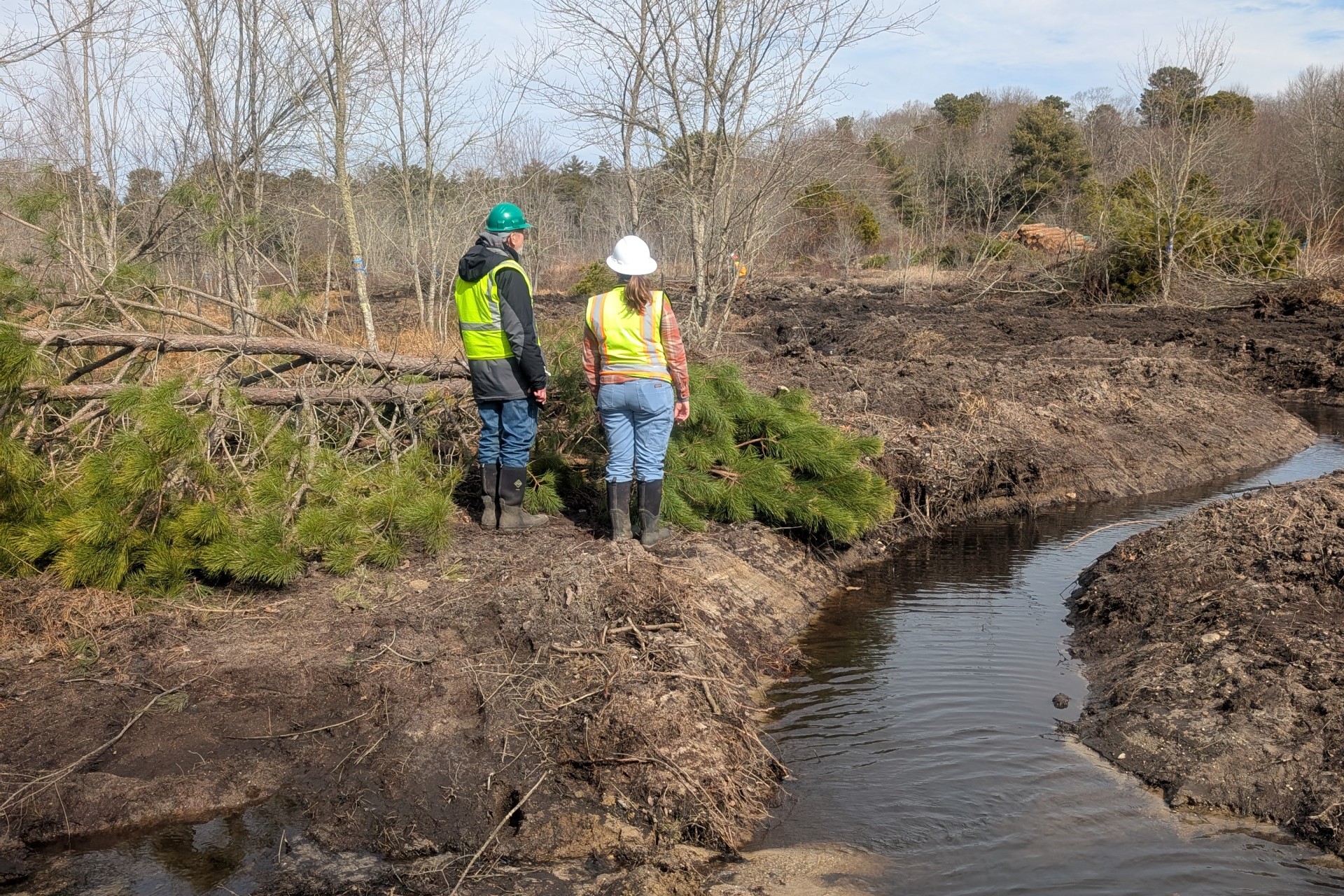
Mass Audubon’s Conservation Science team is hard at work to heal this extensive, ongoing damage on our property as well as on private and public land across the state. Our work supports healthy wildlife habitats and biological diversity.
Through policy updates, passionate advocates, and thoughtful restoration plans, we can reverse the damage that Massachusetts wetlands have accumulated.
Stay Connected
Don't miss a beat on all the ways you can get outdoors, celebrate nature, and get involved.