


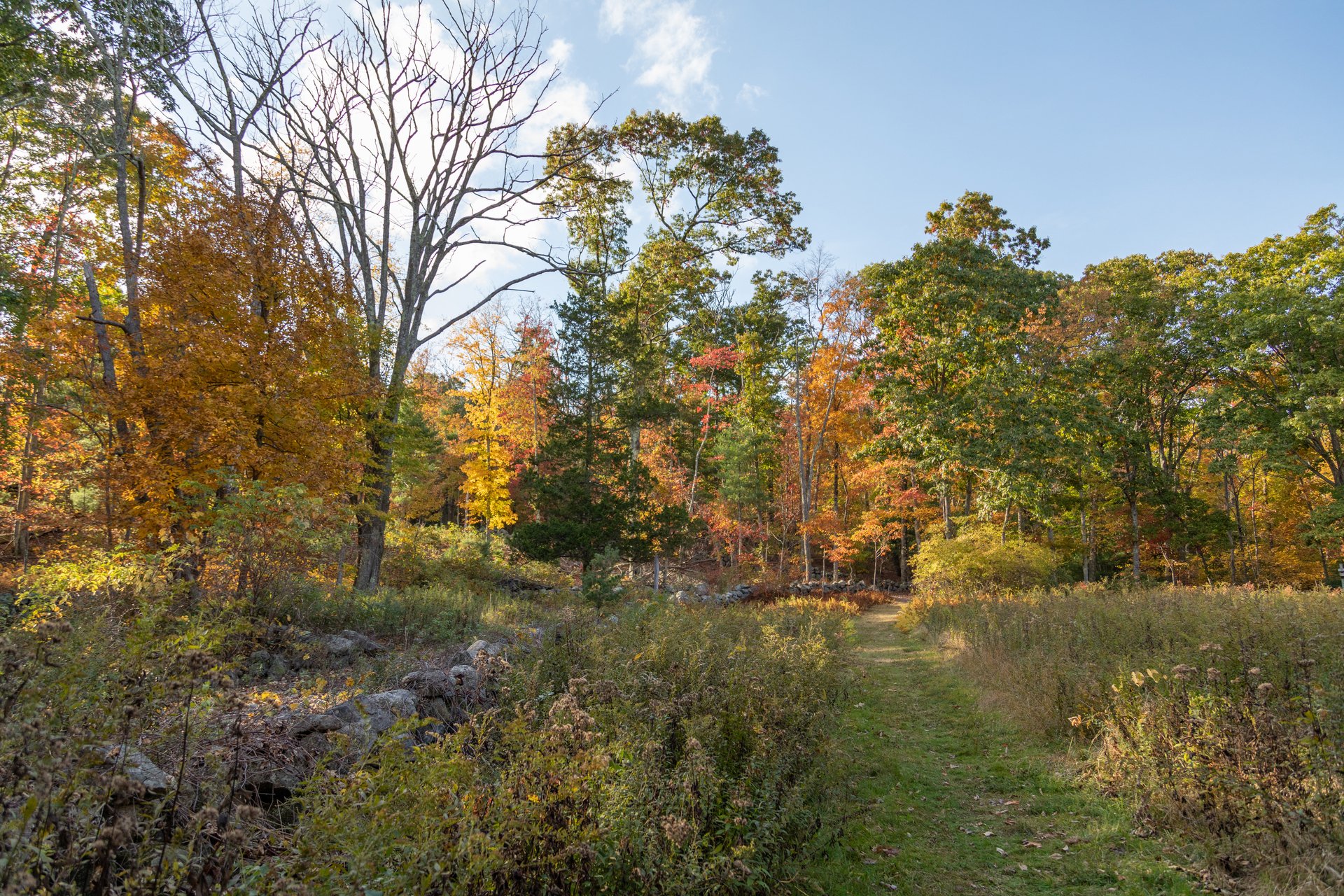
How one high schooler is bringing a vanishing bird back to a beloved wildlife sanctuary and inviting the whole community along.
Where Have All the Swallows Gone?
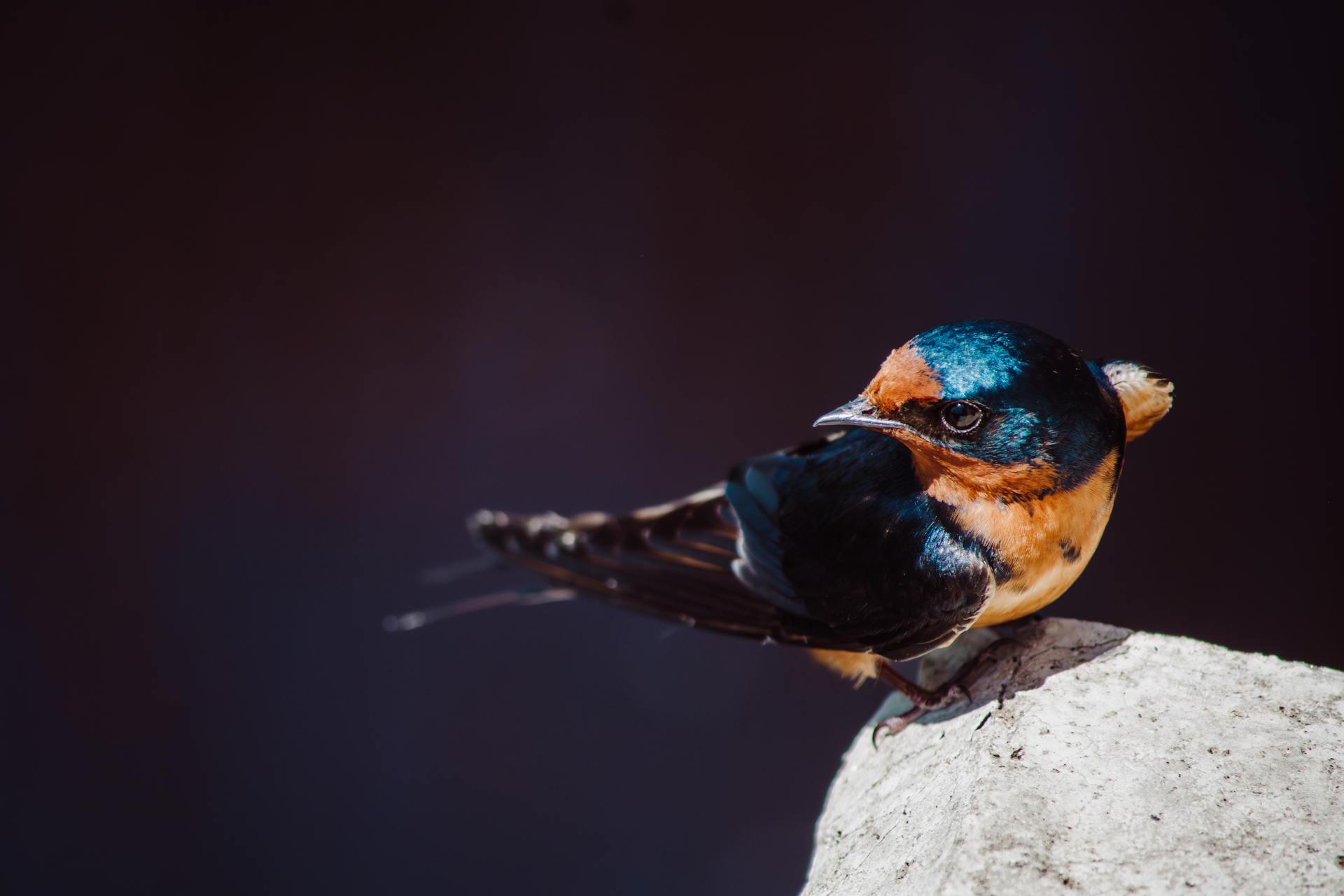
For generations, the steel-blue dart of a Barn Swallow skimming low over an open field was one of the most reliable signs of summer. Quick, acrobatic, and tied to the rhythms of American farm life, Barn Swallows (Hirundo rustica) were once everywhere. Today, they are quietly disappearing.
Over the past 50 years, Barn Swallow populations have dropped by more than 40% in Massachusetts and 35% across the United States. The causes are interconnected and stubborn: the old wooden barns and open structures they nest in are gone or sealed up; the flying insects they depend on for food have declined sharply; climate change is disrupting the timing of their migration and breeding; and human disturbance takes a steady toll.
At Moose Hill Wildlife Sanctuary in Sharon, Barn Swallows haven't been observed in over a decade. Yet less than ten miles away, they still nest under the bridge at Mass Audubon's Stony Brook Wildlife Sanctuary. The birds are close. How can we get them to come back?
A Student, a Sanctuary, and a Plan
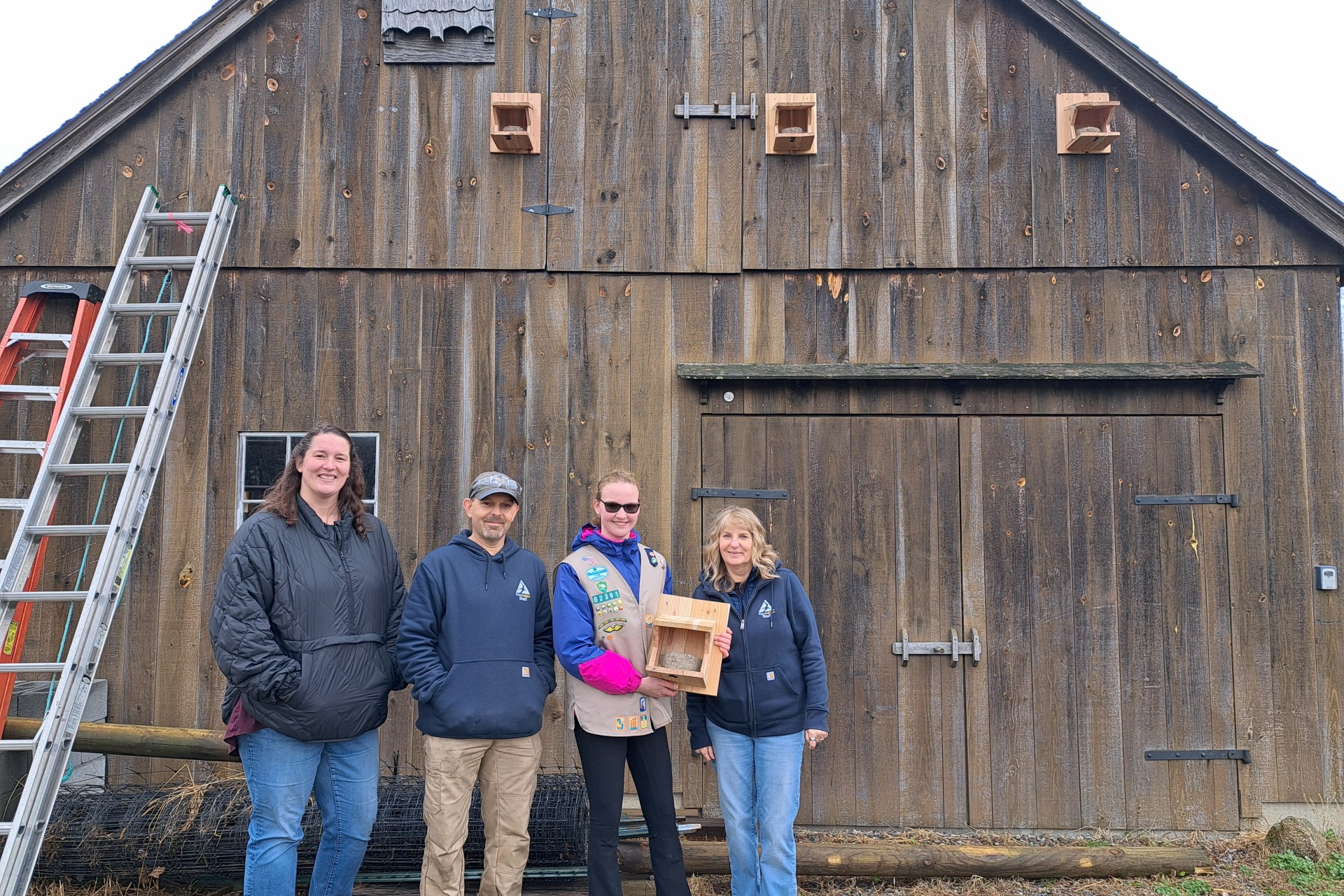
Beatrice Niehaus, a sophomore at Sharon High School, chose this challenge as the centerpiece of her Girl Scout Gold Award—the highest achievement in Girl Scouting, requiring a project of at least 80 hours that addresses a real community need and creates lasting impact.
Working in partnership with Moose Hill, Beatrice designed a project from the ground up: researching the species, consulting with conservation staff, designing and building nest shelves, coordinating installation, creating volunteer training materials, and launching an educational outreach campaign.
Building Swallow Nests
Barn Swallows are aerial insectivores: they catch flying insects on the wing, and they need nearby open fields to do it. They are also colonial nesters who prefer sheltered structures with high ceilings, like the interior eaves of an old barn.
With this in mind, Beatrice constructed 10 wooden nest shelves from cedar, each fitted with an artificial nesting cup made from a combination of paper mache and woodcrete—materials that mimic the mud-cup nests swallows build naturally. Eight shelves were installed under the eaves of the Moose Hill barn, four on each end, positioned to give the birds open flight paths to the surrounding fields.
Community Monitoring
Nest shelves alone won't bring the Barn Swallows back—it takes patient observation, reliable data, and a community willing to pay attention. A dedicated team of volunteers will visit the barn once per week from April through September, observing nest activity from a respectful distance and recording what they see. Observations can include nest building, egg-laying, chick rearing, fledging—and any activity from invasive House Sparrows, which can compete with Barn Swallows for nesting sites. All data is submitted to NestWatch, a Cornell Lab of Ornithology citizen science platform, making Moose Hill's observations part of a broader national dataset.
Spreading the Word
Alongside the installation, Beatrice launched a community education effort to help people understand why Barn Swallows matter and what decline looks like up close. She will be presenting the project to local Girl Scout troops and Sharon High School's Animal Club, and produced informational brochures for distribution at Moose Hill.
Looking Ahead
Barn Swallows are cautious. It may take three or more years for a colony to establish itself at a new site—so the goal in year one is modest but meaningful: at least one active nest. If that happens, it's a signal that the habitat is right and the birds are paying attention.
The larger vision is a self-sustaining, volunteer-supported monitoring program at Moose Hill—one that generates real data for conservation science, builds community investment in local wildlife, and demonstrates that individuals can make a measurable difference in species recovery. Barn Swallows eat thousands of insects per day per nest. Bring them back, and you bring back something the whole ecosystem benefits from.
This project was made possible through the support of Mass Audubon staff and conservation experts, local volunteers, students, the Girl Scouts of Eastern Massachusetts, and community members. Materials were funded through Girl Scout Cookie and Fall Product Sales and community contributions. It is, in every sense, a community effort—built shelf by shelf, observation by observation, and nest by nest.
Stay Connected
Don't miss a beat on all the ways you can get outdoors, celebrate nature, and get involved.