


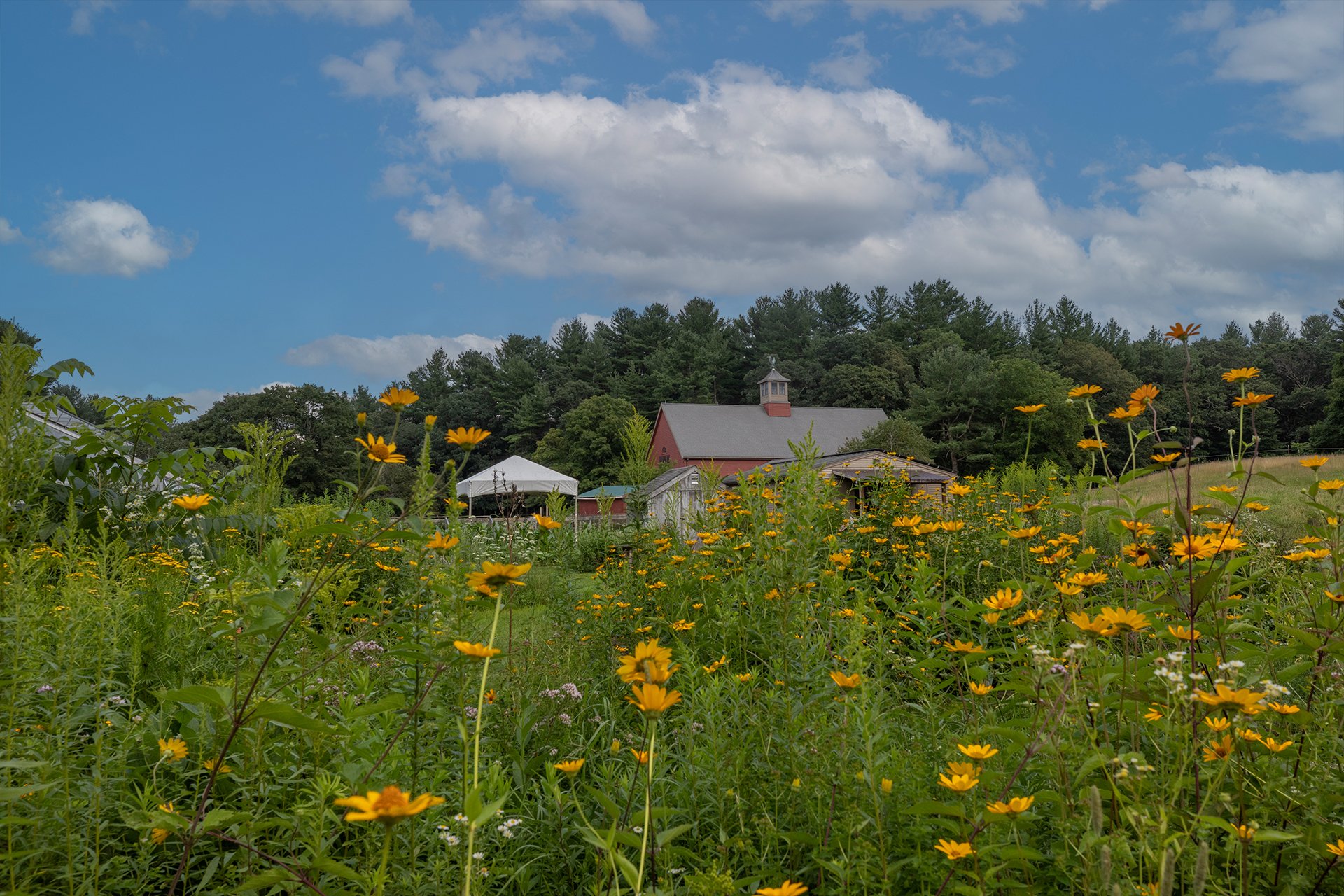
From two pint-sized donkeys to a fox with a one-of-a-kind coat, Drumlin Farm Wildlife Sanctuary has welcomed an exciting new group of animal residents in the past few months. Each newcomer has a story to tell, and together they'll help visitors discover the fascinating lives of farm animals and wildlife.
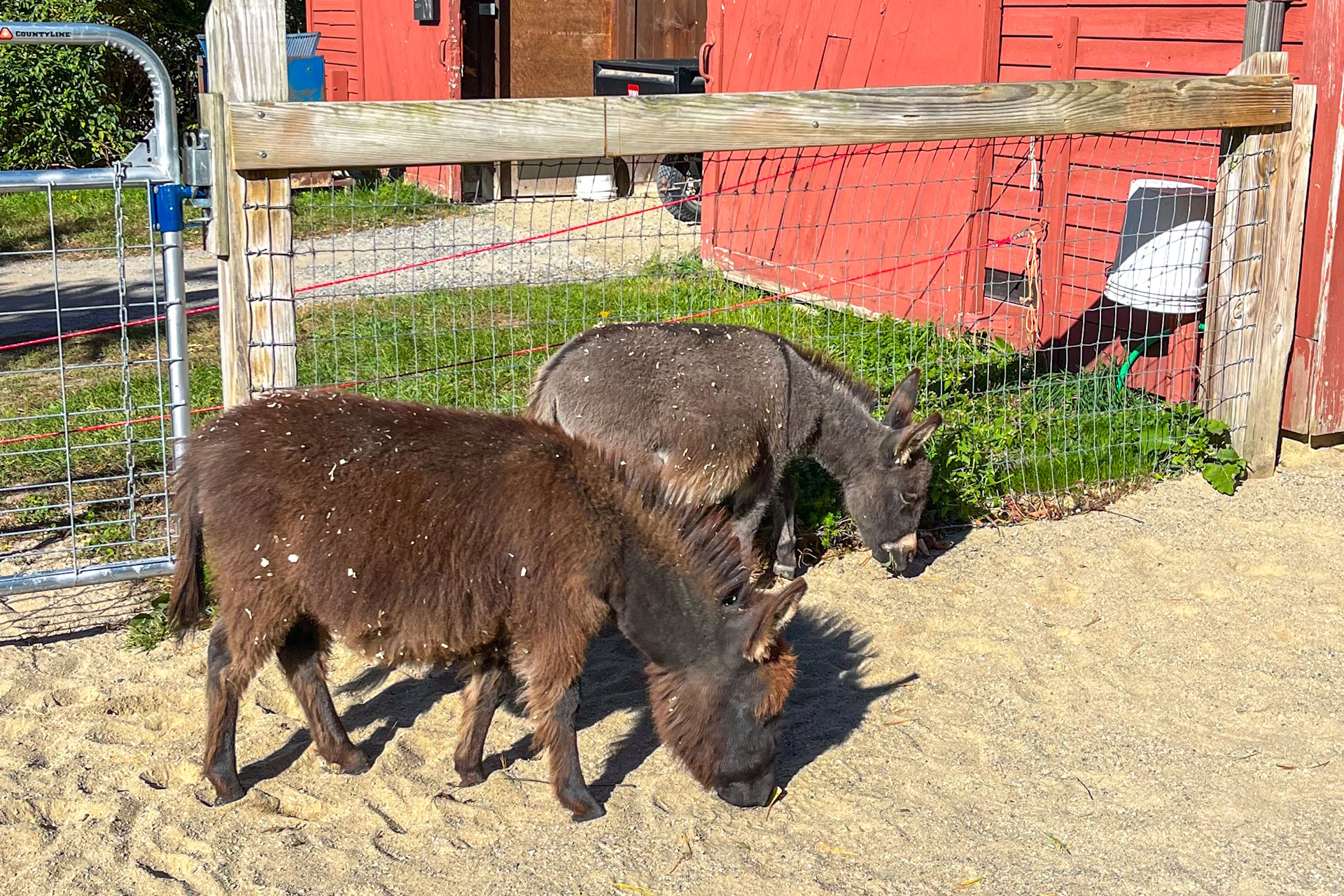
Vinny and Martin: Miniature Donkeys, Maximum Charm
The addition of two miniature donkeys to our farmyard has been a long time in the making! Vinny, a chocolate-brown gelding, and Martin, a gray-dun gelding with dark markings, are the first donkeys to join our flock in over 30 years. Although they came from the same place, were born just 20 days apart, and will share a home from now on, the two aren’t actually related—though we hope they’ll become like brothers over time.
Miniature donkeys may be small, but they have a remarkable history. Unlike other miniature animals, they aren’t just larger donkeys who’ve been bred to be smaller—their size is completely natural. Their ancestors came from the Mediterranean islands of Sicily and Sardinia, where people relied on them for generations to carry supplies, haul carts, and even turn grain mills. Today, these gentle, sociable animals make great companions.
Once they’ve gotten fully settled in, Vinny and Martin will become teachers in our educational programs and camps, helping show young people how to care for equines. You can visit them now at the Red Barn, and soon they’ll be out roaming the pasture as well.
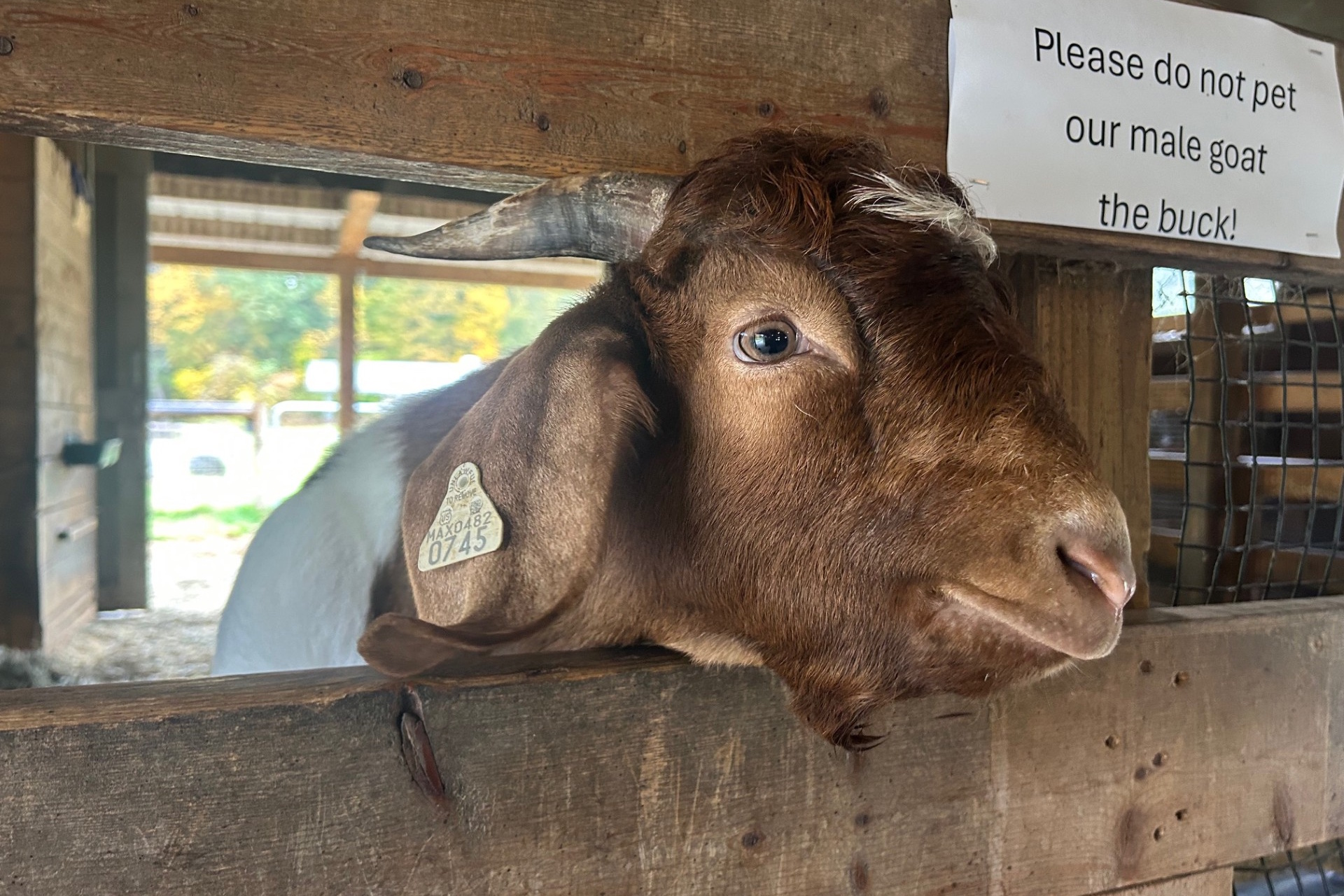
Friz: A Buck with a Big Task
There’s a new goat on the block: Friz, a 9-month-old purebred Boer buck. His name is a callback to Frizzell Hill Farm, where he came from. Boer goats originated in South Africa, where farmers developed the breed for their strength, adaptability, and sturdy build. He will play an important role on the farm, hopefully fathering many baby goats that will arrive in the spring. You can find Friz in the Goat Barn or the adjacent fields, growing bigger and stronger by the day.
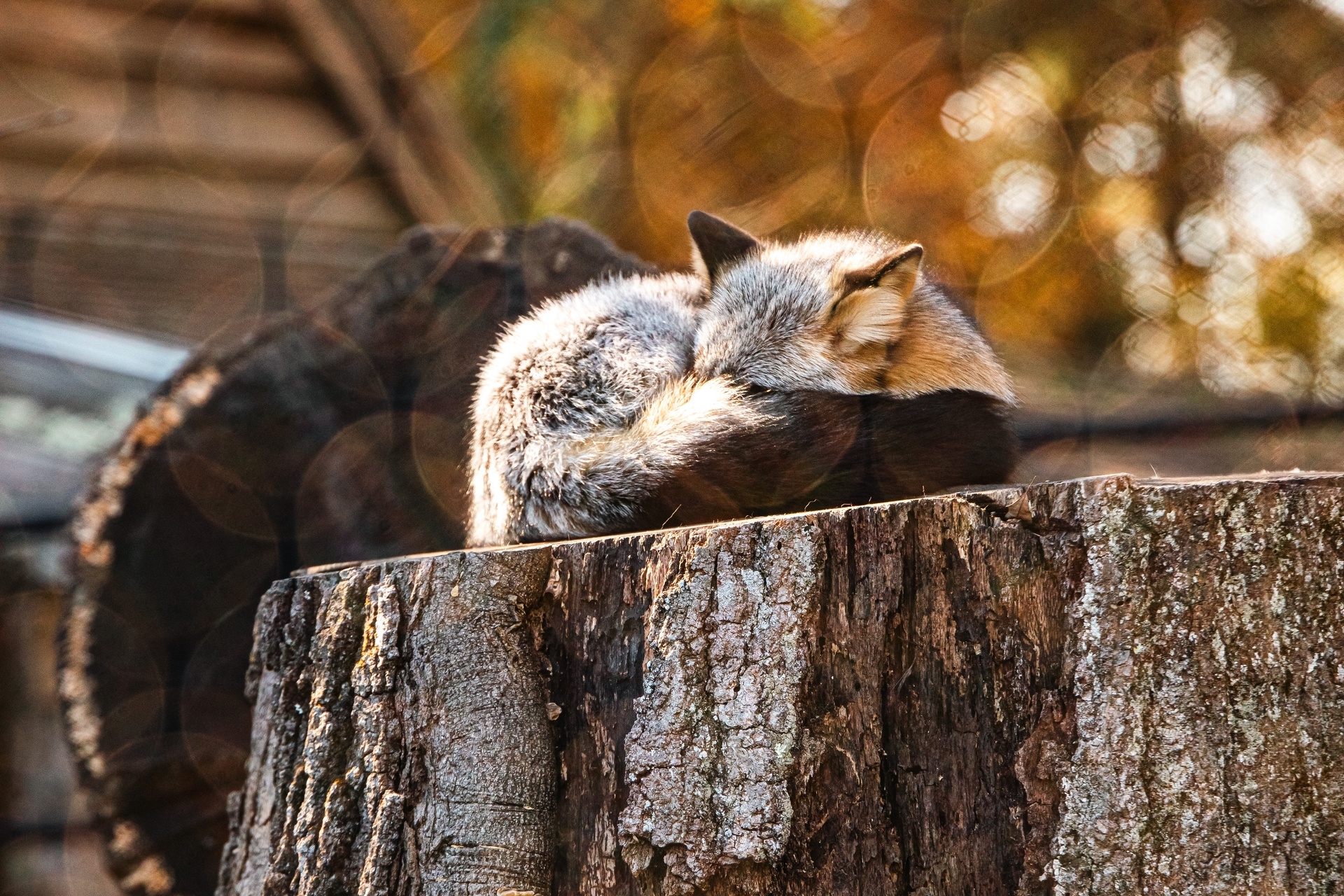
Twyla: Red Fox with an Unusual Coat
Our newest Red Fox, Twyla, looks a little different from our other two. Despite what their name suggests, Red Foxes can naturally display different coat colors, known as “morphs.” The familiar reddish-orange is the most common, but they can also be silver-gray or even black. One of Twyla’s parents was a gray morph while the other was a traditional red; as a result, his fur displays a unique mix of colors.
Twyla’s name is short for Twilight, the time of day when foxes are most often out hunting. Born in March, Twyla arrived from another independent wildlife sanctuary as part of a surprise litter. Two of his siblings also reside at Blue Hills Trailside Museum in Milton.
It didn’t take long for Twyla to get comfortable with his new roommates Boots and Zorra, and he is now officially out and about in our fox enclosure. You can visit the enclosure anytime the sanctuary is open; you’ll likely find him chasing Boots around in circles or taking a nap curled up in the sun.
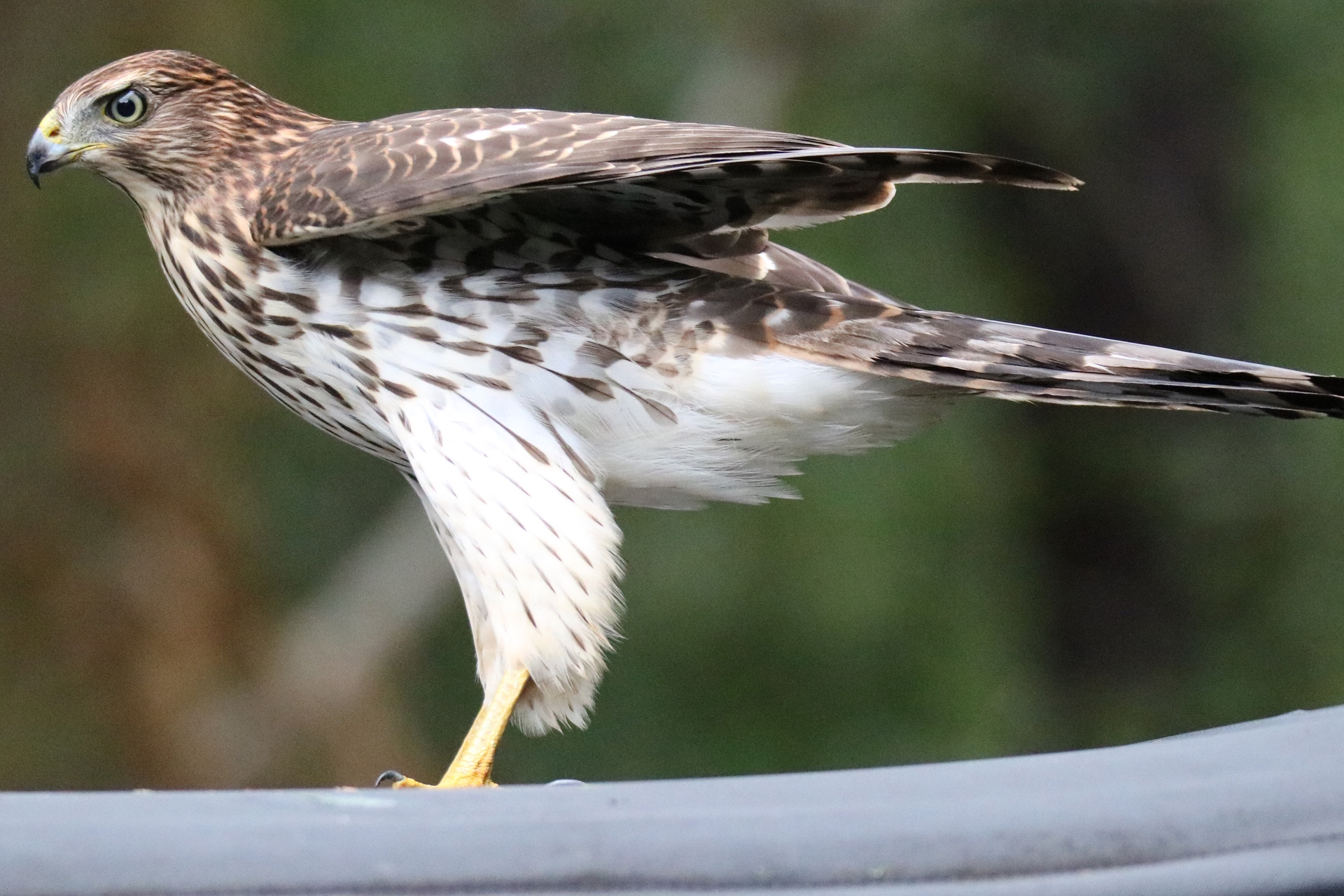
Red-shouldered Hawk: A Second Chance to Soar
Another Red-shouldered Hawk has joined our ranks as a wildlife ambassador. She came to us all the way from a wildlife rehabilitation facility in Maitland, Florida, after being found as a fluffy nestling that had fallen from her nest. Although she has no lasting physical injuries, she didn't pass her flight assessment and could not be released safely into the wild.
Now, she has a permanent home at our wildlife care center. Though she is not out on exhibit for regular visitation, she will join many of our educational programs, helping people learn about birds of prey and their amazing adaptations as well as the challenges wild animals sometimes face. She may also make an appearance during Drumlin Farm events.
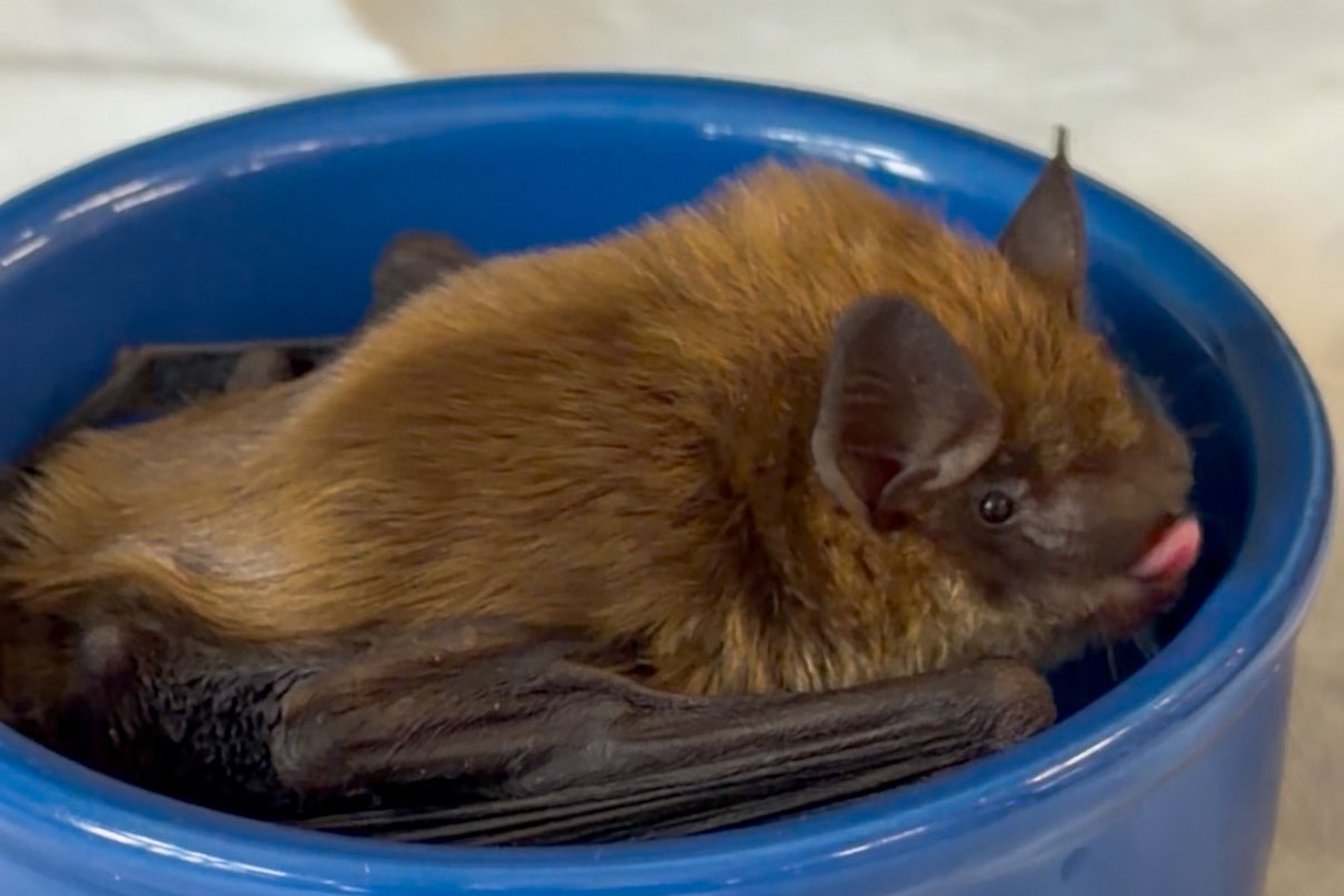
Big Brown Bats: From Orphans to Ambassadors
Last but certainly not least, we have welcomed two Big Brown Bats who were rescued as orphans by a Massachusetts wildlife rehabilitator. One has a congenital eye injury and cannot fly, while the other has never flown for reasons that remain unknown. They will be in good company with Merlin, our current Big Brown Bat (you can never have too many).
Big Brown Bats are among the most common bat species in Massachusetts. They play an important role in controlling insect populations, especially beetles and other agricultural pests. Like many bats, they use echolocation to navigate and hunt in the dark, emitting high-frequency sounds and listening for the echoes that bounce back from nearby objects and prey.
Like the Red-shouldered Hawk, our new bats will remain behind the scenes, joining our wildlife ambassador team on educational programs. They’ll be doing some very important work: helping people discover why bats matter and how we can protect them in the wild.
About Our Wildlife Ambassadors
Beyond our farm animals and the wildlife you can visit out on Bird Hill and over at New England Wildlife Explorations, Drumlin Farm is home to over 70 animals representing dozens of species native to Massachusetts who join us on educational programs both on and offsite. These animals are integral to our mission of connecting people with nature and conservation.
Stay Connected
Don't miss a beat on all the ways you can get outdoors, celebrate nature, and get involved.