


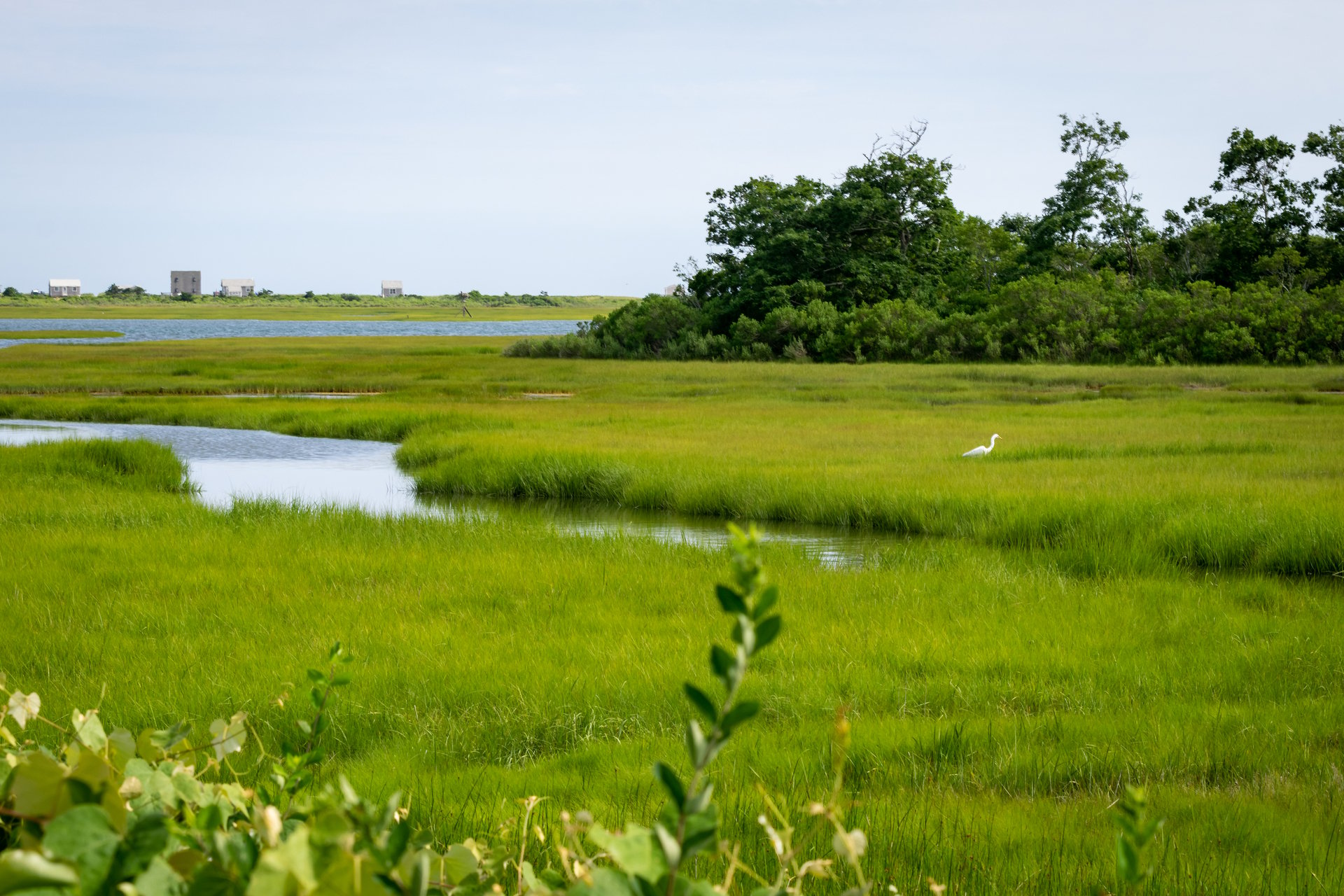
At Allens Pond Wildlife Sanctuary, conservation isn’t just a mission—it’s a daily practice. This year, a suite of hands-on projects are transforming the sanctuary’s habitats, nurturing native species, and ensuring this coastal ecosystem can thrive for generations to come.
Salt Marsh Restoration
 |
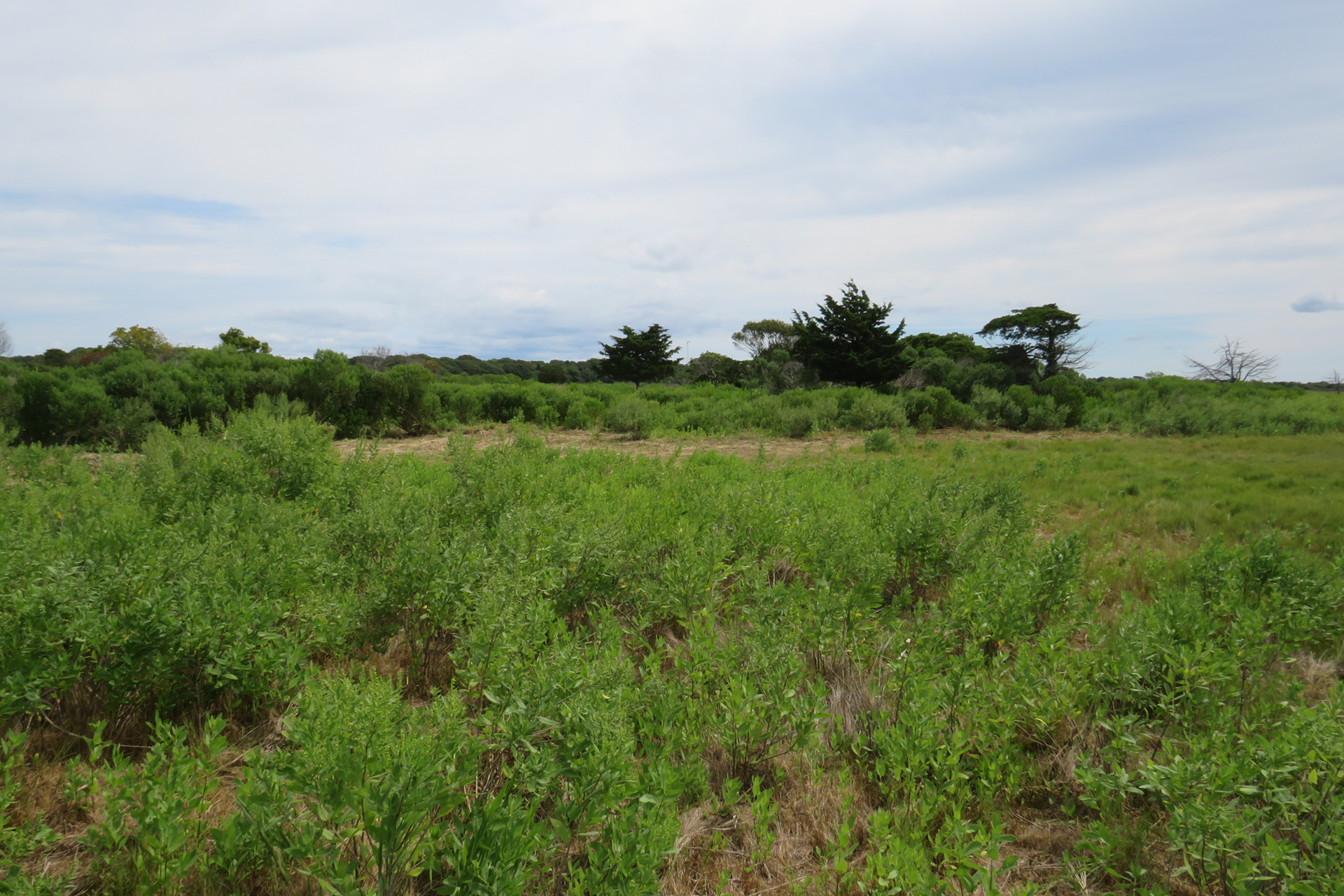 |
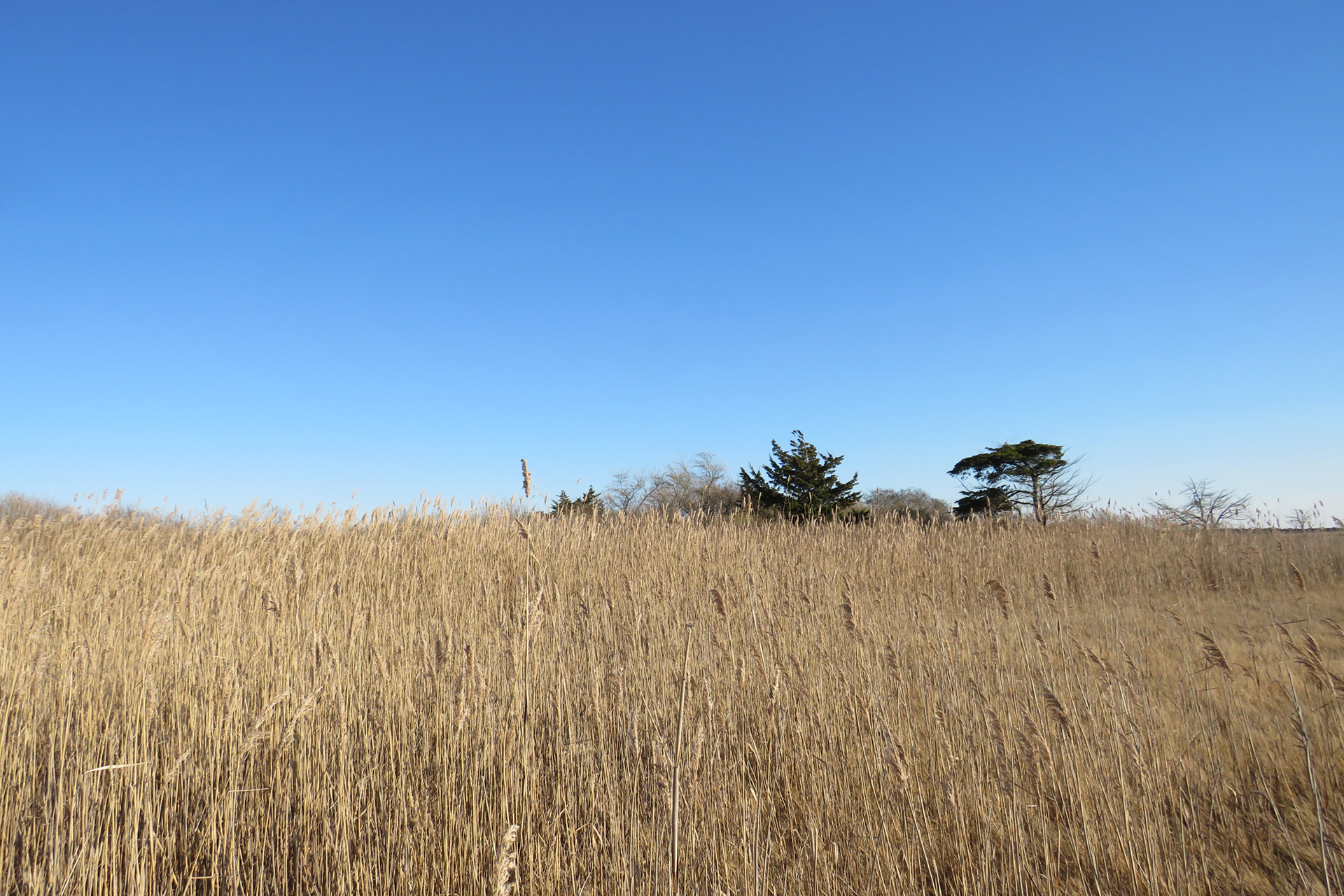
Salt marsh habitat restoration at Allens Pond Wildlife Sanctuary. In December 2023 (left), a dense stand of invasive Phragmites dominated the site; after clearing, by August 2025 (right), native plants had already begun to reclaim the landscape.
Mass Audubon staff are taking important steps to restore salt marsh habitat at the Allens Pond Wildlife Sanctuary and prepare our coastline for the impacts of climate change. By improving the health of these critical wetlands, we’re protecting wildlife, strengthening natural defenses, and building a more resilient future.
In 2025, our dedicated staff and volunteers spread over 200 pounds of native seeds to help restore and strengthen our natural landscapes, removed 10 truckloads of marine debris from the salt marsh and tidal creeks, and shared the value of salt marshes with more than 3,400 people through community events, field trips, and afterschool programs.
See the transformation for yourself by walking the Grassland and Quansett Trails. Native plants take time to establish, so be sure to visit often and watch the landscape evolve with each season.
Protecting Salt Marsh Sparrows

Saltmarsh Sparrows face serious threats to their survival, and without intensive conservation efforts, scientists warn that they could become extinct by 2050. Allens Pond Wildlife Sanctuary plays an outsized role in saving this species, with a significant portion of the global Saltmarsh Sparrow population breeding in the sanctuary’s salt marsh.
Mass Audubon monitors these birds through banding and nest surveys to understand how habitat restoration can help this vulnerable species. This year, the team banded 393 Saltmarsh Sparrows and monitored 117 nests, with more than 60% successfully fledging young. Nests were even documented in recently restored salt marsh areas—an encouraging sign that restoration efforts are working.
Coastal Waterbird Monitoring
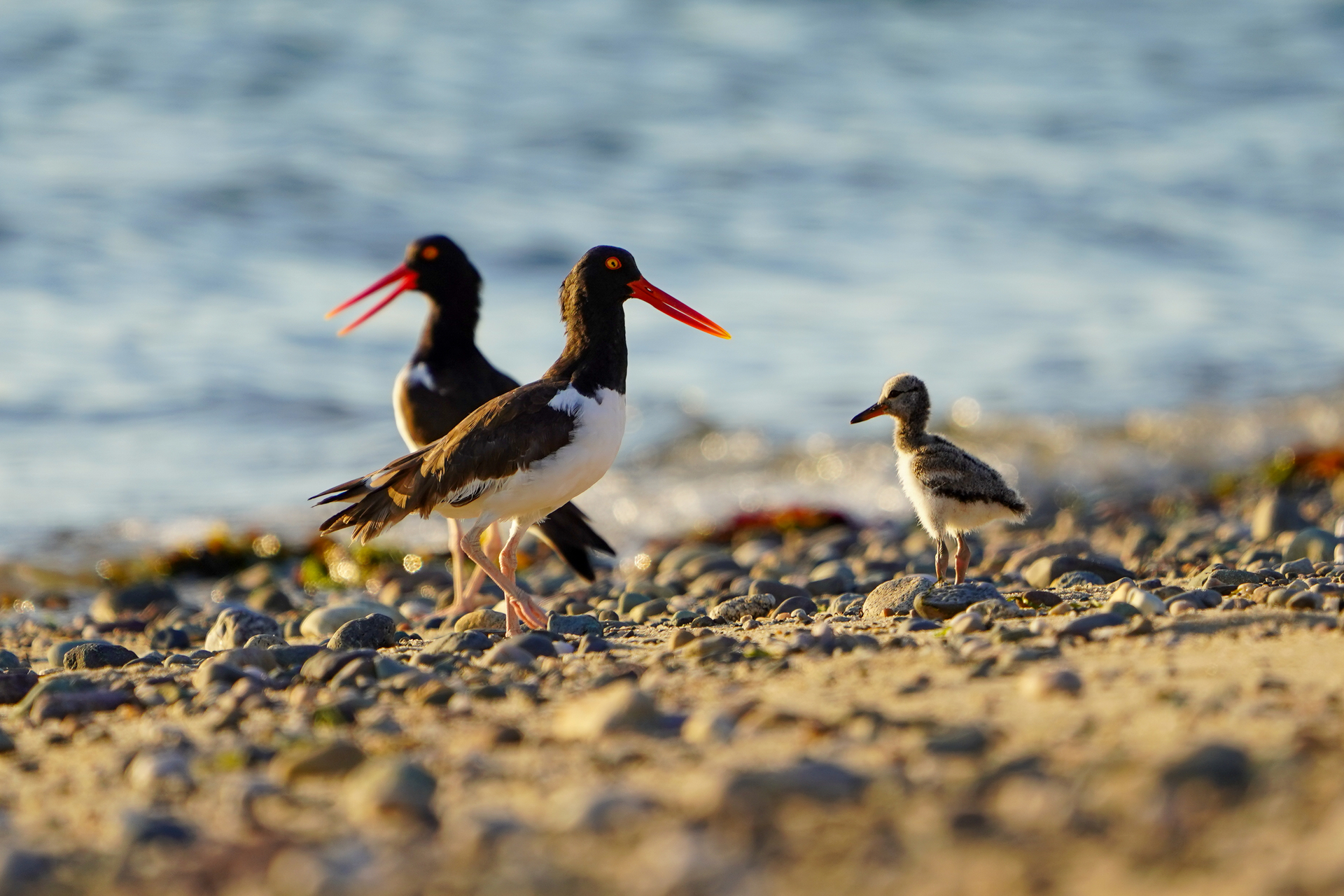
Mass Audubon’s Coastal Waterbird Program monitors and protects nesting Piping Plovers, Least Terns, and American Oystercatchers at Allens Pond throughout the breeding season. As North American coastal birds continue to decline at an alarming rate, this work directly reduces human impacts on vulnerable species.
Monitors installed and maintained protective fencing and educational signs and engaged beachgoers with real-time guidance on how to share the shore responsibly. Thanks to these efforts, Piping Plover nest productivity rose sharply from 2024, averaging more than one chick fledged per nesting pair.
South Coast Osprey Project
 |
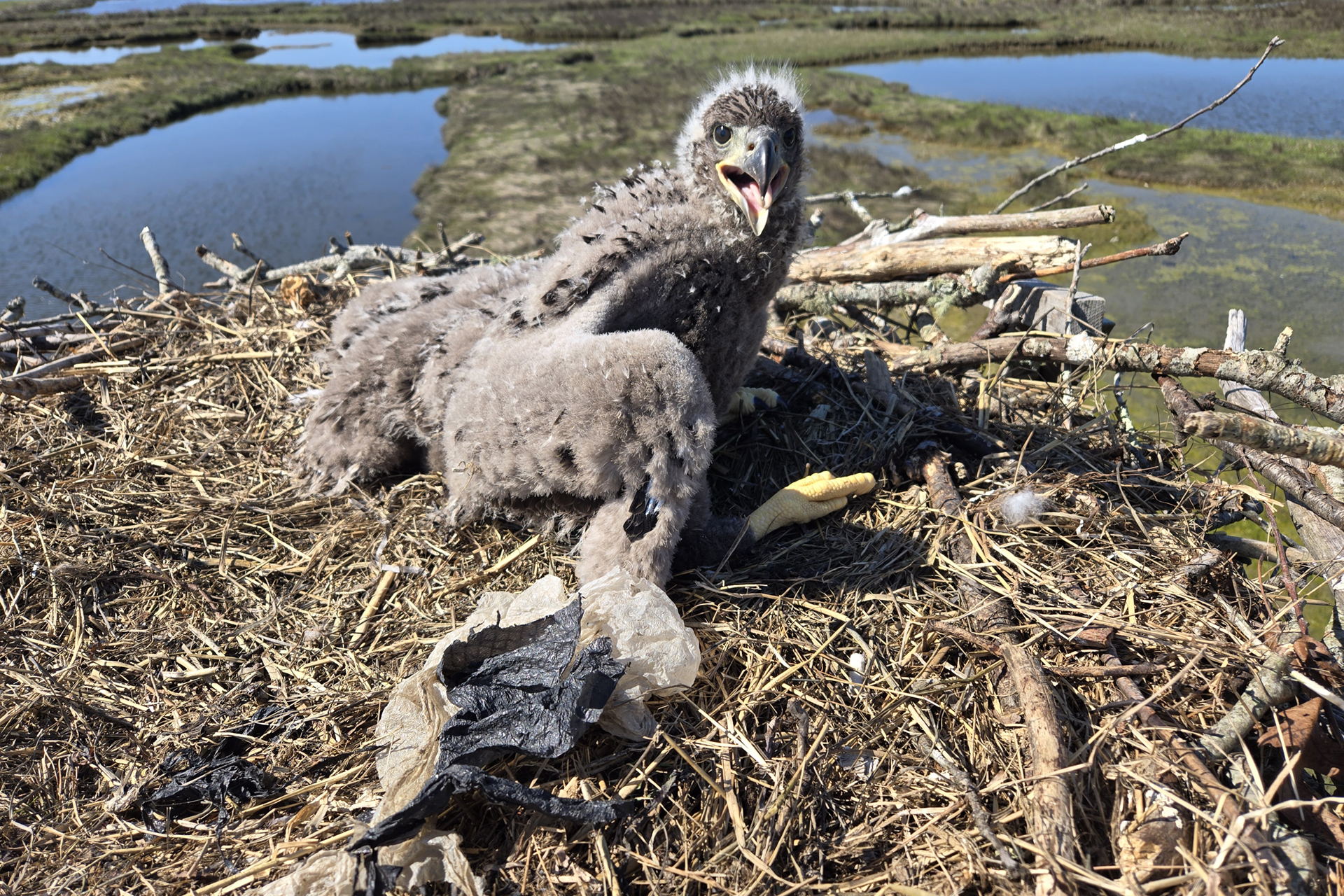 |
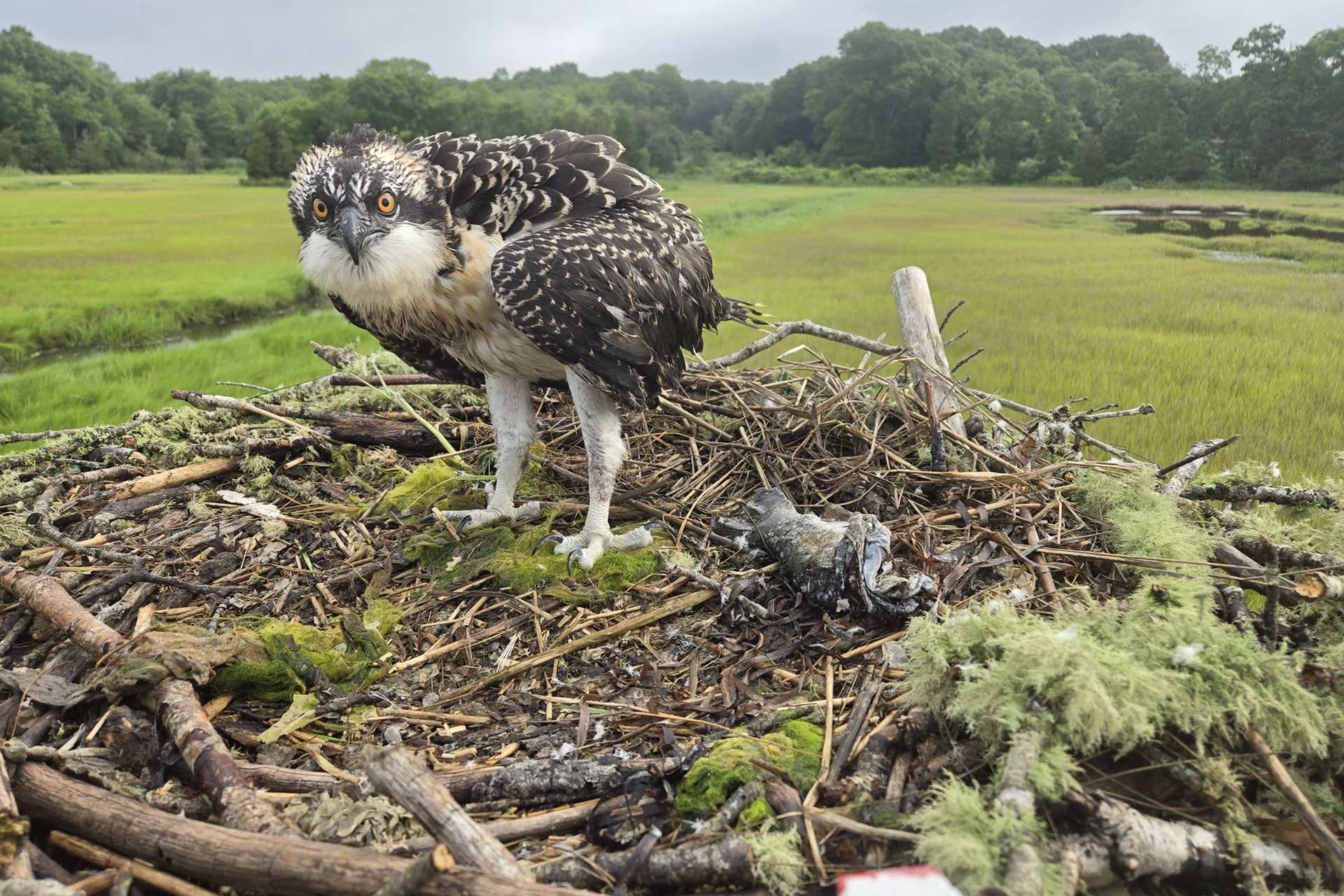
Juvenile Osprey about to receive its USGS identification band (left). Down river, a newly hatched Bald Eagle asserts its claim to an Osprey platform (right).
Through the South Coast Osprey Project, Mass Audubon monitors Osprey breeding activity on more than 100 nesting platforms on Allens Pond and the Westport River, one of the state’s designated Important Bird Areas. In 2025, staff and volunteers documented 91 breeding pairs that successfully fledged 70 chicks, including 15 at Allens Pond. By tracking local Osprey numbers, we contribute to researchers’ understanding of how well the species can withstand sea-level rise, increasing storm activity, and changes in fish availability.
This year, we welcomed some first-time residents to the marsh neighborhood: a family of Bald Eagles! The clever parents arrived before the Ospreys and claimed a nesting platform on the Westport River, where they fledged two chicks.
The project’s impact extends beyond the commonwealth, through a partnership with the Illinois Endangered Species Recovery Project. While Ospreys in Massachusetts made a dramatic comeback after the banning of DDT and the construction of nesting platforms in the 1970s, Ospreys in Illinois remain a state-listed threatened species. By translocating 12 Osprey chicks each year, conservationists aim to reestablish thriving breeding colonies in Illinois.
Restoring Coastal Shrubland and Freshwater Wetland
 |
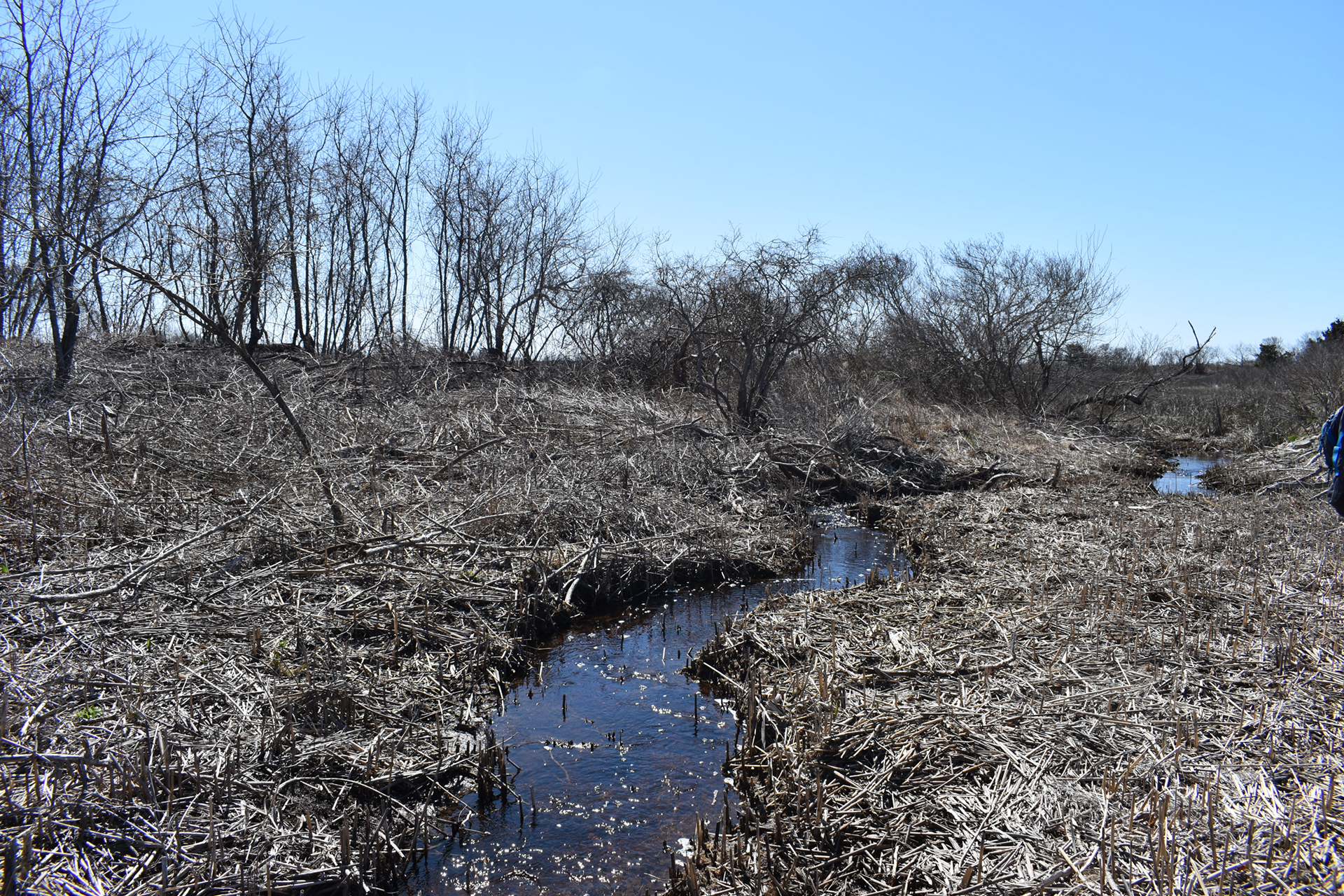 |
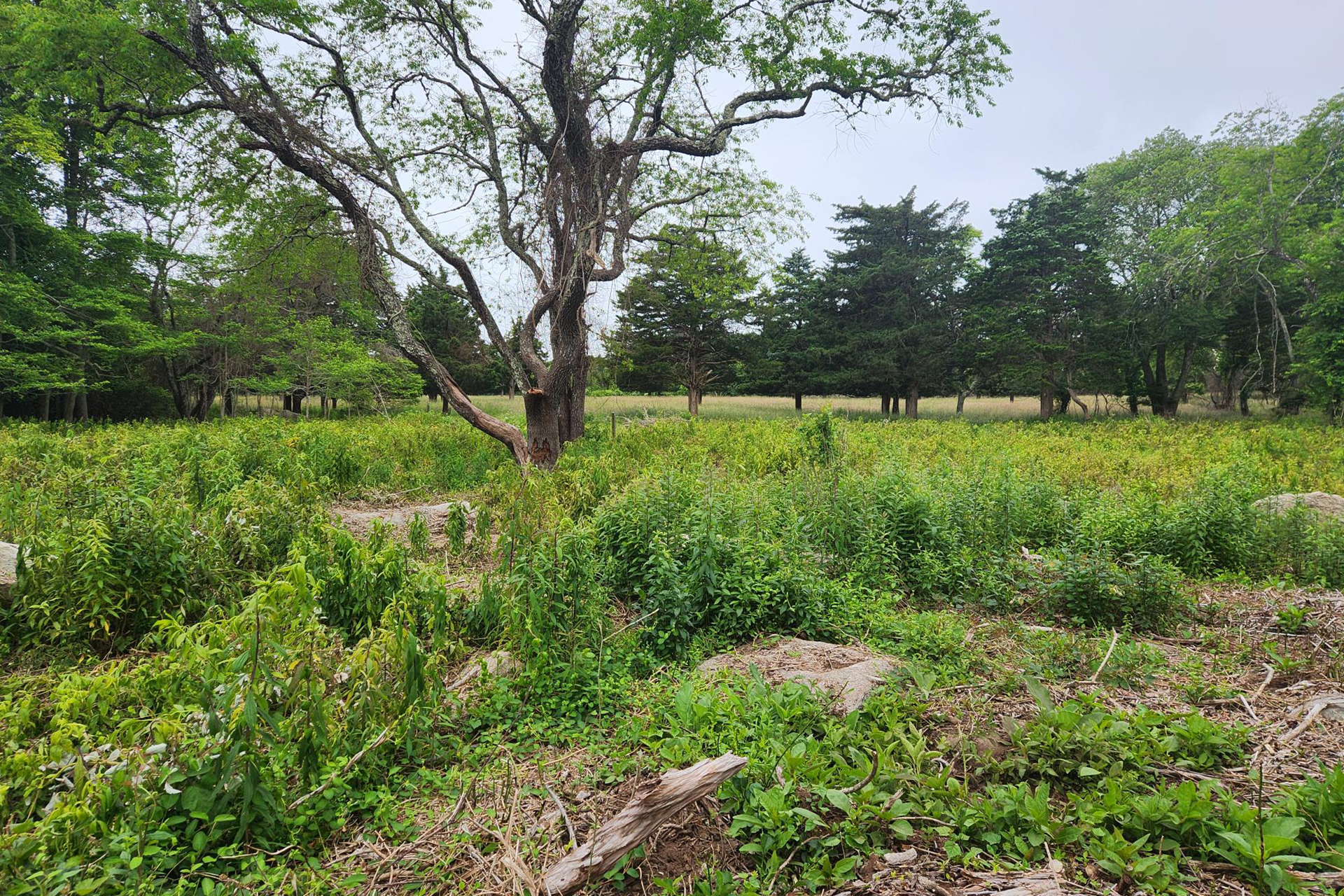
Restored upland area with emerging native grasses and flowers (left) and post restoration seasonal stream (right).
The Mass Audubon team is undergoing a major effort to protect the vital upland and young forest habitat at Allens Pond. Throughout 2025, staff and volunteers cleared invasive plants, restored natural hydrology to two seasonal streams in the sanctuary’s watershed, and improved a 40-acre freshwater stream buffer. This year, the team spread more than 100 pounds of native seed across the project site to accelerate recovery.
By boosting native plant communities and reestablishing natural water flow, the project strengthens the sanctuary’s resilience to climate impacts and safeguards habitat for priority species.
Walk the Boulder Loop to witness upland restoration taking shape, then continue on to the Grassland, Quansett, Beach Loop, and Fresh Pond Trails to follow the story of wetland recovery across the landscape.
Special Thanks
Thank you to all our volunteers who have dedicated their time and energy to making a positive difference in our corner of the world. An extra special thanks to the Trail Blazers, determined volunteers who spend every Friday morning working to maintain the sanctuary’s more than seven miles of trails.
This work is made possible by the generous individual and corporate donors whose contributions help Allens Pond thrive, and through support from the Southeast New England Program funded by the U.S. Environmental Protection Agency, as well as funding from the Van Sloun Foundation, Robert F. Schumann Foundation, the Sarah K. de Coizart Article TENTH Perpetual Charitable Trust, and the Island Foundation.
Stay Connected
Don't miss a beat on all the ways you can get outdoors, celebrate nature, and get involved.