


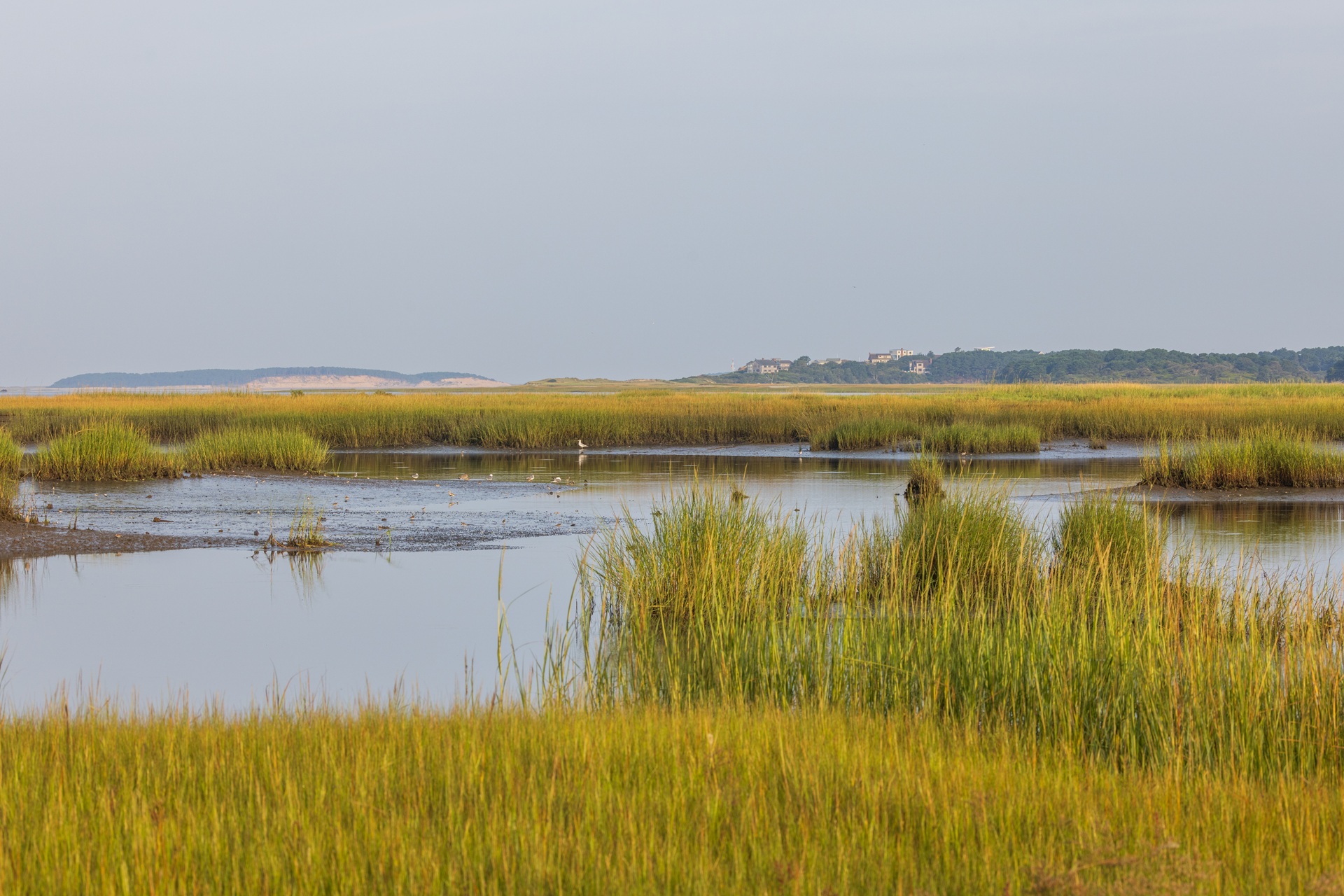
Mass Audubon’s new salt marsh restoration framework guides precise and effective restoration action.
Massachusetts is home to approximately 48,500 acres of valuable salt marsh–about the size of Cambridge, Somerville, and Brookline combined–which is more than any other state in the Northeast. Salt marshes are important habitats and nurseries for fish, birds, and wildlife. They also buffer storm surge, improve water quality, store and sequester significant amounts of carbon, and provide benefits for coastal communities.
However, these vital habitats are in decline. They are exposed to a myriad of modern threats, including development, climate change, excess nutrients, altered sediment supply, and sea level rise 3 to 4 times higher than the global average. Centuries of farming practices, including digging ditches that cause marsh platforms to collapse, have also contributed to their degradation.
Without swift and meaningful interventions to protect and restore these systems, our coastal environment as we know it—both human and natural—could collapse.
The good news? Salt marshes respond to restoration, and with a targeted strategy we can rebalance the natural flow of tidal water and sediments to extend the life of many salt marshes.
That's why Mass Audubon's Ecological Restoration Program has developed a GIS-based framework tool, the Salt Marsh Framework, to identify salt marshes with the most urgent need for intervention and provide suggestions for potential management, restoration, and conservation. This novel framework will help drive action at the right places, at the right time, and with the right approach.
New Salt Marsh Framework Makes Informed Decisions
Mass Audubon's Salt Marsh Framework not only influences Mass Audubon's salt marsh restoration work but also helps other organizations involved in land protection and restoration along the coast to be similarly thoughtful in their projects and priorities.
How it Works
The Salt Marsh Framework uses publicly available geospatial data gathered mostly by state and federal agencies to score salt marshes statewide by their:
1. Current condition
How is the marsh doing today?
2. Migration potential
Is there room and appropriate land nearby for the marsh to migrate toward?
3. Future trajectory
Will the marsh decline in the future, and how fast?
= Combination of scores provide guidance focused on PROTECTION, RESTORATION, & MIGRATION.
From there, the tool can add in layers of important context, such as whether the marsh is a known breeding area for at-risk species, including the Saltmarsh Sparrow; downstream of a former cranberry bog that can provide migration space; or near underserved communities that stand to benefit from healthier wetlands and cleaner water.

The Framework at Work
One example of this tool already having an impact is on the Westport River in southeast Massachusetts. The Town of Westport was concerned about the loss of its salt marshes, especially the islands in both branches of the river. Pairing the data from the framework with community input and ongoing studies, Mass Audubon was able to provide recommendations to the Town of Westport that forged a path forward for future funding and restoration action.
Pushing Conservation Forward
The Salt Marsh Framework is designed not only to help Mass Audubon advance its work but to help other organizations across the Commonwealth work together to reach our collective land conservation and restoration goals and preserve the landscapes that make Massachusetts special.
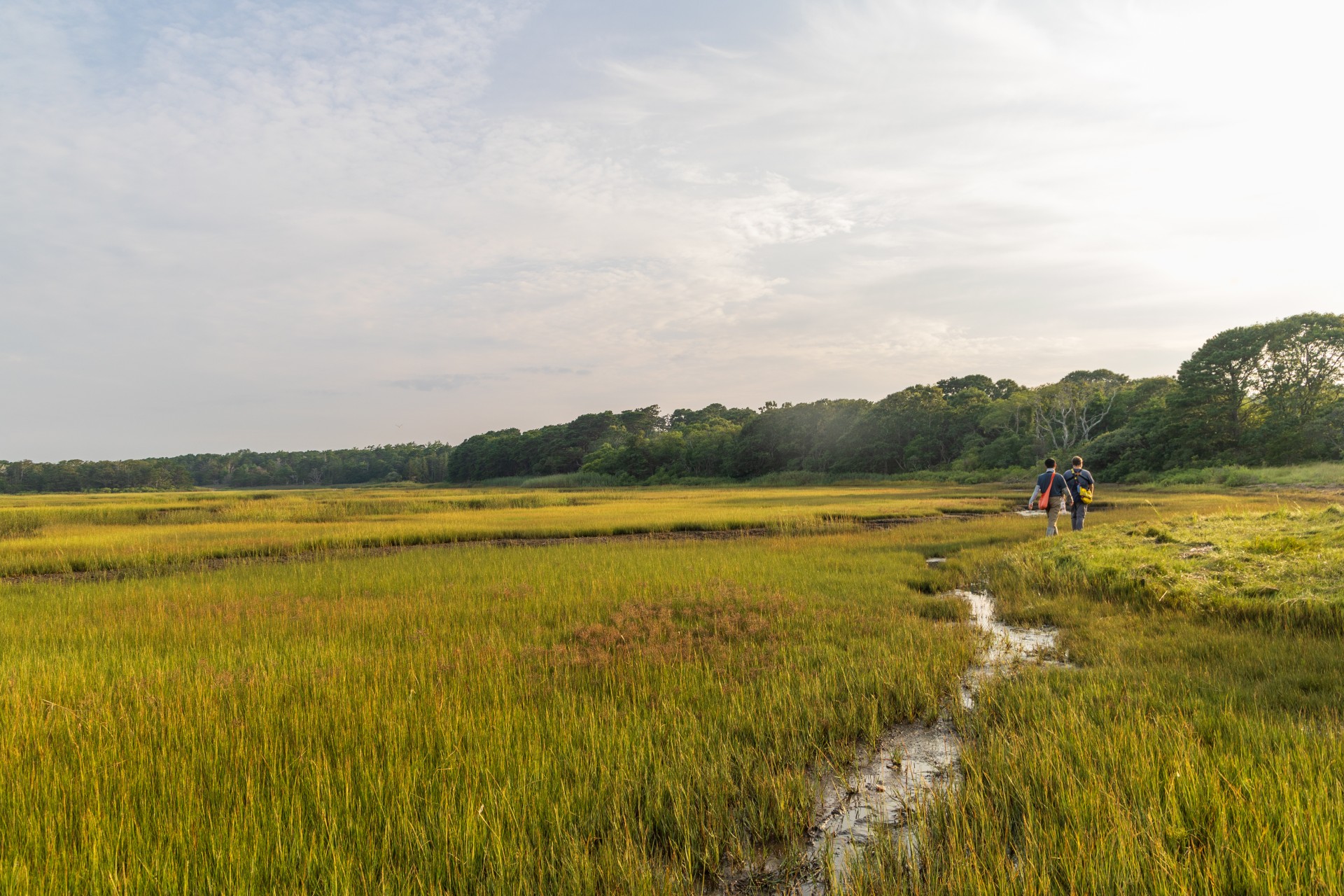
How We're Building a More Resilient Coast
Leveraging land conservation and restoration, species protection, and advocacy to support Massachusetts’s coast in a changing climate
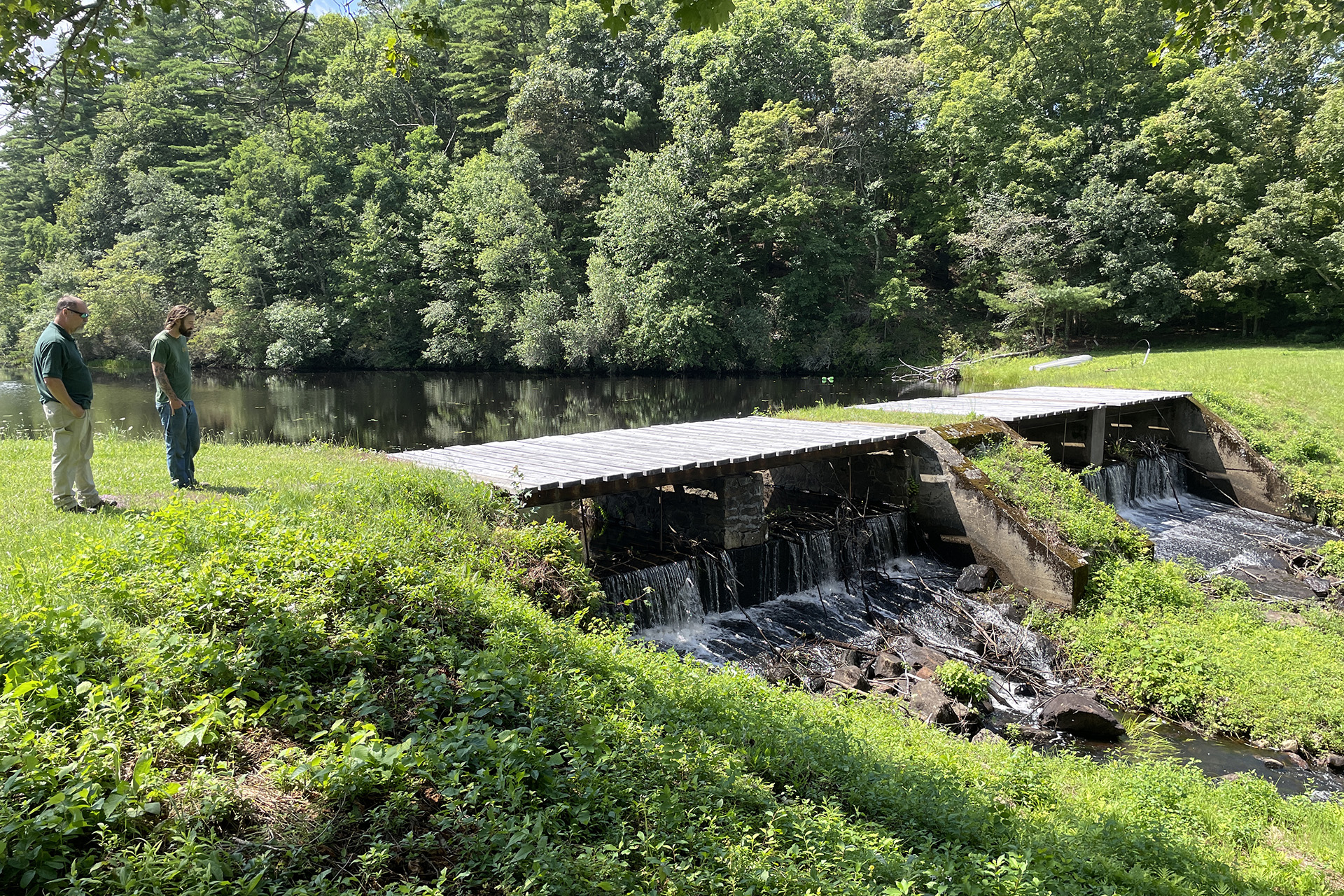
Removing Barriers to Biodiversity at Vinica Brook
Mass Audubon has teamed up with the Norcross Wildlife Foundation to remove barriers, restore the watershed, and revitalize Vinica Brook from the damage caused by its historic use.
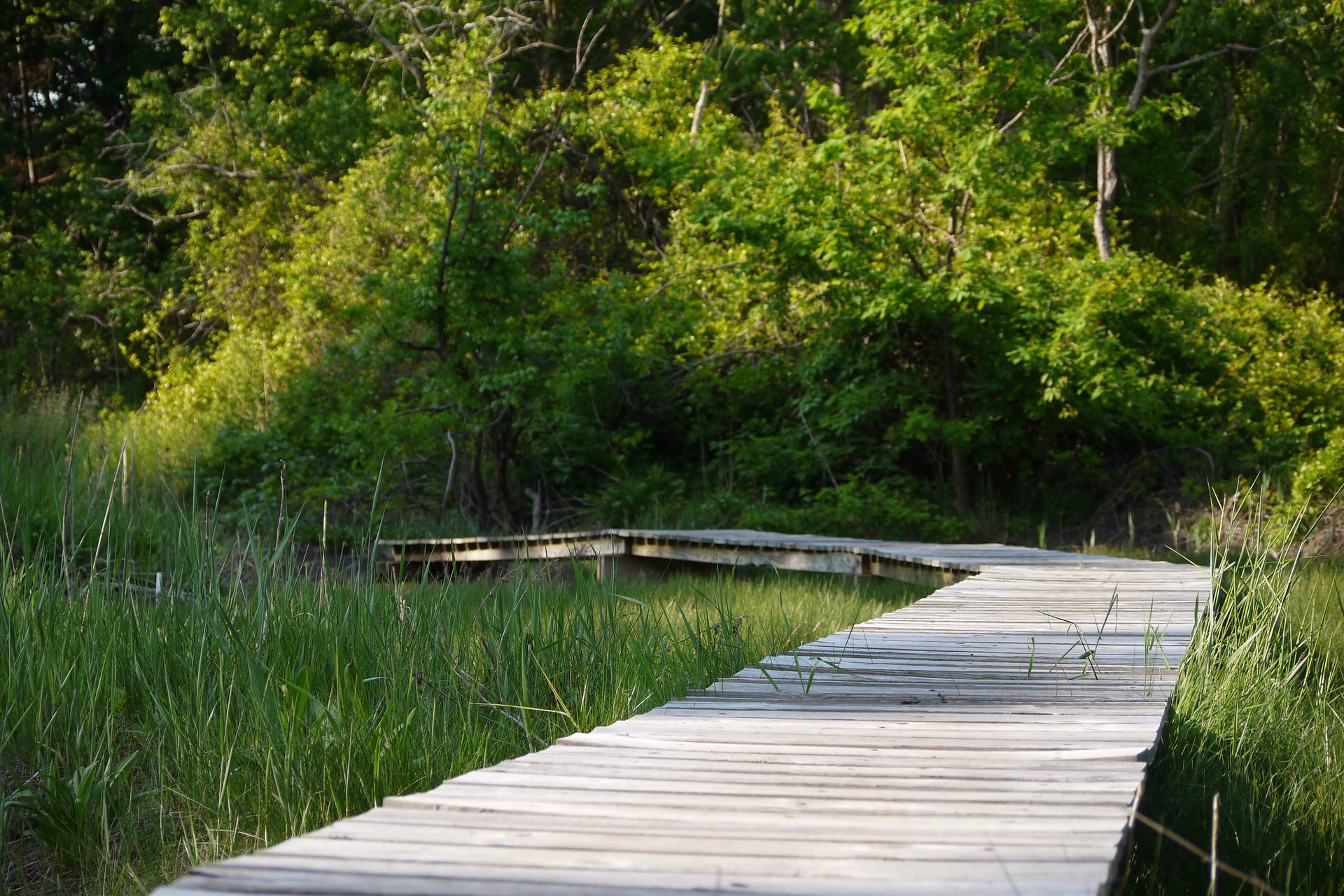
Native Habitat Revived Thanks to Community Effort at Nahant Thicket
At Mass Audubon’s Nahant Thicket Wildlife Sanctuary in Nahant, staff and local residents recently rolled up their sleeves to remove invasive plant species and prepare the ground for more than 300 native plantings—a major step toward restoring the ecological balance of this unique coastal sanctuary.
Stay Connected
Don't miss a beat on all the ways you can get outdoors, celebrate nature, and get involved.