


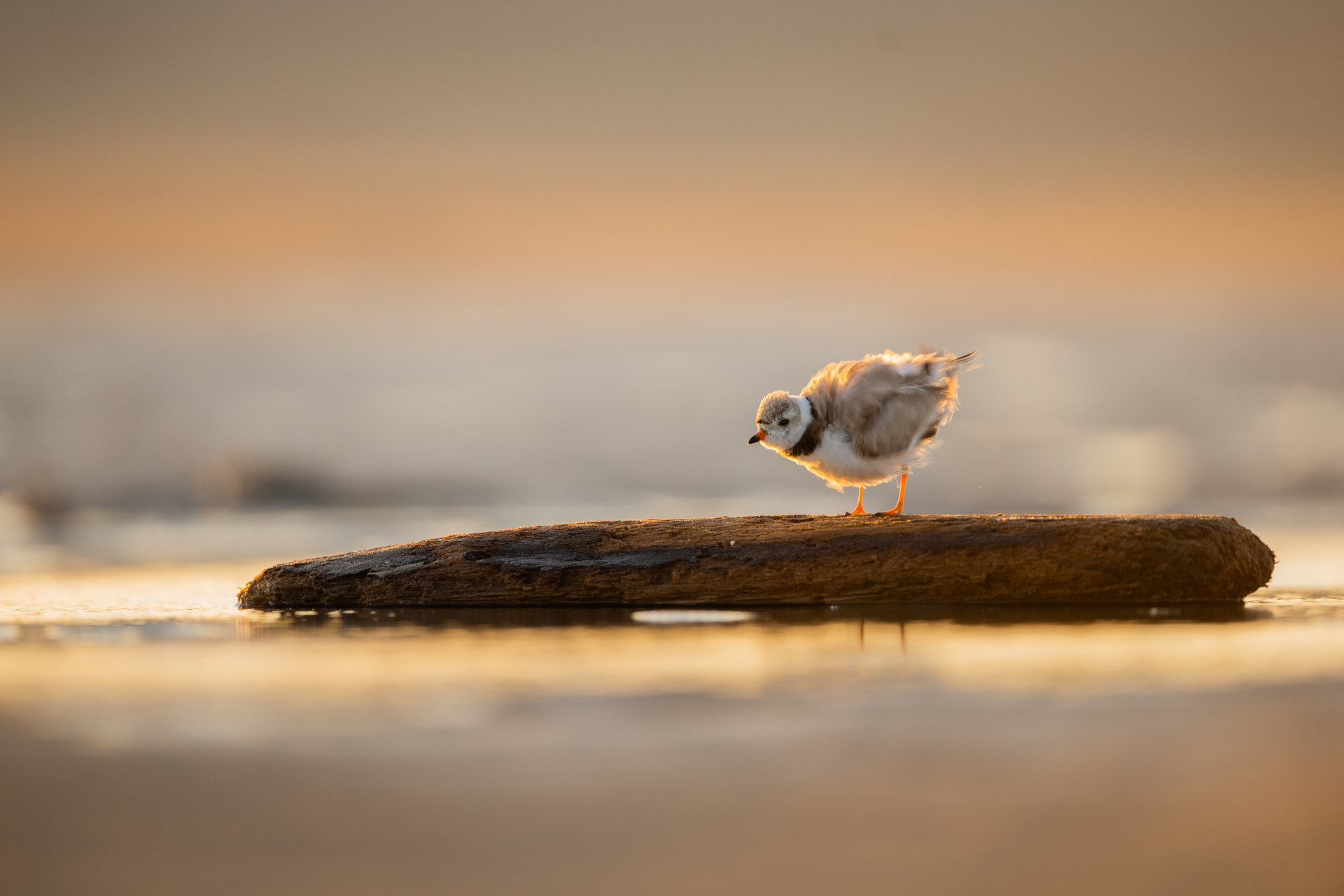
Go Wild for Piping Plovers
Massachusetts is for (P)lovers
Meet the pint-sized shorebird making one of the Atlantic Coast's greatest comebacks.
Blink and you might miss these charismatic coastal waterbirds. When Piping Plovers aren't camouflaged in the intertidal zone, they're darting across the sand on a blur of spindly legs. Once pushed to the brink, these tiny birds now showcase one of Massachusetts’ biggest conservation success stories, still shaping how we care for our coast today.
This month, as part of our yearlong celebration of wildlife, we're showing love for a tiny bird that delights Massachusetts coastlines: the Piping Plover.
Small Bird, Big Personality
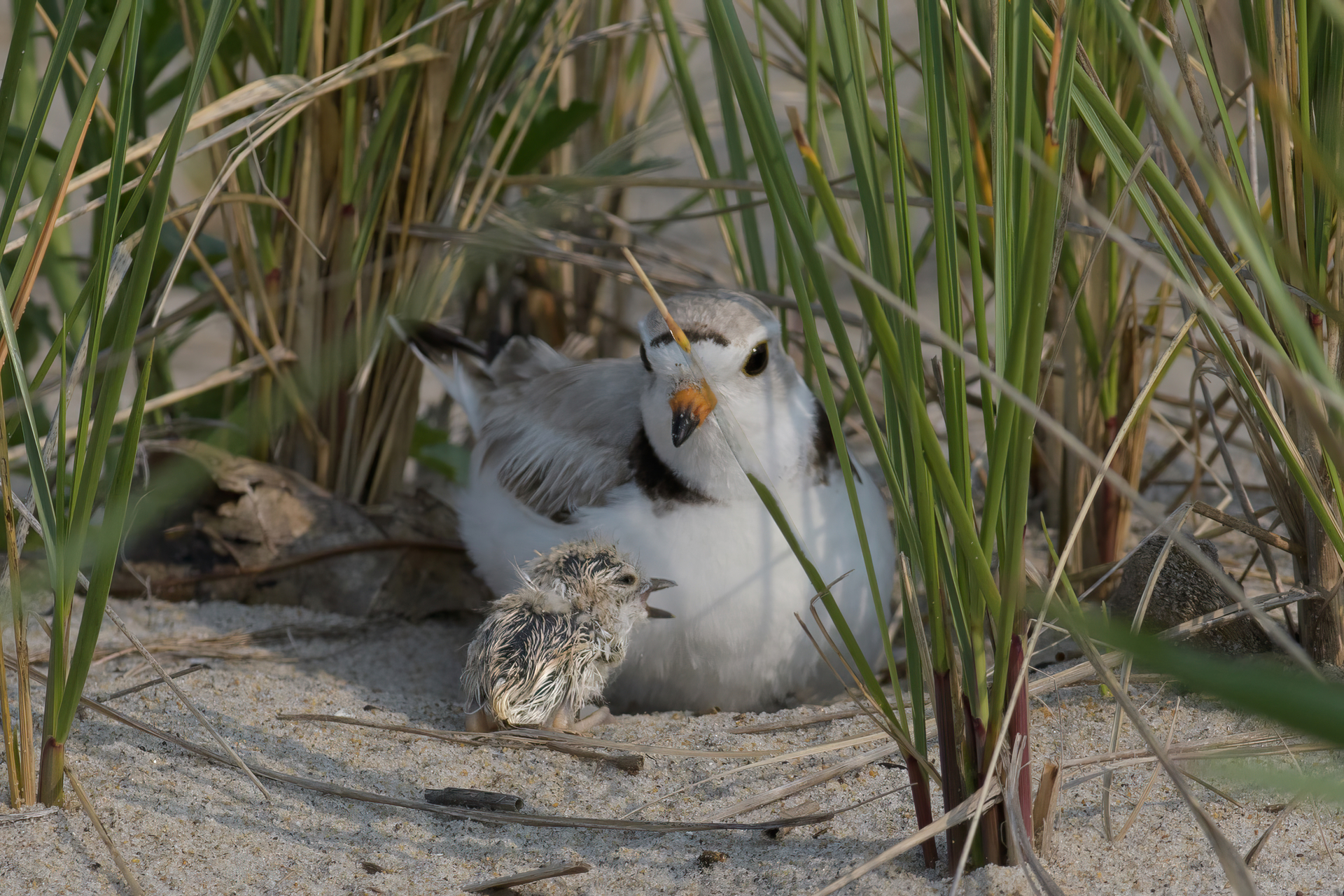
The clear, plaintive peep-lo puts the "piping" in Piping Plover. More often than not, you'll hear one before you ever see it. Their sandy, pale plumage is near-perfect camouflage and their chicks are the size of cotton balls with legs. Stop moving, and a plover can seem to vanish into the beach entirely.
But if you can spot one, they’re a delight to watch. Piping Plovers have a way of capturing both hearts and camera lenses. They're a regular favorite in our annual Photo Contest, and it's easy to see why.
-
 Piping Plover © Matt Filosa
 -
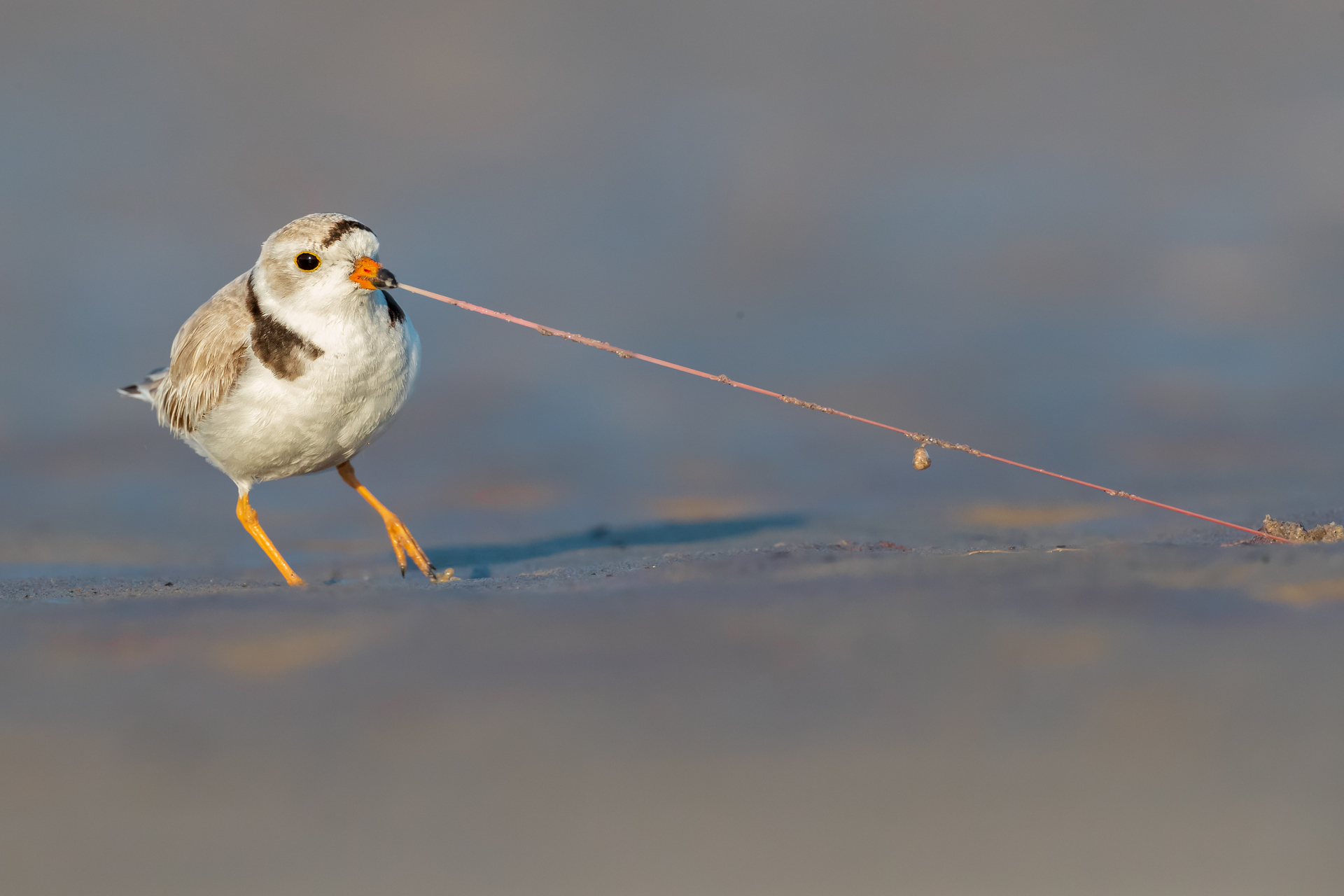 Piping Plover © Matt Filosa
 -
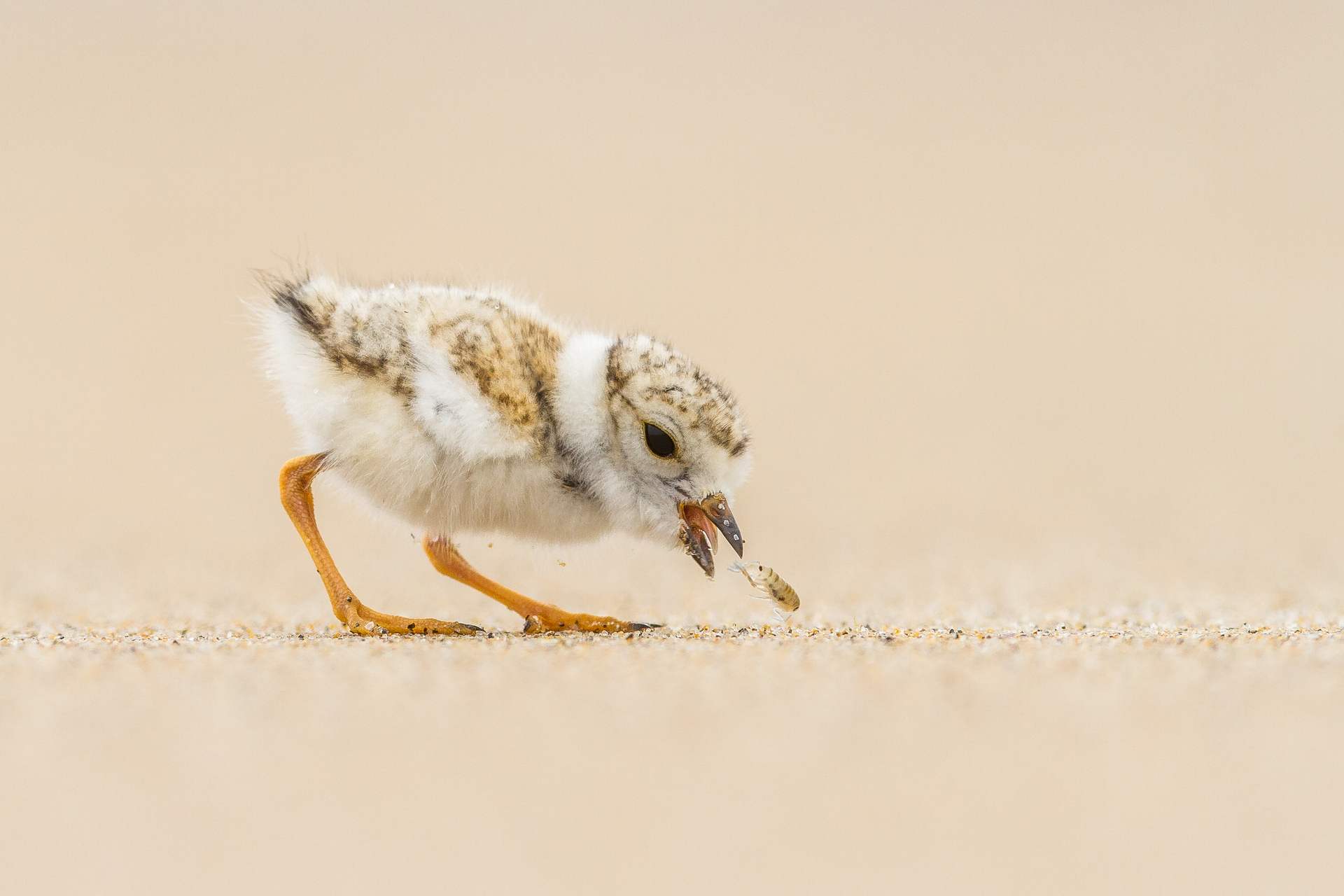
-
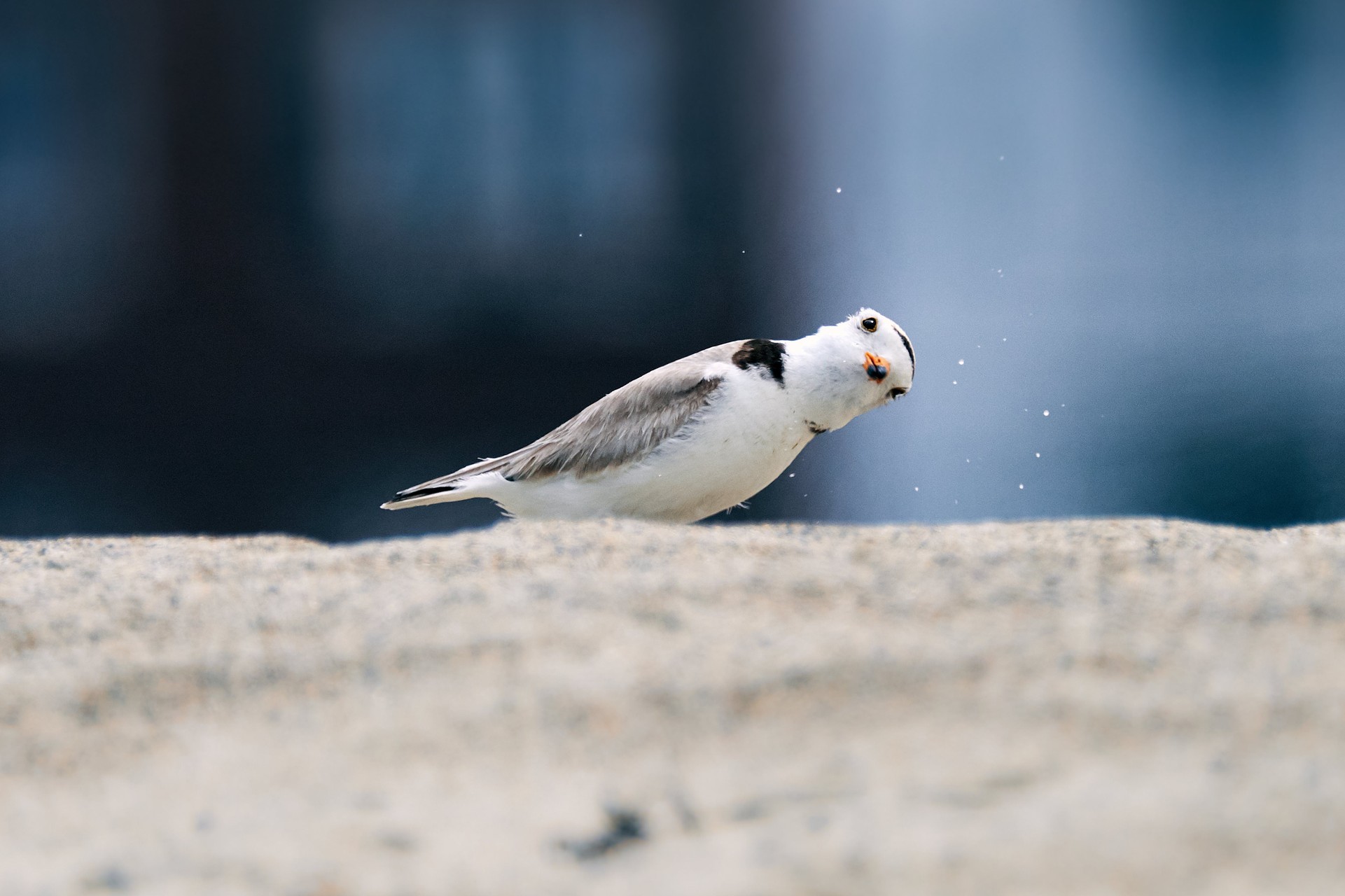 Piping Plover © Shawn Ward
 -
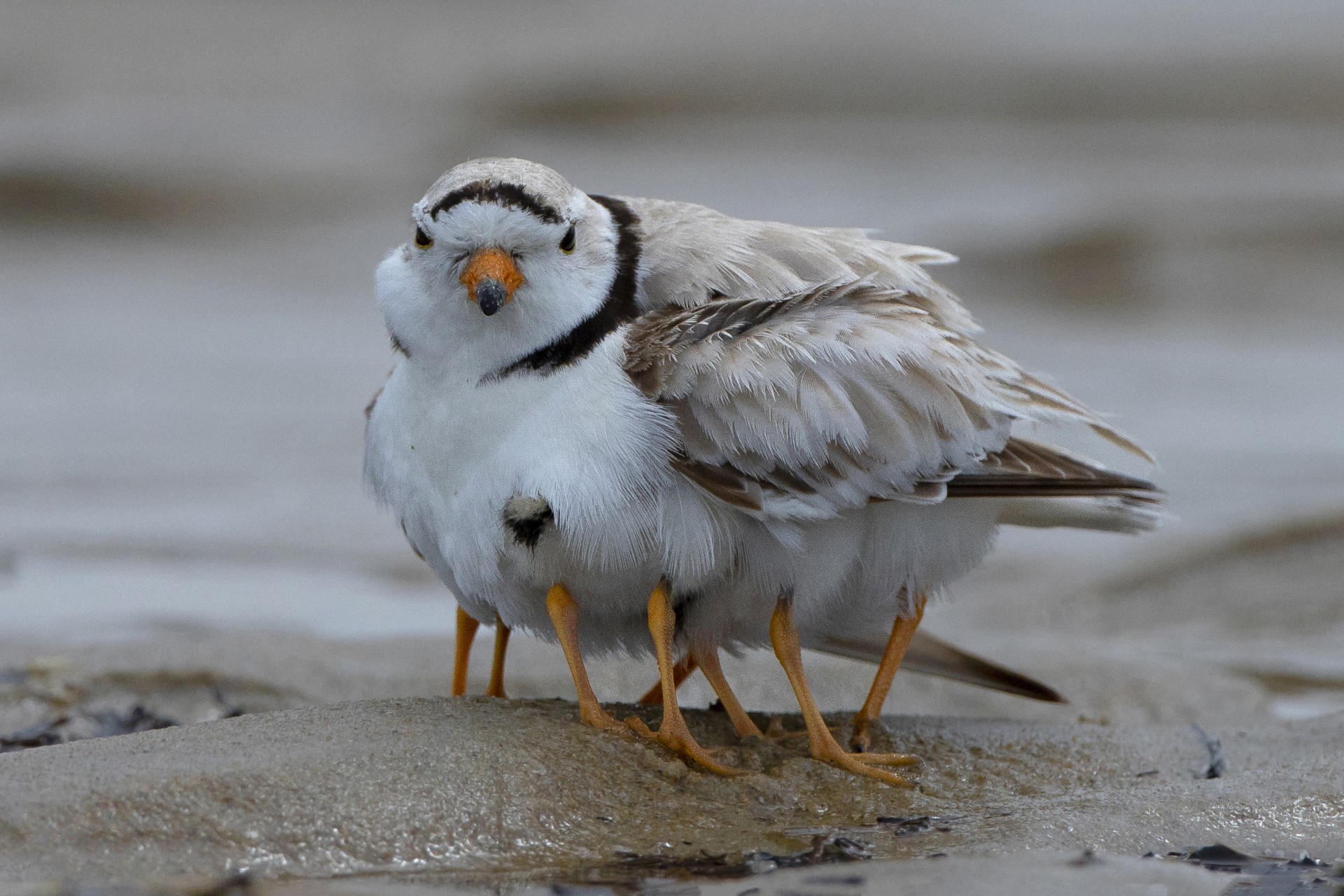 Piping Plovers ©Cynthia Rand
Look Out for Plovers!
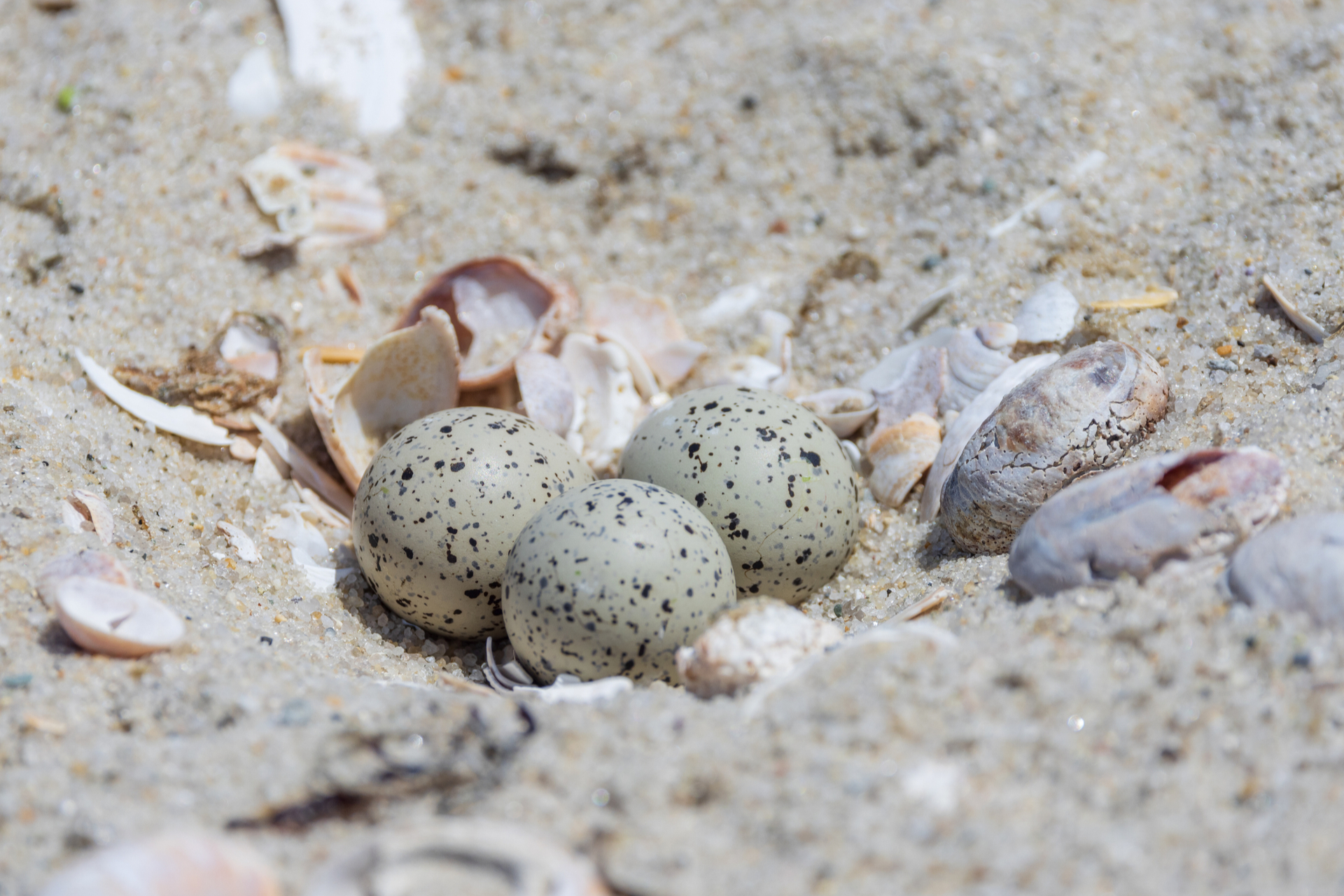
Piping Plovers nest right on the open beach in shallow scrapes of around 4 eggs. Their eggs and chicks are sand-colored and also astonishingly well camouflaged, which means it's heartbreakingly easy to step on a nest or chicks without ever seeing it them.
This fragility has contributed to their decline, especially as Massachusetts beaches attract more people every summer.
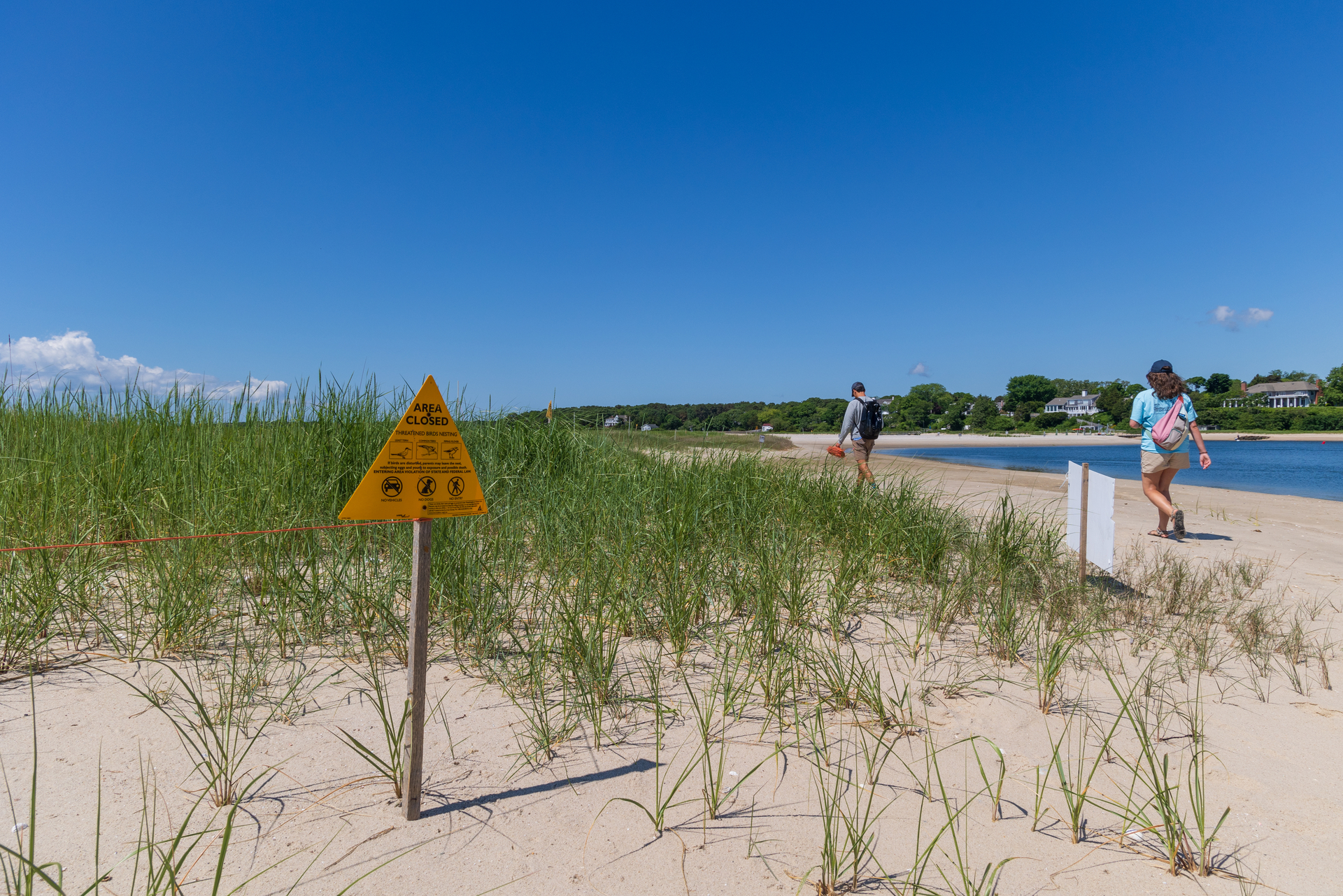
But not all is lost: if you've ever spotted roped-off areas marked with posts and signs by the dunes, it’s probably symbolic fencing. It flags active nesting habitat and giving it a wide berth is one of the most powerful things any beachgoer can do for the birds raising families.
Federal and state law protect Piping Plovers, their nests, and their eggs, but the birds' best protection is a beach full of people who choose to share the shore. Do that, and you can call yourself a bonafide plover lover.
Plovers That Call Mass Audubon Home
You can find plovers on sandy beaches, never far from the water's edge. You may spot them at these Mass Audubon coastal wildlife sanctuaries:
- Wellfleet Bay, South Wellfleet
- Long Pasture, Barnstable
- Sampson Island, Barnstable
- Allens Pond, Dartmouth
- Sesachacha Heathlands, Nantucket
- Popponesset Spit, Mashpee (conserved land, not open to the public)
Remember: always keep your distance, never enter fenced areas, follow dog-related beach rules, and let binoculars and zoom lenses do the close-up work.
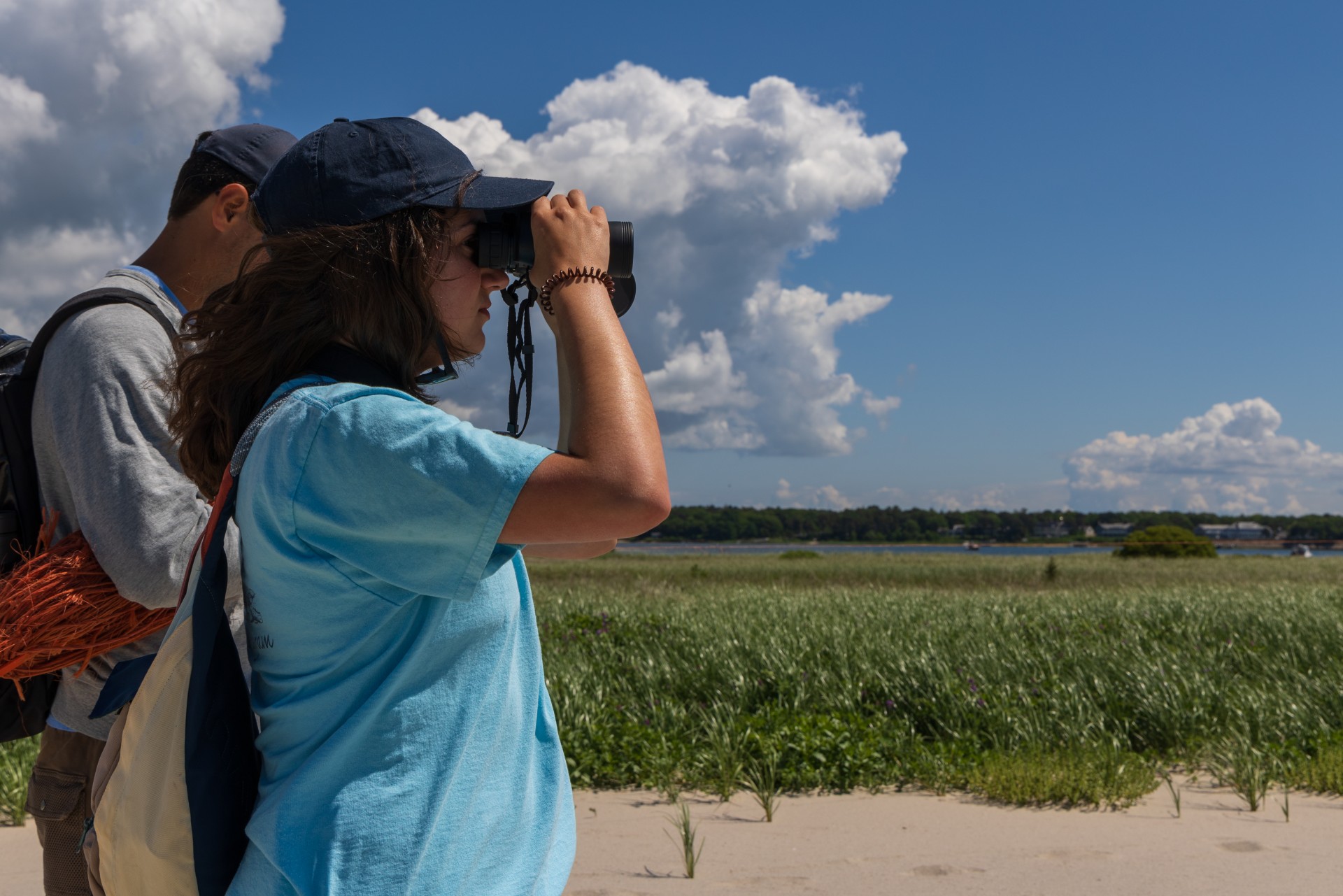
Think You Have What It Takes to Be a Plover Protector?
Scan the beach to find well-hidden plovers, rack up fun facts along the way, and find out if you've got what it takes to join the ranks of Massachusetts' sharpest shorebird spotters.

Share Your Wild Story for a Chance to Win
Have you seen a coastline transform into something magical? We want to hear about it!
Every story shared enters you into our Wild for Wildlife tote bag giveaway.
40 Years of Coastal Waterbird Protection
In 1986, the Piping Plover was newly listed as a threatened species, with just 135 nesting pairs in all of Massachusetts. That same year, Mass Audubon launched its Coastal Waterbird Program (CWP) to give these vanishing birds a fighting chance.
Four decades later, the results speak for themselves. By 2025, Massachusetts was home to roughly 1,200 nesting pairs, a more than 500% rebound. Today, over half of all Piping Plovers on the Atlantic Coast nest right here in Massachusetts, underlining the important role we play in their global success.
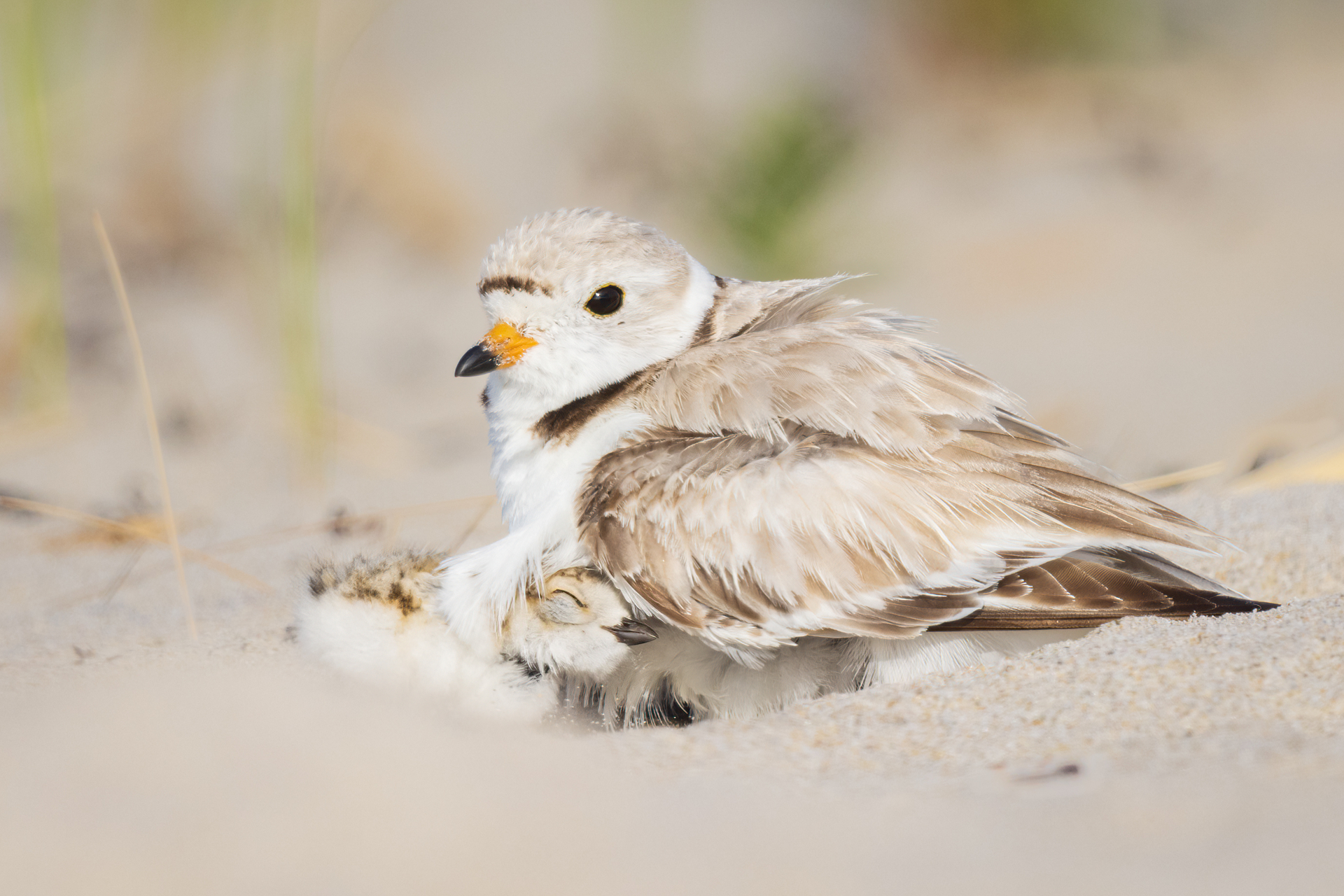
From the Brink to the Beach
How did we do it? Through a careful blend of science, stewardship, and partnership. Each year from March through September, the CWP protects more than 140 miles of Massachusetts coastline using tools like on the ground management, symbolic fencing, signage, conservation research, and education. We work hand-in-hand with state and federal agencies, coastal towns, private landowners, and the countless beachgoers willing to share the sand. All of this hard work makes us one of the most effective coastal bird protection efforts in North America.
And yet, the work isn't finished. Piping Plovers remain a threatened species, and their recovery depends on continued care. But from 135 pairs to 1,200, the plover's comeback is proof of what's possible when a whole community looks out for one small bird.
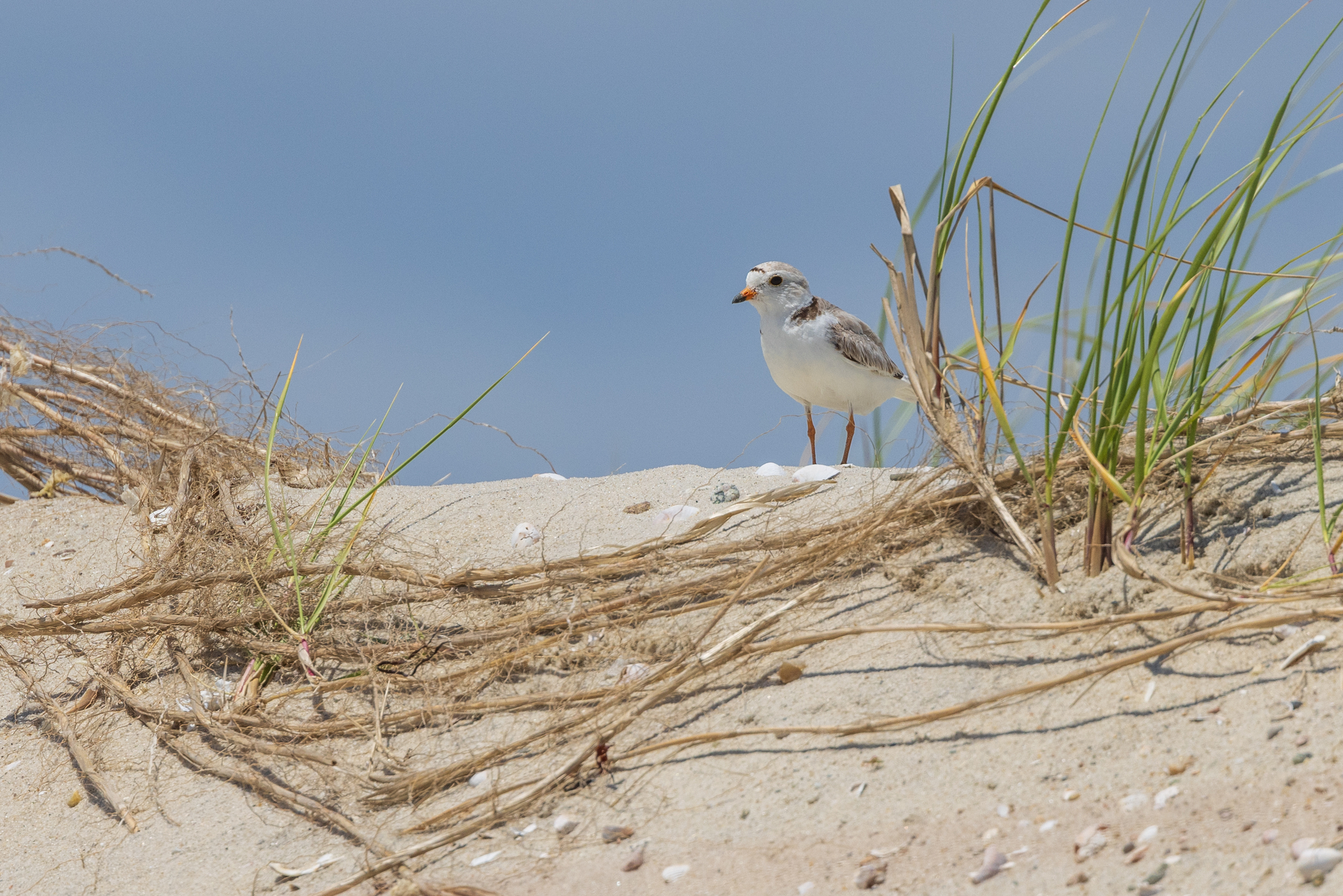
Protect the Plovers
You can help protect this threatened species and the nesting grounds they depend on.
Keep Going Wild
Fireflies are just the beginning! Every month, we’ll highlight a new charismatic species with fun facts, programs, free resources, and ways to get involved—join our wild year to stay in the loop.