


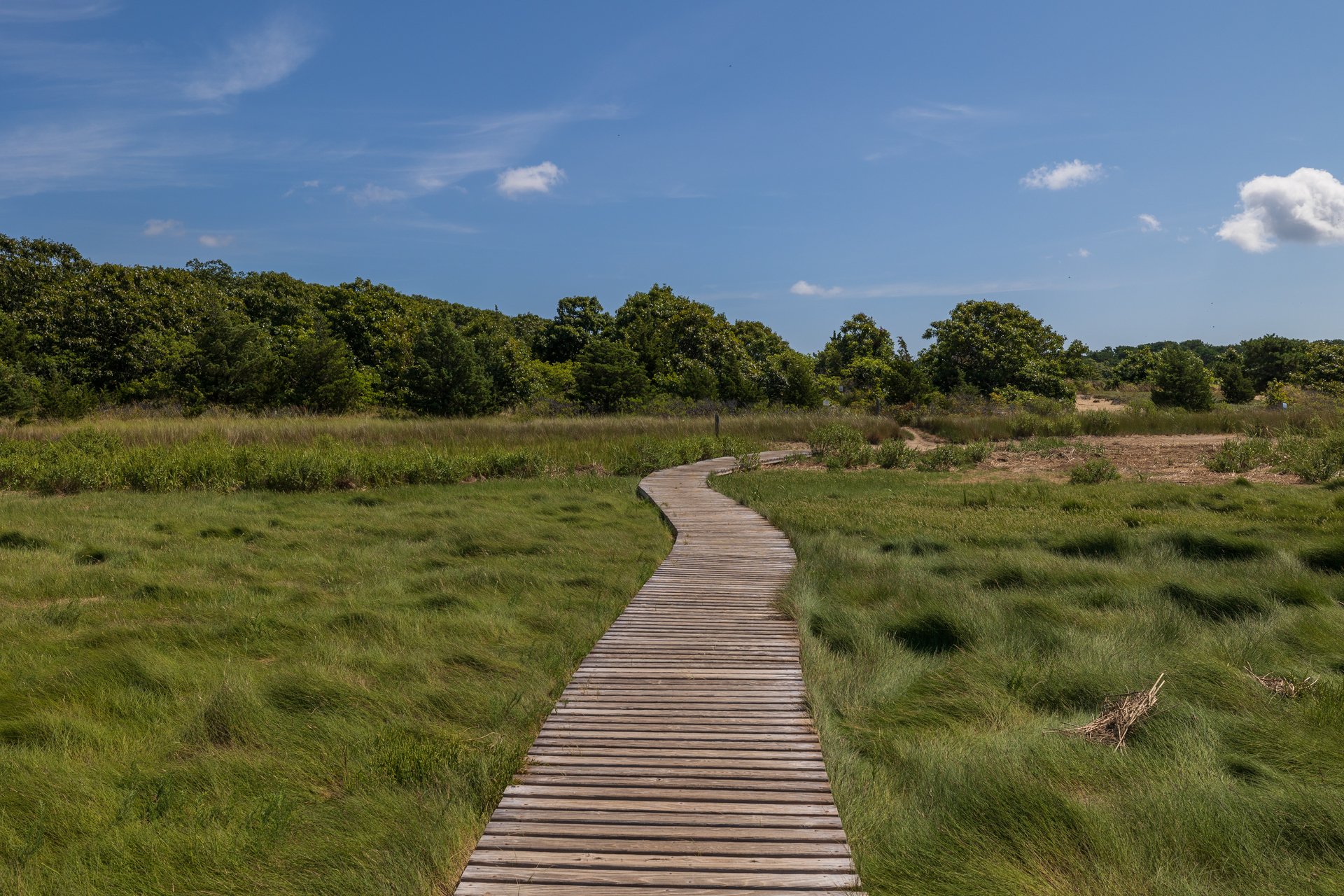
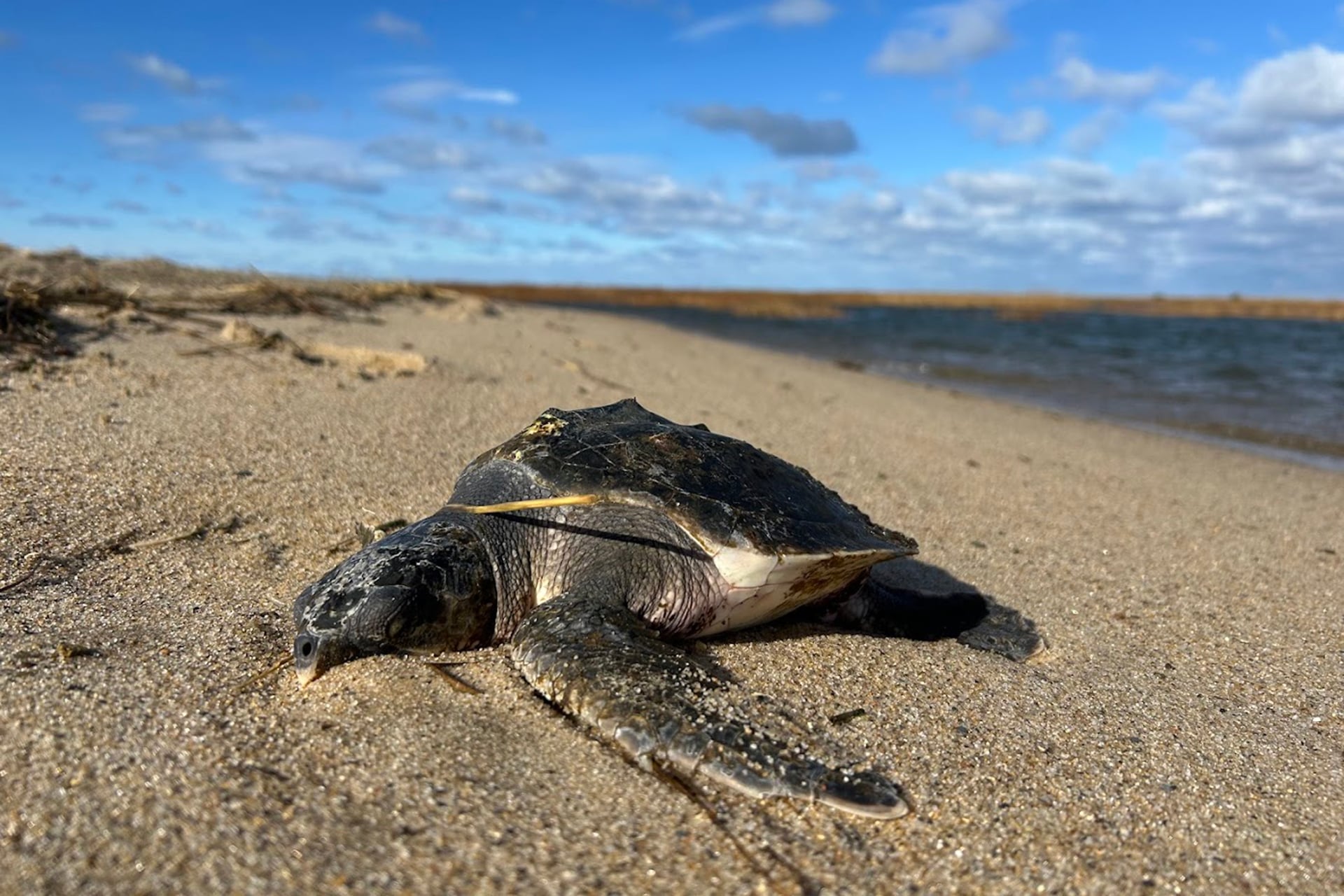
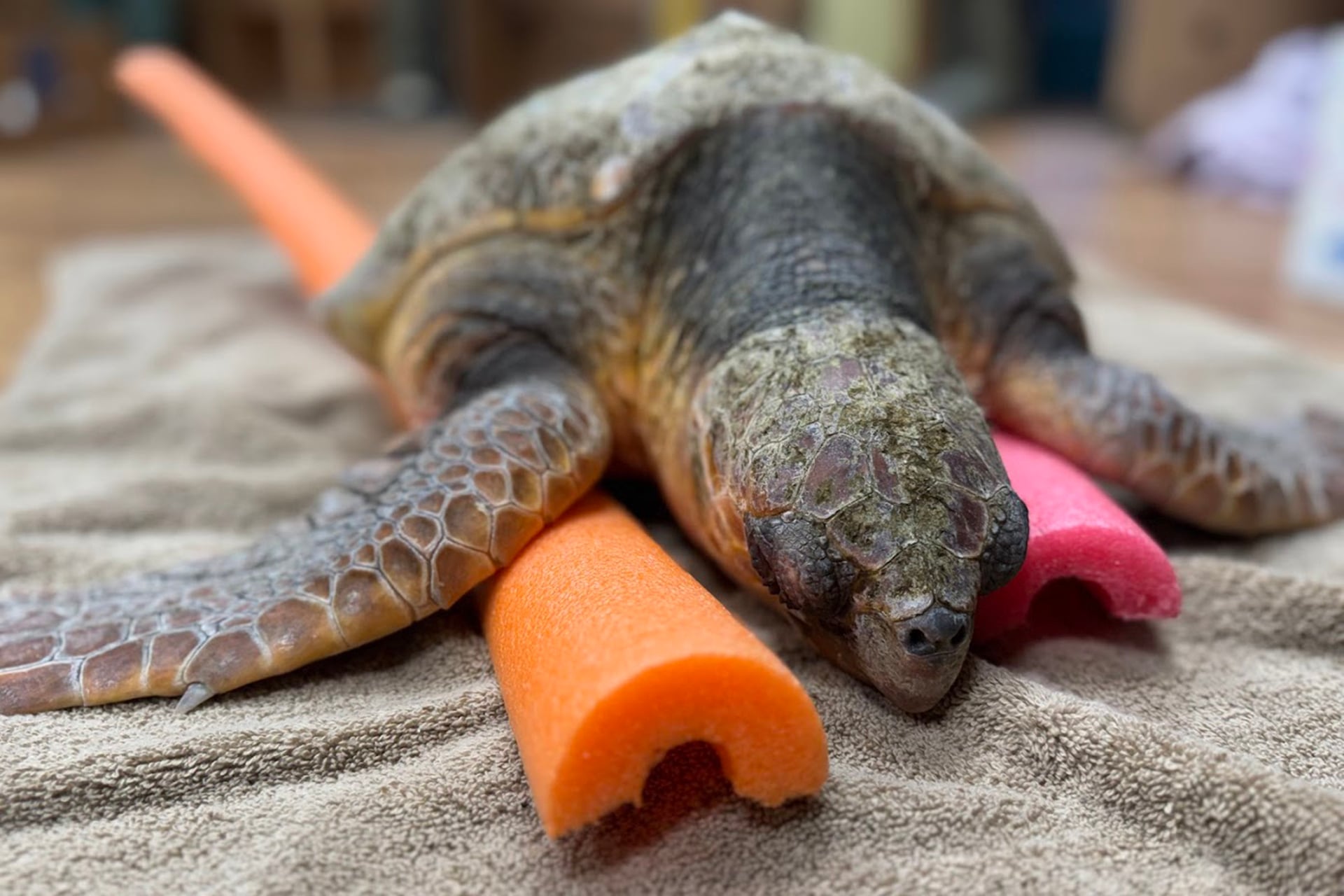
Each fall, as sea turtles begin their migration to warmer southern waters, some younger turtles become trapped by the hooked shape of Cape Cod. As ocean temperatures drop, the turtles slip into a hypothermic state known as cold-stunning, leaving them unable to swim and at the mercy of winds and waves that carry them onto the beach. This is when Mass Audubon’s Wellfleet Bay Wildlife Sanctuary sea turtle rescue staff and volunteers swing into action.
Recapping the 2025 Season
As the year draws to a close, the 2025 cold-stunned sea turtle stranding season is also winding down. Although beach patrols will continue into the New Year, early counts already offer a revealing snapshot of how many turtles came ashore this season—and the scale of the rescue effort behind them.
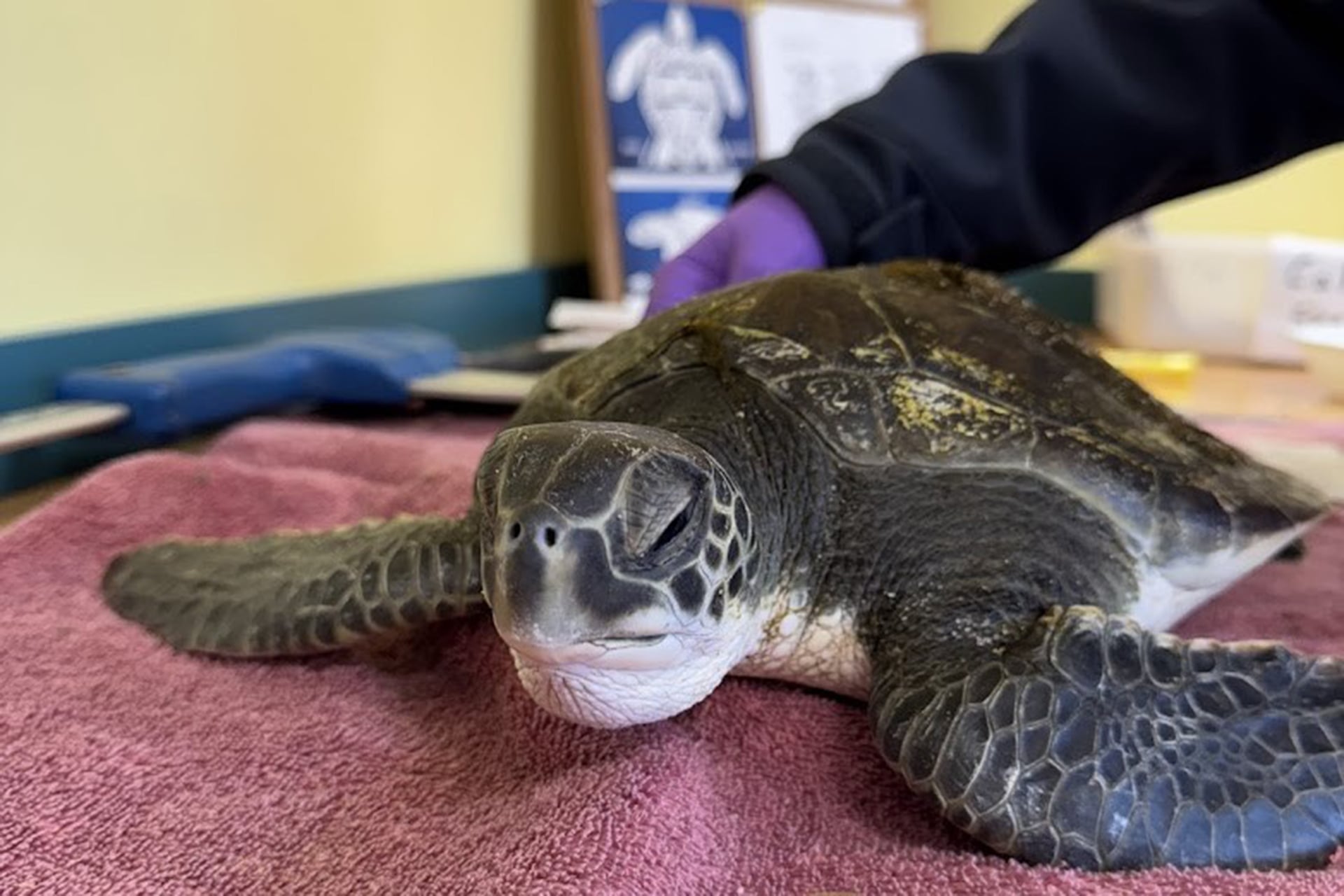
As of December 18, rescuers have recovered 667 cold-stunned sea turtles from Cape Cod Bay beaches. The majority—573 Kemp’s ridleys, the most endangered sea turtle species in the world—highlight the urgency of this work.
Mass Audubon’s dedicated staff and volunteers also located 67 green sea turtles and 27 loggerheads, each one representing a critical rescue effort. On November 29, the season reached its peak, with 73 turtles rescued in a single day.
Answering the Call
This winter brought bitter cold and relentless winds, but our staff and volunteers pressed on, knowing that every minute could mean the difference between life and death for these turtles. Because of their steadfast dedication, over 75% of the turtles recovered from beaches were alive and transported to the New England Aquarium’s Sea Turtle Hospital, where their long rehabilitation journey began.
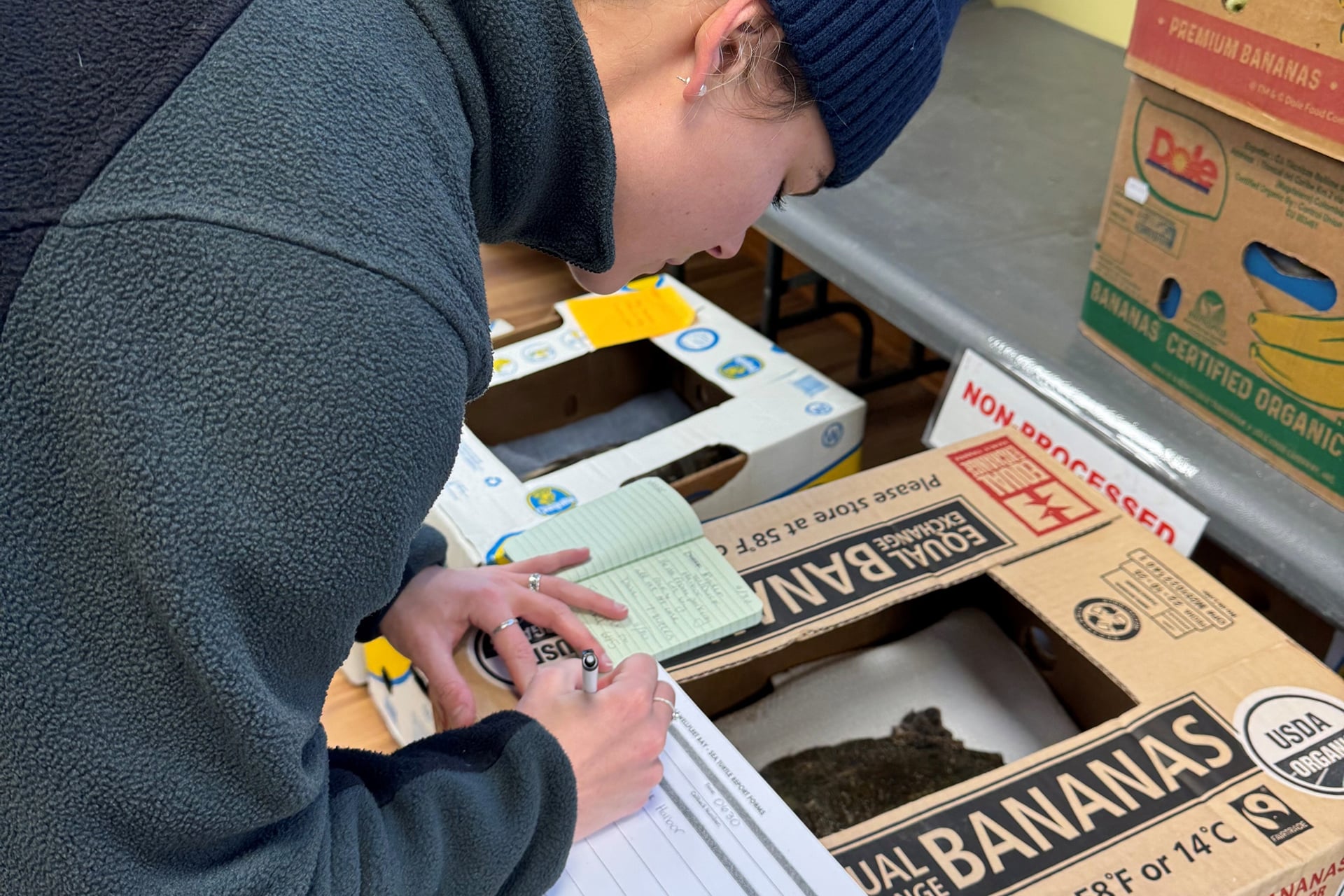
Mass Audubon thanks its dedicated volunteer fleet for completing 34 days of beach patrols and facilitating 59 transports to the Sea Turtle Hospital so far this season.
Mapping the Rescue
Where cold-stunned turtles come ashore shifts from year-to-year as locations are driven by winds, tides, and ocean currents. Persistent westerly winds shaped this season, driving more than half of all turtle strandings to the shores of Wellfleet and Truro. Turtles also turned up in less common places: 9 in Falmouth and 11 on Nantucket, higher numbers than these locations typically see.
Survivors Return
Rehabilitated turtles from around the world receive a PIT tag—a tiny radio transponder about twice the size of a grain of rice, encoded with a unique ID. Unlike satellite or acoustic tags that actively transmit signals, PIT tags remain silent until a scanner activates them with an electromagnetic charge.
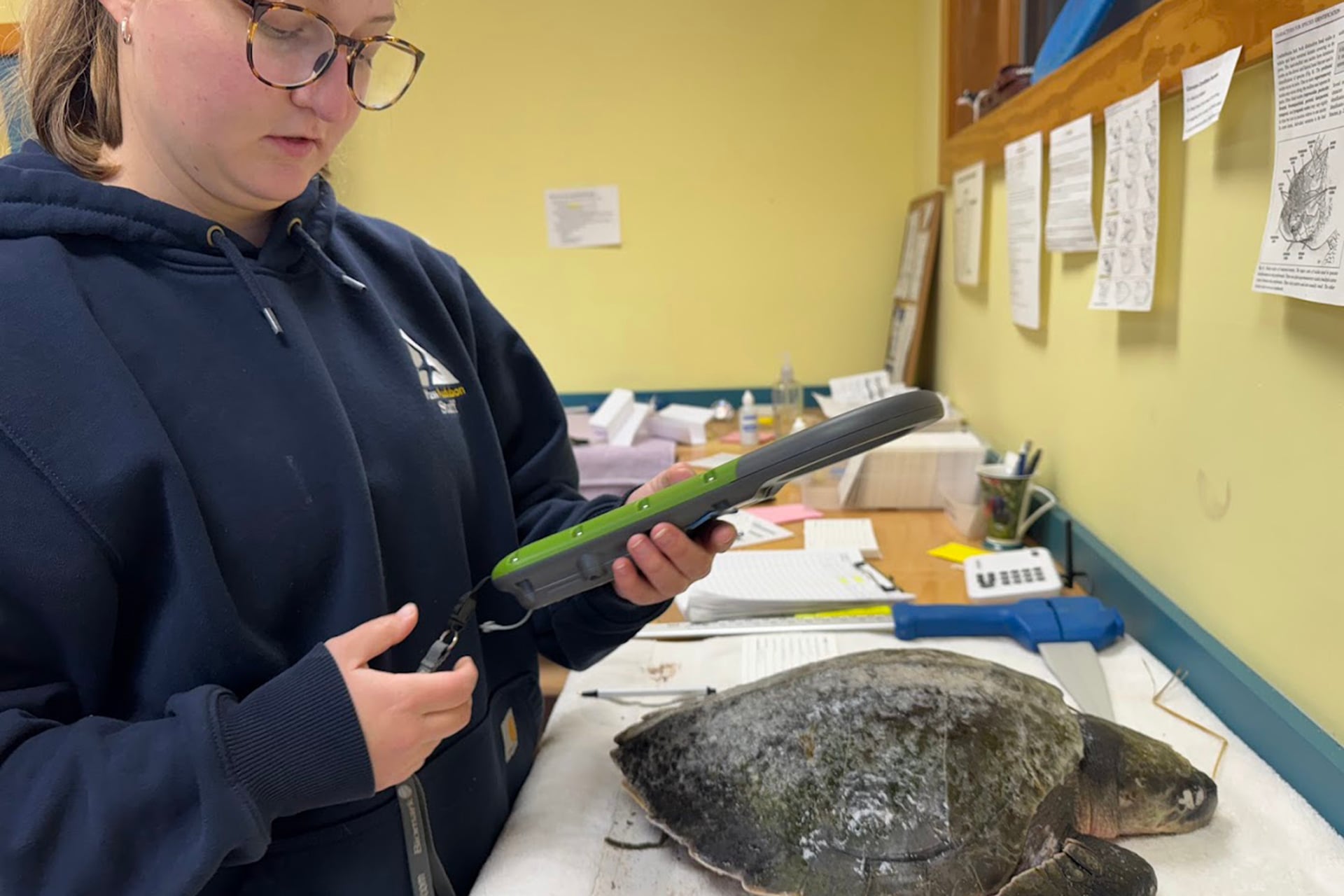
When our sea turtle technicians process each turtle, they scan for these tags. This year, those scans revealed a higher-than-usual number of previously tagged turtles—five in total—offering valuable insight into past rehabilitation success and the turtles’ return to Cape Cod waters.
Rays of Hope
On the night of December 4, temperatures plunged into the low 20s, with wind chills making it feel below zero—yet beach walkers went out anyway, with heavy winter gear to protect them from the cold. Between 9:00 pm and 2:00 am, they recovered 36 turtles, only one of which showed signs of life upon arrival.
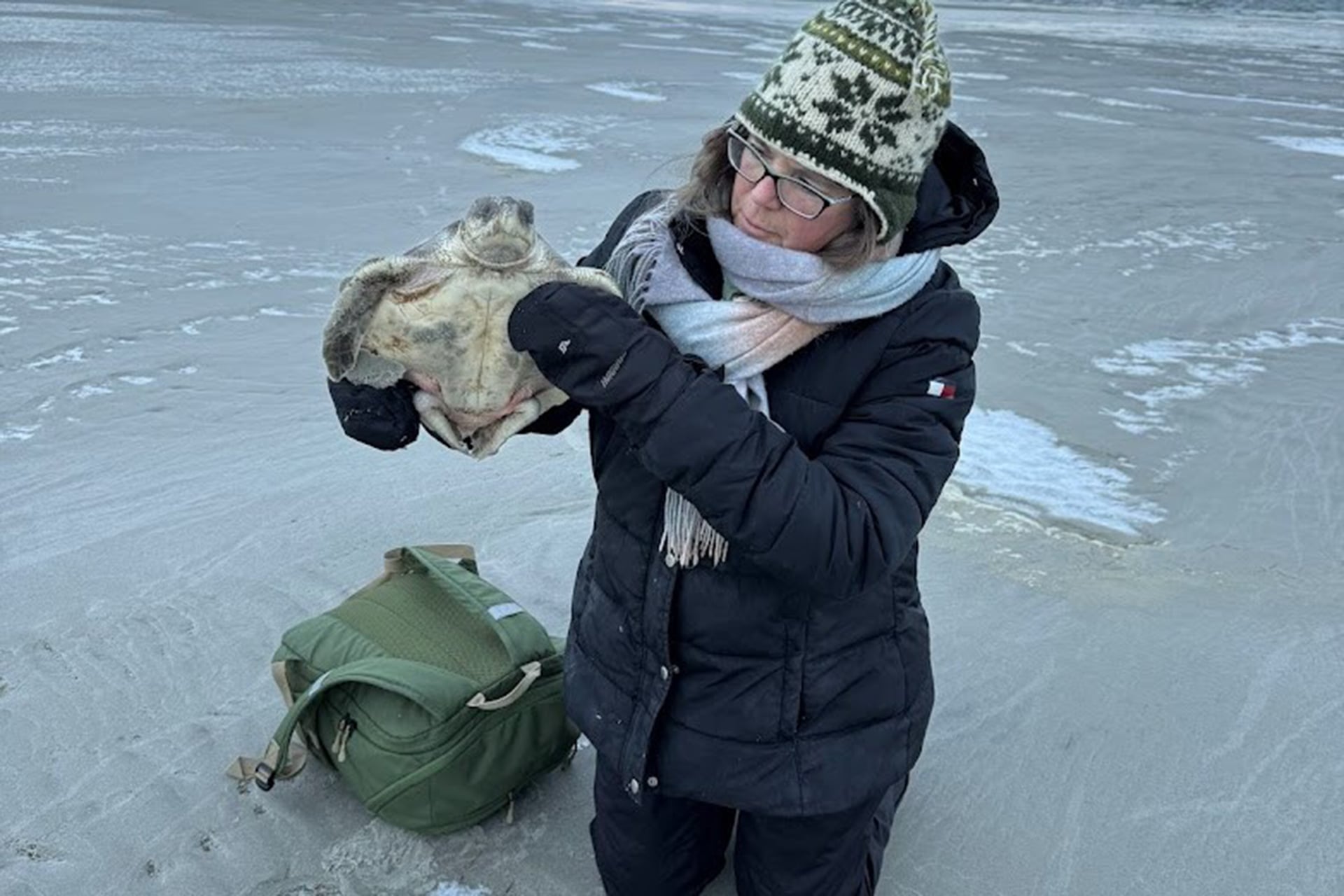
And yet, less than 24 hours later, 15 of those 36 turtles were alive and en route to the New England Aquarium, a powerful reminder that persistence, even in the bleakest conditions, can still lead to hope.
How You Can Help Save Sea Turtles
If you find a stranded sea turtle on Massachusetts’ beaches or have a sighting of a sea turtle in state waters, please follow these instructions.
This annual rescue effort wouldn't be possible without the generosity of our supporters. You have the power to make a difference. Help us save these endangered animals by making a donation today. Every dollar counts.
Stay Connected
Don't miss a beat on all the ways you can get outdoors, celebrate nature, and get involved.