


Support Pawtucket Farm
The Next Phase for Pawtucket Farm Needs Your Help
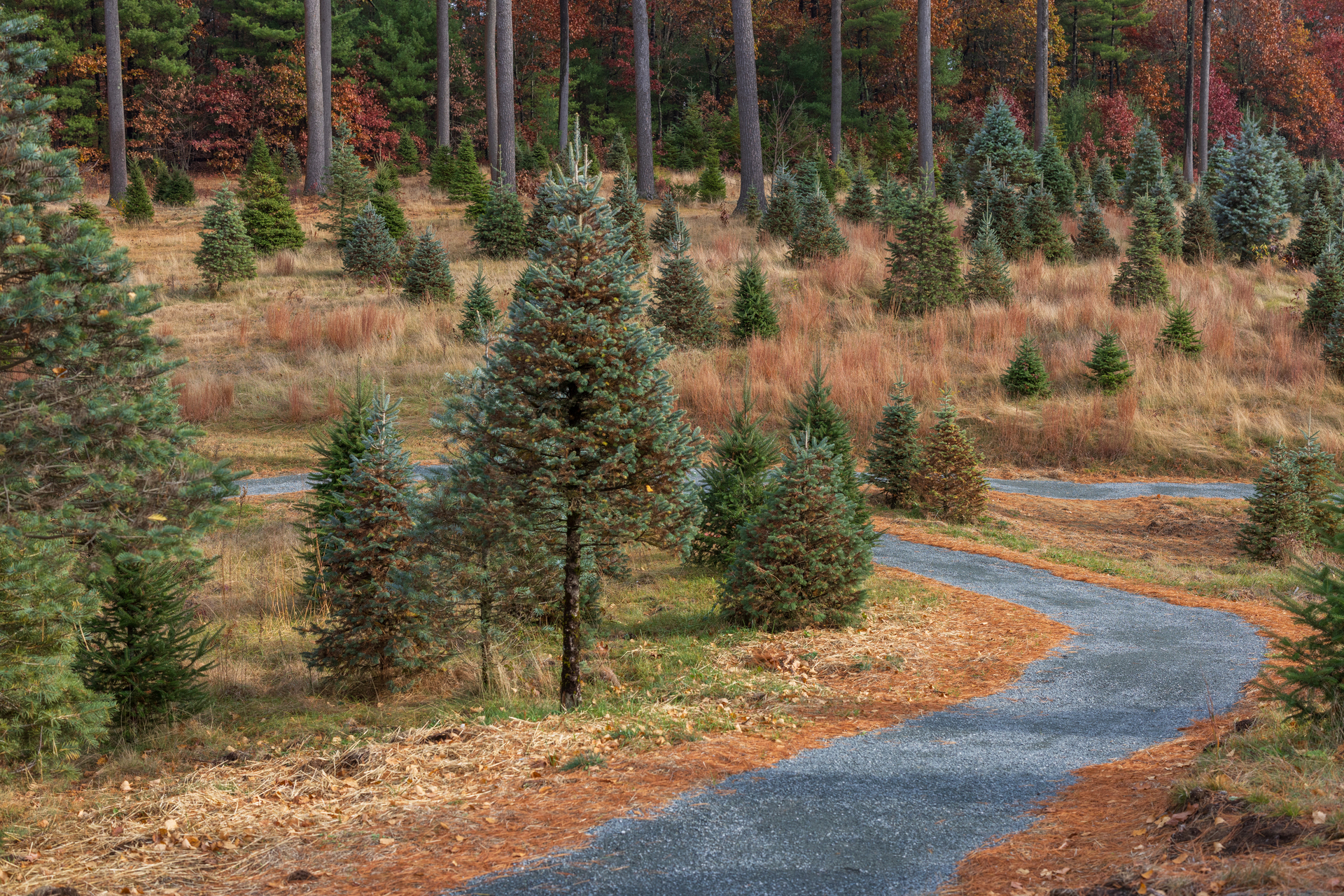
In 2023, Mass Audubon partnered with Lowell Parks & Conservation Trust (LP&CT), Mill City Grows (MCG), and the City of Lowell to purchase and protect a 22-acre former Christmas tree farm—one of Lowell’s last large green spaces—from development.
Since then, we've made incredible progress but we need your support to make the vision for Pawtucket Farm a reality.
The Need
Open greenspace is increasingly a rare commodity in Massachusetts’ urban cities; Lowell ranks 304 out of 351 towns in Massachusetts in percentage of protected open space. In a densely populated area like Lowell, we have the extraordinary opportunity to increase access and connect people to nature in their city. In fact, more than 3,000 people live within a 10-minute walk to Pawtucket Farm.
Making Progress and Next Steps

The vision for Pawtucket Farm is coming to life through a phased approach that has allowed us to build momentum and support for the project at a sustainable pace. The first phase focused on land acquisition and planning, which involved nine multilingual listening sessions to frame what the sanctuary will mean for Lowell. The property’s design reflects the community’s strong desire for active recreation, multi-generational gathering, nature education, and fresh food.
Phase 2 opened the wildlife sanctuary, creating a mile of trails including a universally accessible All Persons Trail and building an educational pavilion, which will be complete in June 2026.
The final phase centers on the construction of an Education Center, Barn, Food Forest, and Nature Play Area, along with continued ecological restoration across the sanctuary.
Education Center
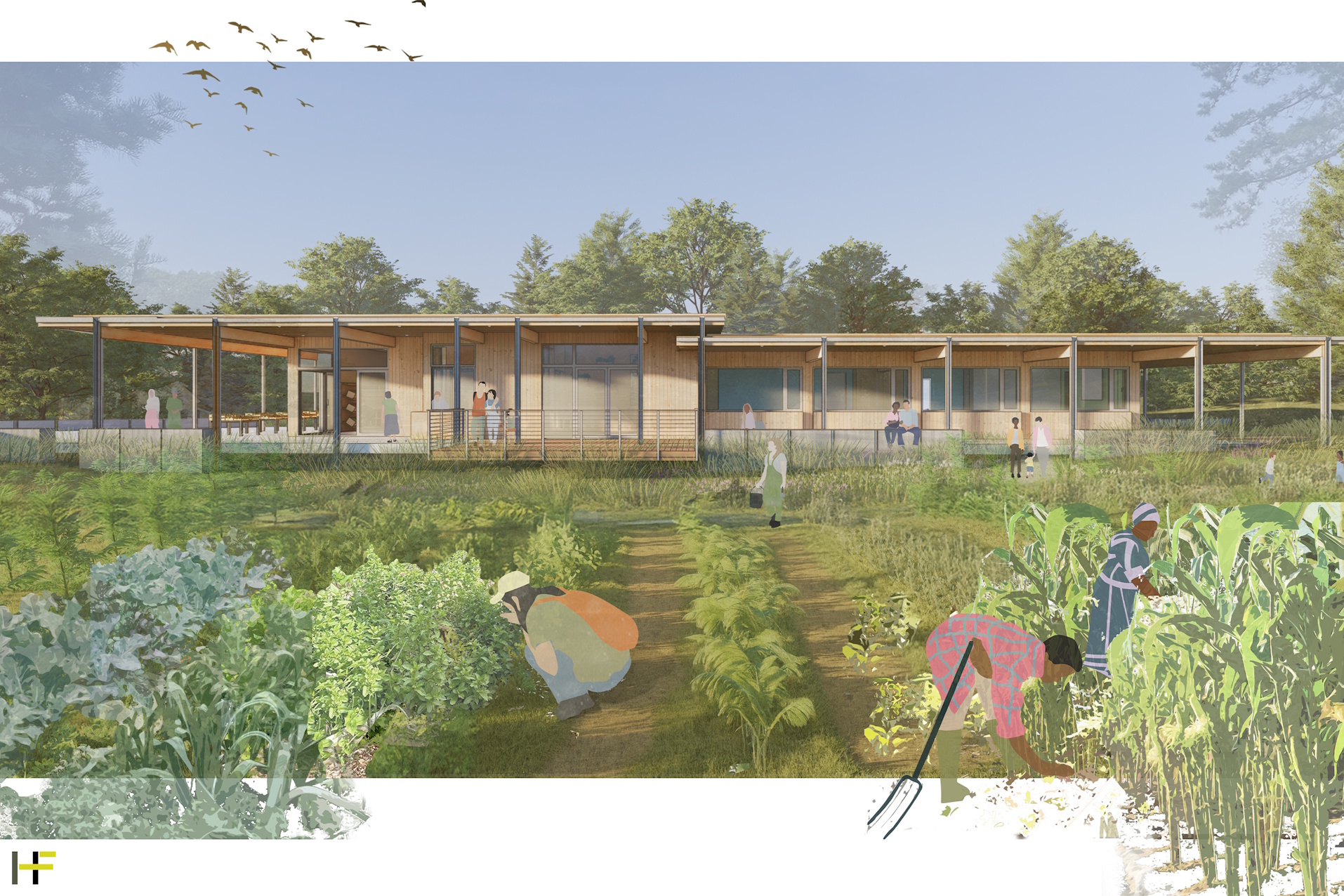
This sustainable 2,500-square-foot hub for education and food access will welcome visitors, providing information on the trails as well as current and upcoming program opportunities
A flexible classroom space will provide room for indoor activities and lessons, serve as a gathering place for school and family programs, and serve as the home base for a future summer camp.
We imagine filling the shelves with teaching kits, wildlife and nature artifacts, nature field guides and other books, and other equipment that will bring topics like soil health, wetland ecology, and climate resilience to life.
A small farmstand at one end of the education center will allow Mill City Grows to provide local produce at affordable prices in this food insecure community. Outside, under the covered porch, there will be room for mobile produce displays, providing an attractive and welcoming element to the building and highlighting Pawtucket Farm’s focus on farm education.
Farm Support Barn
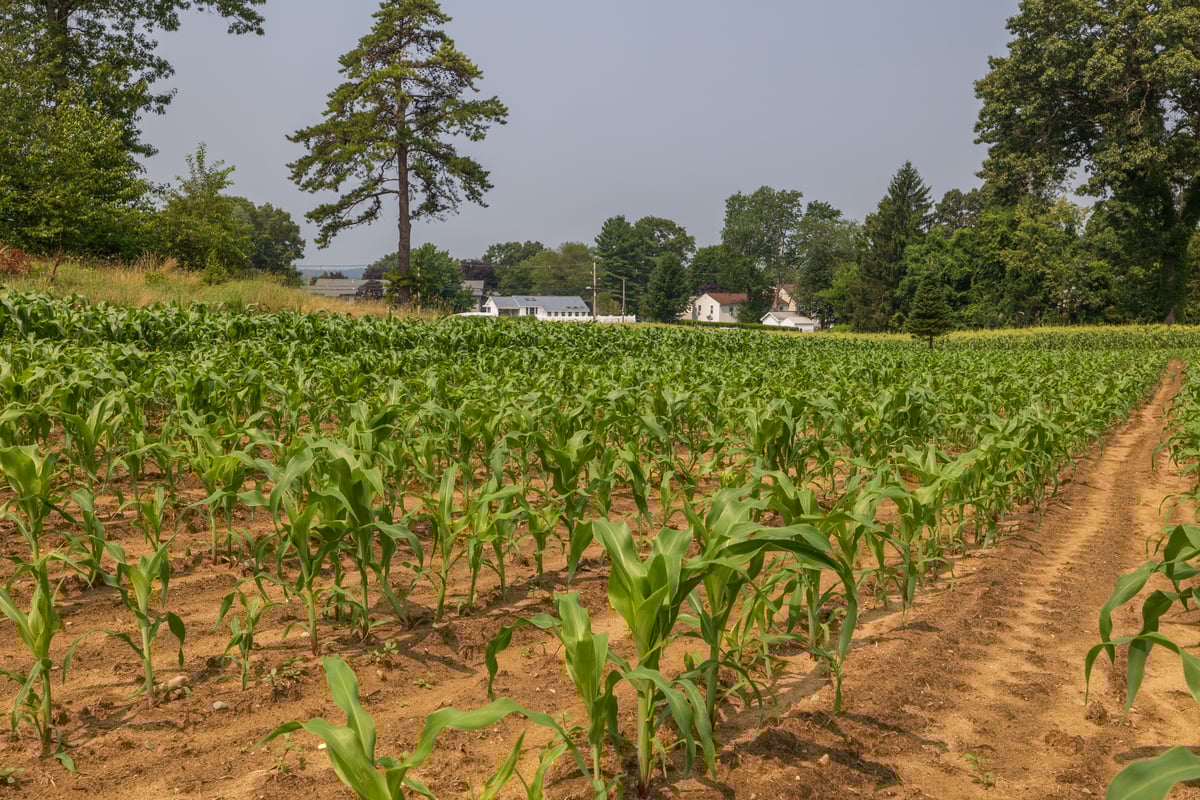
Located between the agricultural field and the community garden, the Barn will provide space for washing and packing vegetables grown on the farm as well as storage for farm equipment. This functional space will serve as the operational homebase for partner Mill City Grows, along with providing a small workshop and tool storage for property management and volunteer projects.
Food Forest
Maintaining the land’s agricultural roots and creating a sustainable agricultural system that mimics a natural forest remains at the heart of the project. The development of a Food Forest will demonstrate how to grow native edible plants.
This multi-level growing system is designed to provide a variety of fruit and nut trees, berry bushes, herbs, and other food for visitors to harvest from in the future. The All Persons Trail will pass directly through the Food Forest, making it a welcome spot for shade and a tasty treat for visitors. Initial planting of the Food Forest will take place in spring and fall 2026, with on-going care of the plants as they mature and begin to produce edible produce.
Ecological Management
At the heart of the Pawtucket Farm vision is the transformation of the landscape from the monoculture of the former Christmas tree farm into a vibrant, diverse, and resilient landscape. These restoration efforts will not only provide interpretive and educational opportunities for visitors to the property but also assist in preserving a narrow but valuable wildlife corridor from the Merrimack River to the Lowell-Dracut-Tyngsboro State Forest.
One of the most compelling natural features of the sanctuary is the 24,000 square-foot pond, one of three wetland areas on the sanctuary and home to the greatest diversity of easily observable wildlife.
The pond will be used as an educational resource by Mass Audubon and its partner LP&CT as part of our eSTEM programming, to educate the public about wetland ecology, and to provide educational and volunteer opportunities to study the turtle and invertebrate population of the pond as well as the native wetland plants on its banks.
Restoration of the pond banks will be accompanied by replanting to restore the adjacent heathland, an ecologically imperiled habitat in New England that also provides tremendous value for wildlife. Together, these restored landscapes will increase the environmental resilience of the landscape and provide a unique opportunity for thousands of Pawtucket Farm visitors each year to learn about and benefit from nature.
Nature Play Area
Like many Mass Audubon wildlife sanctuaries, Pawtucket Farm will feature a small outdoor playground with interactive features made of natural materials. These non-traditional play spaces give children the chance to climb, jump, and maneuver through natural elements like log tunnels, stumps, and boulders as they solve problems and construct their surroundings through unstructured exploration. Creative building opportunities provide inspiration for self-directed learning and creativity outdoors for children and their caregivers.
Phase 3 Budget
| Project | Cost |
|---|---|
| Education Center & Farm Stand | $4,758,000 |
| Farm Support Barn | $1,171,000 |
| Food Forest | $62,000 |
| Ecological Management | $285,000 |
| Nature Play Area | $25,000 |
Phase 3 also includes raising nearly $3 million in seed support for on-going community engagement & programming by all three organizations. Establishing this funding is critical to allow us to fully open the property with the support in place to ensure our ongoing sustainable operations and community programming.
Help Pawtucket Farm Flourish
Pawtucket Farm is poised to change the way nature is experienced in Lowell, especially for the 3,000+ residents within a 10-minute walk of this new urban green space, and the thousands more who can reach the property via the city bus stop at the entrance gate.
You can help Pawtucket Farm grow into a the most impactful urban wildlife sanctuary and create access to nature for generations to come.
Stay Connected
Don't miss a beat on all the ways you can get outdoors, celebrate nature, and get involved.