


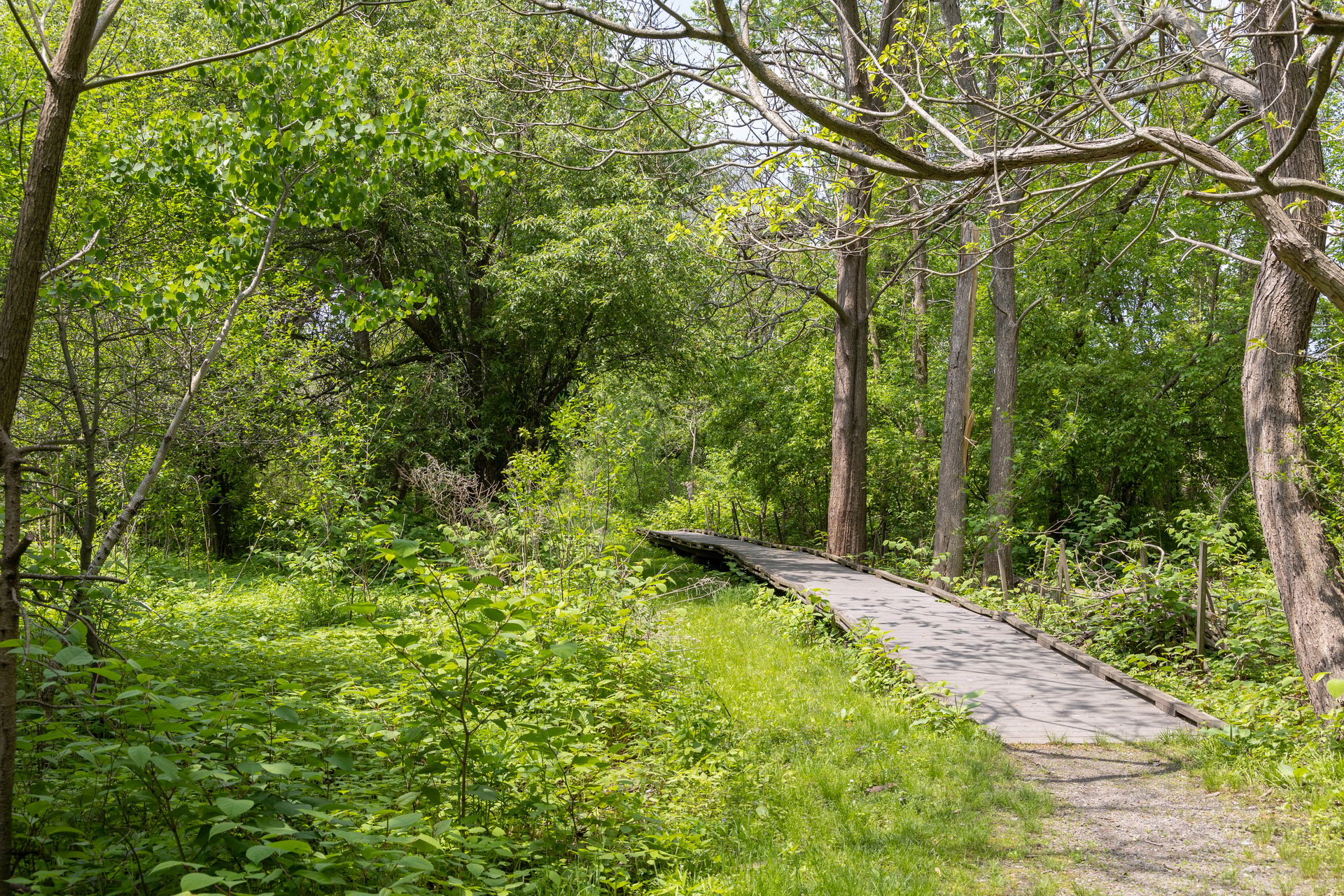
Restoring Canterbury Brook & the Boston Nature Center Wetlands
A Community Driven Ecological Restoration for Mattapan and Beyond
The Boston Nature Center—Mass Audubon’s 67-acre urban wildlife sanctuary in the heart of Mattapan—is undertaking a major, long awaited ecological restoration of its severely degraded wetlands and connected Canterbury Brook. Supported by Municipal Vulnerability Preparedness (MVP) Action Grant funding, this project brings together community members, environmental justice partners, and technical experts to heal an important yet overlooked freshwater ecosystem.
Get to Know Canterbury Brook and Wetlands
The Canterbury Brook watershed has its origins near Codman Square where it travels underground through Dorchester and Mattapan before surfacing and crossing into the sanctuary. Almost 2,000 feet of the brook is daylighted at the Boston Nature Center before it goes underground again and continues onto Stony Brook.
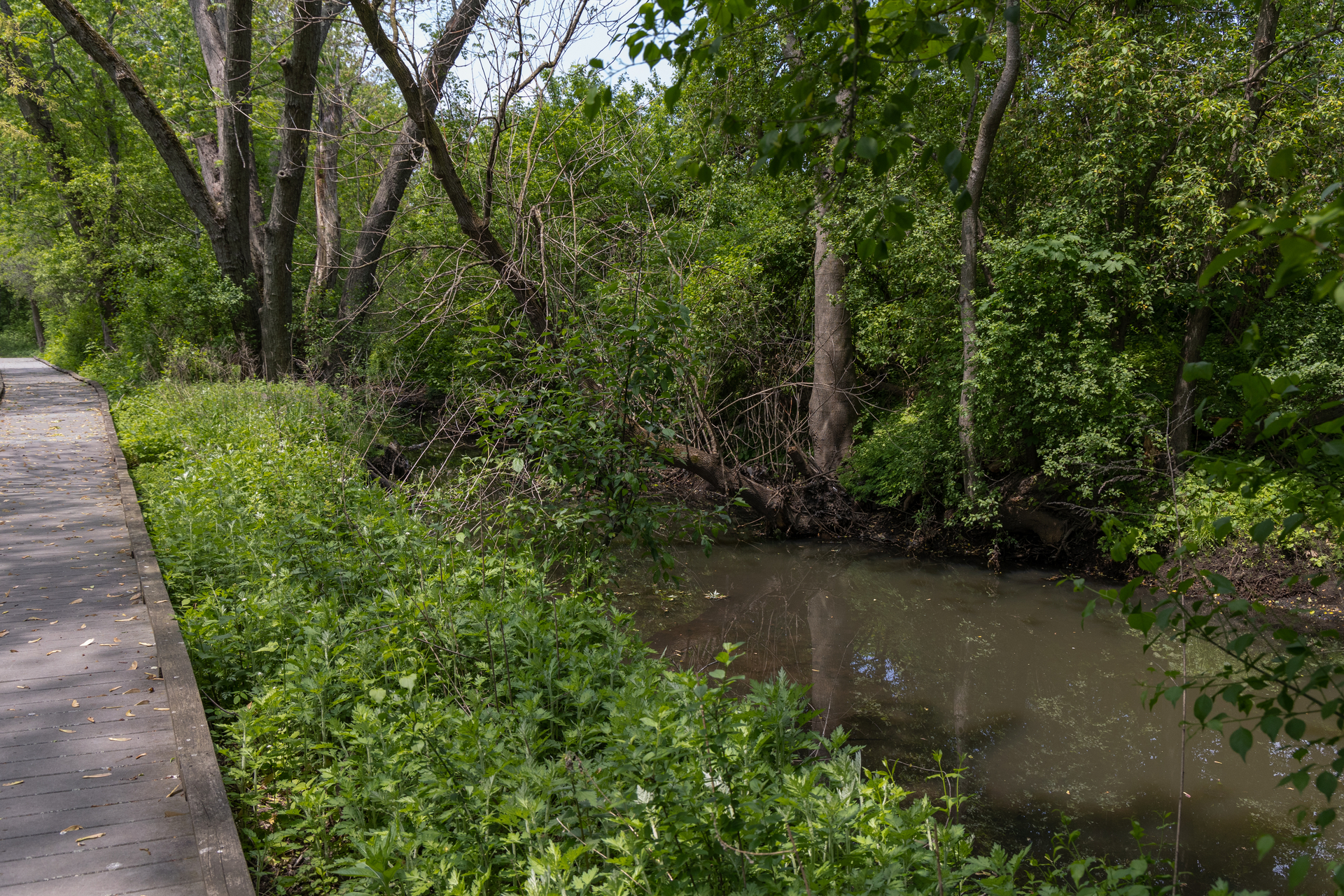
Originally channeled in the early 1900s, the brook has since filled with sediment and trash, suffered from eroding banks, and become disconnected from its floodplain.
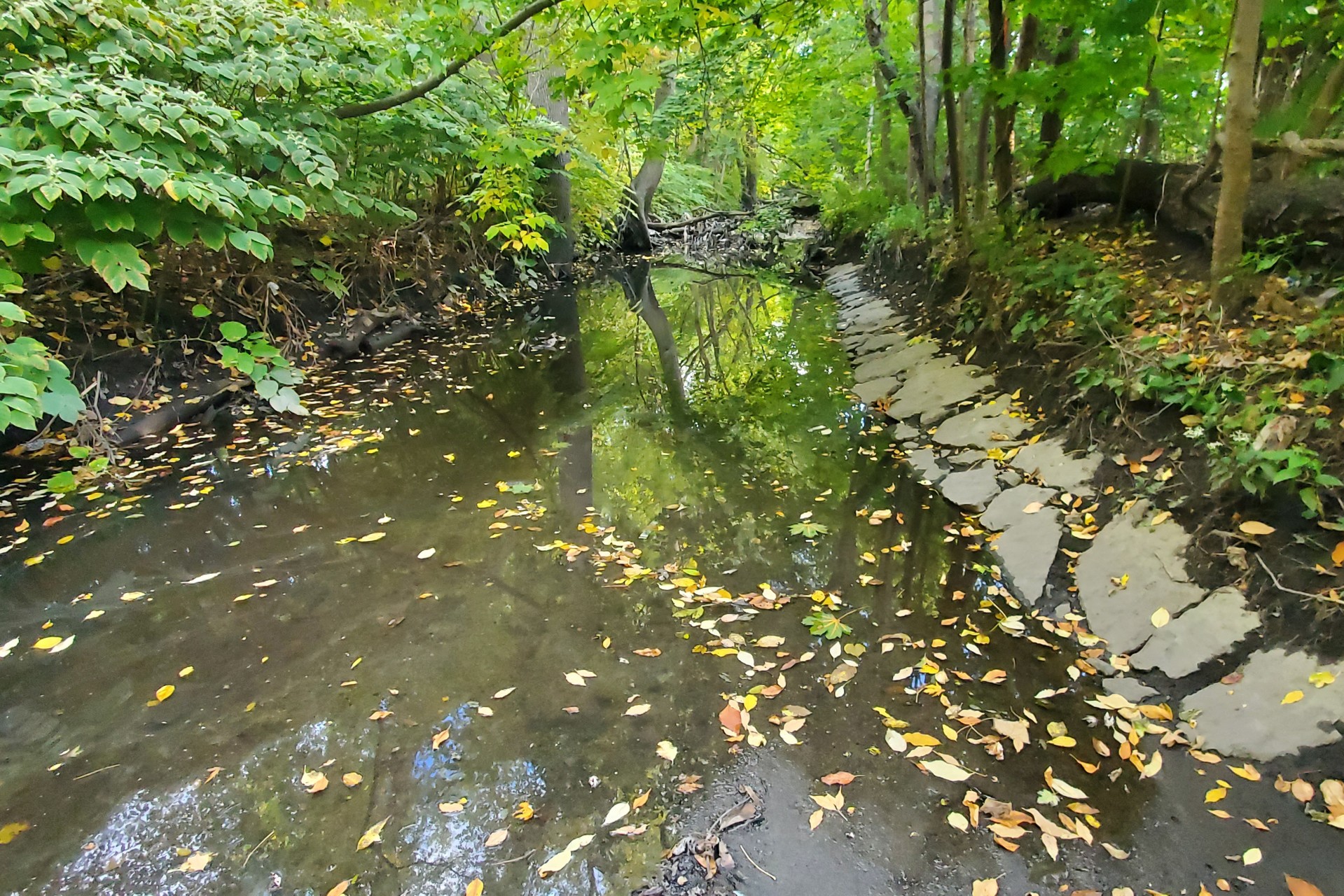
Today, water regularly backs up at low lying bridges, causing flooding at BNC. Trash and debris accumulate along the brook and wash deep into the wetlands during storms. Eroding streambanks undermine trees, reduce canopy cover, and degrade habitat. Poor water quality and sediment loads contribute to stress on downstream waterways, including the Charles River. Extreme rain events—now more common due to climate change—exacerbate all of these issues.
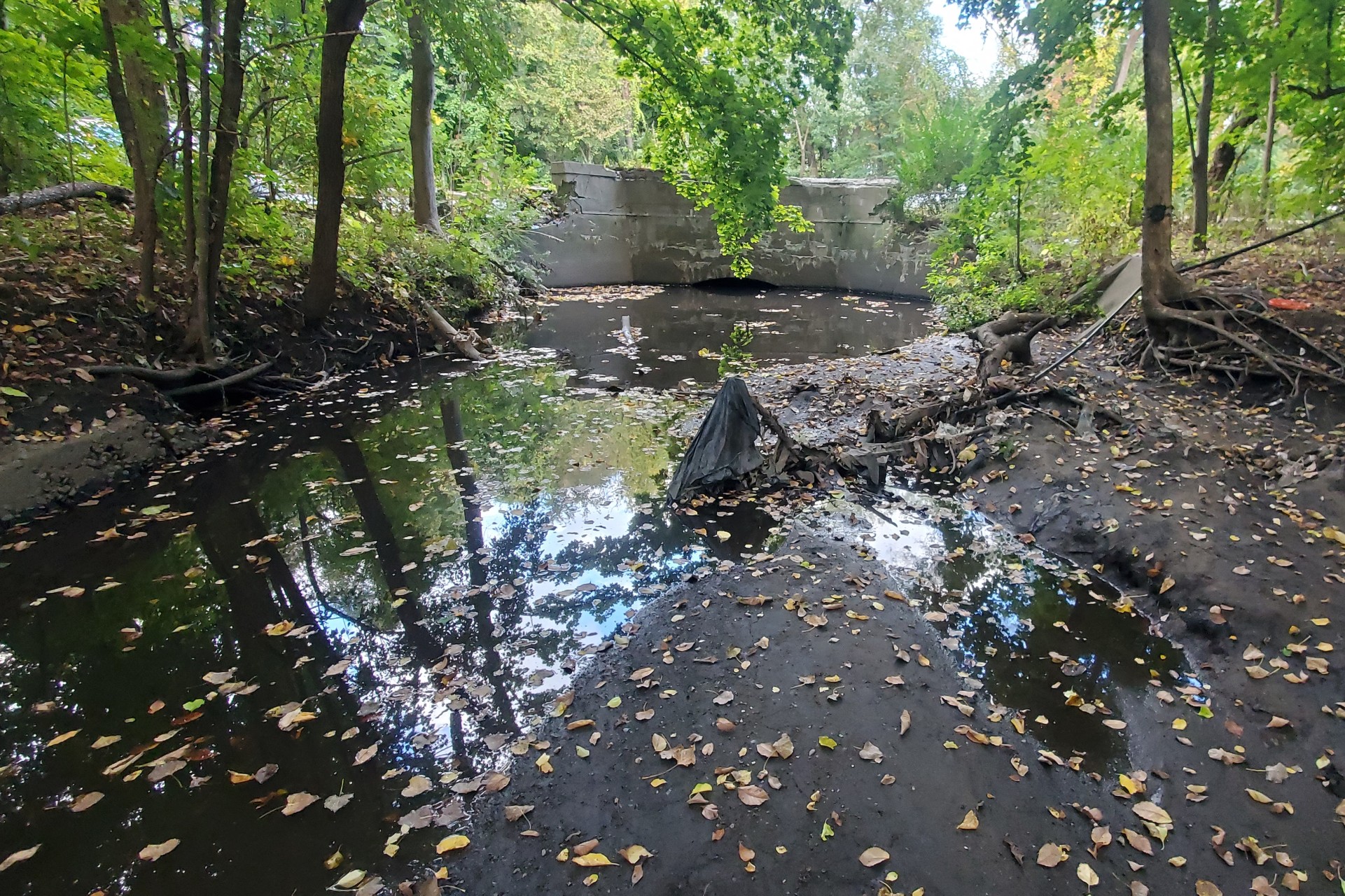
This project recognizes Canterbury Brook not as a stormwater nuisance, but as a natural system with the potential to protect neighborhoods, improve habitat, and reconnect residents with their local freshwater wetland ecosystem.
The Vision: A Healthy, Connected Stream Wetland System
The first steps towards restoration will develop a feasibility study and conceptual design that re-naturalizes Canterbury Brook and revitalizes more than eight acres of wetlands within the Boston Nature Center. Key components include:
- Reconnecting the Brook to Its Wetland and Floodplain: Restoration will return natural flow paths, expand flood storage, and help the wetland to once again function as a sponge during extreme storms. This is essential for protecting downstream communities.
- Improving Hydrology and Water Quality: Stormwater solutions will reduce sediment, trash, and pollutants before they eventually flow into the Charles River.
- Restoring Habitat and Biodiversity: By reducing erosion, replacing invasive plants with native species, and rebuilding the tree canopy, the project supports more than 150 bird species, 40 butterfly species, and 350 plant species found at the sanctuary.
- Reducing Flood Risk for Vulnerable Communities: Mattapan and surrounding neighborhoods experience disproportionate climate impacts. Enhancing the wetland’s ability to absorb stormwater will help address recurring flooding that affects homes, gardens, roadways, and trails.
- Enhancing Public Access and Community Use: A revitalized wetland will improve safety, expand recreational opportunities, support outdoor learning programs, and strengthen community stewardship.
Deeply Rooted in Community Leadership
This project is shaped by years of advocacy from residents, gardeners, local organizations, and longstanding BNC partners. Our ambitious goals would not be achievable without:
- The BNC Sanctuary Committee, composed of local residents guiding priorities and concerns.
- The Clark Cooper Community Garden, with 100–200 community gardeners who have witnessed the brook’s deterioration firsthand.
- Charles River Watershed Association (CRWA) leading a robust, multilingual community engagement process, including walking tours, cleanups, surveys, and public meetings.
- Input from neighborhood associations, school groups, youth, and environmental justice organizations.
This work honors local knowledge and directly centers those most affected by flooding,
Mass Audubon’s Statewide Restoration Vision
The Canterbury Brook restoration fits into Mass Audubon’s broader commitment to healing degraded ecosystems and strengthening climate resilience across Massachusetts. Through ecological restoration projects like Canterbury Brook, we repair natural processes, improve habitat connectivity, and restore wetlands, streams, and other impaired landscapes across the state. Learn more about our work
How You Can Help
Stay Engaged
We need you! Attend community meetings, share feedback, and help shape the final design.
Check out the Charles River Watershed Association for more information.
Volunteer
Join future cleanups, planting days, youth programs, and stewardship events hosted by BNC and CRWA.
Stay Connected
Don't miss a beat on all the ways you can get outdoors, celebrate nature, and get involved.
You May Also Be Interested In
Accelerate Wetland Restoration
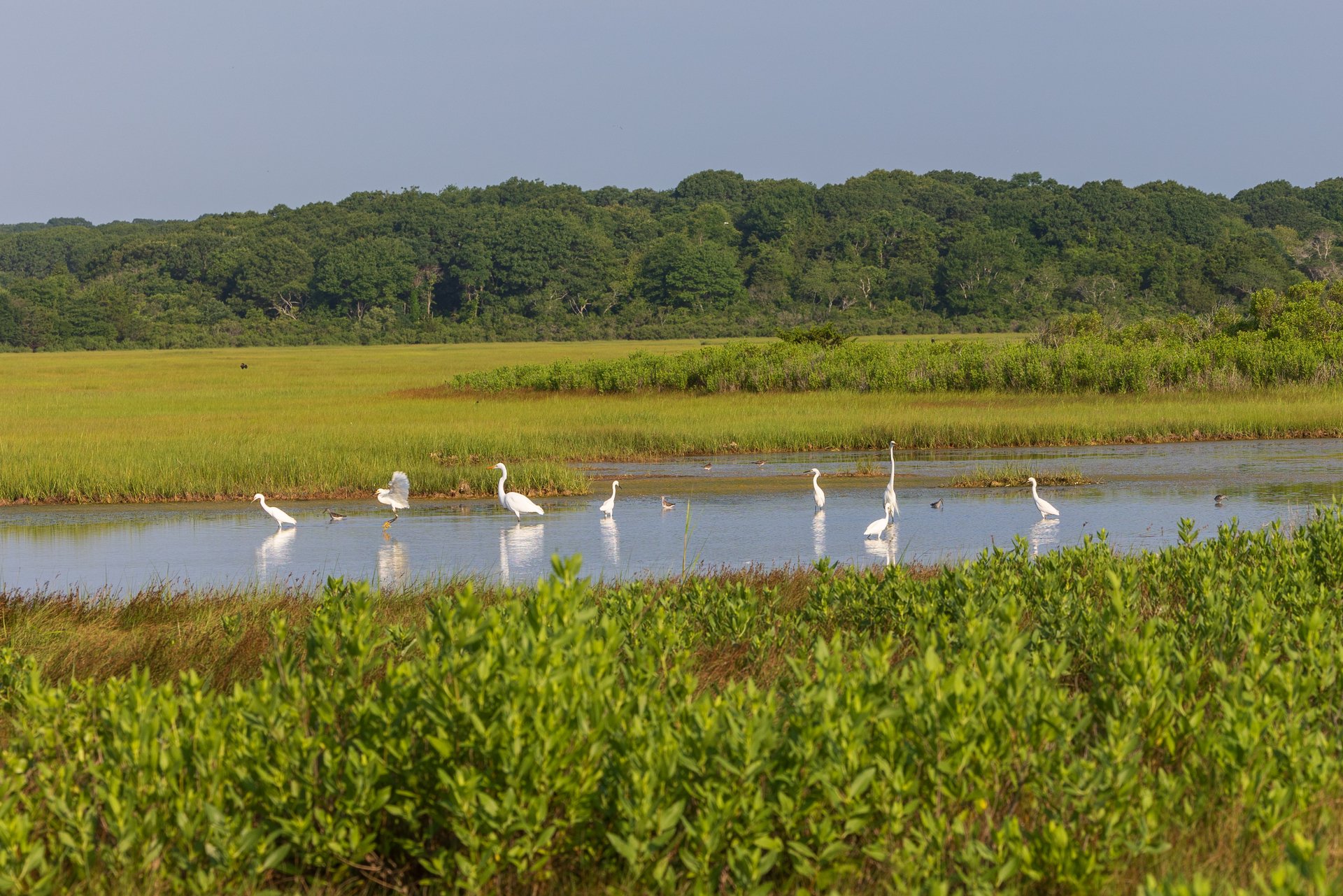
Mass Audubon is working with our partners and members to speed up the pace of wetland restoration to benefit people and wildlife.
Ecological Restoration
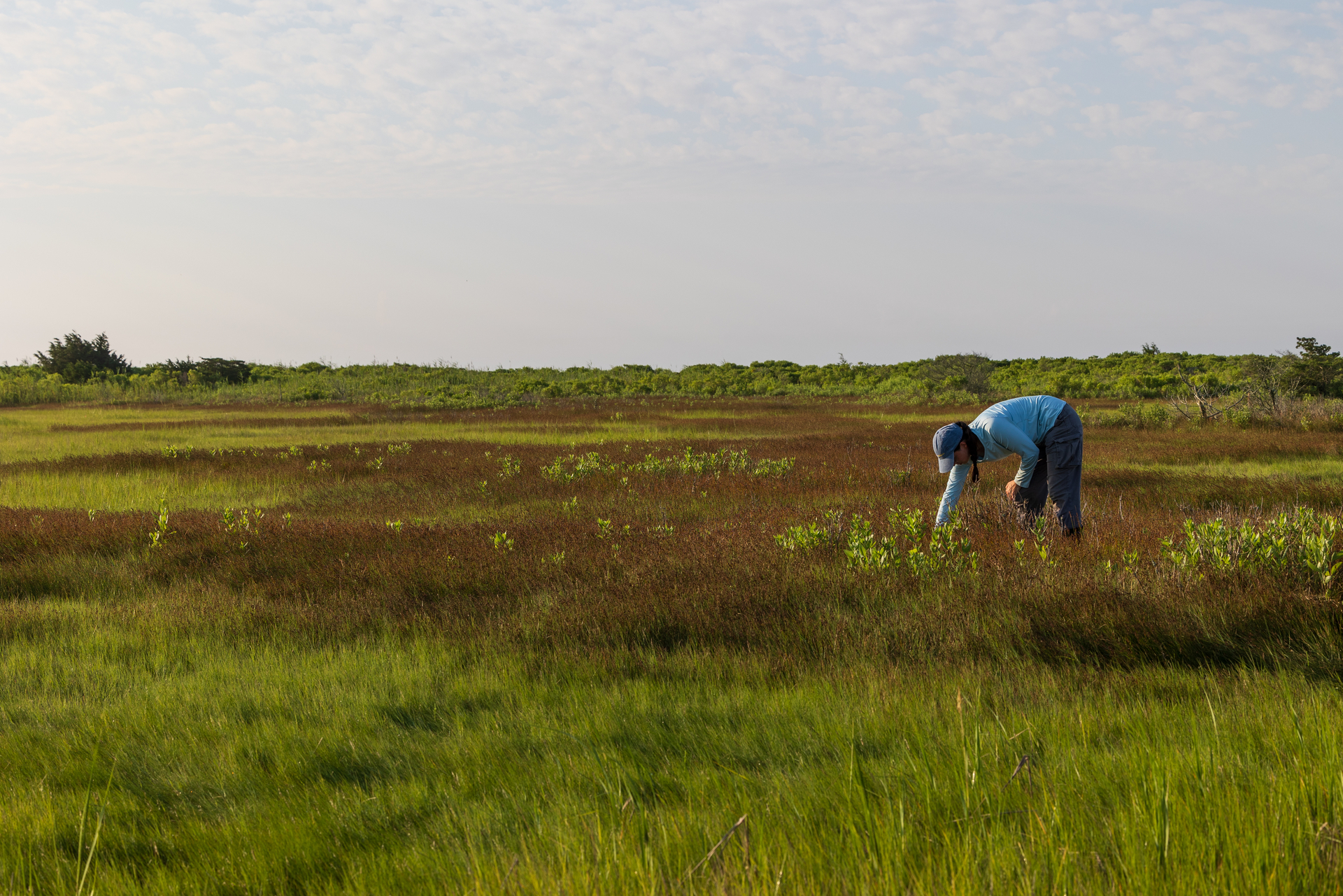
Mass Audubon has a long history of using ecological restoration and management techniques to support healthy wildlife habitats and biological diversity.
Bird-Friendly Maple Project
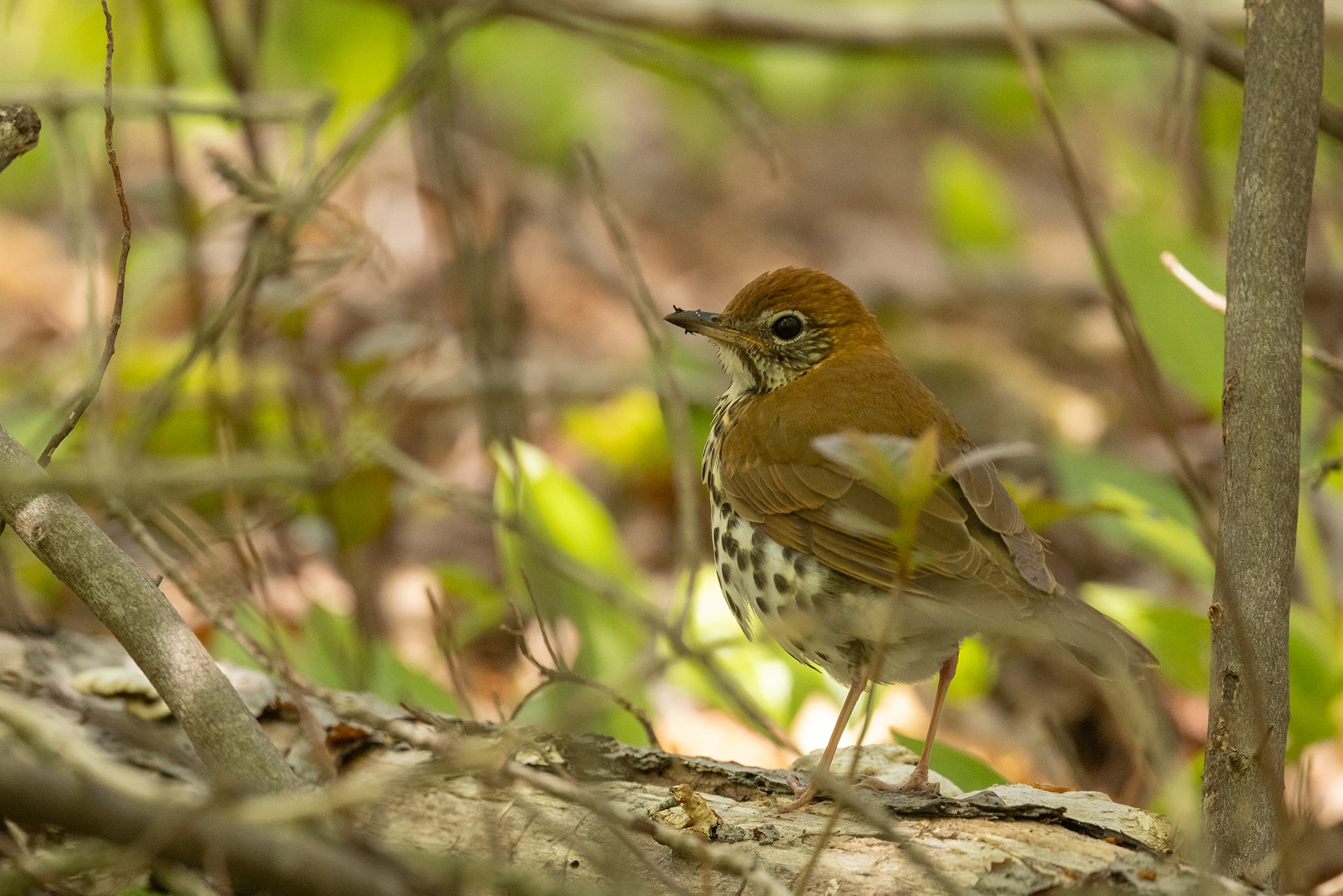
Enjoy maple syrup while supporting forest birds by purchasing bird-friendly maple syrup from producers who manage not only for sap, but also bird habitat!