


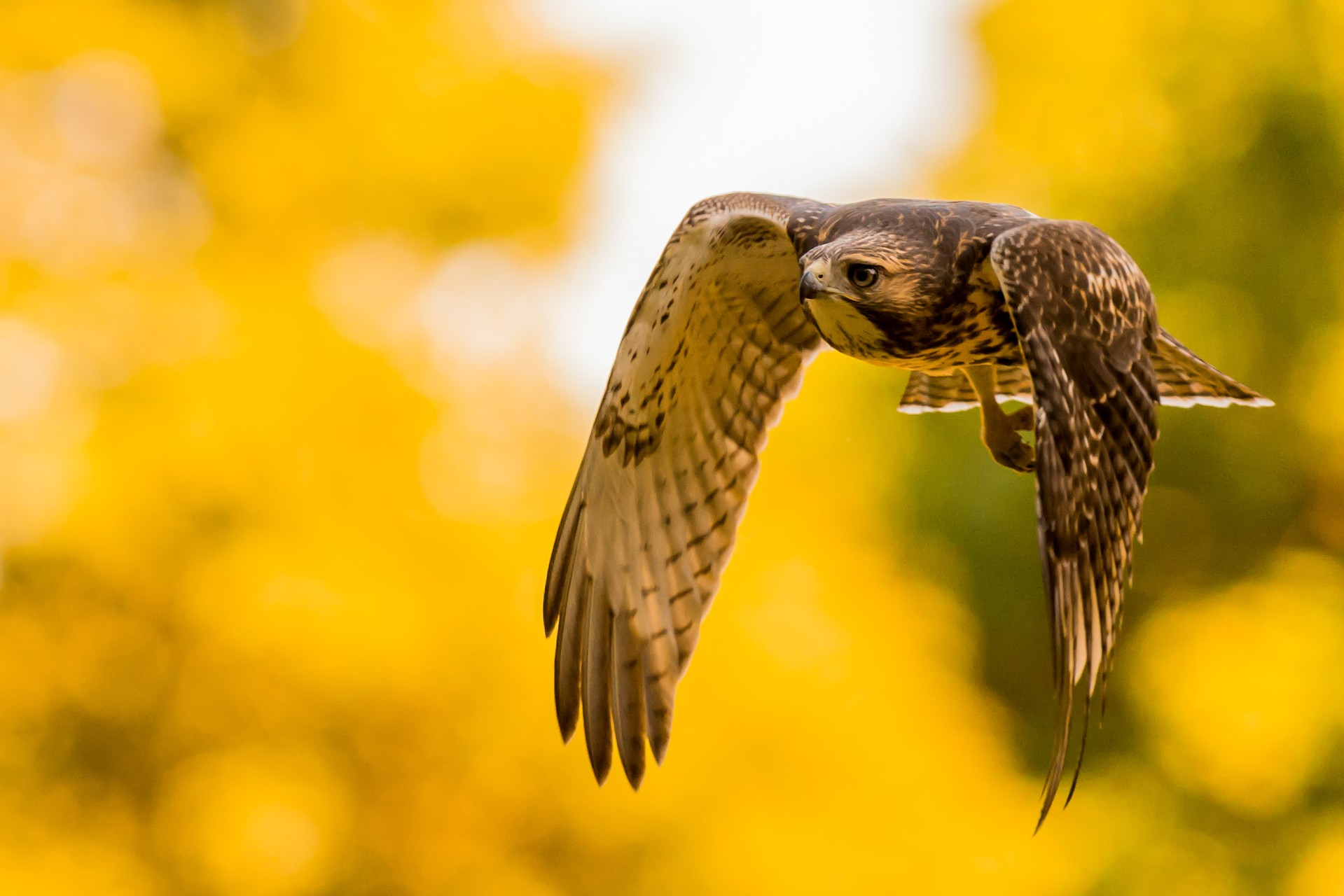
Go Wild for Red-tailed Hawks
Let’s Talk Hawk
Meet the sharp-eyed bird of prey soaring through Massachusetts skies this fall.
As our most common hawk, the Red-tailed Hawk can be found on city blocks, suburban streets, and rural trails. Look for their iconic rust-colored tail feathers and listen for their recognizable call during their busy migration season happening now.
This month, as part of our yearlong celebration of wildlife, we're flying high with Massachusetts’s neighborhood bird of prey: the Red-tailed Hawk.
-
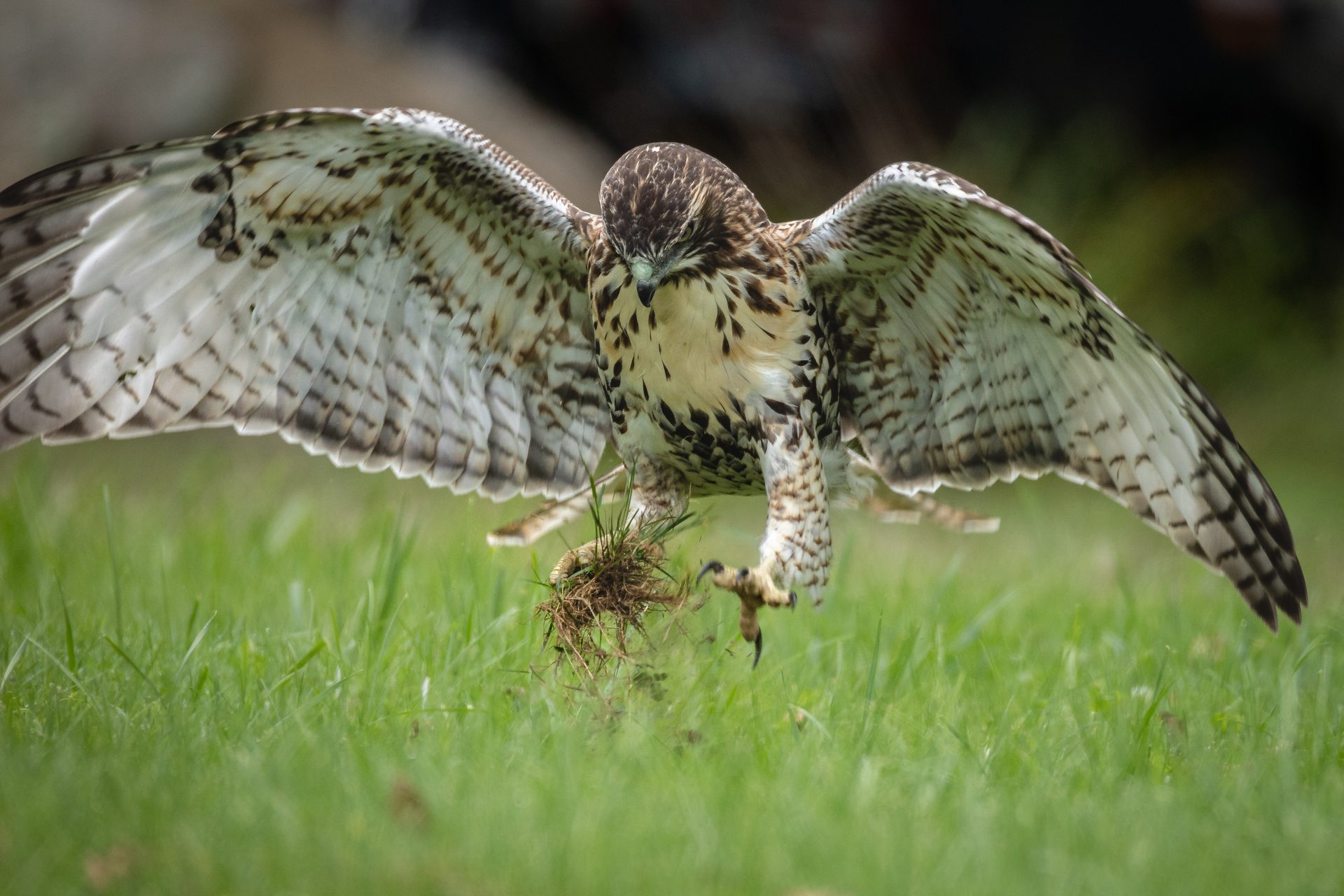 Red-tailed Hawk © Dave Cimma
 -
 Red Tailed Hawk
 -
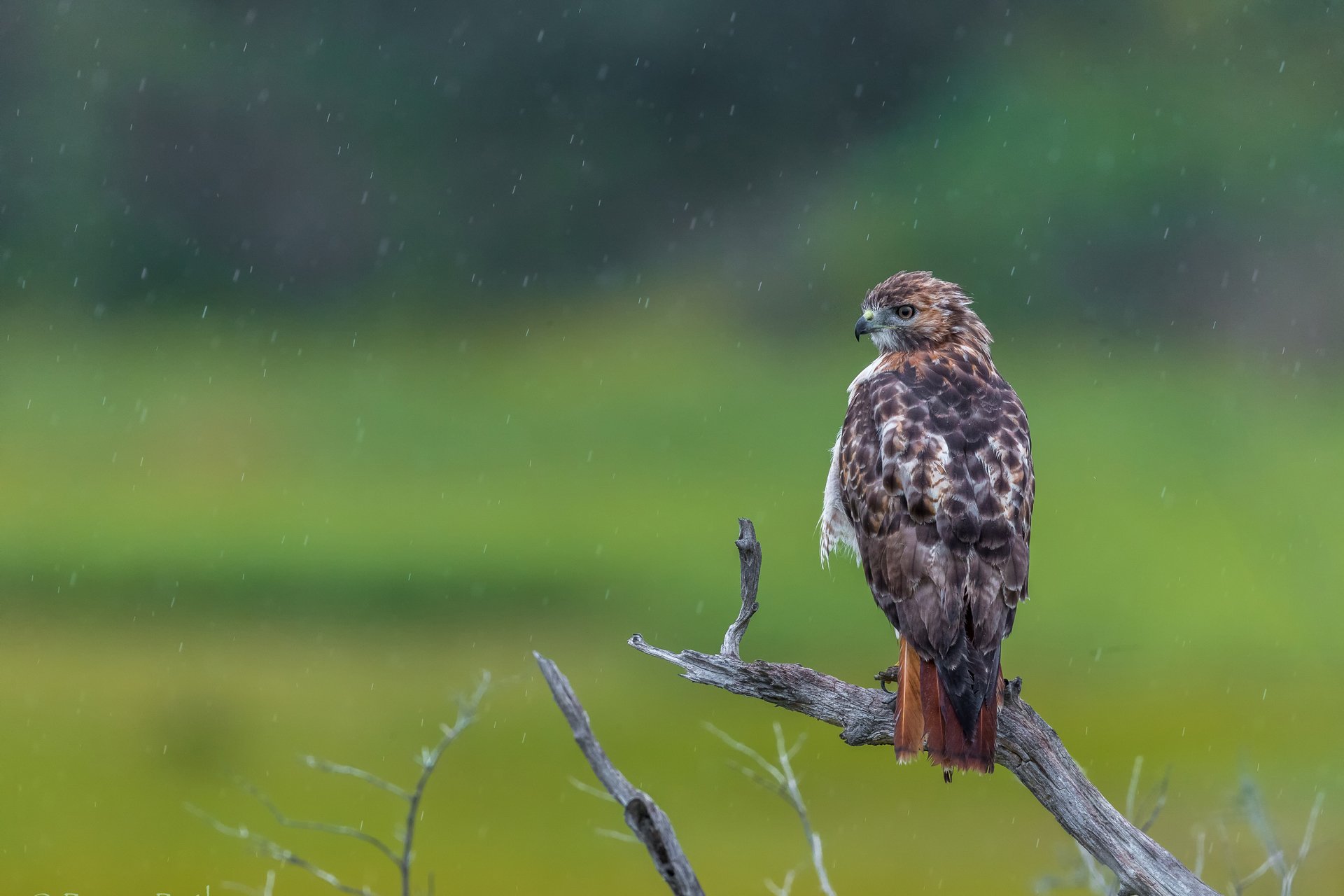 Red-tailed Hawk © Bryan Batley
 -
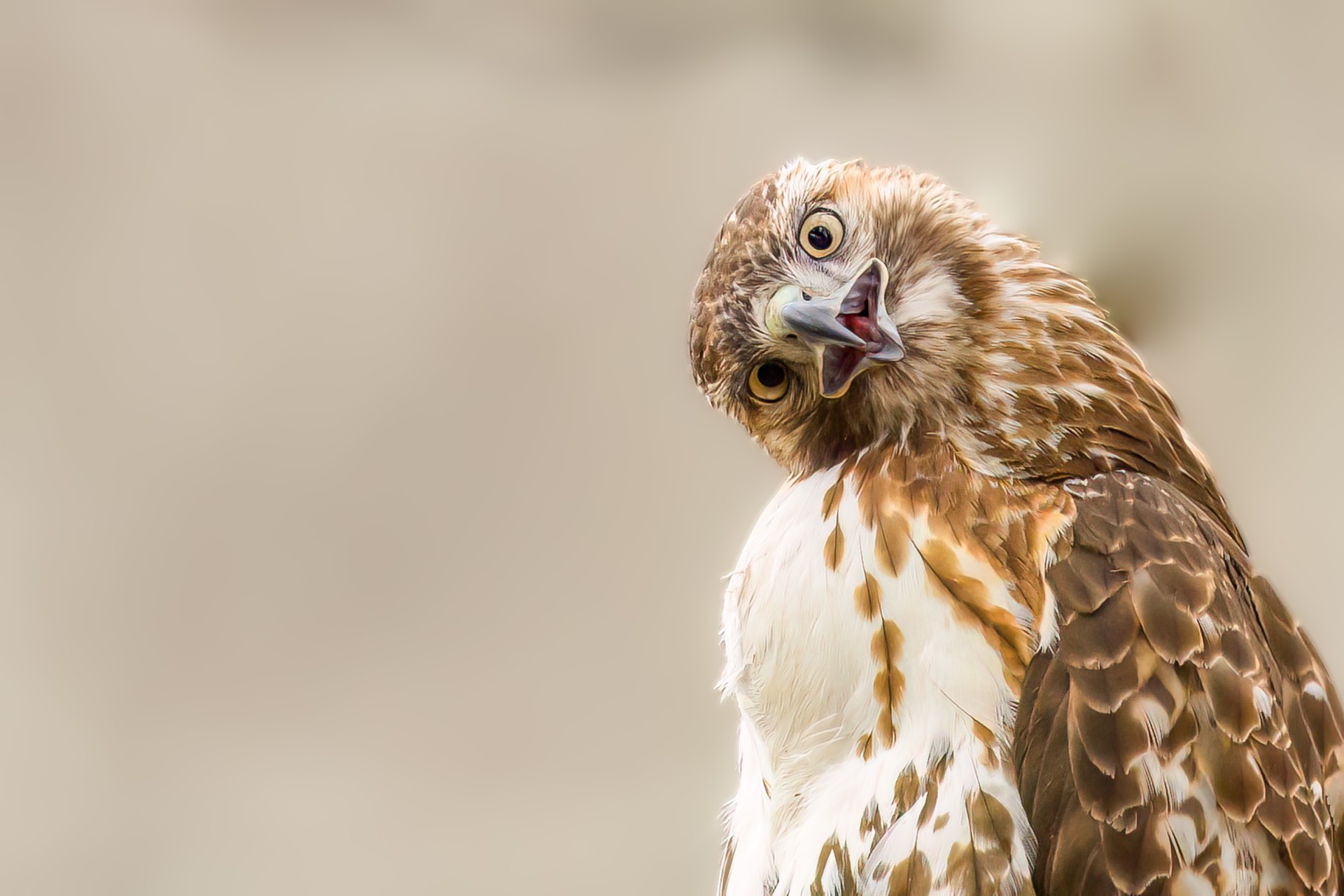 Red-tailed Hawk © David Morris
 -

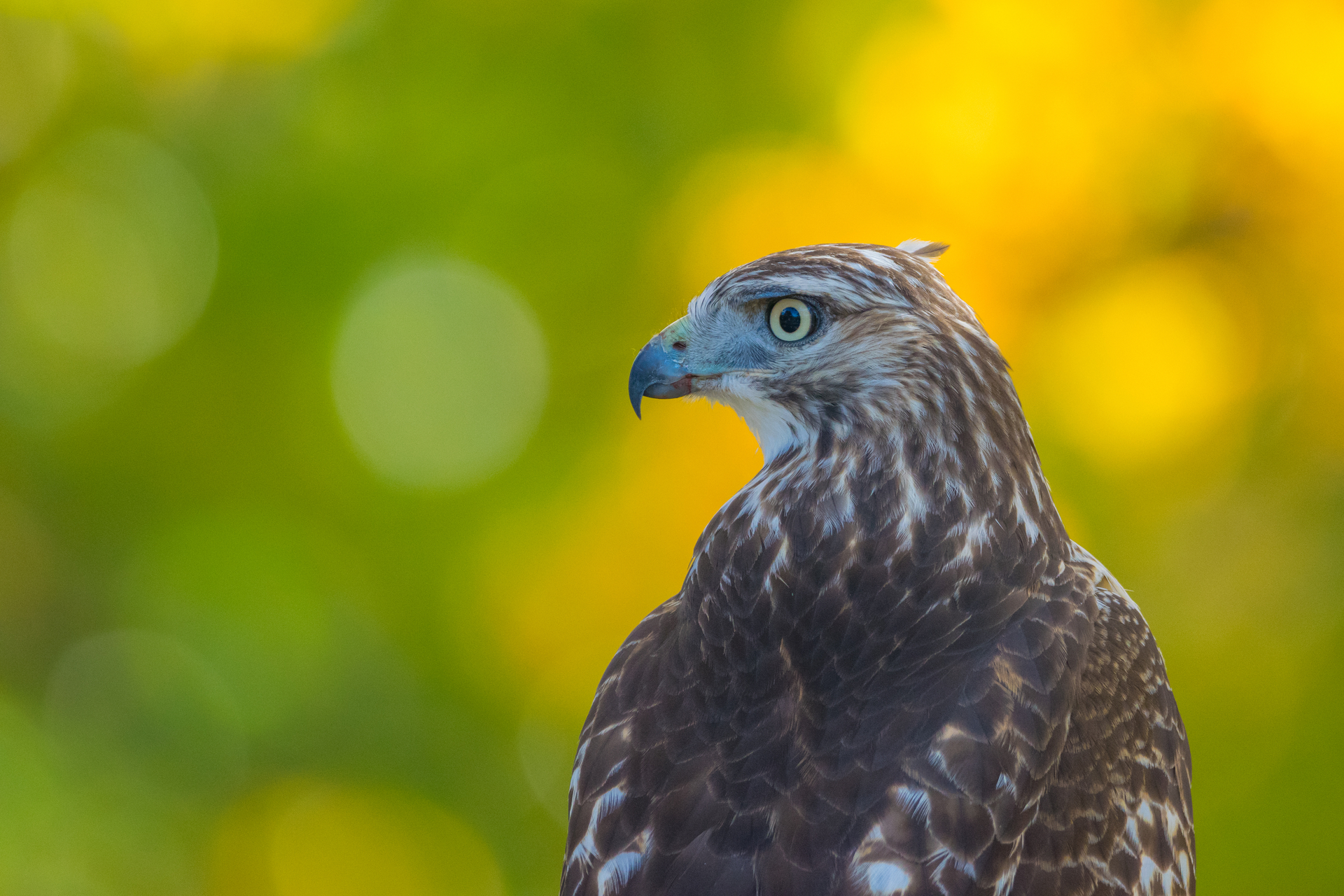
Did you know? Only the adults sport a red tail. Juveniles—who are the same size as adults—keep their brown tail feathers for a year after they're born. Young birds continue to rely on their parents for food for a month or more following fledging and can often be heard screeching for food (loudly) in late summer.
If you've ever watched a movie featuring a screeching Bald Eagle, it's likely you were actually hearing a Red-tailed Hawk. Filmmakers often dub in the hawk because real Bald Eagle calls are chirpy and squawky.
September is Prime Time for Hawk Watching
September kicks off a birding phenomenon that draws scores of birds and people to the skies: hawk migration.
The best conditions typically follow a cold front, when clear, cool air rides over warmer ground and creates thermals. These columns of rising air let hawks soar for miles without flapping a wing, so hawks will hitch a ride on their way down to wintering grounds south.
Fall migration runs late, beginning in September and continuing into December. Autumn flights at favored lookouts such as Mount Wachusett in Princeton often yield daily totals of 10 to 20 birds and can exceed 40 to 50. However, these counts are perhaps only a third as large as those recorded 30 years ago.
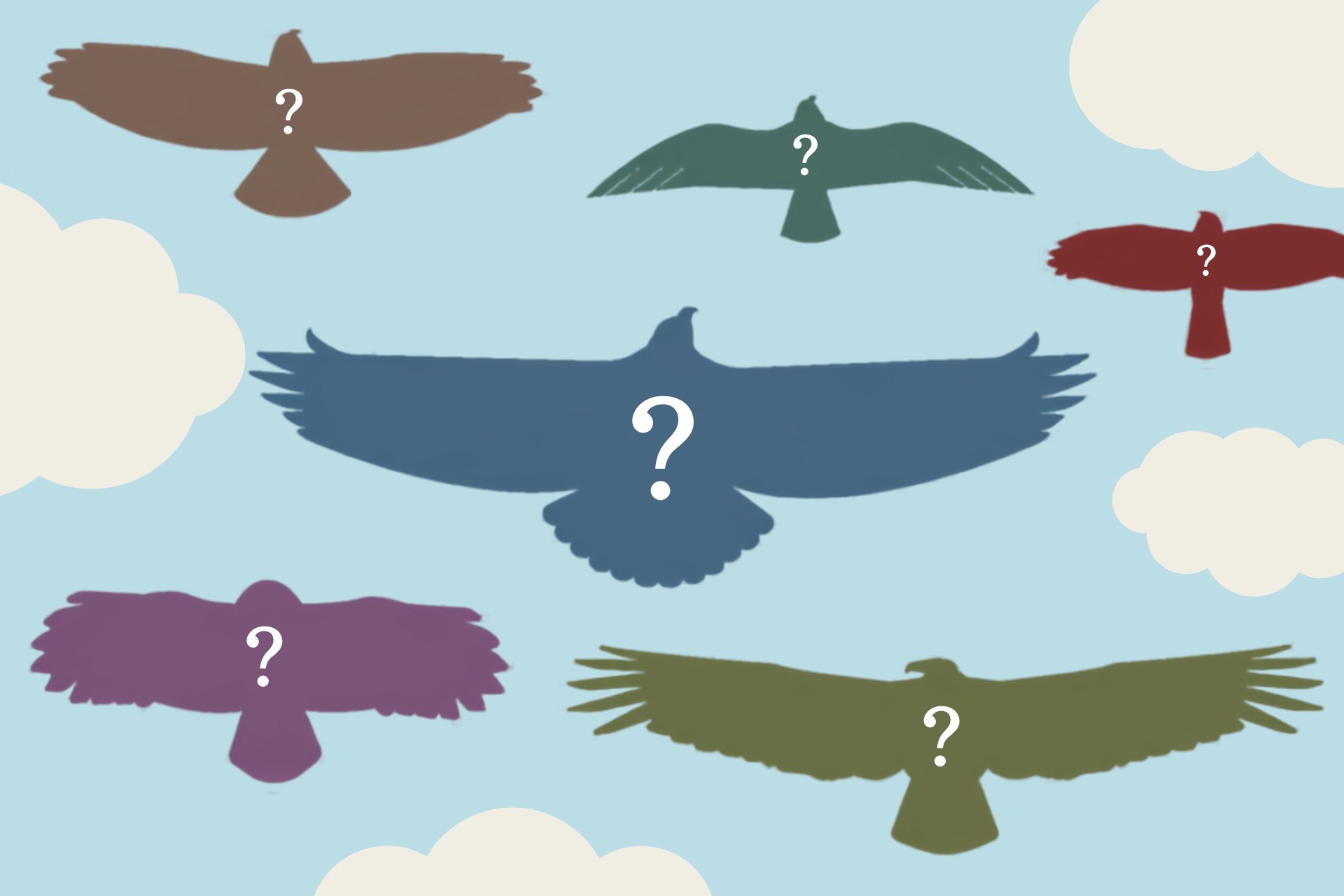
Eyes to the Skies Raptor Guide
Who's that flying overhead? Download our free guide to find out!
Where to Hawk Watch
The best hawk watching spots share three things: elevation, a clear view to the north or northwest, and open sky for hawks to catch a thermal.
In the fall, Mount Tom State Reservation (Easthampton), Wachusett Mountain State Reservation (Princeton), and Mount Watatic Reservation (Ashburnham) are especially good for hawk watching.

Rockin' with Raptors
Saturday, September 26, 12:00-3:00 pm
Come face-to-face with awe-inspiring birds of prey at this free family-friendly event at the Boston Nature Center.
Upcoming Hawk Programs
See MoreExperience the Joy of Birdwatching
-
Magnolia Woods, Gloucester
-
Saturday, October 17
9:00-11:00am
Adults
Wildlife Walks & Creative Time at The Nest
-
Museum of American Bird Art Education Center, Canton
-
Saturday, November 7
11:30am-1:30pm
Families with children 5 - 17
Bobolinks, Herons & More: Birding at Millennium Park
-
Millennium Park, West Roxbury
-
Sunday, November 8
8:00-10:00am
Adults
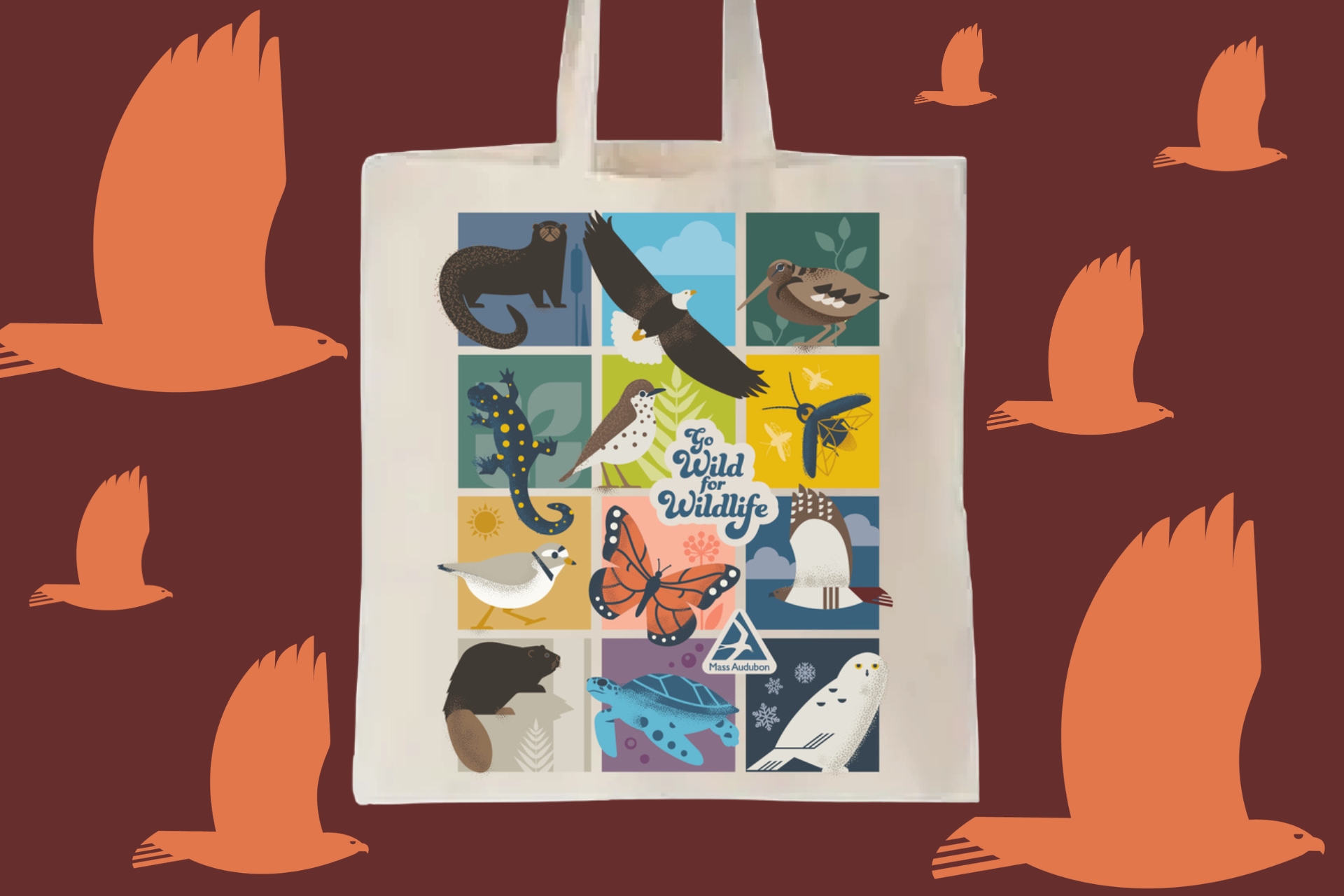
Share Your Wild Story for a Chance to Win
Have you seen something amazing flying through the skies? We want to hear about it!
Every story shared enters you into our Wild for Wildlife tote bag giveaway.

Shake Your Tail Feathers
Rep the Red-tailed Hawk all season long in our new limited-edition tee, where every purchase supports the wildlife you're wearing.
Rodenticides Threaten Red Tailed Hawks and Others
Raptors and other predators are critically important members of Massachusetts ecosystems, but they are under threat. Second-generation anticoagulant rodenticides (SGARs), often found in common rat poisons, are sickening and killing shocking numbers of these animals after they eat poisoned rodents. Red-tailed Hawks are especially exposed: a recent study found 100% of the Red-tailed Hawks tested at a Massachusetts wildlife clinic carried SGARs in their system. Left unchecked, this threat reaches every corner of the state, from backyard bird feeders to the hawks circling overhead this fall.
A Campaign to Rescue Raptors
You can help turn this around. Mass Audubon's Rescue Raptors initiative trains and supports local advocates working to reduce SGAR use in their own communities, and we're building that movement town by town.
Join our Climate and Nature Champions program to get the tools and training to launch or join a campaign near you, or simply spread the word about wildlife-safe rodent control to neighbors, landlords, and local pest control professionals. Every voice added to this campaign brings Massachusetts closer to a safer future for Red-tailed Hawks and the rest of our wild neighbors.
Protect Red-Tailed Hawks
You can help hawks thrive for generations to come.
Keep Going Wild
Every month, we’ll highlight a new charismatic species with fun facts, programs, free resources, and ways to get involved—join our wild year to stay in the loop.