



Go Wild for Fireflies
Let Your Light Shine
The sun begins to dip and the heat subsides. As night creeps in, a flash appears in the distance—and then another, and another, and another. One by one, small insects light up meadows and forests with a bioluminescent glow, signaling messages only the observant can decode.
This month, as part of our yearlong celebration of wildlife, we're shining a light on the insect that summer wouldn't be complete without: the firefly.
Why Do Fireflies Light Up?
Those summer flashes aren't random, they’re conveying important information between fireflies. Generally, each species has its own signature pattern of flashes, varying in color, duration, and timing, which males and females use to find and choose their mates in the dark.
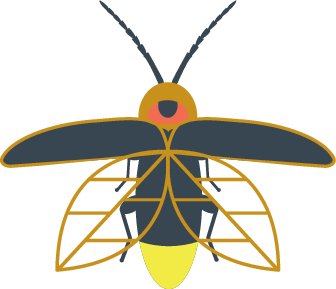
Fireflies produce light through a chemical reaction in their lower abdomen, a phenomenon known as bioluminescence.
Glow Big or Go Home
Every Flash Tells a Story
With a little practice, you can start to identify what types of fireflies you're seeing by their flashes. For example, watch for the lazy, looping J-shaped dip of the Common Eastern Firefly, Photinus pyralis. Pyractomena species' flashes tend to be more amber-hued, while Photuris species' can be bright green bursts.
The key is to go dark yourself: leave the flashlight at home (or cover it with red acetate to avoid disrupting their signals), let your eyes adjust, and simply watch. You may be surprised how quickly a summer night starts to feel like you're reading a secret code.
Learn the Ways of the Firefly
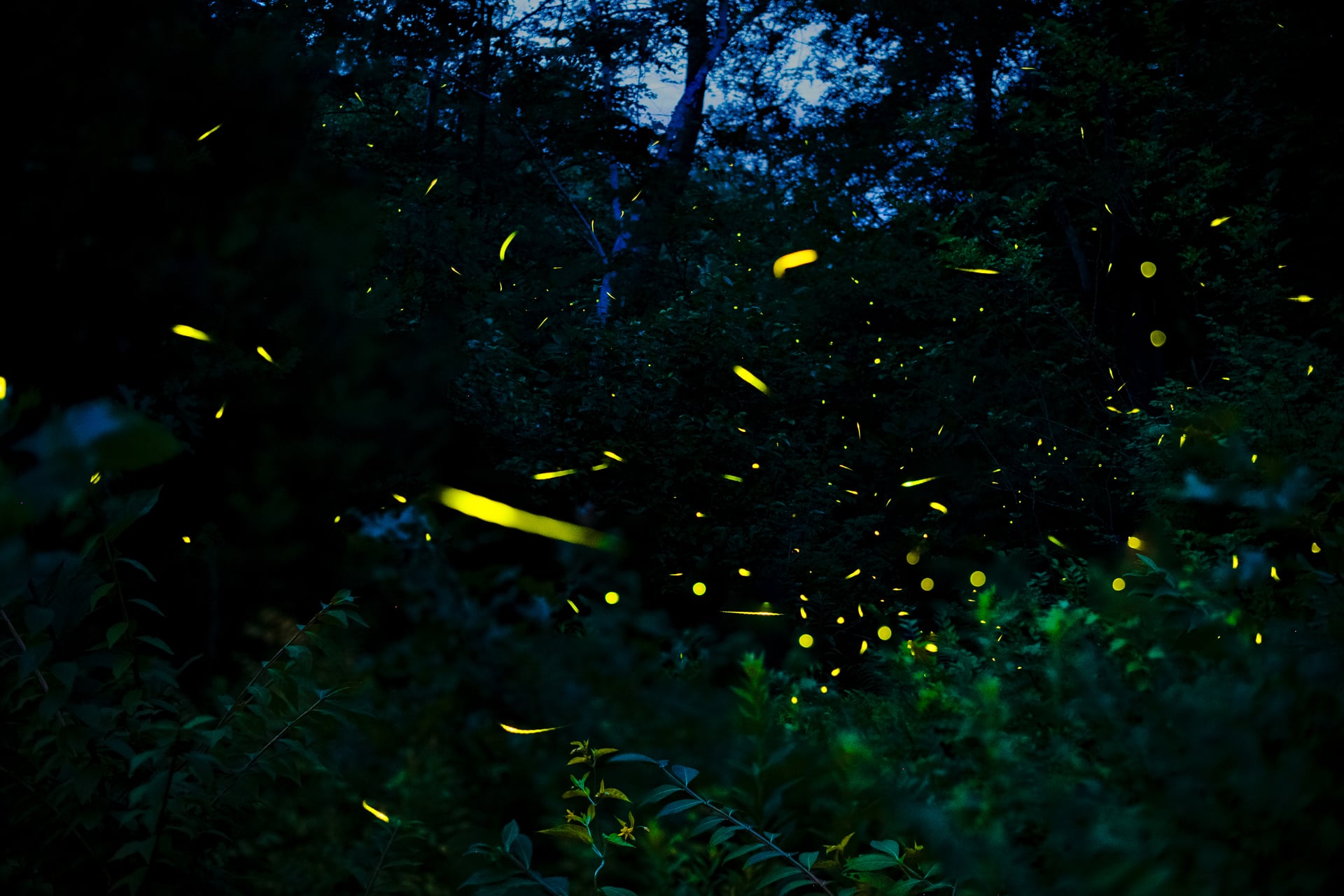
Get Mass Audubon's Flash Pattern Guide
Learn how to decode the flashes with this helpful guide.
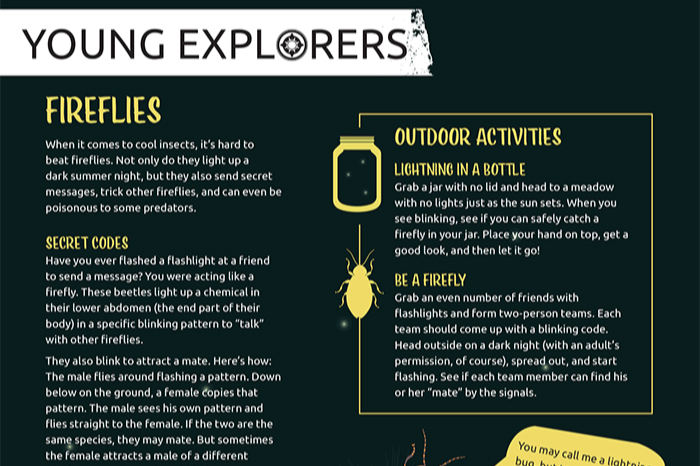
Firefly Activity Sheet
Loved by all ages and perfect for kids, this educational activity sheet is full of fun facts, flashy activities, and interactive games.
Firefly Fest at North River, Marshfield
Saturday, July 11, 7:30-9:30 pm
Bring your curiosity, sense of awe, and the whole family for an unforgettable evening immersed in one of summer’s most magical natural wonders. Get more details
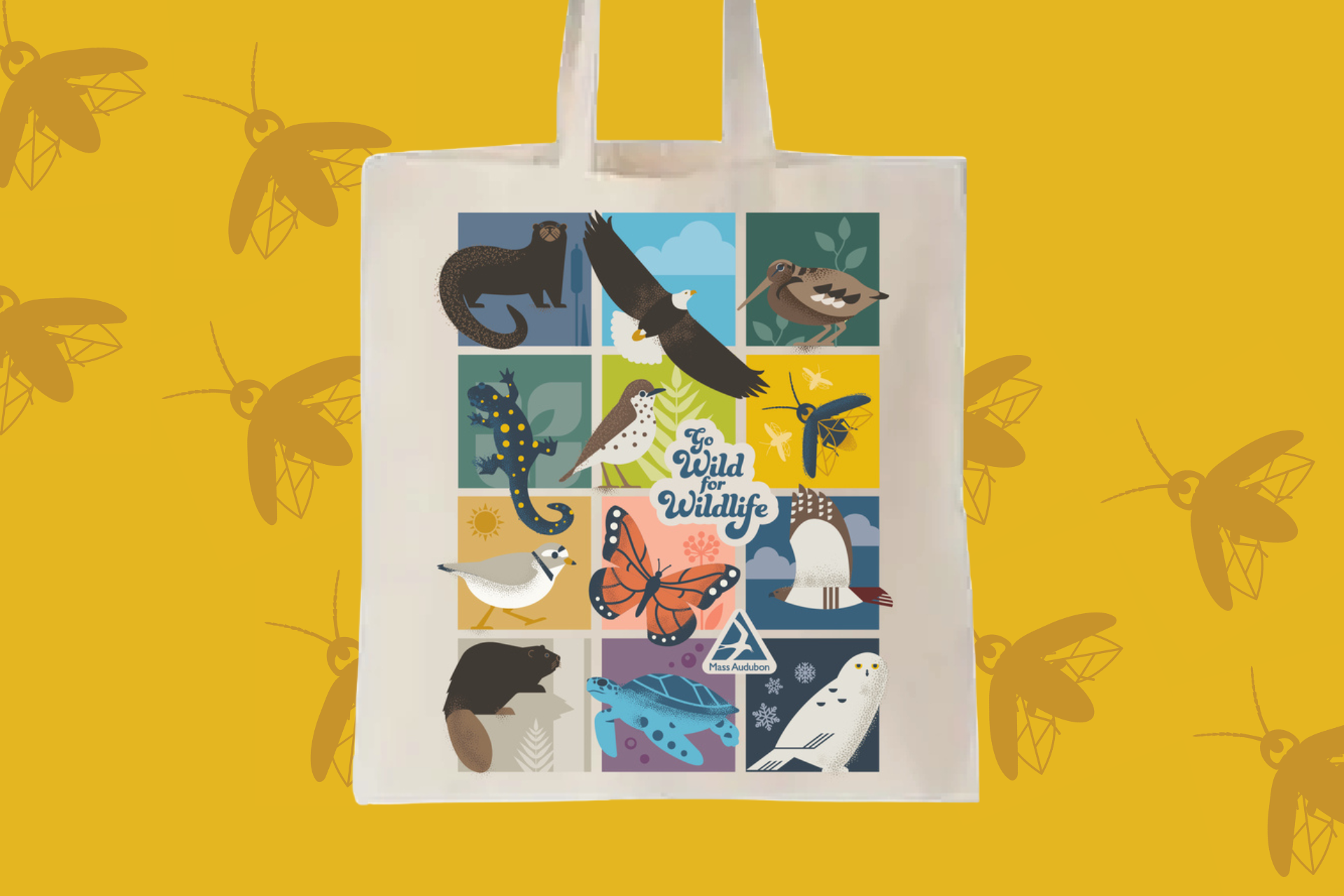
Share Your Wild Story for a Chance to Win
Have you seen a meadow transform into something magical? We want to hear about it!
Every story shared enters you into our Wild for Wildlife tote bag giveaway.
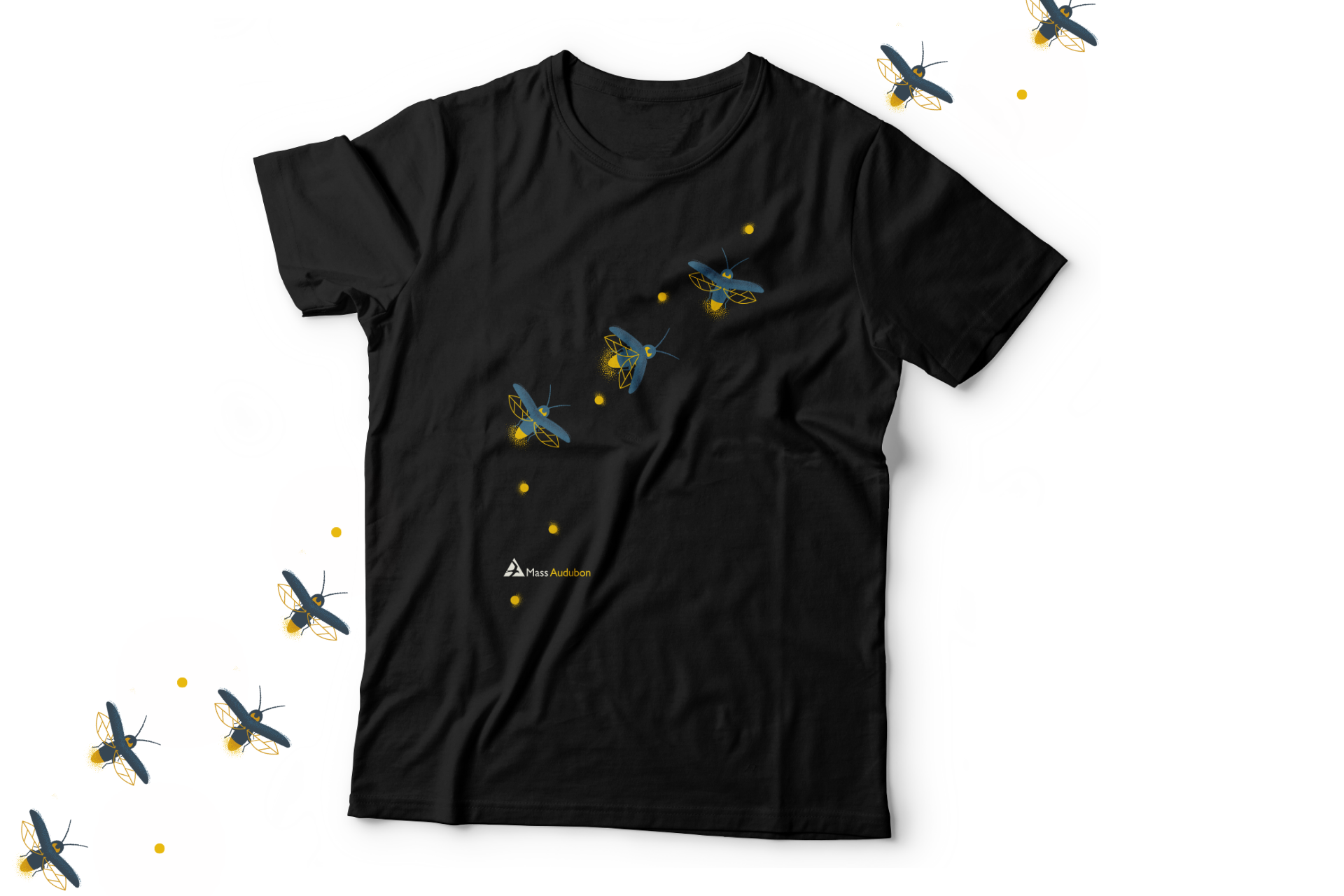
Flashy Fashion
Broadcast your own signal: that you love fireflies and you look great in this shirt.
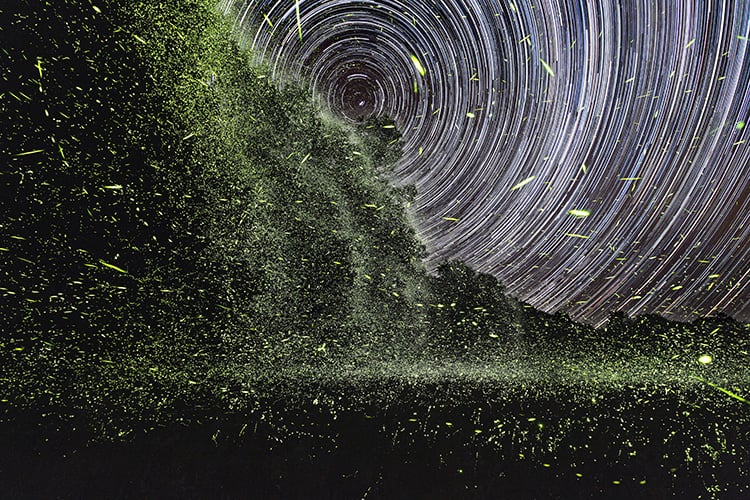
Lights, Camera, FLASH!
Have you mastered low light photography? Long exposure? Macro lenses? Submit your photos to Mass Audubon's Photo Contest to find out.
More Than Magic: Fireflies & the Health of Our Landscapes
More than a beloved summer spectacle, fireflies are indicators of ecosystem health. But across New England, their numbers are quietly declining. Mass Audubon's conservation work around the state, both on and off its wildlife sanctuaries, helps protect these remarkable insects.
Four Pressures Pushing Fireflies into Darkness
- Habitat Loss: Residential and commercial development continues to fragment and destroy the wetlands, meadows, and woodlands that fireflies depend on.
- Light Pollution: Nighttime artificial light, from streetlights, buildings, and vehicles, disrupts the flash signals that fireflies use to find mates. When females cannot read a male's pattern, or vice versa, reproduction fails.
- Pesticide Use: Broad-spectrum insecticides, including those used for mosquito control, kill firefly larvae in the soil along with their target species.
- Climate Changes: Drought and altered water flows linked to climate change threaten the moist habitats most firefly species need to survive and reproduce.
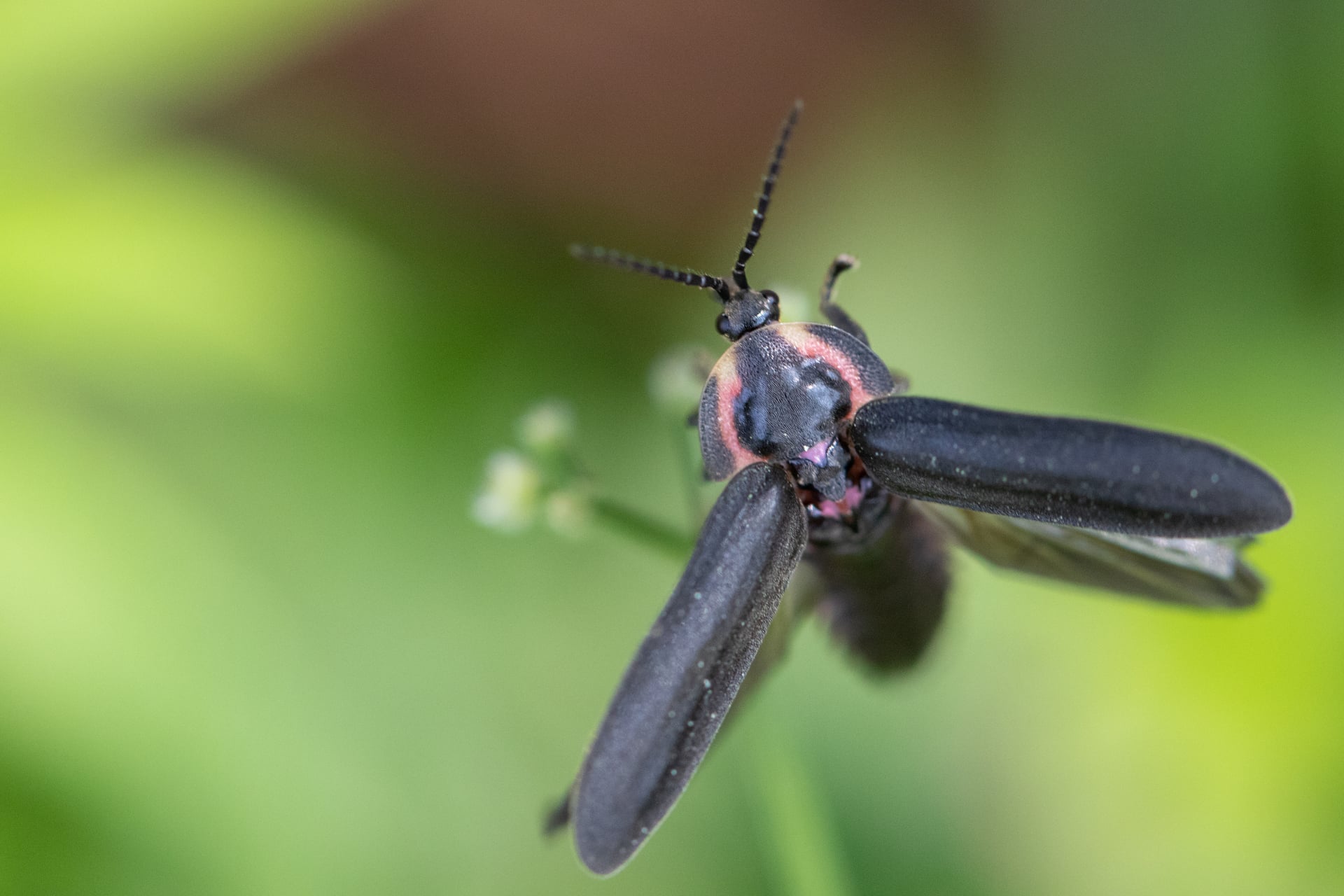
How We Can Spark the Change Fireflies Need
Fireflies cannot thrive without the right conditions, so protecting wildlife habitat is where our work begins. Mass Audubon's wildlife sanctuary network of over 41,000 acres includes wetlands, seasonal pools, meadows, and forest edges that fireflies call home throughout their entire life cycle. In your own corner of the world, you can let fallen leaves lie and mow lawns less often, as dead leaves and higher-growing grasses are a critical part of their needed habitat.
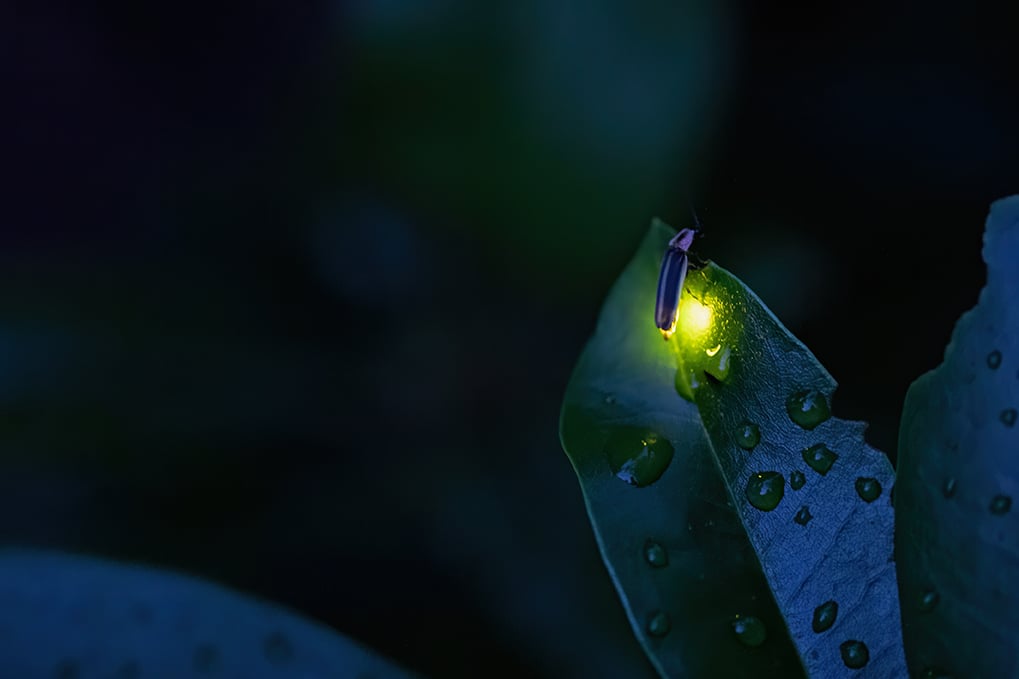
Protect Fireflies
You can help protect the habitats that make a summer night come alive.
Keep Going Wild
Fireflies are just the beginning! Every month, we’ll highlight a new charismatic species with fun facts, programs, free resources, and ways to get involved—join our wild year to stay in the loop.