


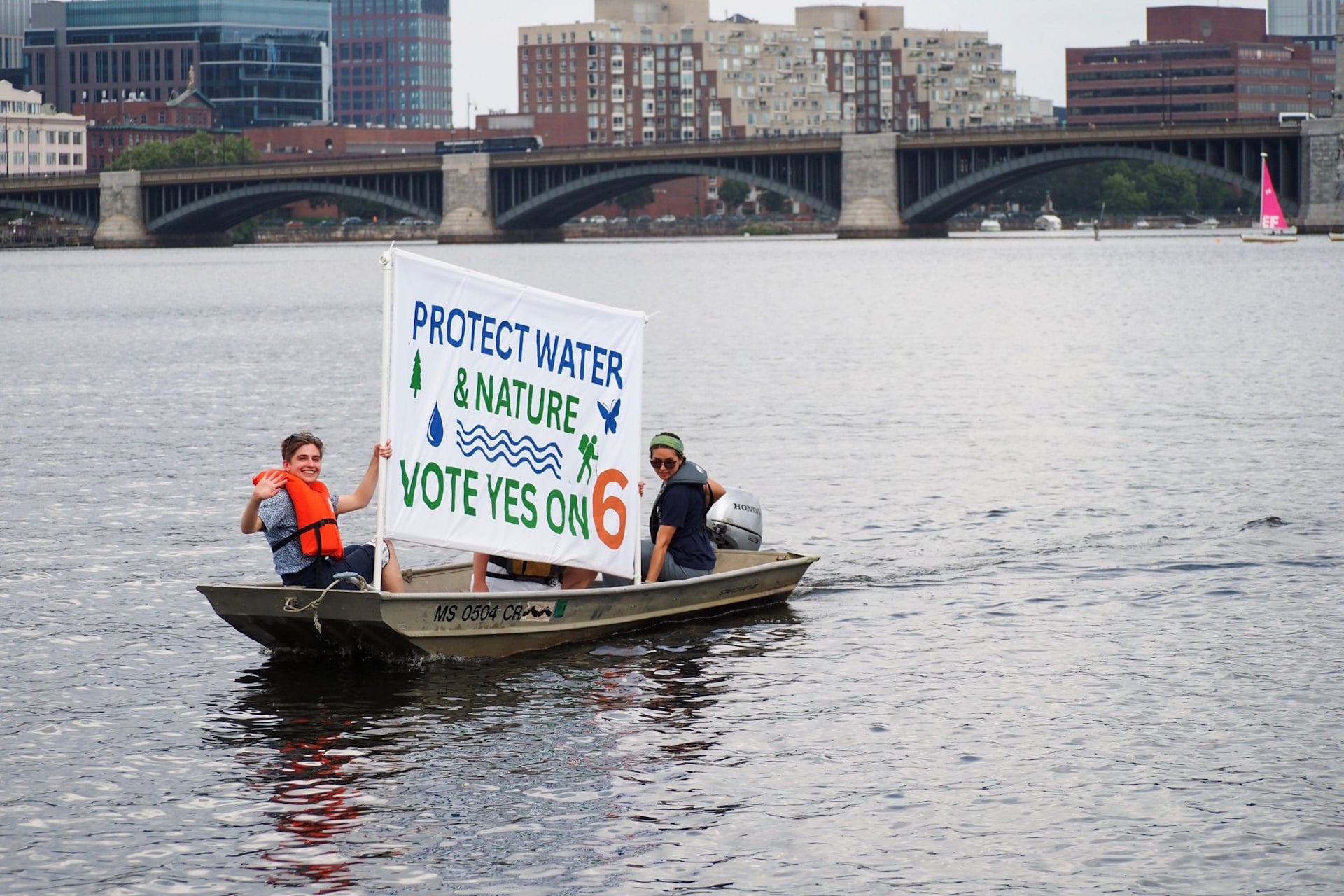
Vote Yes on 6
Protect Water & Nature in Massachusetts — Without Raising Taxes
Mass Audubon is one of 90+ organizations and businesses advocating for the state to dedicate as much as $100 million annually to conserve land and protect clean water, improve outdoor recreation, and build climate resiliency.
What Your YES Vote Will Do
Question 6 will create a permanent Nature for All Fund to invest in actions that keep Massachusetts healthy and resilient, such as:
- Protect clean drinking water
- Conserve forests, farms, and wildlife habitat
- Improve parks, trails, and outdoor recreation
- Strengthen communities against flooding, heat, and climate impacts
- Expand access to nature across the Commonwealth
The fund does this without creating any new taxes. Instead, it dedicates a portion of existing sales tax revenue from sporting goods to conservation.'
Ways to Get Involved
Pledge Vote Yes on 6 and Volunteer!
Make a pledge, sign up to volunteer, request a lawn sign, and more.
Tell us how you want to get involved
Pick Up Lawn Signs & More
Find a location to pick up campaign materials. Please check opening hours for each site before going.
Find a sanctuary
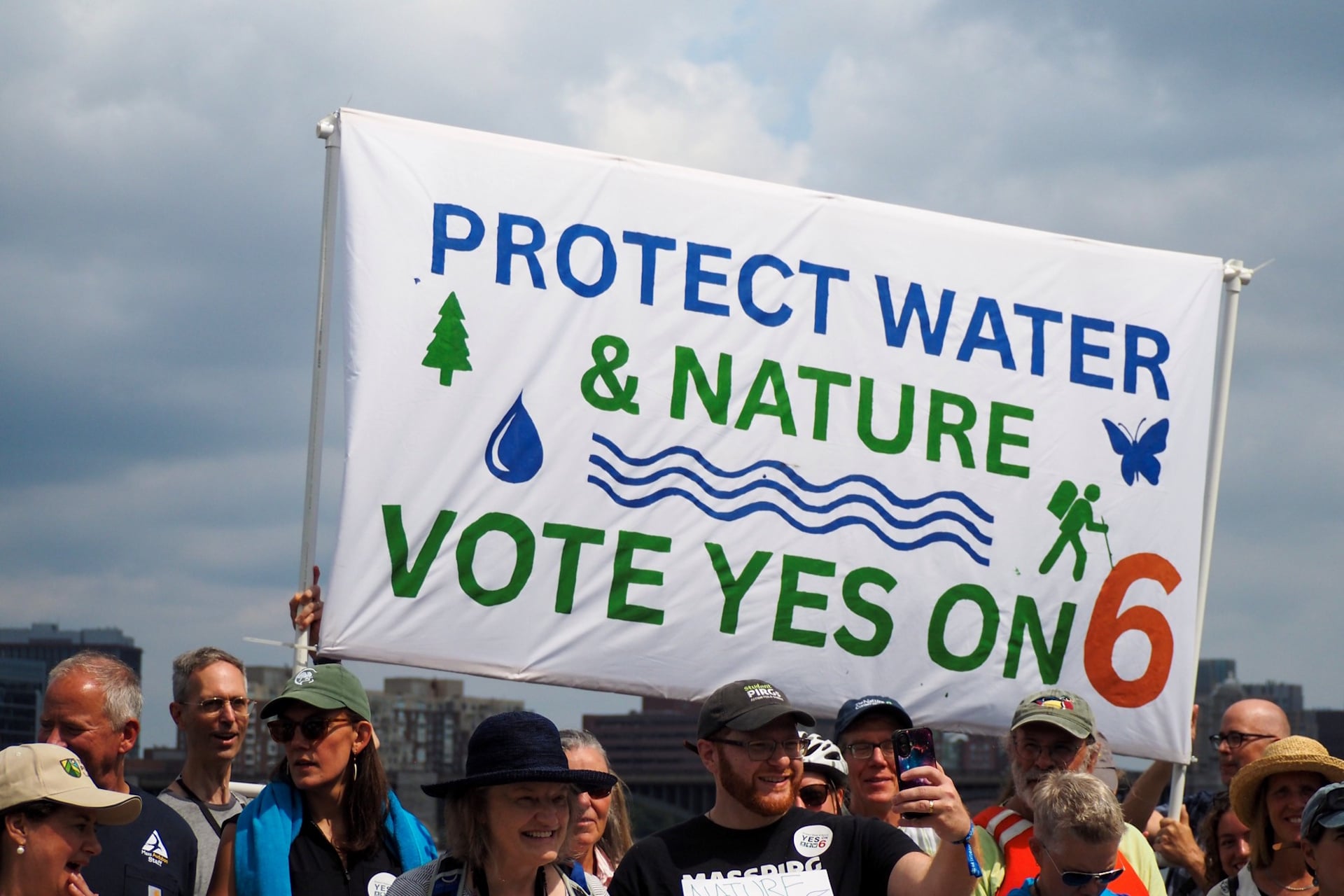
Conservation Is a Smart Investment
Mass Audubon believes that protecting land and water is not a luxury. It is one of the smartest investments Massachusetts can make.
Protecting nature has a ripple effect. Healthy forests, wetlands, and watersheds filter drinking water, reduce flooding, support local farms, improve public health, and strengthen local economies. Studies have found that every dollar invested in land conservation can return four dollars in economic value through ecosystem services, recreation, and avoided infrastructure costs.
Delaying conservation does not save money. It often means paying more later to restore degraded landscapes, repair flood damage, or replace the natural systems that already provide these benefits.
FAQ
Nature for Massachusetts Coalition is a group of over 90 organizations representing environmental advocacy, land conservation, environmental justice, water protection, indigenous access, industry, and outdoor recreation.
Massachusetts law gives residents the opportunity to place citizen initiatives before voters through a multi-step petition process. Thanks to the extraordinary efforts of Mass Audubon, 90+ coalition partners, and thousands of volunteers across the Commonwealth, more than 125,000 signatures were collected to qualify this initiative for consideration.
Massachusetts has committed to conserving 30 percent of our lands and waters by 2030. We believe the state needs to live up to that commitment. Achieving that goal requires sustained investment, public support, and every available policy tool.
Mass Audubon believes conservation cannot wait. We will continue working with legislators, local leaders, landowners, and communities across the Commonwealth. We also believe voters deserve the opportunity to decide whether protecting clean water and nature should remain a lasting statewide priority.
Question 6 reflects years of collaboration among conservation organizations, community groups, businesses, and volunteers who believe that protecting nature strengthens our economy, our health, and our quality of life.
Healthy landscapes and clean water do not happen by accident. They happen because previous generations chose to protect the forests, wetlands, and watersheds we all depend on. Question 6 is our opportunity to do the same for the next generation.
Latest News
See all news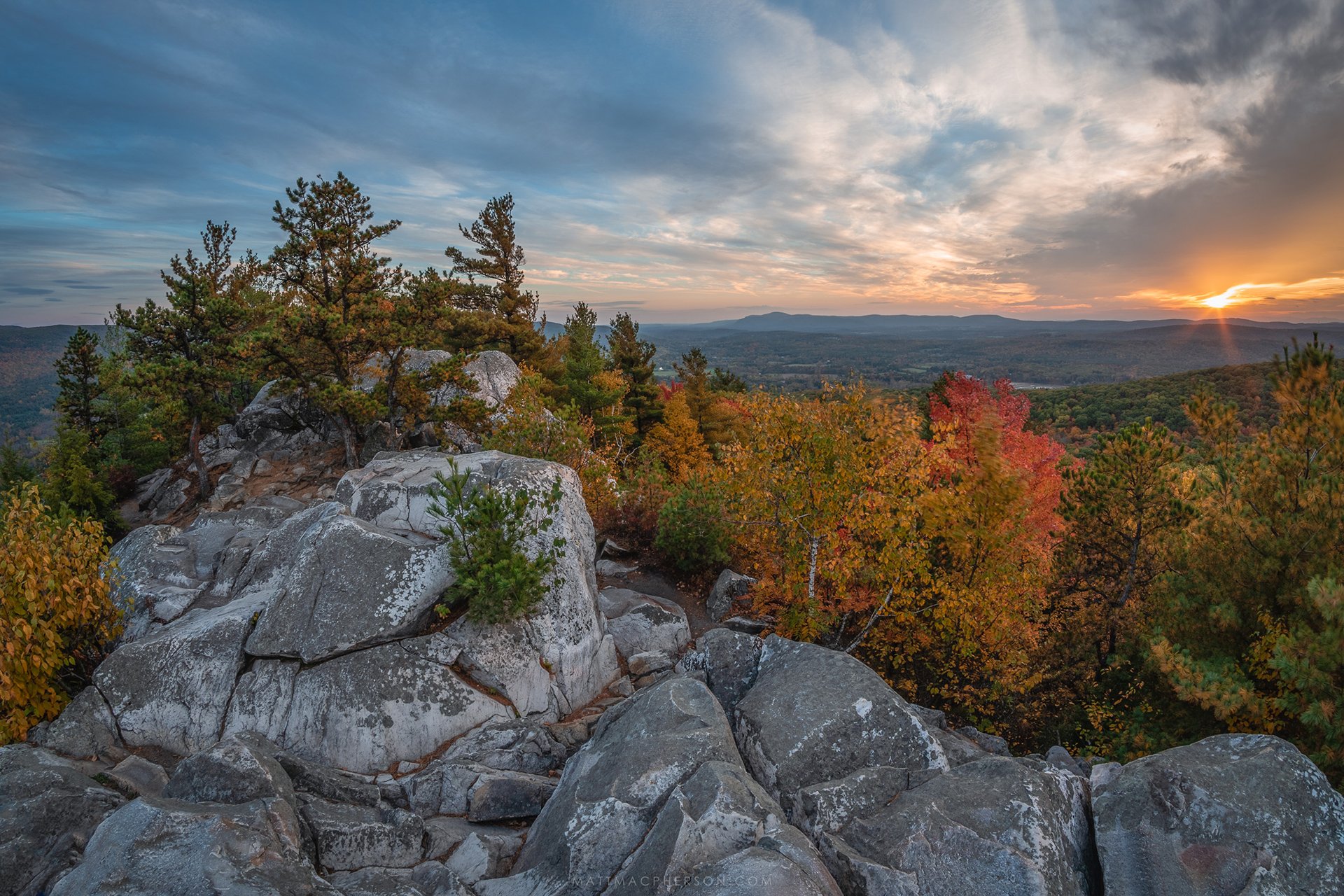
6 Reasons to Vote Yes on 6
Keep Reading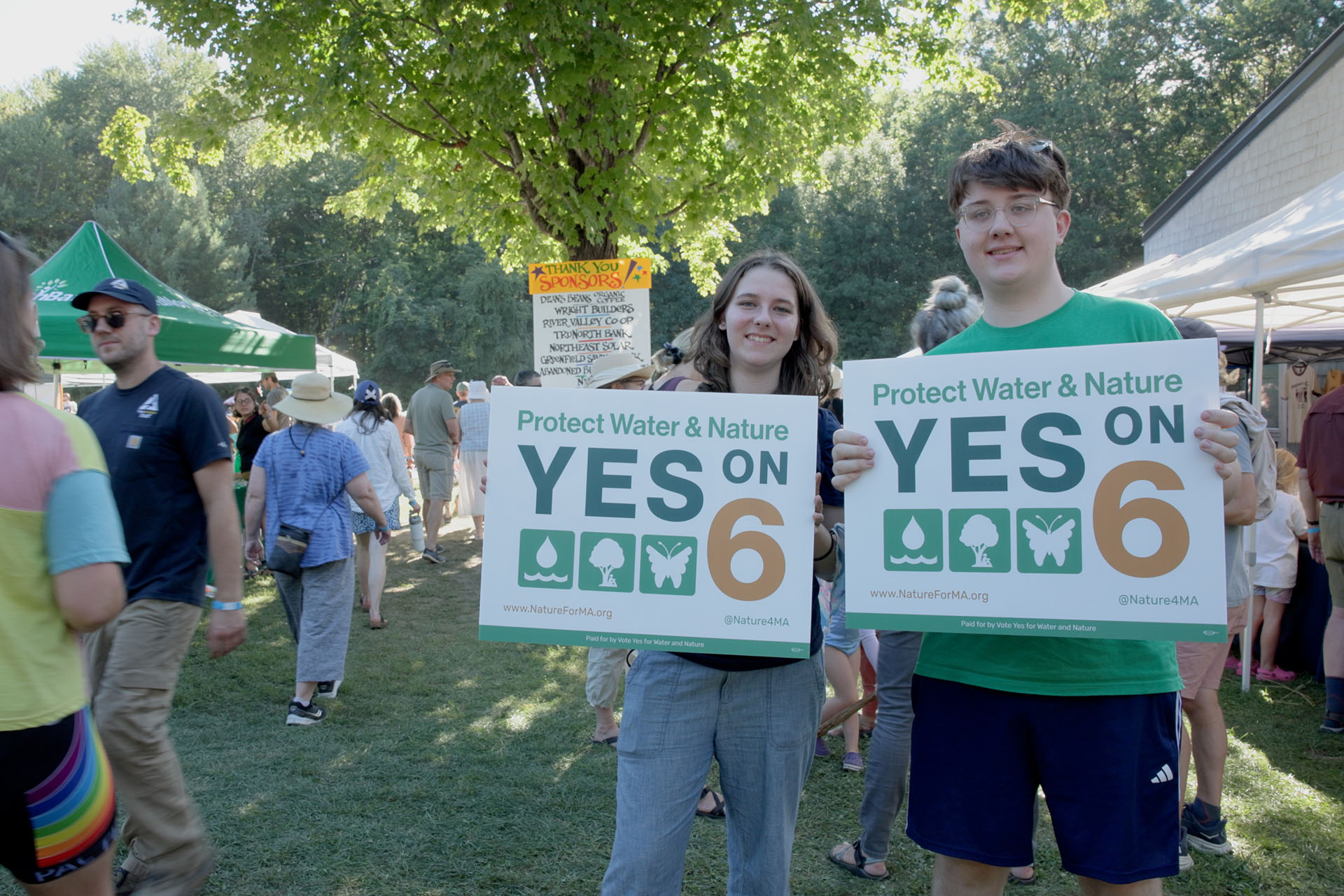
How You Can Help Pass Yes on 6
Keep Reading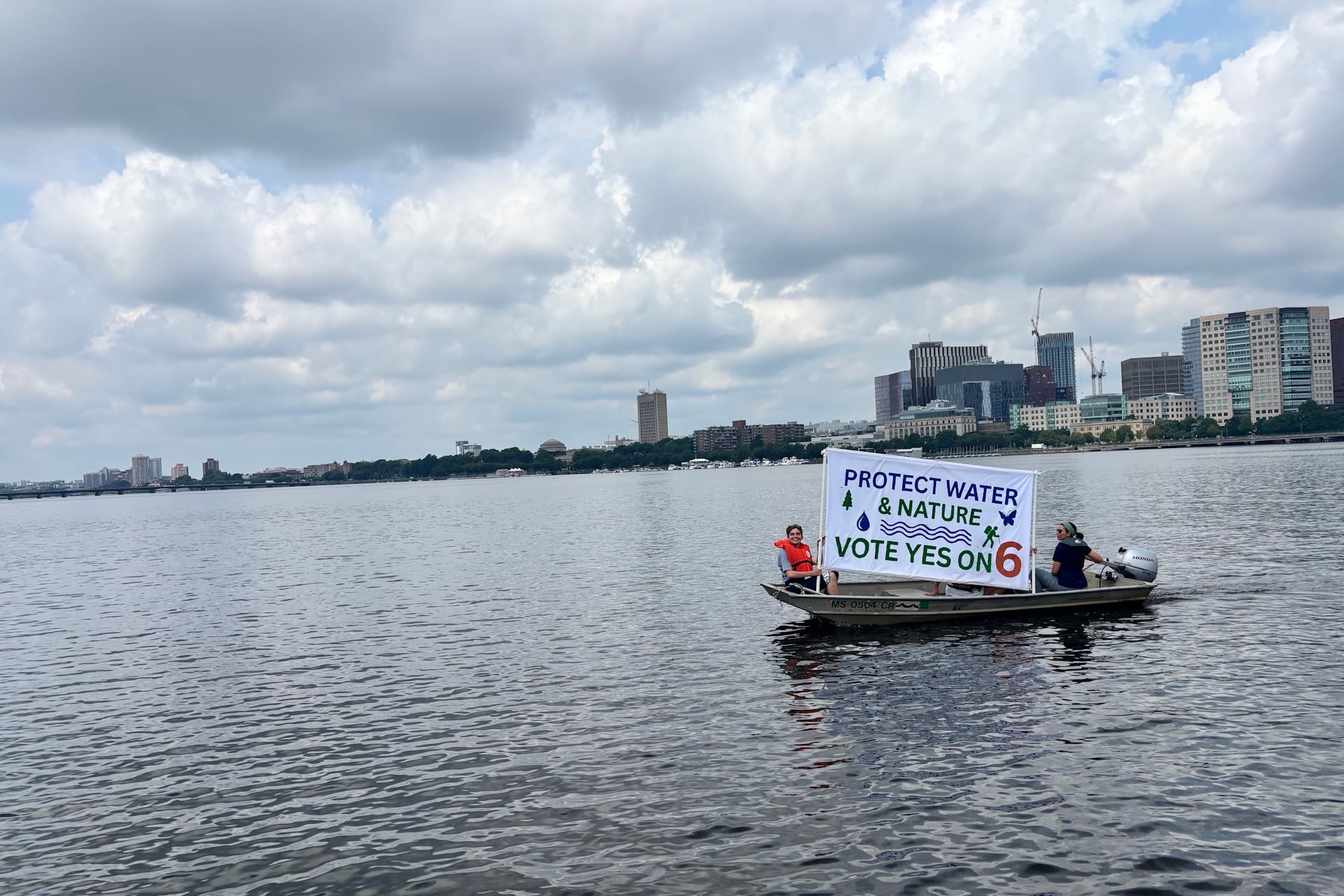
YES on 6! A Permanent Nature and Water Fund is on the Ballot
Keep ReadingStay Connected
Don't miss a beat on all the ways you can get outdoors, celebrate nature, and get involved.