


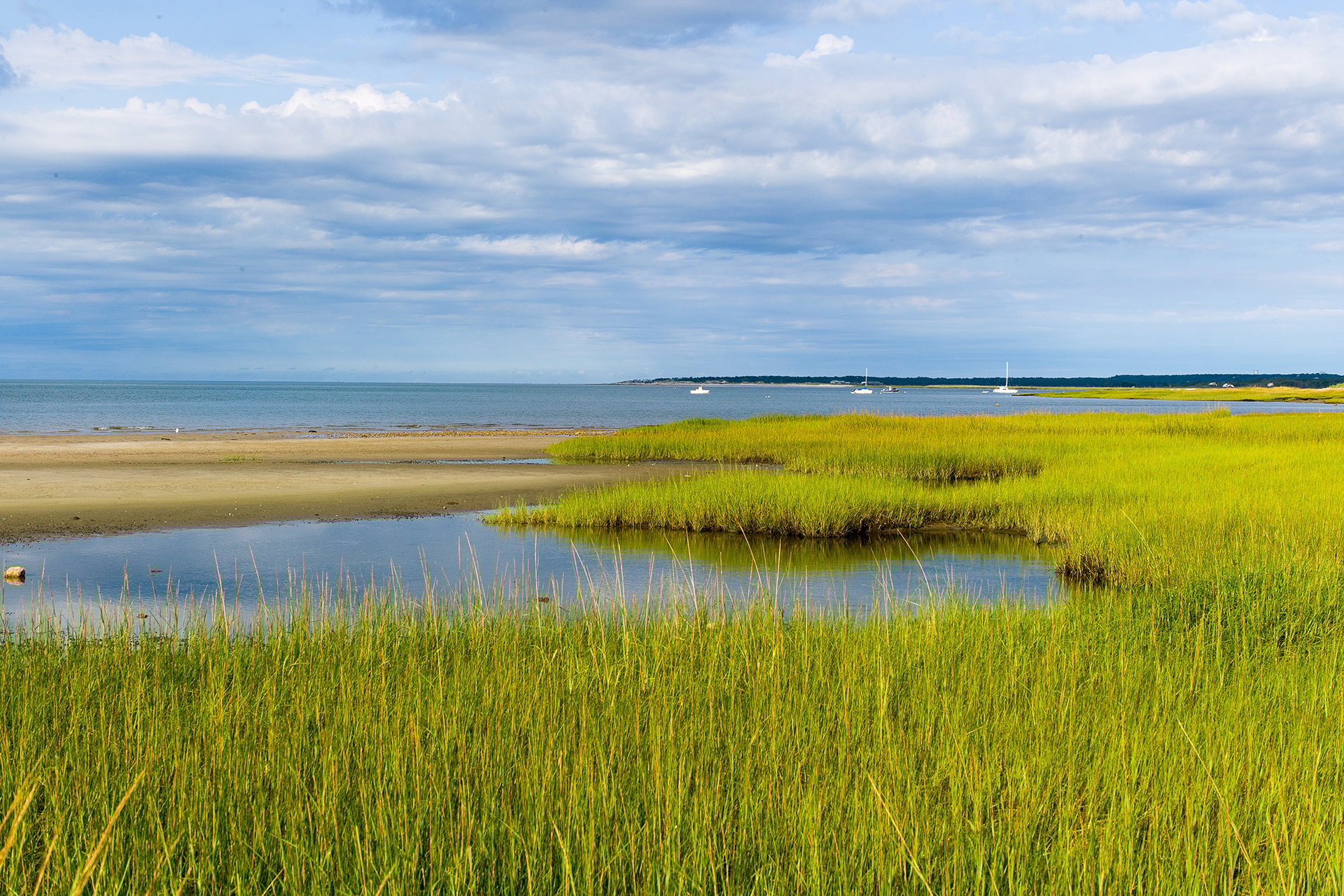
Twenty thousand years ago, a massive ice sheet blanketed Massachusetts, carving and shaping the landscape we know today. Among its most remarkable legacies coastal plain ponds formed in glacial outwash plains and ancient lake beds rich in sand and gravel. Shallow, acidic, and nutrient-poor, these ponds support specialized plants and wildlife found in few places on Earth.

Ecologically Unique and Globally Rare
Their connection to the underground aquifer sets coastal plain ponds apart from other bodies of water. Rather than being fed by rivers or streams, their water levels rise and fall with the water table. This natural cycle creates a dynamic shoreline that constantly changes.
In spring, higher water levels inundate the pond's edges, preventing shrubs and trees from taking hold. By late summer, as waters recede, a narrow band of exposed shoreline emerges, revealing a rare coastal plain pondshore habitat.
Coastal Plain Pond Plants & Wildlife
Plants and animals living in coastal plain pondshores adapted to this cycle of change, with many species that are rare, threatened, or found almost nowhere else.
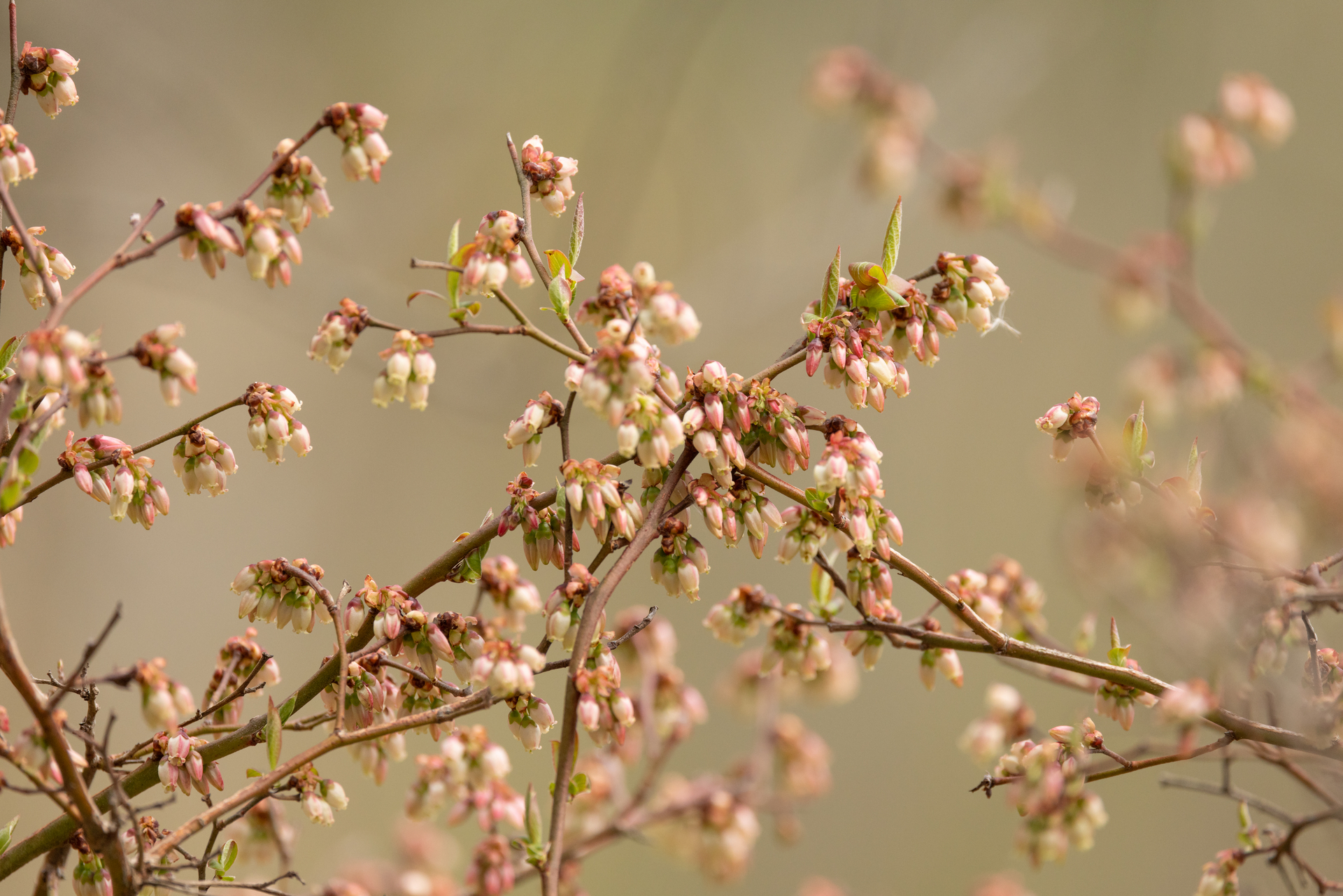
Upland pitch pine and oak forests give way to shrubs such as highbush blueberry and sweet pepperbush before transitioning to the exposed pondshore, where wildflowers including slender-leaved goldenrod, pink tickseed, pondshore rush, lance-leaf violet, and the elusive Plymouth gentian can flourish.
Some plants lie dormant for years beneath the water, waiting patiently for just the right conditions to sprout, bloom, and thrive. In the water, aquatic plants take over, with delicate pipewort flowers rising above the surface and water lilies floating in deeper areas.
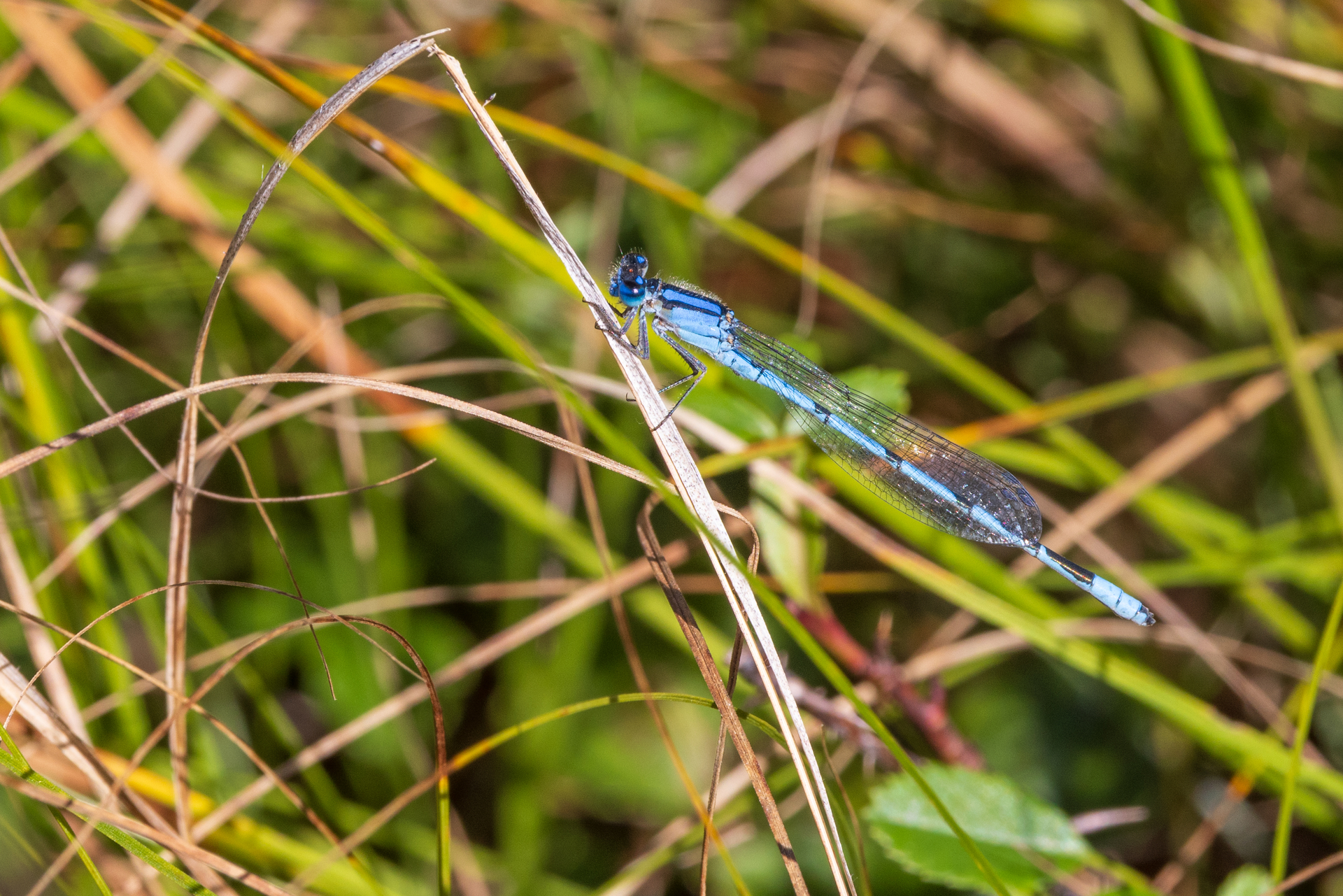
More than 45 species of dragonflies and damselflies also depend on coastal plain ponds during their life cycles, while migrating and wintering waterfowl rely on them as important feeding and resting areas. Signature wildlife of coastal plain ponds in Massachusetts include Eastern Spadefoot Toad, Northern Red-bellied Cooter, Eastern Ribbon Snake, as well as Scarlet and Pine Barrens bluet damselflies.
Help Protect Cape Cod’s Coastal Plain Ponds
Minor disturbances can leave a lasting mark on these highly sensitive pond and pondshore habitats.
Water drawdown is among the most significant threats facing coastal plain ponds. Localized drops in the water table can cause ponds to shrink, exposing shorelines and making them vulnerable to colonization by invasive plant species, which can outcompete native vegetation and diminish the biological diversity that makes this habitat so valuable.
Even small changes—like runoff from roads and lawns, or excess fertilizer—can alter water quality and disrupt natural water levels.
The Massachusetts Wetlands Protection Act protects coastal plain ponds and their shores and simple actions make a difference: conserve water, protect natural shorelines, reduce runoff, install and maintain septic systems, and support vegetated buffers around wetlands.
Experience the Changing Shoreline
Coastal plain ponds can be found throughout southeastern Massachusetts, with the largest concentration on Cape Cod.
You can visit one of these nature treasures at Mass Audubon’s Ashumet Holly Wildlife Sanctuary in Falmouth. Follow the Grassy Pond Trail, bordering the eight-acre shoreline of Grassy Pond, to see how changing water levels create distinct bands of vegetation, unveiling a striking mosaic of plant communities uniquely adapted to life between land and water. With new wildlife, wildflowers, and natural wonders appearing throughout the year, there’s always something new to see.
Mass Audubon’s public education efforts on Coastal Plain Pondshores is made possible thanks to the America the Beautiful initiative.
Stay Connected
Don't miss a beat on all the ways you can get outdoors, celebrate nature, and get involved.