


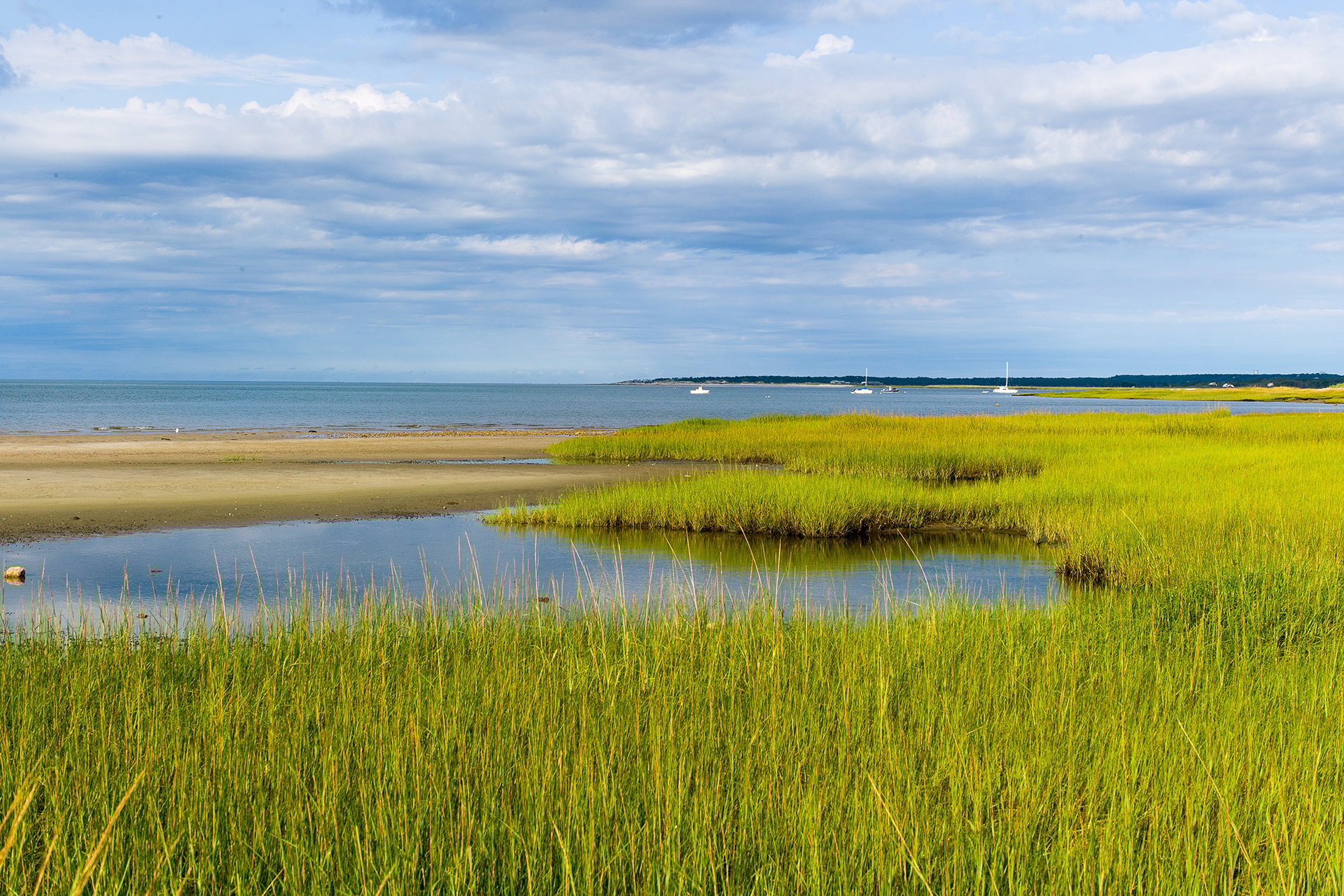
Since 2011, Long Pasture Wildlife Sanctuary has worked alongside conservation partners to restore Eastern Spadefoot toads to Ashumet Holly Wildlife Sanctuary in East Falmouth, where the species once thrived.
This summer marked a major milestone in that effort, bringing the sanctuary one step closer to establishing a self-sustaining population of this rare and remarkable amphibian.
Successful Breeding Events Signal Progress
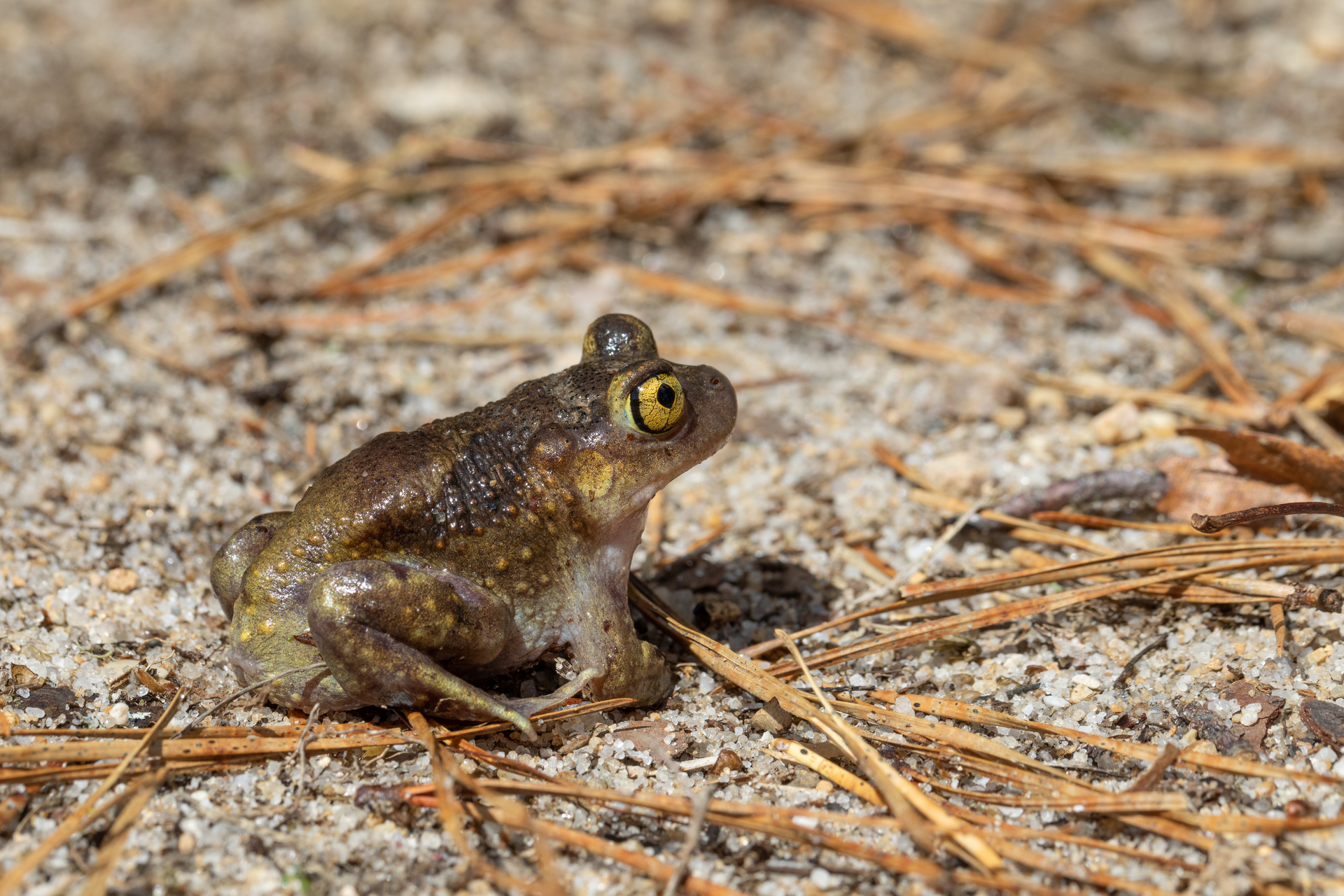
For the first time since restoration efforts began, translocated Eastern Spadefoots successfully reproduced this summer in two vernal pools during two separate breeding events without human intervention. This marks the first such documented event anywhere, and an important milestone in this long-term restoration effort.
While the project previously documented four successful breeding events, those efforts required conservation staff to rescue tadpoles before drying vernal pools stranded them so they could complete their development in captivity. This year, however, the entire life cycle unfolded naturally, from egg to tadpole to terrestrial toad.
The achievement provides the strongest evidence yet that the sanctuary's restored and constructed wetlands can support a viable spadefoot population, at least in the short term, and represents a major step forward in the long-term effort to reestablish this rare amphibian where it once occurred.
Learn More About Spadefoot Conservation
What’s Next for This Project
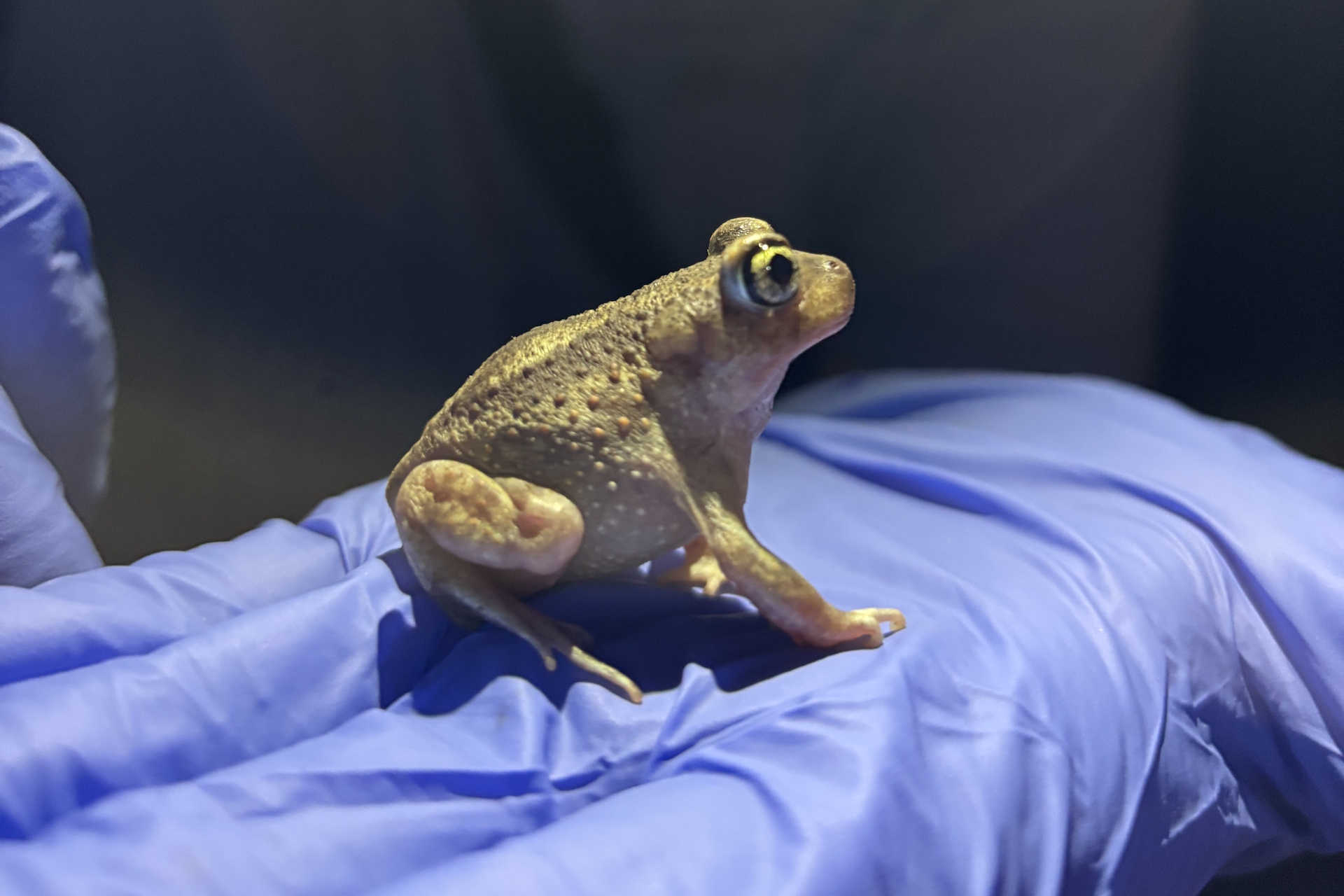
The project breaks new ground as the first known effort attempting to restore this species through the creation of breeding habitat. Over the course of the project, approximately 40,000 headstarted Eastern Spadefoot metamorphs were translocated to Ashumet Holly and released around newly created breeding pools. The goal was to create a self-sustaining population capable of returning to the restored wetlands, reproducing repeatedly without intervention, and recruiting new generations into the population.
Researchers at Ashumet Holly will now track how far the young toads disperse from their natal pools, to better understand how to protect and manage habitat for this young population.
The project results to date have answered one important question: Can restored and created wetlands support a breeding population of Eastern Spadefoots? The answer appears to be yes. The next challenge is determining whether these populations can remain self-sustaining over the long term.
A Model for Species Recovery
These results add to a growing body of evidence that conserving rare species requires more than protecting land alone. Active, hands-on habitat management can play a critical role in driving species recovery and long-term conservation success.
The project's success is already serving as a model for other conservation efforts. Inspired by Mass Audubon's active conservation management approach, newly created vernal pools have been constructed in Southwick, Massachusetts, and two additional restoration projects have recently begun in Rhode Island.
Together, these efforts offer renewed hope for the Eastern Spadefoot, a species once widespread across the region but now listed as threatened under the Massachusetts Endangered Species Act.
Make an Impact Today
Your support makes vital conservation projects like this possible. Make a donation today to help protect wildlife, restore habitats, and advance critical conservation work.
Stay Connected
Don't miss a beat on all the ways you can get outdoors, celebrate nature, and get involved.