


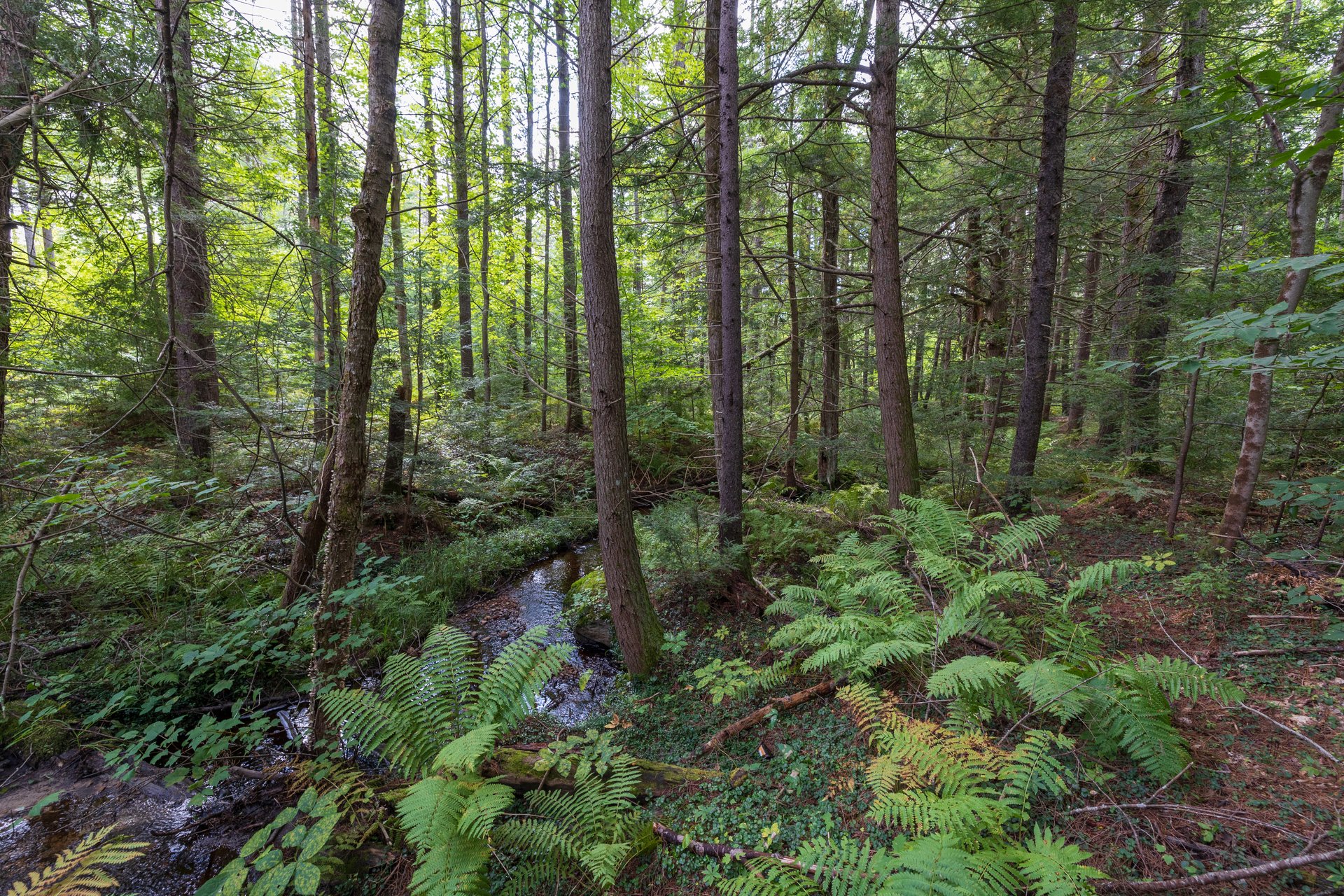
In June, Mass Audubon’s land conservation team—in what could only be described as a herculean effort—worked to complete 14 land conservation projects totaling 1,864 acres, the most ever completed in one month.
These projects range from 11 acres to 289 acres in size, involve numerous partners, and many have been in the works for years. But they all came together just as the fiscal year was ending, thanks to the confluence of several land-trust led initiatives, Mass Audubon’s innovative 30x30 Catalyst Fund, the incredible land conservation team, and critical grants from the state.
Impact of the Catalyst Fund
What makes these projects so special is that they all show the power of the Catalyst Fund. When it was launched in 2024, Mass Audubon’s goal was to dramatically increase the pace of land conservation in Massachusetts to help the state meet its 30x30 goal (protect 30% of the state’s land by 2030). Since its inception, the Catalyst Fund, which was seeded by a transformative $25 million gift from MathWorks, has helped complete 50 conservation projects, protecting nearly 14,000 acres of land across the state.
Some Catalyst funding has been used to create new Mass Audubon and expand existing wildlife sanctuaries, but the real power of the fund is to enable other conservation partners to protect more land more quickly and take advantage of critical land protection opportunities when they arise. In some instances, Mass Audubon has even stepped in to acquire land at risk on behalf of other partners. When those lands are transferred to its permanent stewards, that money invested comes right back to the fund, ready to invest in the next opportunity.
Project Highlights
Among the 14 deals closed, these stand out amongst the rest as ideal examples of the Catalyst Fund in Action.
11 Acres in Hampden
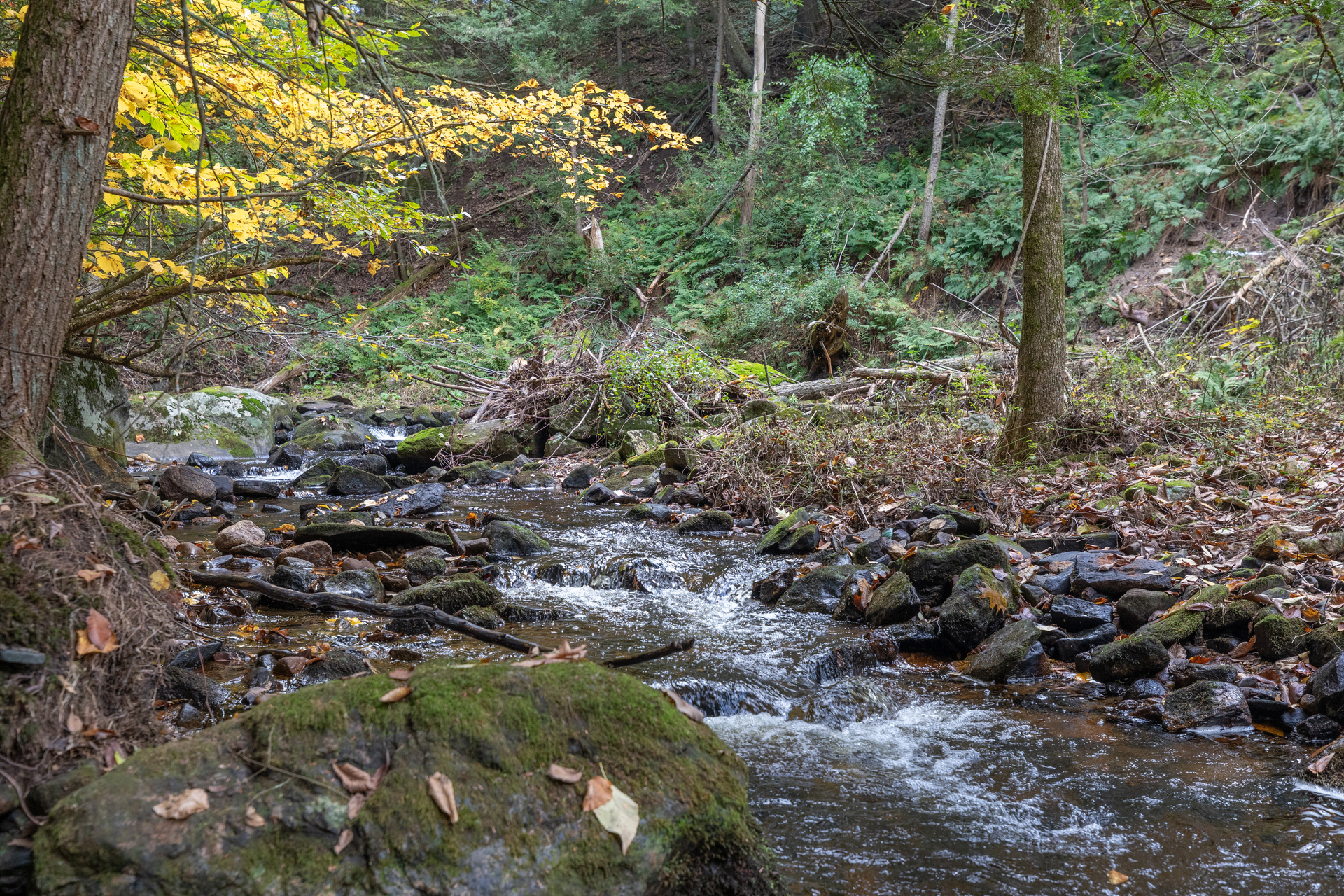
When our neighbors in Hampden approached Mass Audubon about selling their 11 acres, abutting Mass Audubon’s Laughing Brook Wildlife Sanctuary, we knew we had to act. Their tract of land spans both sides of the Scantic River, a designated cold-water fishery, with habitat for rare species tracked by MassWildlife’s Natural Heritage & Endangered Species Program; it had long been a protection priority for the team charged with managing the sanctuary.
The protection of this property expands on floodplain habitat that Mass Audubon protected in 2023, ensuring the protection of more than half a mile of the Scantic River riparian corridor. Working with the family and thanks to the Catalyst Fund, we were able to complete our purchase of the land on the landowner’s desired timeline, and it is now part of the sanctuary.
181 acres in Rowe
Mass Audubon partnered with the Town of Rowe and Franklin Land Trust to protect two forested parcels, expanding Rowe’s Town Forest. Not only is this land ecologically important (nearly all the property drains into Steele Brook, a cold-water fishery, which is part of the Deerfield River watershed, but it will now provide more access to nature. The Town of Rowe Open Space Committee intends to create access to the property from Tunnel Road by building a pull-off parking area, kiosk, and hiking trail.
The Catalyst Fund provided funding towards the purchase price and project expenses and Mass Audubon and the Franklin Land Trust helped the town and secure two grants: one from the LAND (Land Acquisition for Natural Diversity) program administered by the Massachusetts Office of Energy and Environmental Affairs (EEA), and another from the Open Space Institute’s Appalachian Landscapes Project Grant Fund, as well as other foundations and individuals.
549 Acres in Hampden County
Mass Audubon secured conservation easements on two properties in the Farmington River watershed. One of the properties, a 289-acre former farm, has seen a dense forest regrow and has been untouched for 80 years. The other 261-acre farmstead property includes critical waterways and a large beaver pond. While the land remains in private ownership, the conservation easements prohibit any development of the land, forever. Both parcels were protected thanks to the Catalyst Fund as well as grants from the state Forest Reserves program and a state Conservation Assistance Grant.
Get Involved
June’s pace may be difficult to replicate, but the need remains urgent: many more critical landscapes across Massachusetts still need protection.
You can help by supporting the Catalyst Fund or, if you’re a landowner, by contacting us to explore options for protecting your land.
Stay Connected
Don't miss a beat on all the ways you can get outdoors, celebrate nature, and get involved.