


It's All in the Details
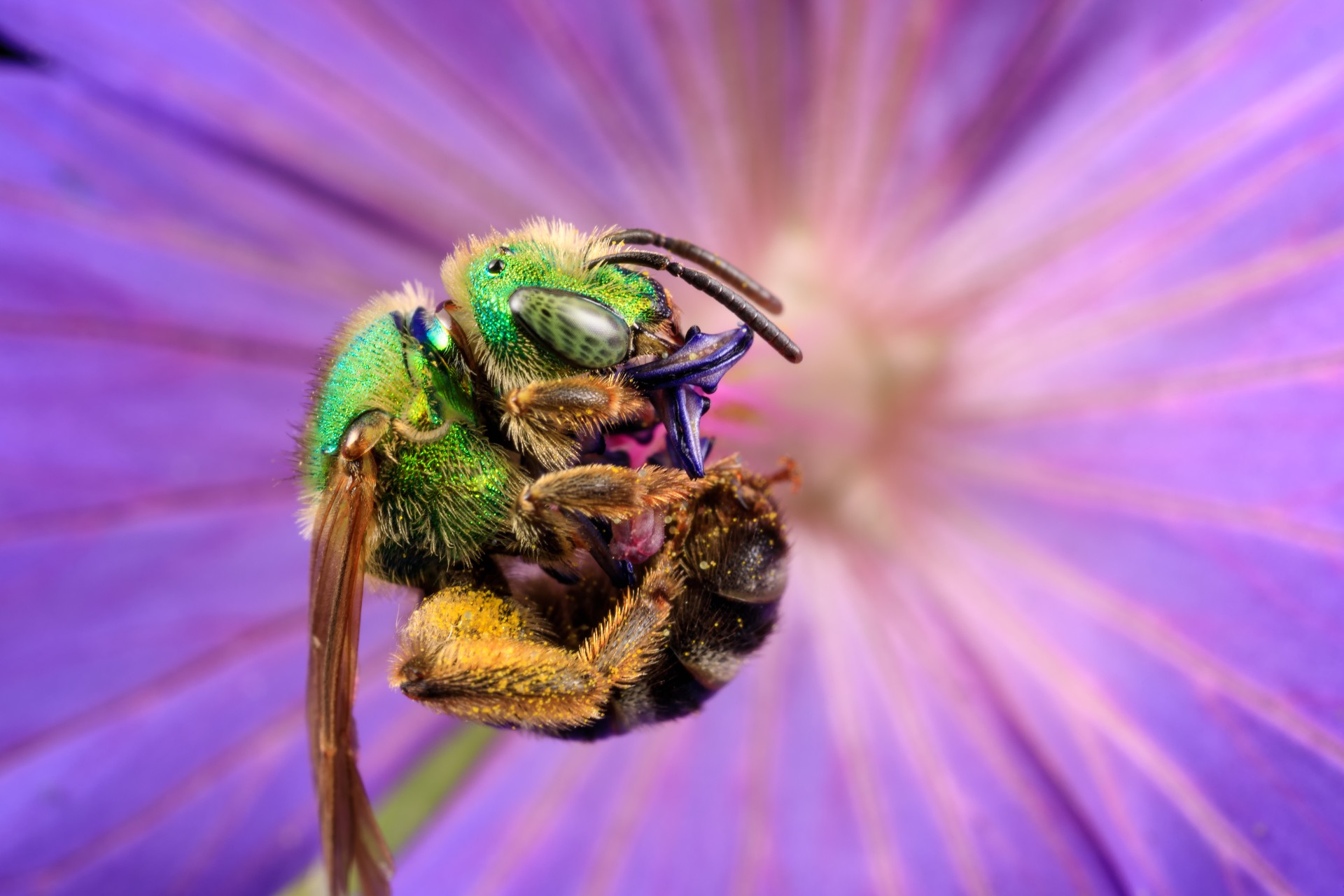
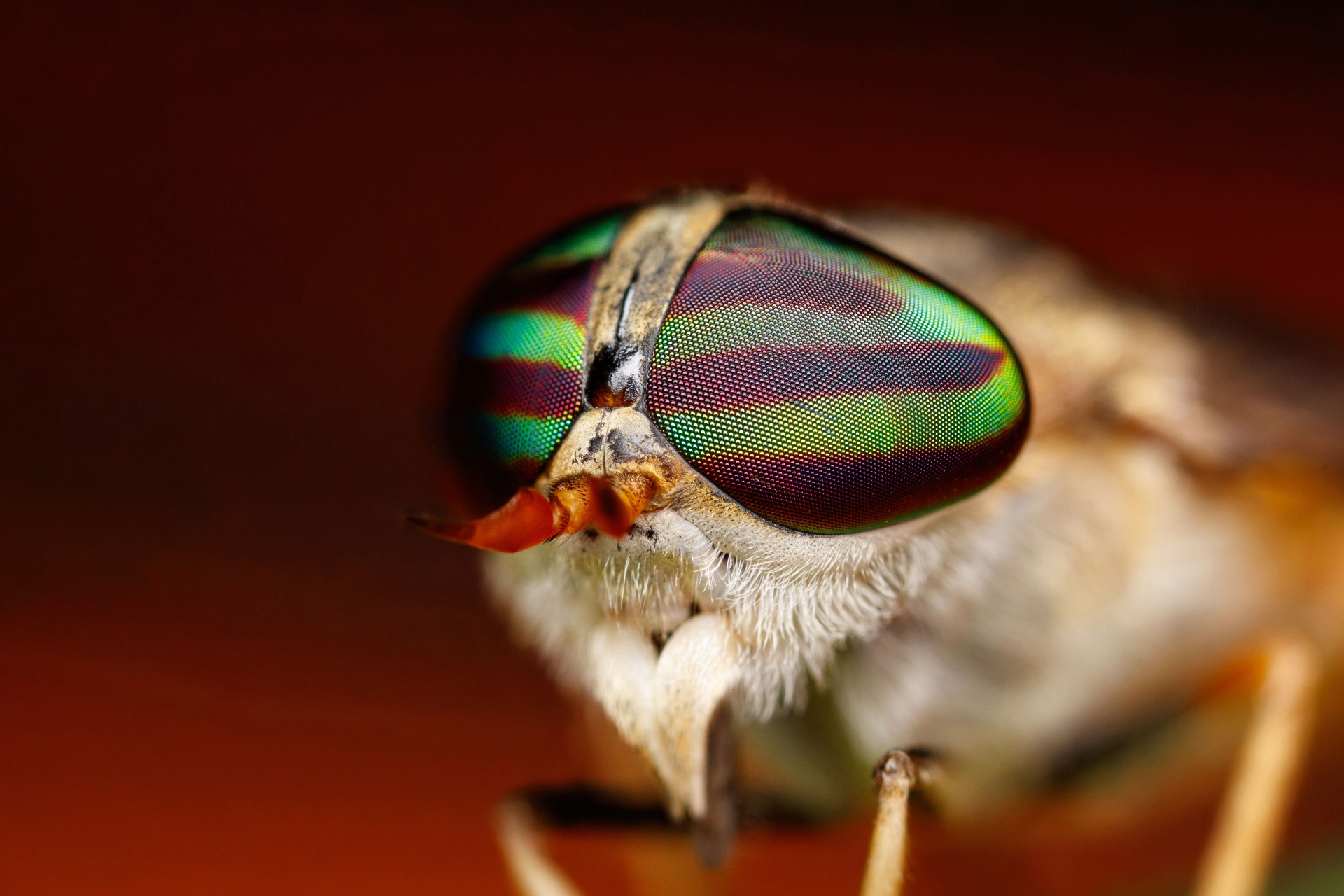
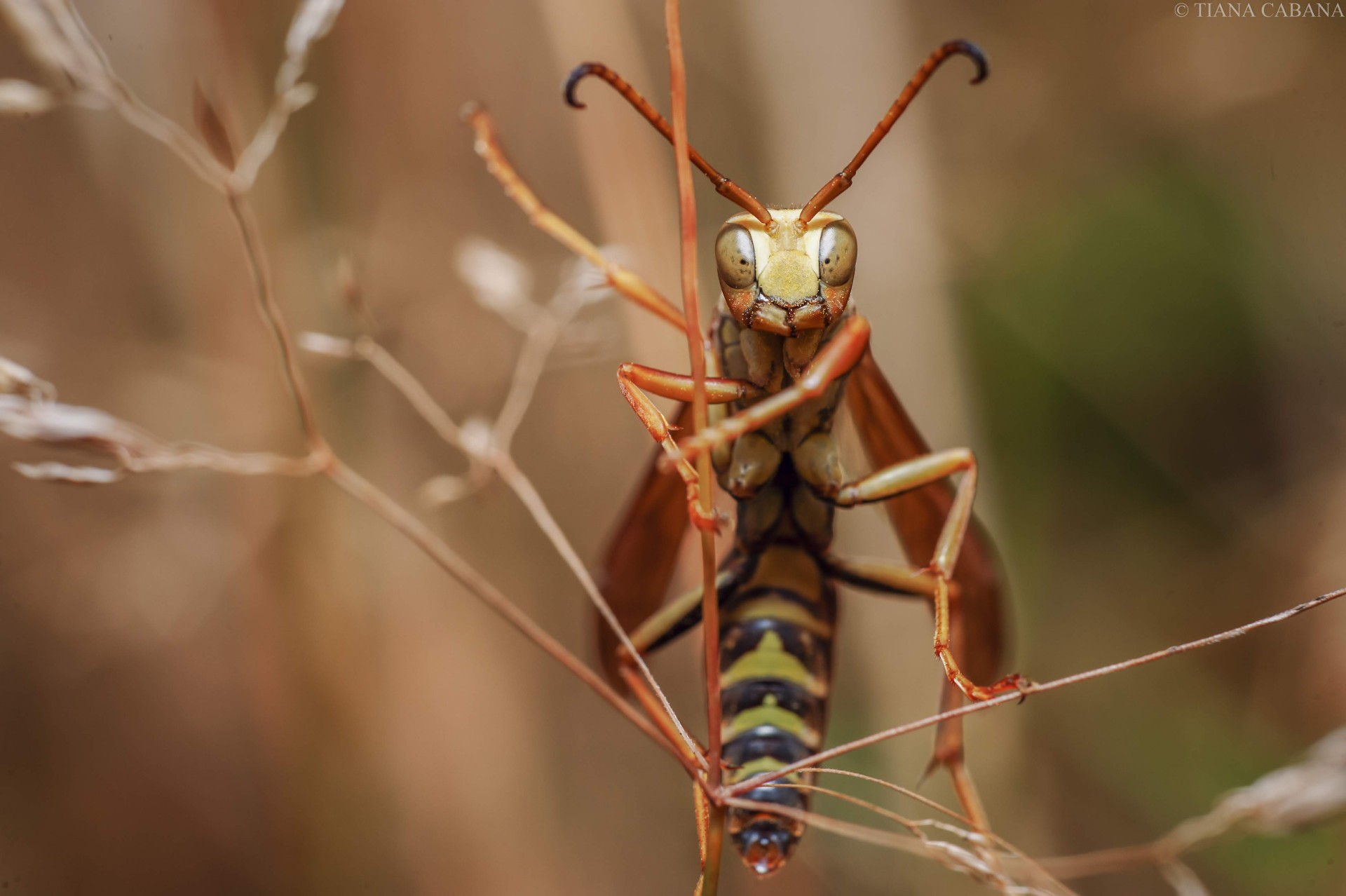
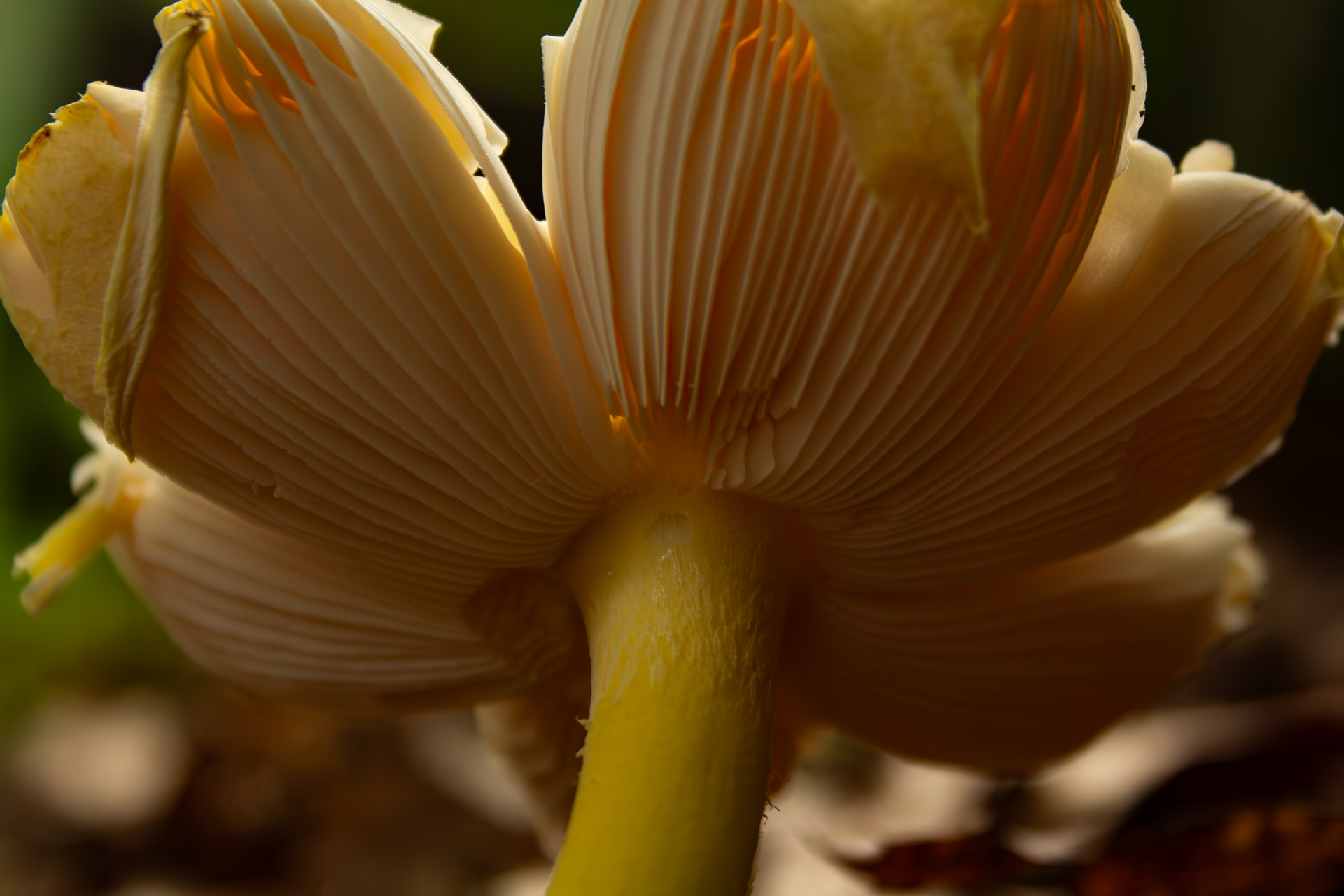
This collection proves that photographic wonder doesn't need big sweeping spaces; sometimes it fits on the head of a pin. Check out the macro and zoom lens photos our community of Photo Contest photographers have captured over the years, showing how the smallest corners of Massachusetts often hide the biggest surprises.
Have you taken a photo that reveals details hiding in plain sight? We want to see it! Submit your own perspective of the tiny world around you to our photo contest and help us prove, once again, that nature rewards a closer look.
Take a Closer Look...

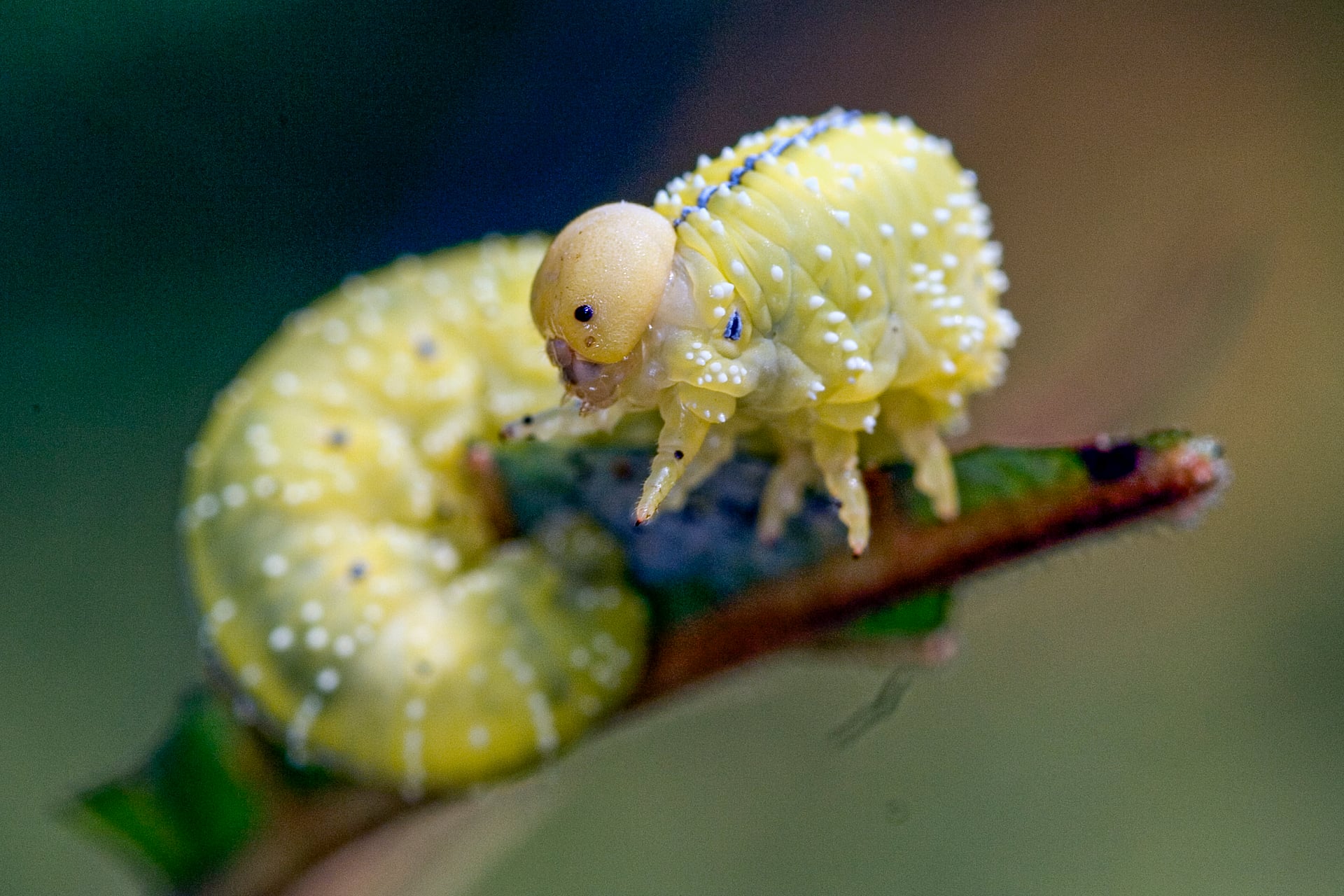
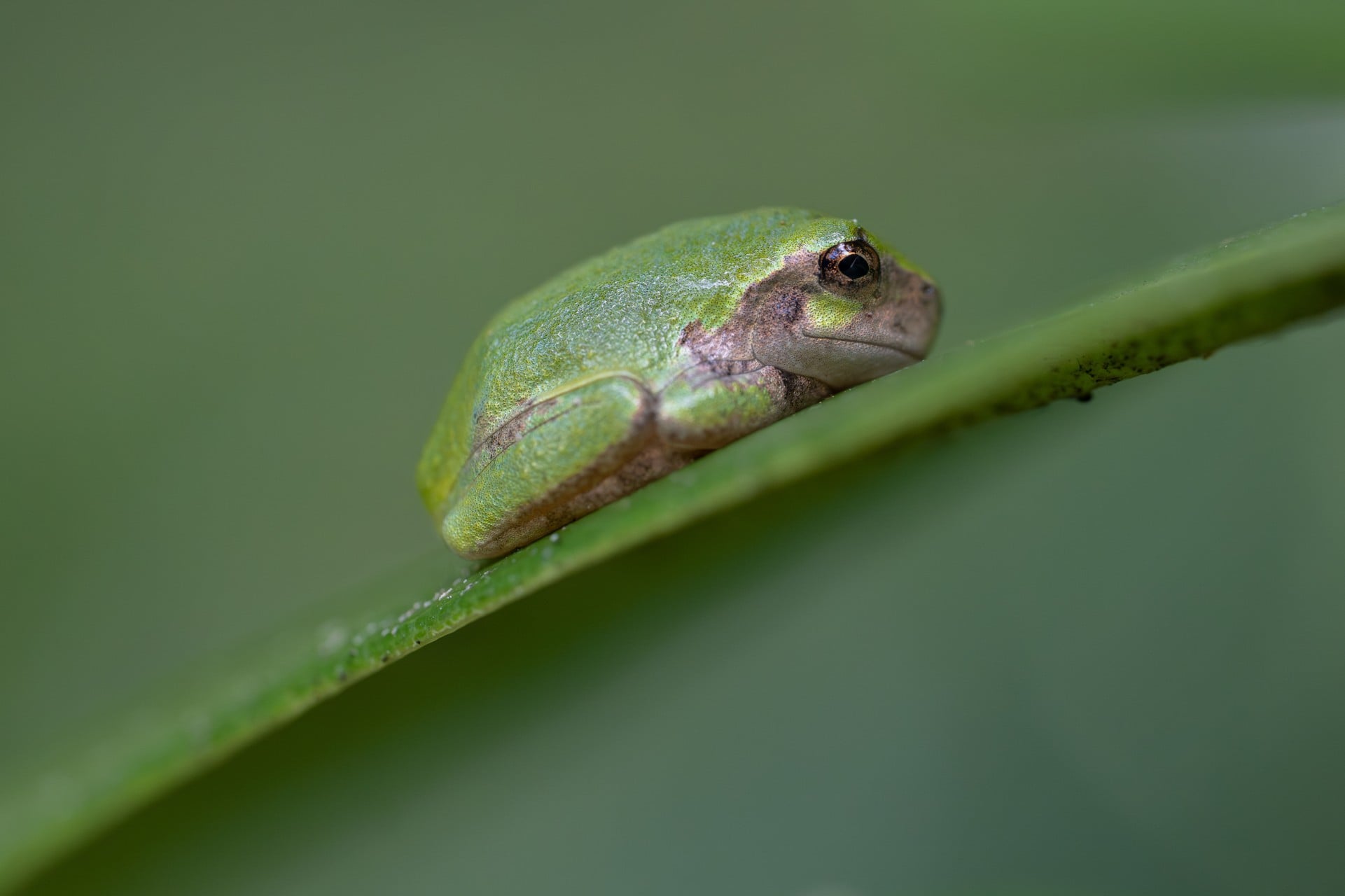
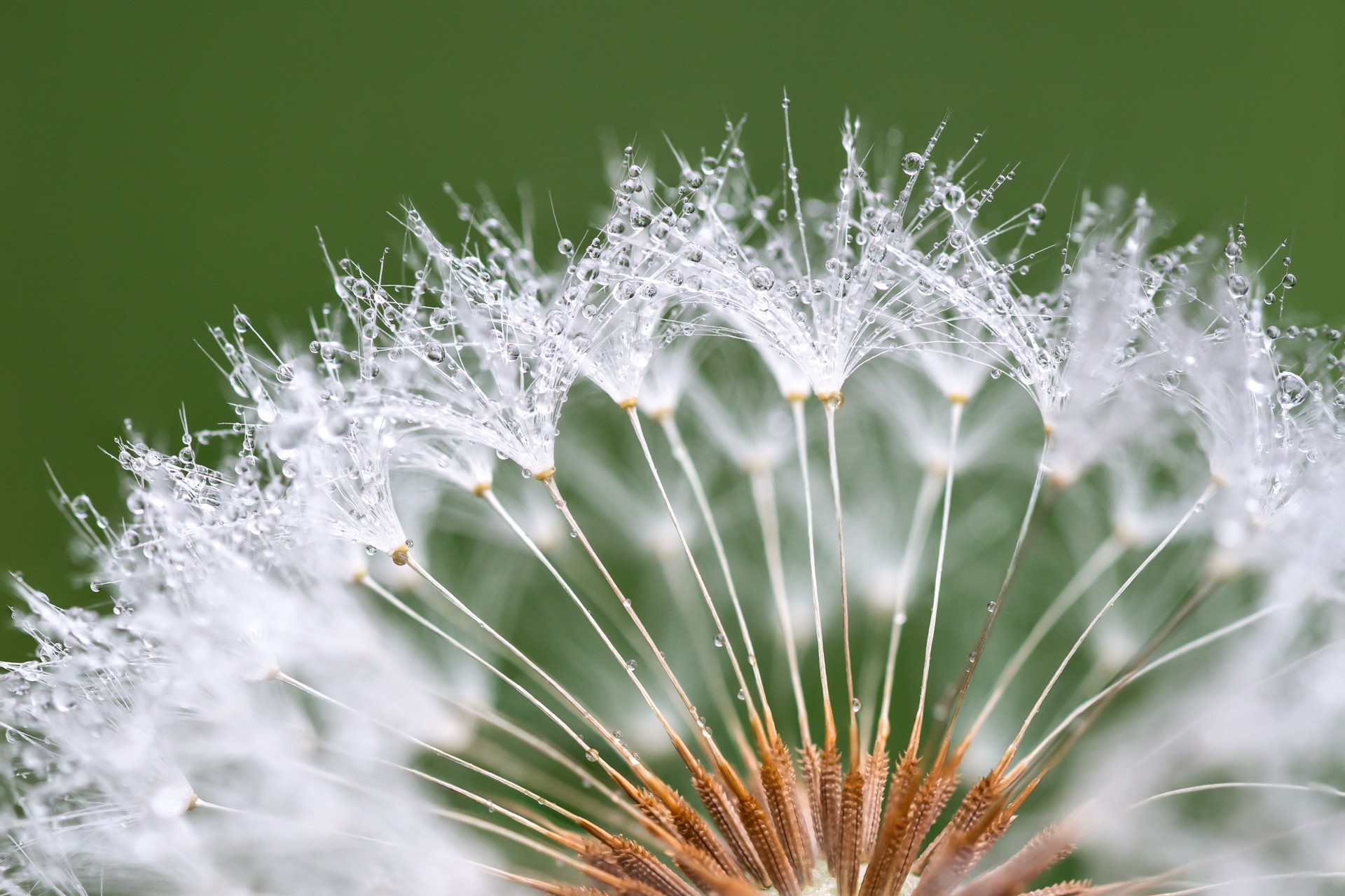
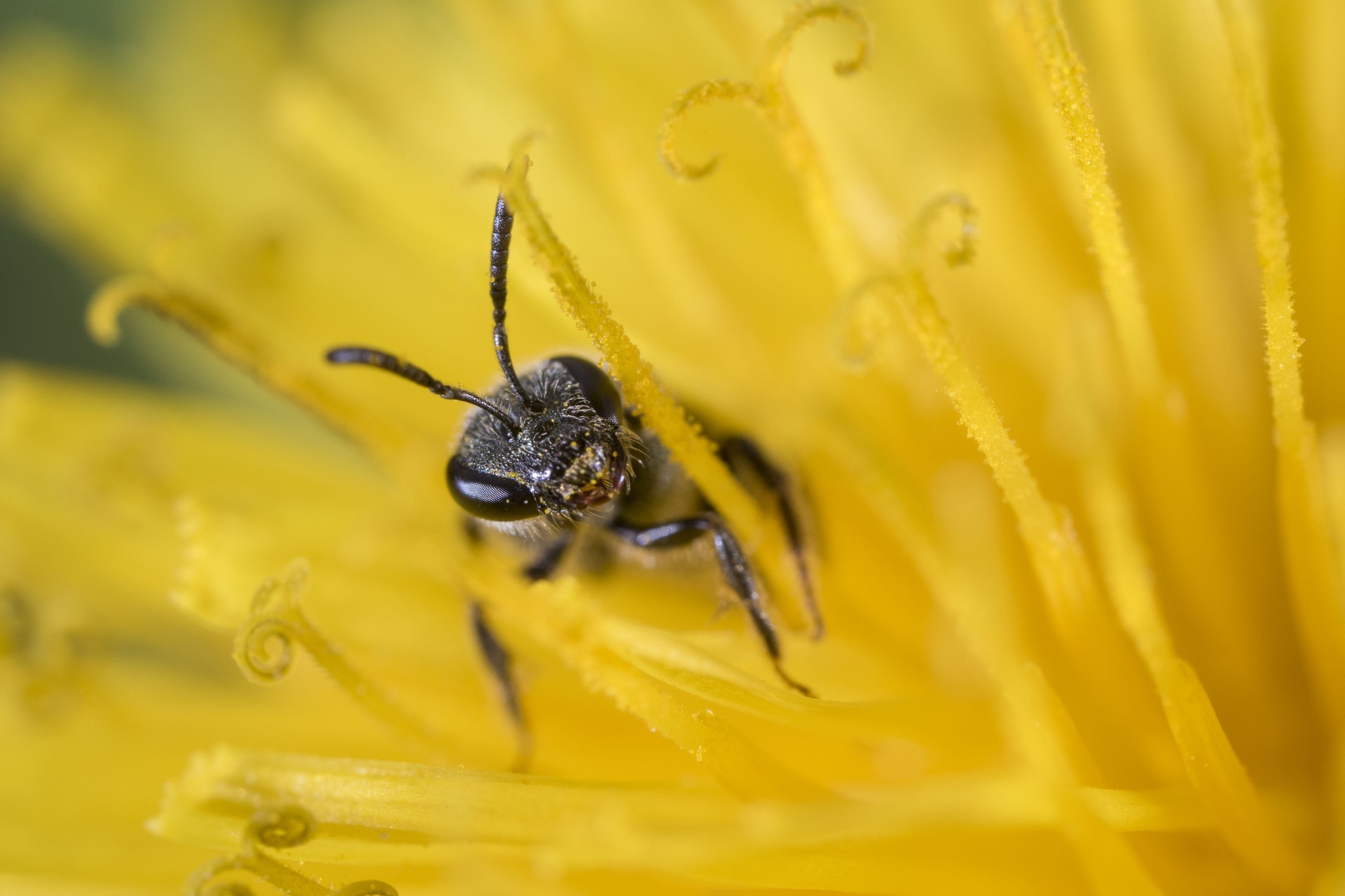
Tips for Tiny World Photography
1. How to Find Your Subject
Looking for what to photograph can be just as much fun as taking the actual photo.
As you begin, you may find yourself walking through an area quickly and not seeing anything. Take another pass, slowing down this time, and you’ll see plants and bugs you might have missed.
Scan your eyes down to the ground, up shrubs and trees, and across rocks and boulders. Don’t be afraid to explore the nooks and crannies for your perfect subject—especially bugs! If there is a specific plant or animal you want to photograph, do your research before you set out. It’ll be easier to find it if you know what type of habitat it lives in.
2. Get the Right Cameras and Equipment
Most cameras can take up-close images, but mirrorless and digital single-lens reflex (DSLR) cameras require special lenses. A macro lens allows photographers to have a higher working distance, or distance from the camera to the subject.
For wildlife that disturbs easily, like butterflies or snakes, you’d have a better chance of capturing it from far away and zooming in than by getting up close. The same goes for shooting with smartphones.
A tripod is also a handy piece of equipment to help keep your focus steady. When zooming in on small subjects, even the slightest of movements can mean the difference between a nicely focused butterfly and a nicely focused blade of grass in the background.
3. Compose Your Shot
Wildlife photography requires quick reflexes, but most close-up photography is a little more laid back.
Take the time to compose your subject and resist the temptation to just fill your frame. Use the rule of thirds and try out all the different rules of composition.
Play around with blurred backgrounds (bokeh) so your subject really pops and try new angles or perspectives. This may require lying down on the ground or shooting up toward the sky, so get creative and don’t be afraid to get a little dirty. Just be sure to always check for ticks when you are done!
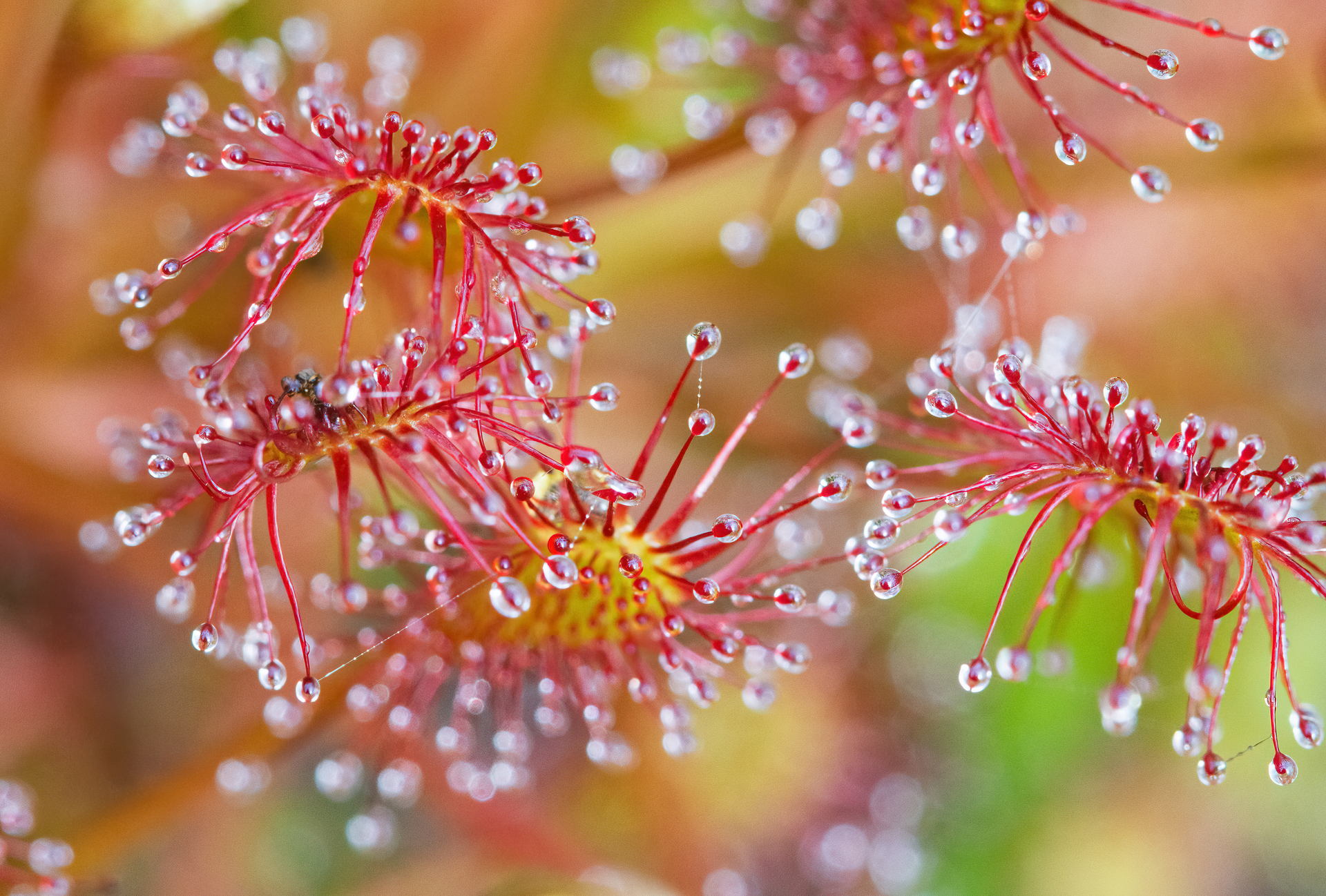
Behind the Photo
To capture the 2023 Photo Contest Grand Prize Winner, Cheryl Rose used close-focusing binoculars to search for macro subjects like this tiny, low- to-the-ground sundew at Waseeka Wildlife Sanctuary in Hopkinton.
Switching over to a Canon Rebel T5i with a 100mm macro lens, she set her lens to manual focus. “I like to hand-hold my camera so I can maneuver around my small subject with ease, but a tripod or monopod is useful if you know the composition you want,” said Rose. "There is an exciting, often overlooked world of discovery when photographing macro subjects, and many times I'm surprised with the results.”
Calling All Shutterbugs!
We're once again seeking photos that highlight people in nature, capture the beauty of Massachusetts wildlife, and/or celebrate our stunning landscapes for Mass Audubon's Picture This: Your Great Outdoors Photo Contest. Submit your big shots of tiny worlds by September 30 to be considered.
Stay Connected
Don't miss a beat on all the ways you can get outdoors, celebrate nature, and get involved.