


Ticks in Massachusetts
If there’s one thing you don’t want to bring home with you after a trip outdoors, it’s a tick. This pesky arachnid can be active almost all year when temperatures are above freezing, and it's the primary culprit in the transmission of Lyme disease in Massachusetts.
Before you head outdoors, here’s what you need to know about ticks in Massachusetts.
Tick Species Found in Massachusetts
Deer Ticks & Dog Ticks
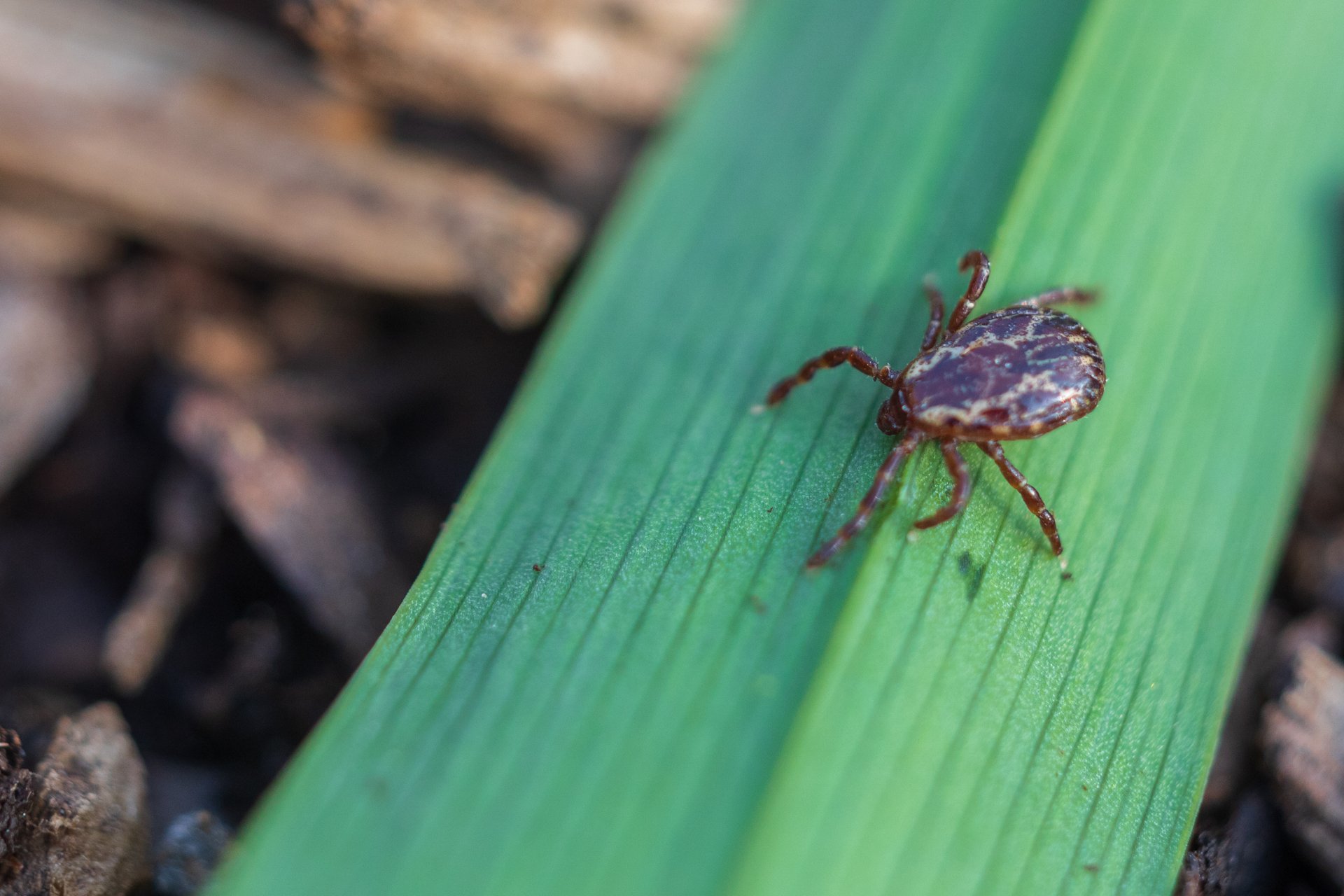
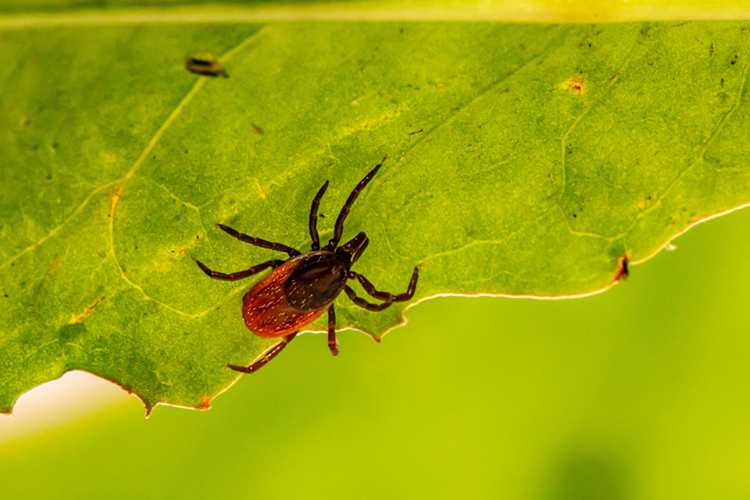
The most common species of ticks in Massachusetts are the deer tick (Ixodes scapularis) and the dog tick (Dermacentor variabillis).
An adult deer tick is substantially smaller than the more common dog tick. However, size is not always a useful indicator since an engorged tick can be several times the size of one that has not fed. And while only deer ticks carry Lyme disease, it is far better to avoid ticks altogether than to attempt to differentiate between the two species.
Lone Star Ticks
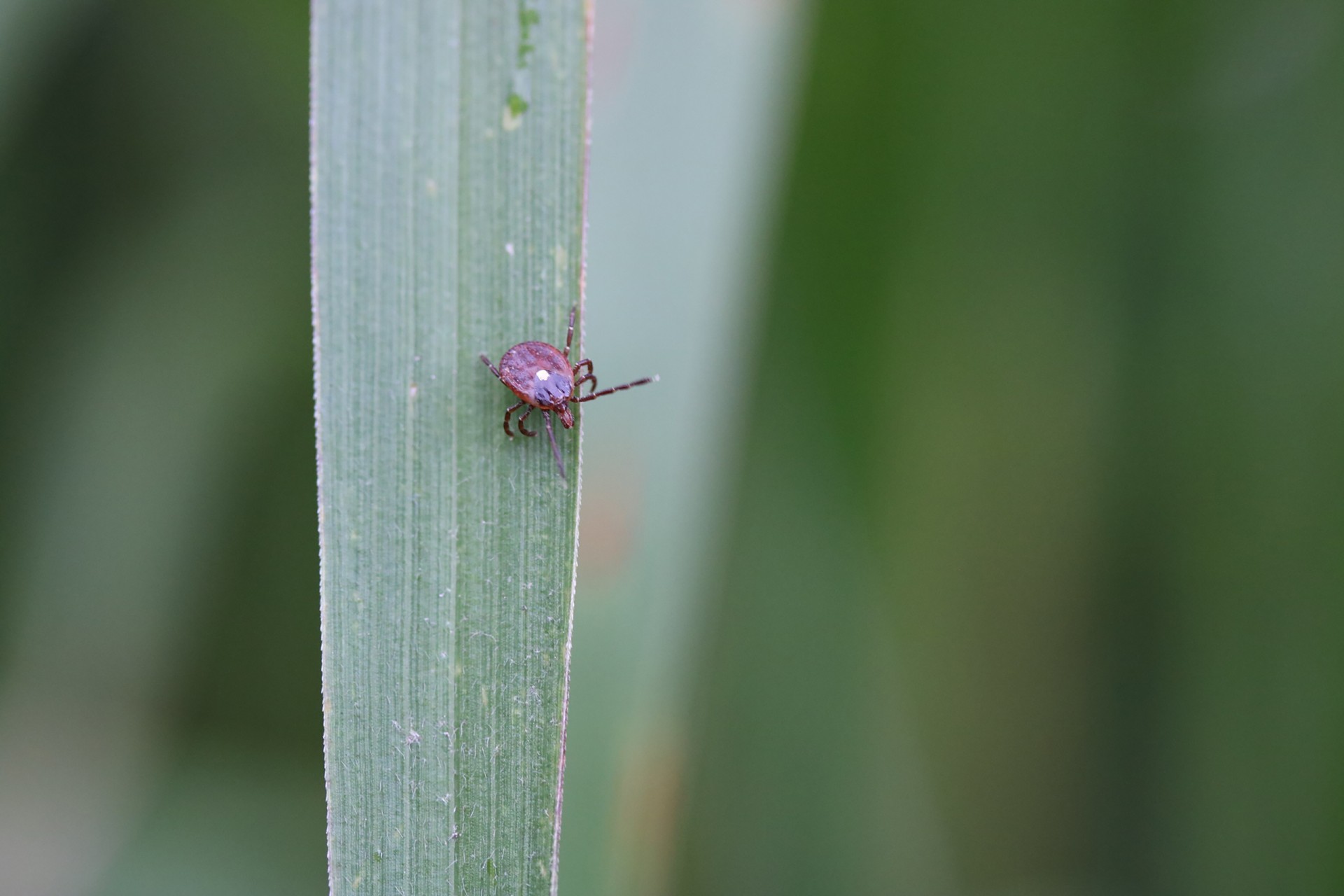
In addition, lone star tick (Amblyomma americanum) populations have been growing on the Massachusetts Cape and Islands, and with it, Alpha-gal syndrome. Notably, lone star ticks are known to be more proactive in seeking hosts, as opposed to the dog or deer tick, which use ambush tactics to hitch a ride on their prey as they pass by; this creates an even greater need to protect oneself when visiting the outdoors.
Deer Tick
Dog Tick
Lone Star Tick
Tick Life Cycle
Deer ticks have a two-year lifespan, and have three feeding stages—larva, nymph, and adult. Eggs are laid in the spring, and in the summer they hatch into larvae no larger than the period at the end of this sentence. In August, the larva reaches its peak of activity, waiting on the ground until a suitable host (bird or mammal) brushes up against it. The larva then attaches itself to the host. If the host animal is infected with the bacterium that causes Lyme disease, then the larva becomes infected as well when it feeds.
Once it has fed, the larva does not feed again until it becomes a nymph. Therefore, larvae aren't able to transmit Lyme disease. The larva molts and transforms into a nymph in the fall. The nymph doesn't become active until the following May, and it remains active through July. As in the larval stage, the nymph waits for a host to brush by so it can attach itself.
Once attached to a host the nymph will feed for 4-5 days, engorging itself with blood until it is several times its original size. If the tick was infected with the bacterium as a larva, the nymph may transmit it to its host. Since a nymph is only the size of a poppy seed, it's often goes unnoticed until it's fully engorged. The nymph stage is responsible for the majority of human Lyme disease cases.
What to Know About Lyme Disease
Lyme disease is caused by a "spirochete" (corkscrew-shaped bacterium) called Borrelia burgdorferi. People contract Lyme disease when an infected deer tick attaches itself to the skin and feeds. Research suggests that the tick must remain attached for a minimum of 24 hours.
Lyme disease cannot be transmitted from human to human or dog to human. Lyme disease contracted during pregnancy can lead to infection of the placenta but can be safely treated with antibiotics with no negative effect on the fetus.
Lyme Disease Symptoms
The earliest symptom of infection is a rash at the site of the bite (erythema migrans), which can occur from 3-30 days after exposure. In 10% of cases this rash does not appear at all. Because the bite and rash are painless, and because the bite may appear on a part of the body that is hidden from view (e.g. armpit, back), the patient may not be aware of the rash. This rash is typically circular with a clear center resulting in the classic "bullseye" appearance.
Three to five weeks after infection smaller, secondary rashes may occur in some individuals. Other early-onset symptoms can include eye infections, facial paralysis (Bell’s palsy), headache, fatigue, and muscle and joint pain. Late symptoms include swelling and pain in the knees, shoulders, and other joints. These later symptoms generally occur several months or even a year after the initial infection. Learn more
What to Know About Alpha-gal Syndrome
Transmitted through lone star ticks, whose populations are growing in the Cape and Islands and will most like expand into more areas in Massachusetts, Alpha-gal syndrome is a potentially life-threatening allergy and tickborne disease. When a tick carrying the Alpha-gal molecule bites a person, it may transmit a molecule (galactose-α-1,3-galactose) that can trigger an allergic reaction to red meat and other products made from mammals. Learn more
The best way to protect yourself from developing Alpha-gal syndrome is by preventing tick bites.
Tick Disease Prevention
The only way to avoid getting Lyme disease or Alpha-gal syndrome is to avoid being bitten by an infected tick. We recommend the following:
- Know Where They Hide: Dog ticks can often be found in open fields and grasslands, crawling to the top of low-lying vegetation where they wait for passersby to latch onto, while lone star ticks are more generalists with a broader habitat tolerance.
- Watch Where You Walk: Stick to wider trails and avoid overgrown pathways in their preferred habitat: wooded or bushy areas where the ground is covered in high grass or leaf litter.
- Dress Right: Don light-colored socks, pants, and a long-sleeved shirt and tuck in everything (pants into socks, shirt into pants). While this look isn’t likely to win any fashion awards, it will allow you to spot ticks, which can be as small as a poppy seed.
- Bring On the Bug Juice: To help repel ticks and other creepy crawlers, like chiggers, use a 20% Picaridin or DEET-based product on areas of exposed skin. Just remember to follow the label instructions when applying insect repellent!
- Perform Tick Checks: Upon heading indoors, perform a full-body "tick check," taking special care to inspect the areas between your toes and the backs of your knees, as well as your groin, armpits, neck, hairline, and ears. Remember to check your children, pets, and gear, too!
How to Check for Ticks
The best way to reduce your chances of getting Lyme disease or Alpha-gal syndrome is to do a proper tick check after being outdoors (even if it’s just in your backyard). Here’s how:
Step 1: Scour your clothing. Ticks latch on to clothing from the top of low-lying vegetation, such as grass and shrubs, so pants are a good place to start. Once clothing is removed, throw it in the wash.
Step 2: Scour your body (or your kid’s body). Ticks like to hide in crevices. Be sure to look under the arms, behind and inside ears, around the hairline, through the scalp, behind knees, between toes, inside belly buttons, and around the waist.
Step 3: Take a warm shower or bath. This may help dislodge any ticks that haven’t yet attached and also provides another opportunity to look for any stragglers.
What To Do If You Find a Tick On You
If you discover an embedded tick, use fine-tipped tweezers to grasp the tick as close to your skin’s surface as possible and pull the whole tick straight out with steady, even pressure. If you wish to have it tested for Lyme, immediately place the tick in a sealable plastic bag.
Cleanse the bite area with rubbing alcohol and wash your hands with soap and water. Make a note of the date as well as the location on your body where the tick was discovered and call your doctor to determine next steps.
How Our Changing Climate Impacts the Threat of Ticks
Warming temperatures in Massachusetts are creating longer warm seasons and milder winters, which allow ticks to stay active for more days each year and expand into new areas. These changing conditions have already contributed to rising tick populations and increased cases of tickborne diseases across the state, making outdoor experiences riskier for both people and wildlife.
This growing threat underscores how climate change affects our health as well as our ecosystems—and why Mass Audubon’s work to advance climate solutions and protect resilient habitats is more important than ever. Learn how you can support our efforts to create a healthier, safer future for people and wildlife.
You May Also Be Interested In

Outdoor Almanac
What does Mother Nature have in store for the coming weeks? Learn about everything happening in Massachusetts—from the phases of the moon to bird and wildlife happenings—in Mass Audubon's Outdoor Almanac.

Go Wild for Wildlife
This year, we're highlighting a seasonal star of Massachusetts wildlife every month. Discover fun facts, tips for spotting them in the wild, opportunities to see them up close, ways to protect them, and more.
Monarch Butterflies
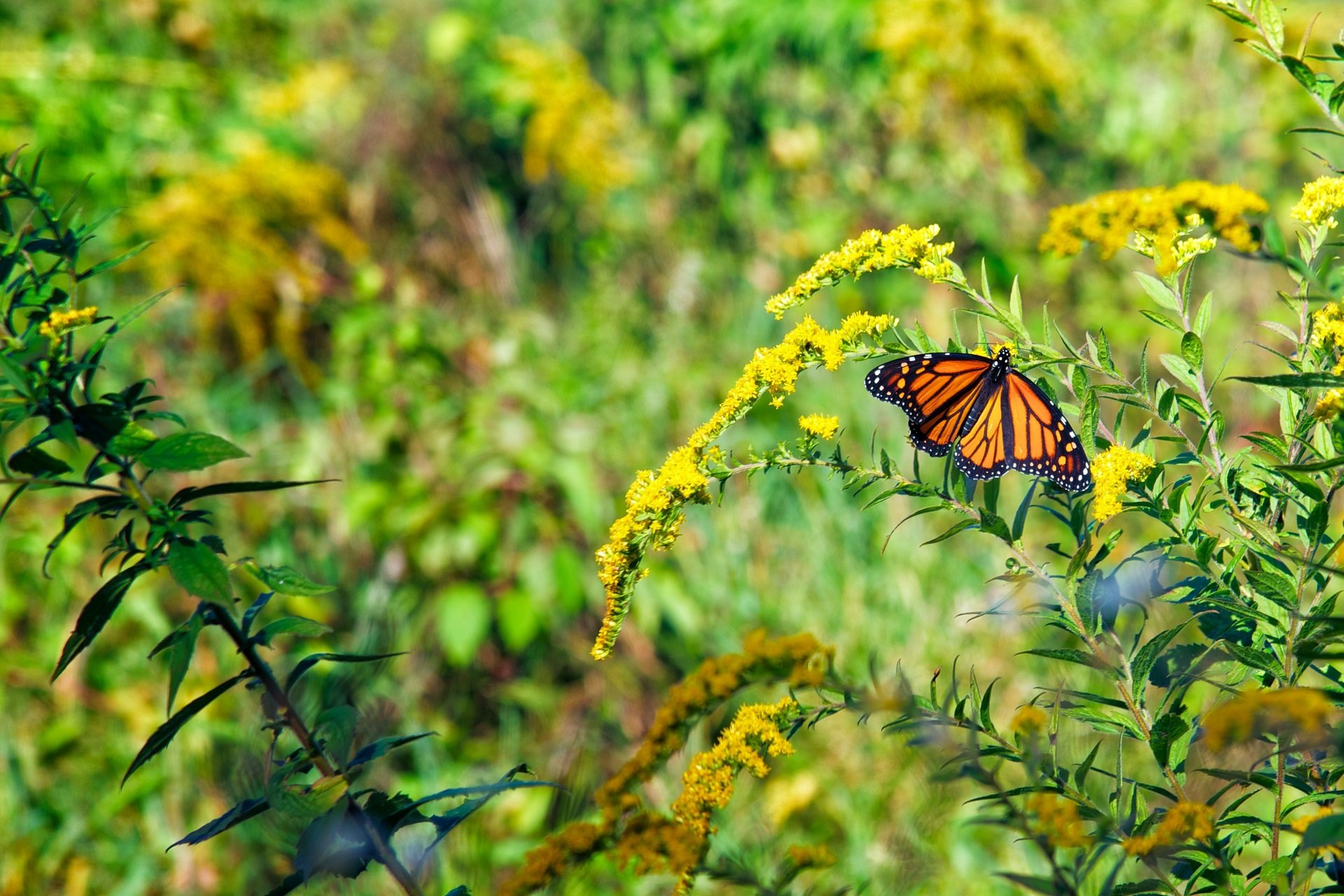
Monarchs are well known for their vibrant orange wings with black veins and black borders with a white polka dot outline.
Stay Connected
Don't miss a beat on all the ways you can get outdoors, celebrate nature, and get involved.