
Editor's Column
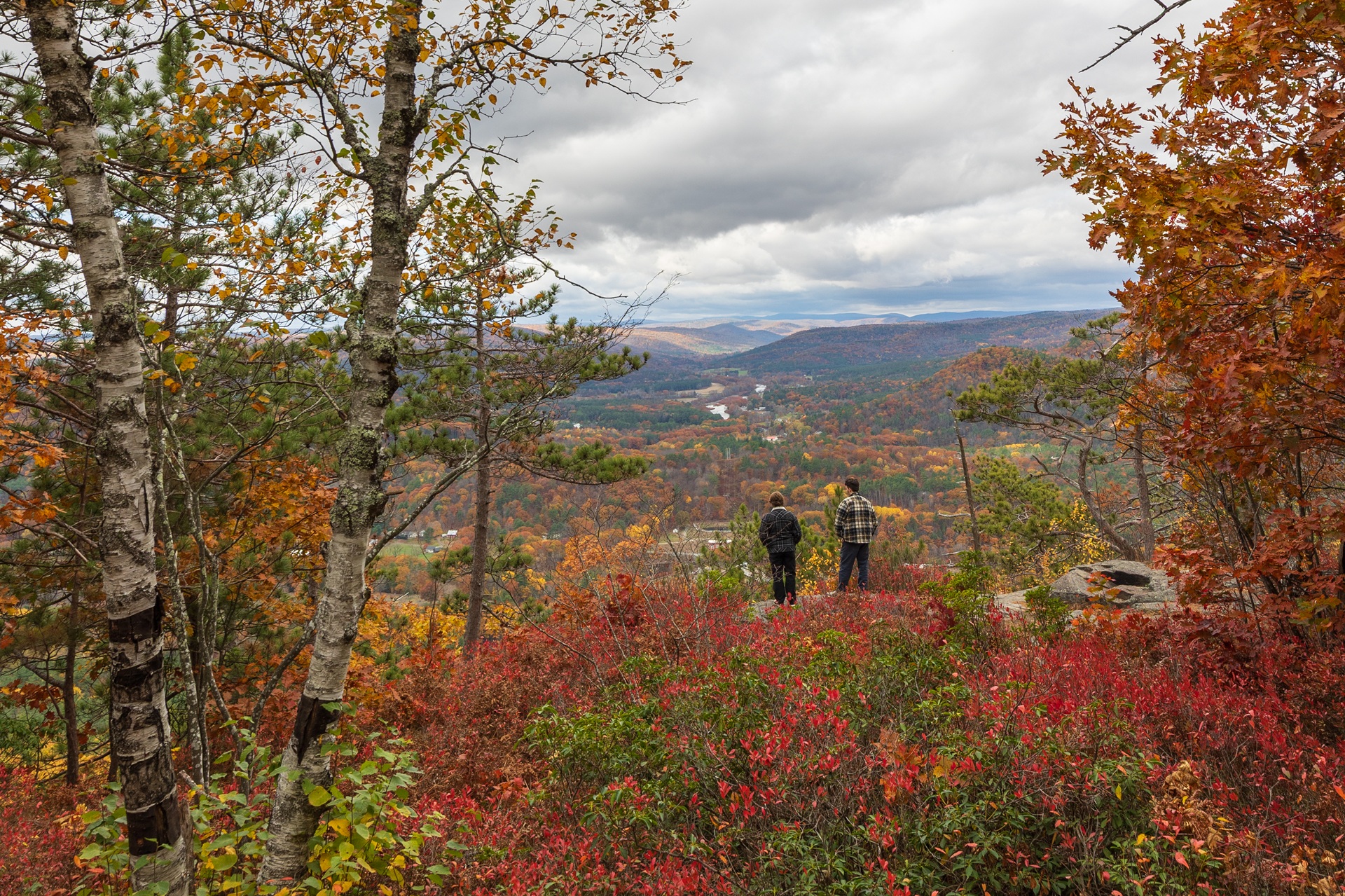
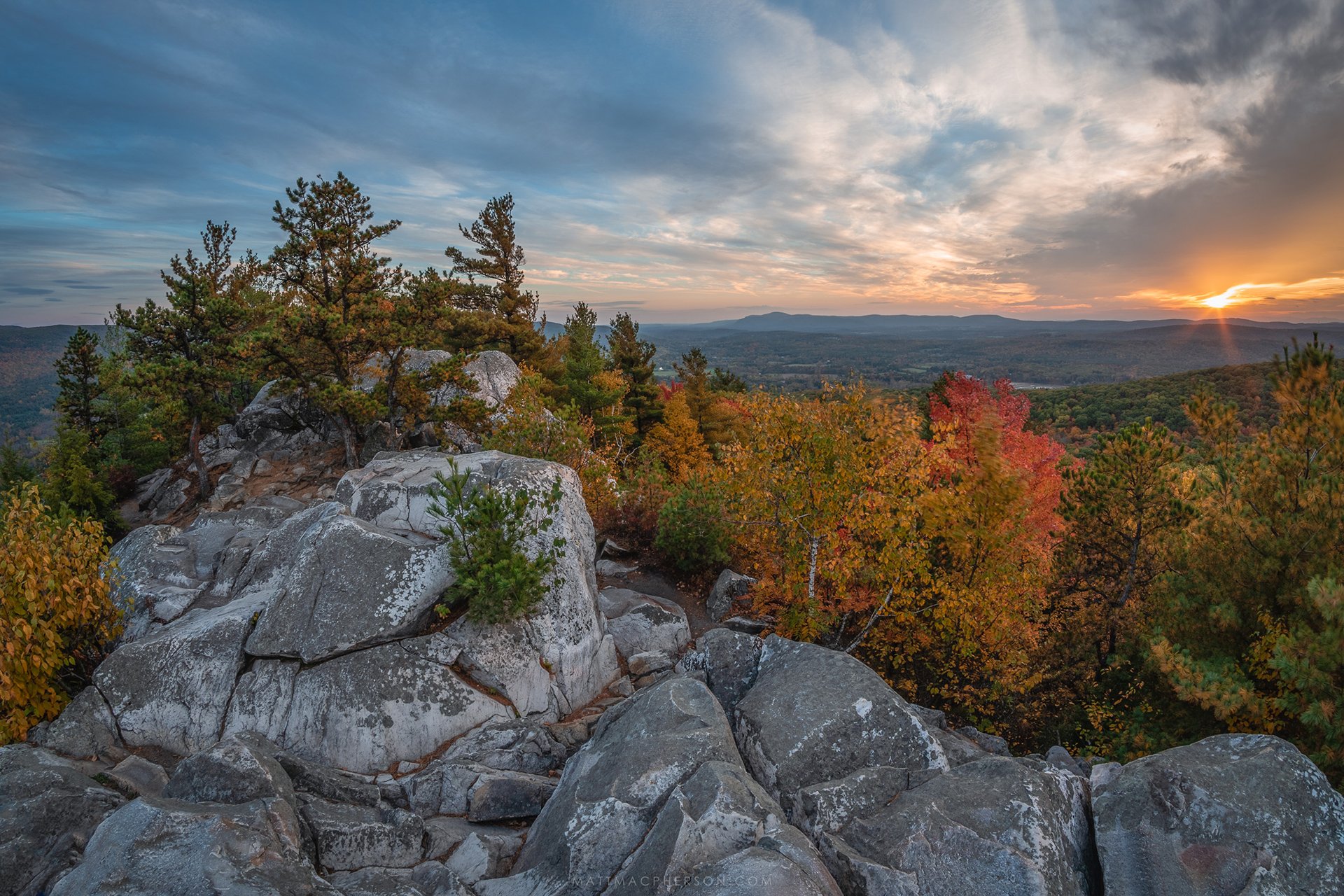
Scratch Flat 
by John H. MitchellPresident's Message
A Global Perspective on the Mass Audubon Model 
by Henry Tepper
The New Woods of New England
The ever-changing landscape of New England—cleared for farming in the 19th century, now once again significantly wooded—helps determine the distribution and variety of birdlife. 
by Thomas Conuel
Melodies of Birdland
Yards can be sterile environments or they can be bountiful ecosystems that support ecologically diverse populations of birds and other wildlife. The latter takes just a little creativity and some knowledge on the part of the homeowner. 
by Dori Smith
Greener Pastures
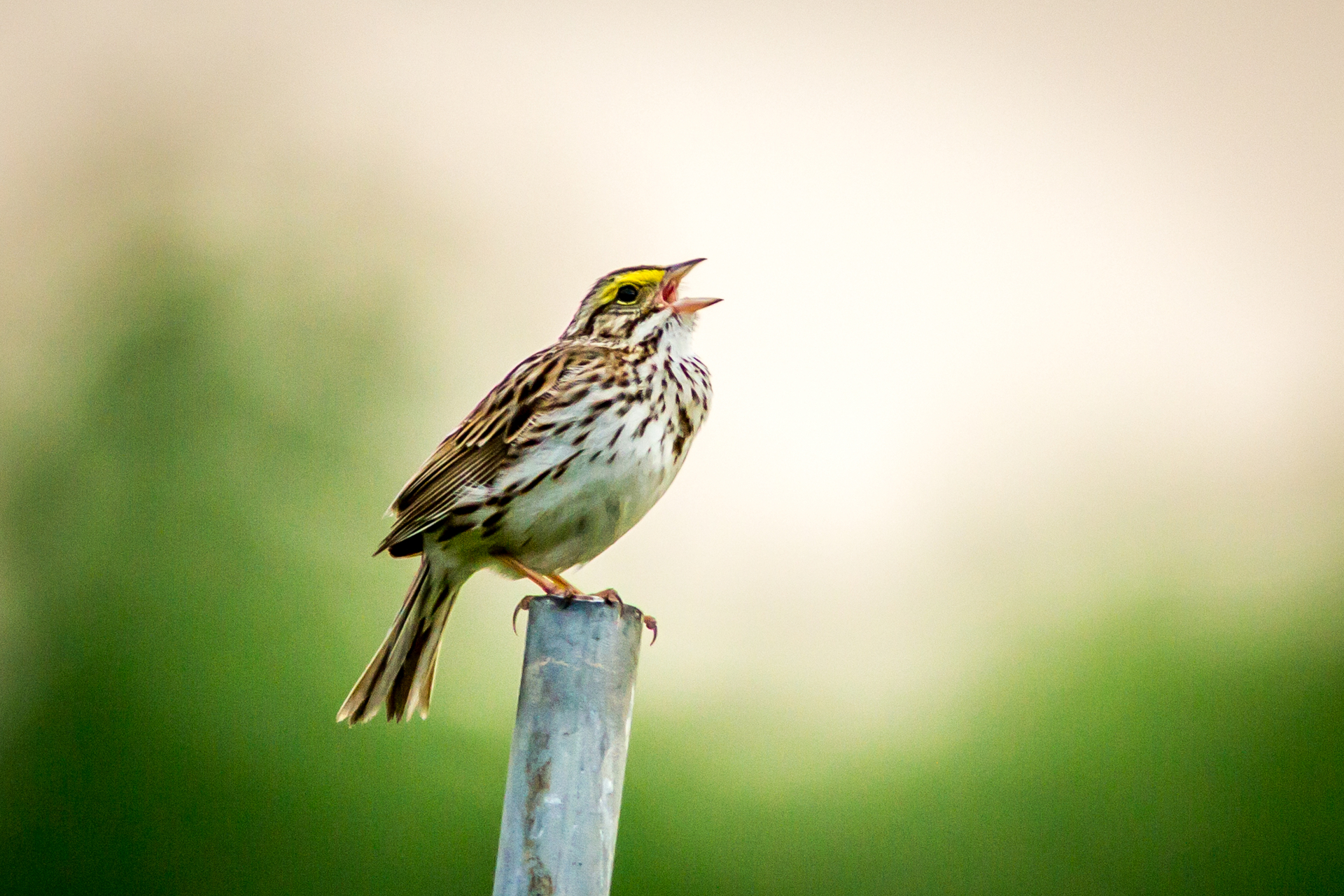
Grassland birds depend upon fields, farmland, and management with their nesting habits in mind. 
by Gayle Goddard-Taylor
Where Sea Meets the Shore
Stewardship of coastal areas and marine environments is essential to saving shorebirds and beach-nesting birds—oftentimes requiring diplomacy and regulation. 
by Wayne Petersen
The Other End of Migration
Neotropical migrants rely upon habitat protection at both their summer homes up north and their wintering grounds down south. 
by Nini Bloch
Central American Conservation Connection
Mass Audubon’s faithful long-term commitment to conservation in Belize has many facets including land protection, ecotourism, and naturalist guide training. Birds are primary beneficiaries. 
by Ann Prince
Where Birds Live and Why
Scientists have designated six major regions of bird distribution around the globe. 
by Chris Leahy
The Political Landscape—Cosmopolitan Birds
Birds of the city and suburbia 
by E. Heidi Ricci and Kim Peters
In the Field—Bird-a-thon Turns Thirty
Three decades and counting, Mass Audubon’s mid-May Bird-a-thon continues to expand, welcoming everyone who would like to join in for fundraising and fun. 
by Ann Prince