


Plan Your Visit
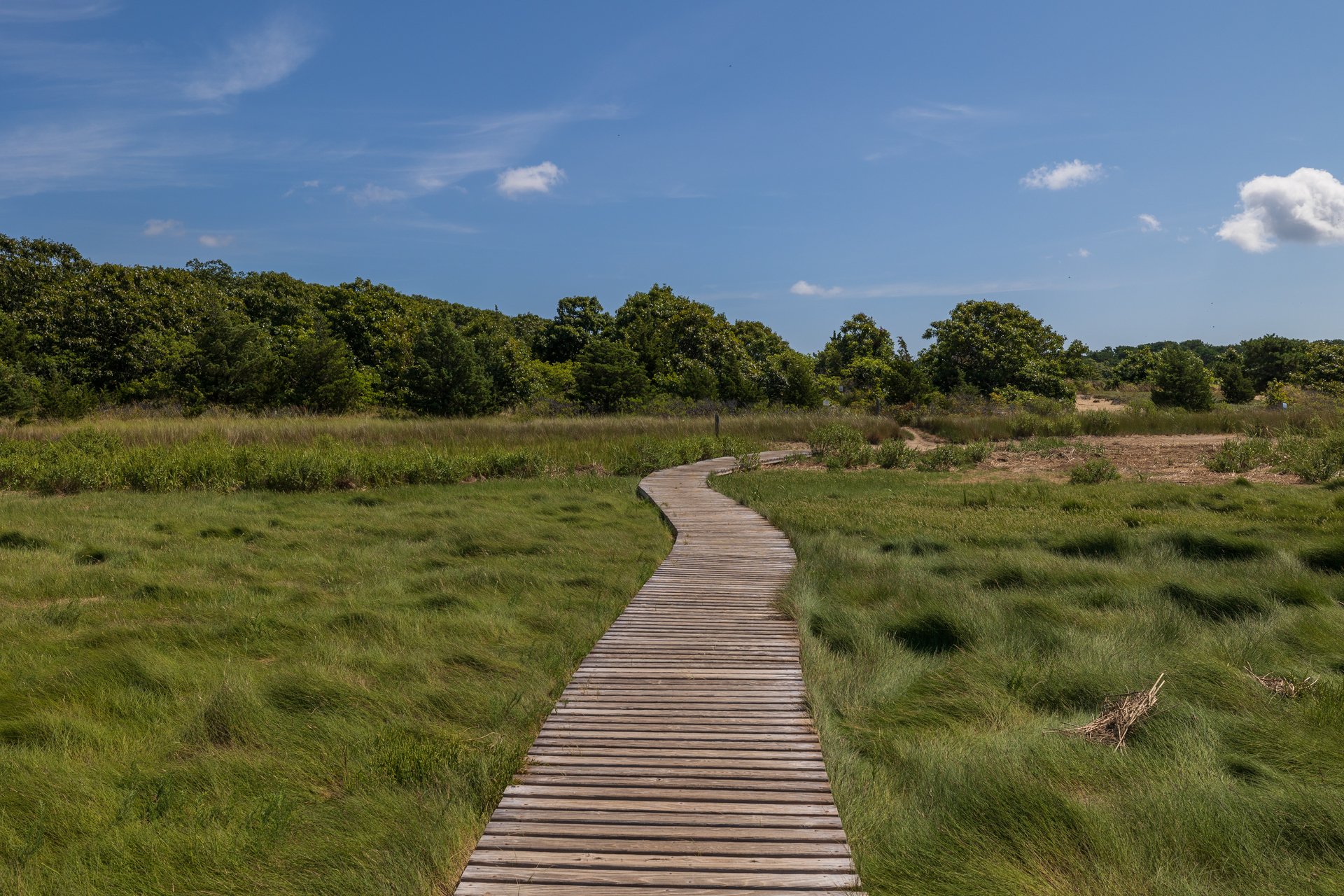
Wellfleet Bay provides peace and unmatched beauty on the hillsides and shoreline overlooking Wellfleet Harbor. Extensive trails bring you to a panoramic salt marsh, sandy barrier beach, and pine woodlands, each attracting a wide array of wildlife.
Hours
Nature Center
- Tuesday-Sunday
- 9:00 am-4:00 pm
Trails
- Daily
- dawn to dusk
- 5 miles
- 0.5 universally accessible miles

Admissions
- Adults $8
- Seniors (65+) $5
- Children (2-12) $3
Contact
291 State Highway Route 6
South Wellfleet, MA 02663
Mailing Address
-
P.O. Box 236
South Wellfleet, MA 02663
Choose Your Path


Property Regulations
- Foot travel only; please stay on trails (day passes are available for powered mobility devices)
- Dog walking and horseback riding are prohibited; please leave all animals and pets at home (service animals welcome)
- Collecting, swimming, wading, smoking, hunting, fishing, releasing of animals, and feeding wildlife is prohibited.
- Organized groups must reach out prior to visiting.
- Commercial photography needs prior approval; please see all photography guidelines.
Facilities


Featured Experiences
-
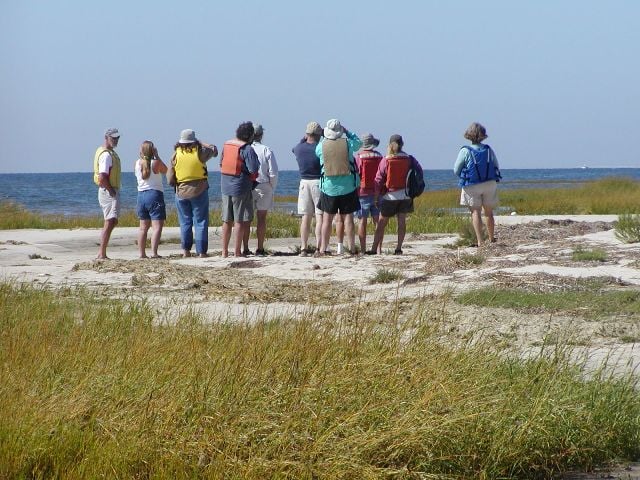
Cape Cod Field Schools
Wellfleet Bay offers a wide variety of field courses for adults that focus on the unique coastal environment and wildlife of Cape Cod.
-
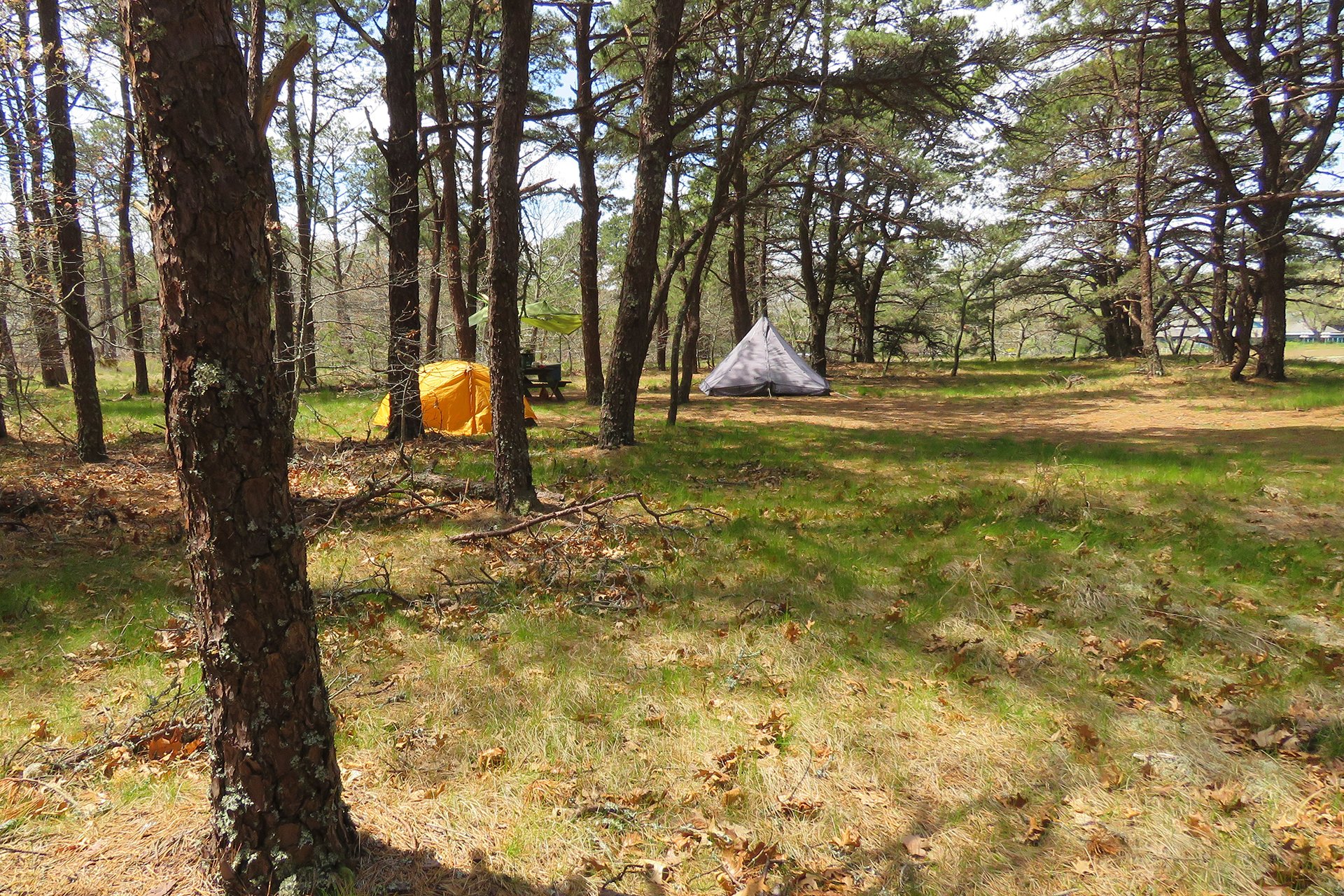 Wellfleet Bay Wildlife Sanctuary Campground
Camping
Camping at Wellfleet Bay offers the natural world of the sanctuary for exploration and enjoyment.
-
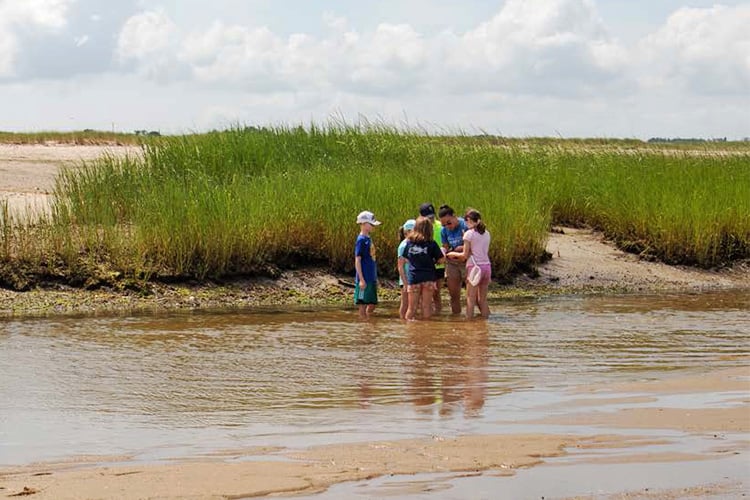
Family Fun
Have fun with the whole family at Wellfleet Bay, either on your own or during an organized program.
-
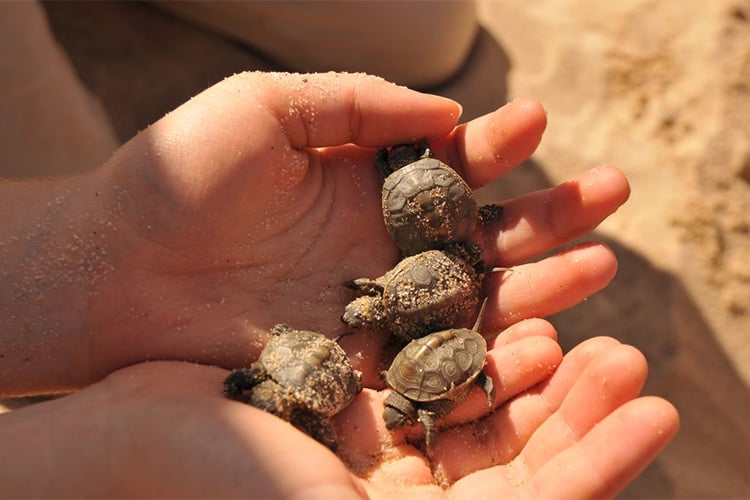 Diamondback Terrapin hatchlings © Terri Munson
Projects
Wellfleet Bay is actively involved with a variety of projects including protecting sea turtles, diamondback terrapins, horseshoe crabs, and more.
Upcoming Programs
See MoreNature Play Group & Story Time
-
Wellfleet Bay Wildlife Sanctuary, South Wellfleet
-
Wednesday, February 4
10:00-11:30am
Families - children 2 - 17
Owl Prowl
-
Wellfleet Bay Wildlife Sanctuary, South Wellfleet
-
Friday, February 6
4:30-6:00pm
Adults & Families - 10 - 17
Winter Birding at Wellfleet Bay
-
Wellfleet Bay Wildlife Sanctuary, South Wellfleet
-
Saturday, February 7
8:00-10:00am
Adults
Explore Wellfleet Bay
-
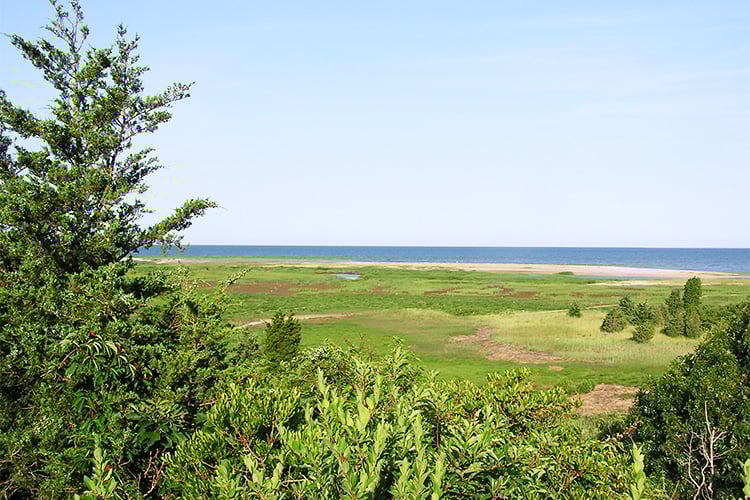 © Lauren Fenn
 -
 Fiddler Crab © Maceo Susi
 -
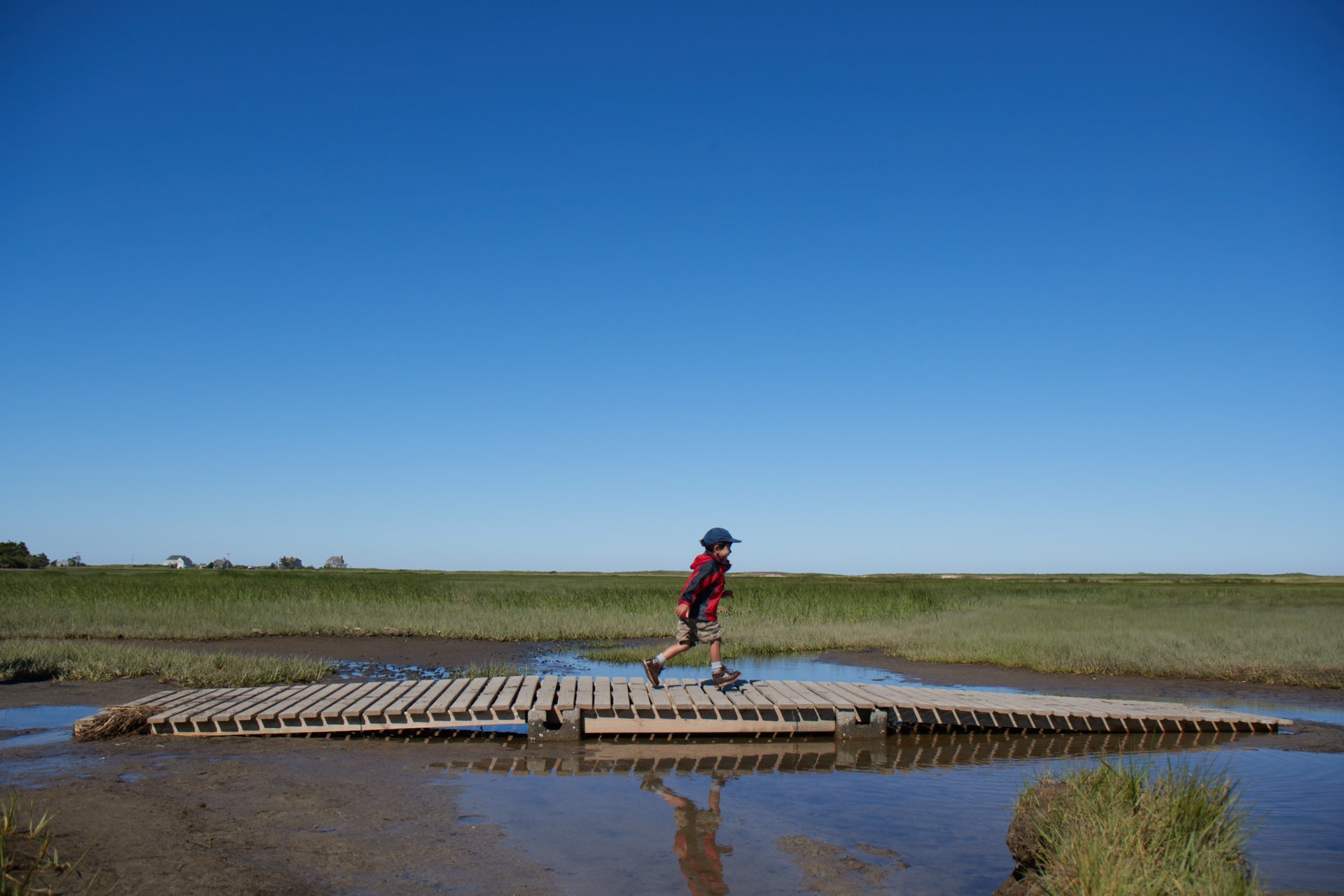 Wellfleet Bay Wildlife Sanctuary, Wellfleet
 -
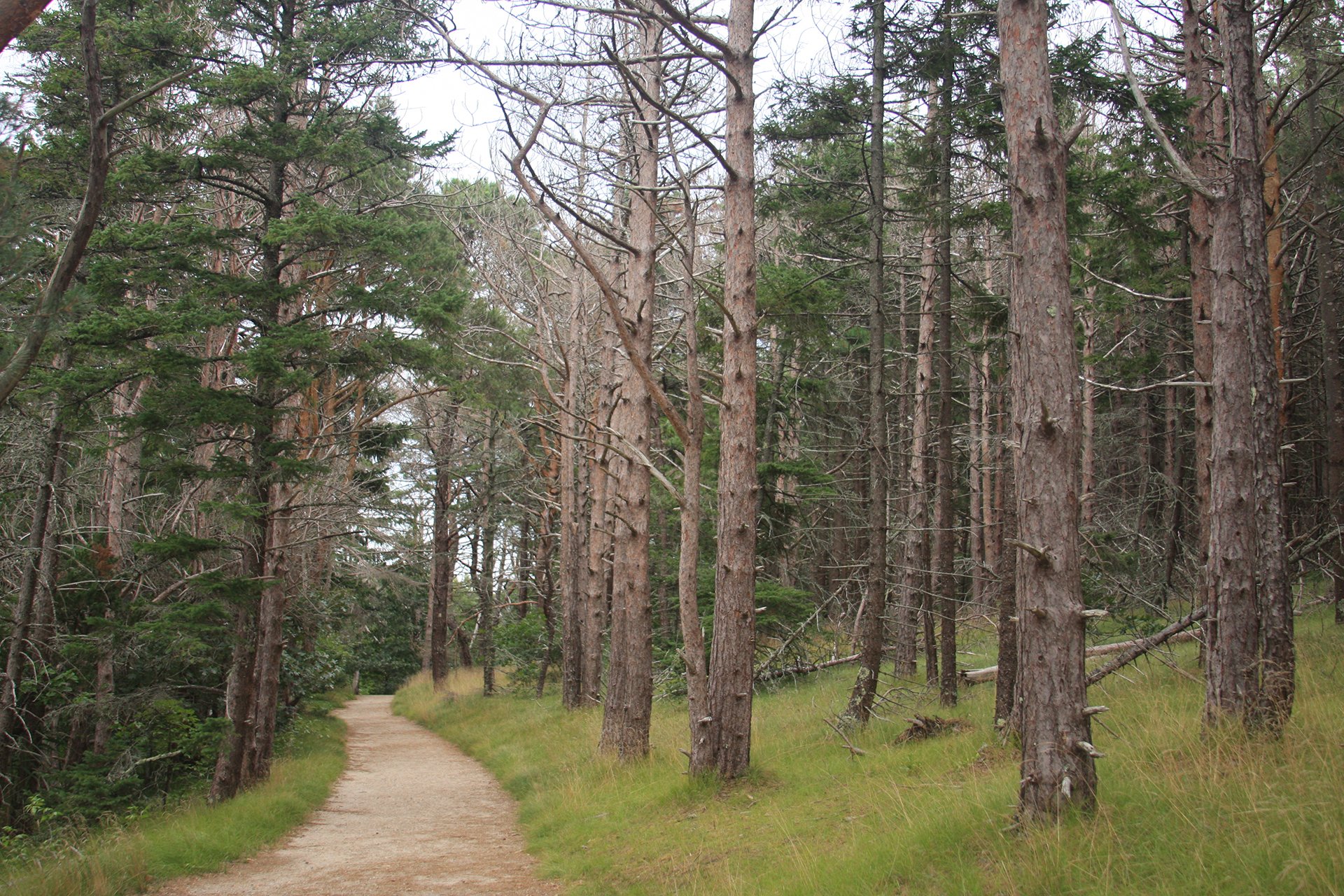 Wellfleet Bay Wildlife Sanctuary, Wellfeet © Elizabeth Attardi
 -
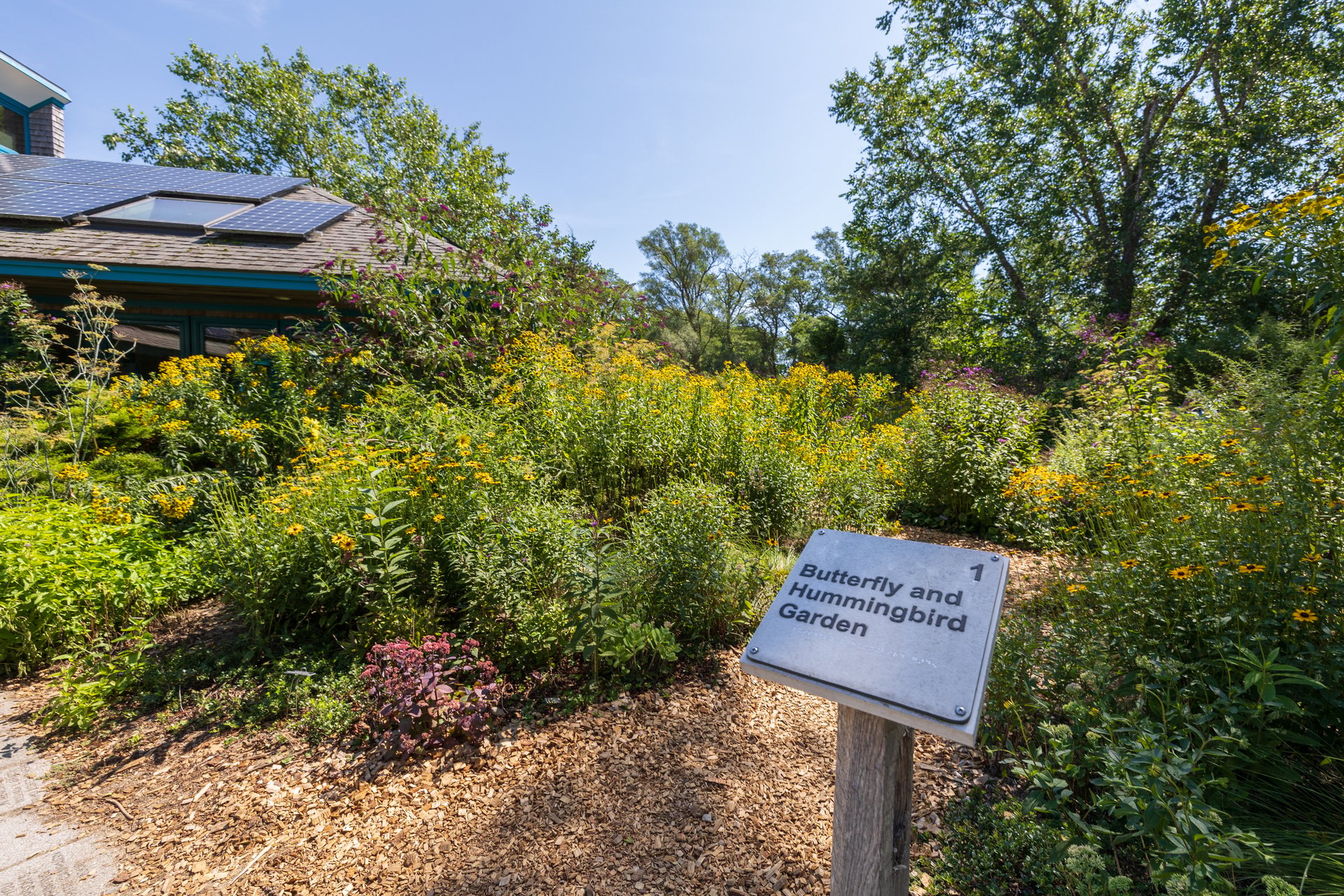 Wellfleet Bay Wildlife Sanctuary, Wellfleet
Latest News
More News
Wildlife on Tap Lecture Series
Keep Reading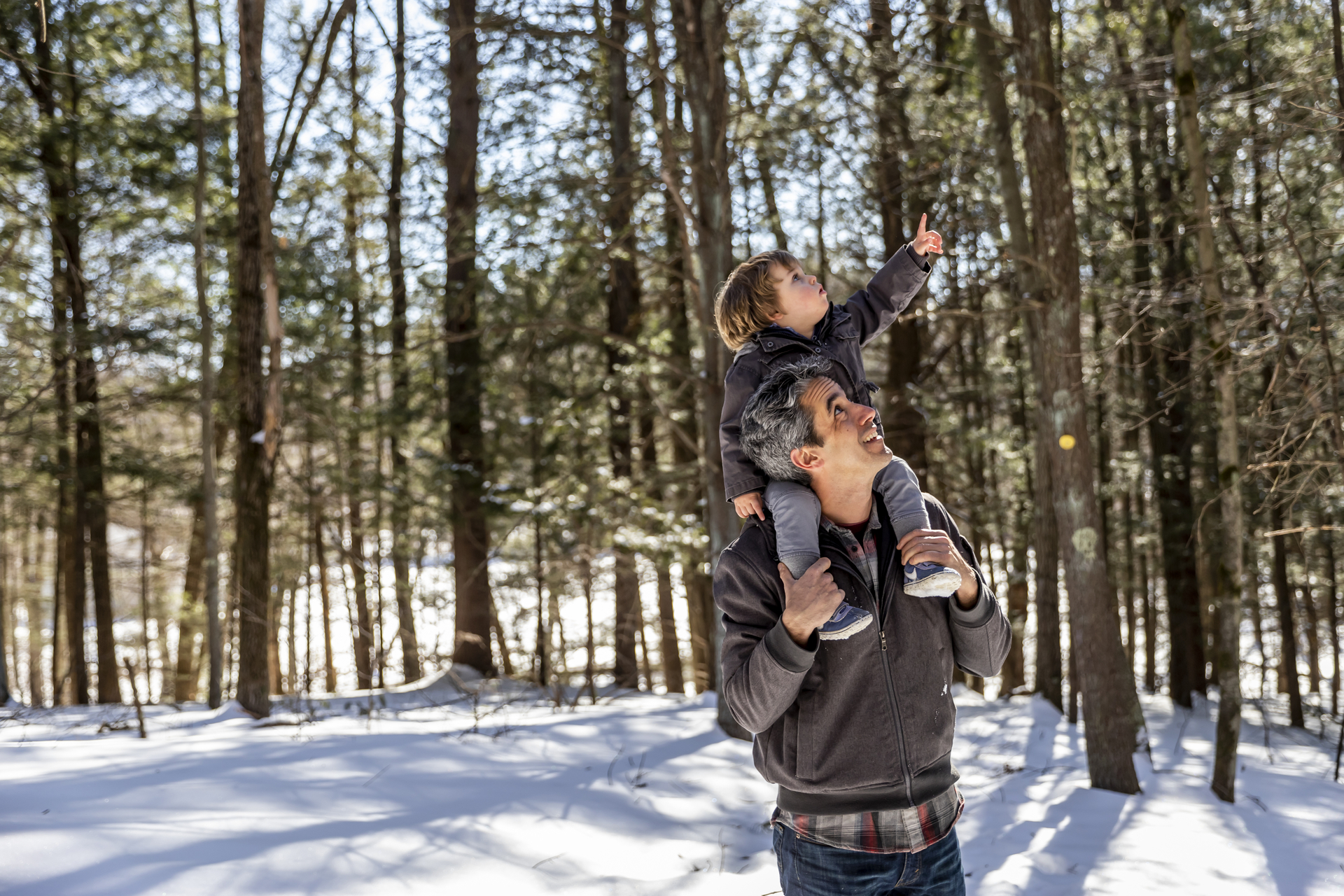
7 Ways to Beat the Winter Blues
Keep Reading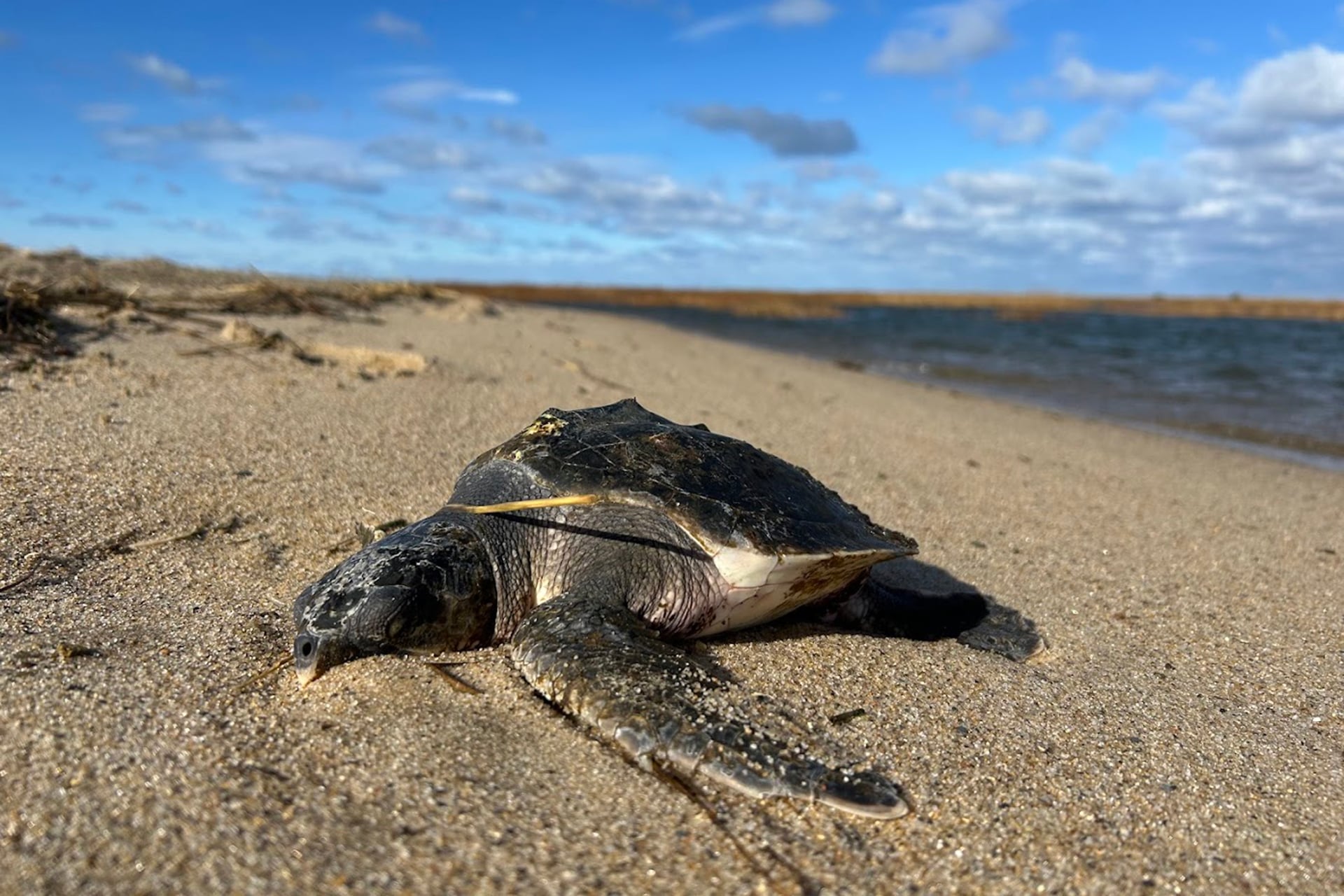
Cold-Stunned Sea Turtles: The 2025 Rescue Season in Review
Keep ReadingSanctuary History
If you were here 150 years ago, you’d be in the middle of asparagus and turnip farms, open fields and salt hay meadows. Dairy cows grazed nearby.
Get Involved
You can contribute to Wellfleet Bay's conservation projects from rescuing stranded sea turtles to monitoring Diamondback Terrapins.
Stay Connected with Wellfleet Bay
Don’t miss a beat on all the ways you can get outdoors, celebrate nature, and get involved.