


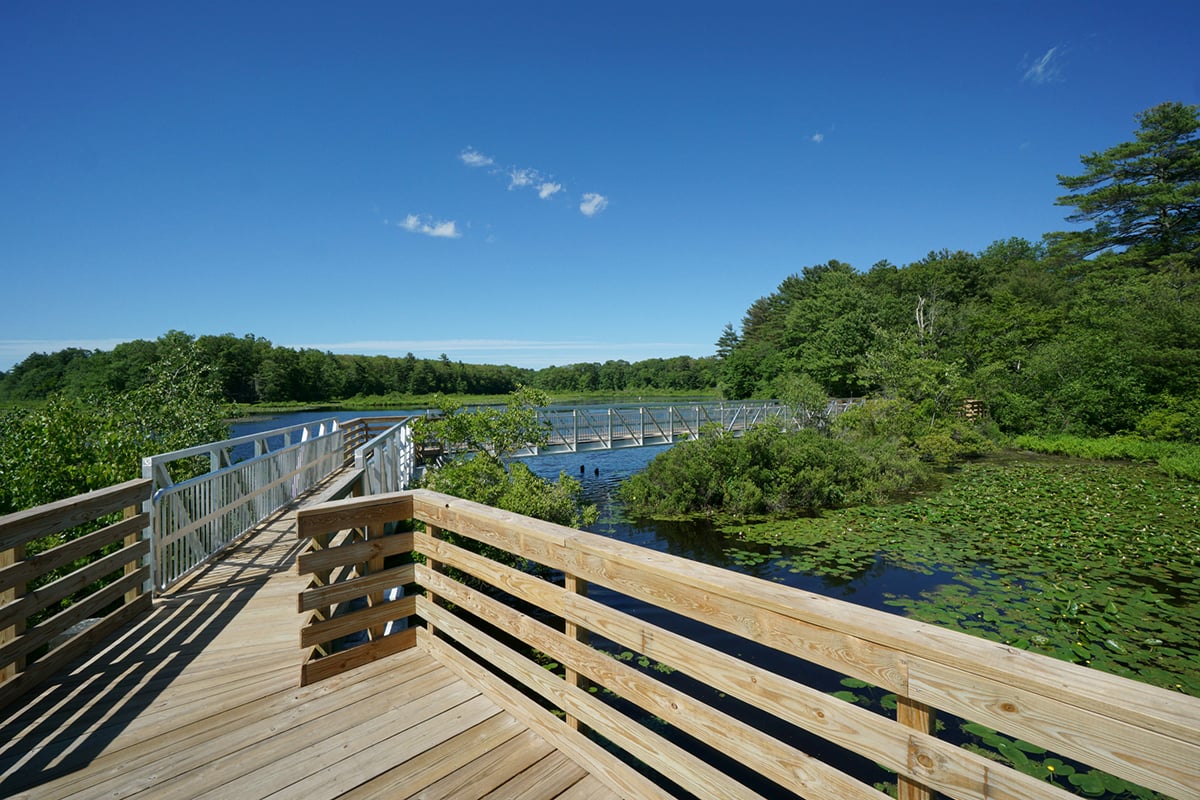
Stony Brook Wildlife Sanctuary
- Norfolk
- 107 Acres
Plan Your Visit
Known for its extensive boardwalk system that goes through forest, fields, and wetlands, Stony Brook offers up-close views of wildlife above and under the water. Located adjacent to the 140-acre Bristol Blake State Reservation, it's cooperatively managed with the Department of Conservation and Recreation.
Hours
Admissions
- Adults $4
- Seniors (65+) $3
- Children (2-12) $3
Contact
108 North Street
Norfolk, MA 02056
Managed by Metro South
Connect with Stony Brook


Property Regulations
- Foot travel only; please stay on trails (day passes are available for powered mobility devices)
- Dog walking and horseback riding are prohibited; please leave all animals and pets at home (service animals welcome)
- Camping, collecting, smoking, hunting, fishing, releasing of animals, and feeding wildlife is prohibited.
- Commercial photography needs prior approval; please see all photography guidelines.
Facilities


Explore Stony Brook
-
 Stony Brook Wildlife Sanctuary
 -
-
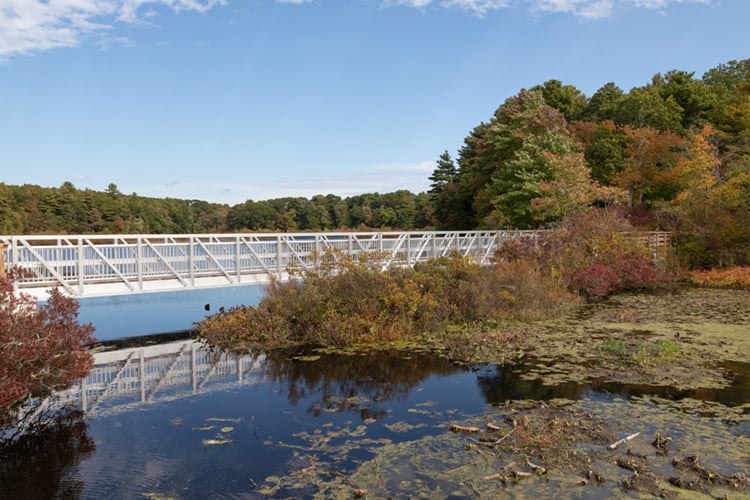
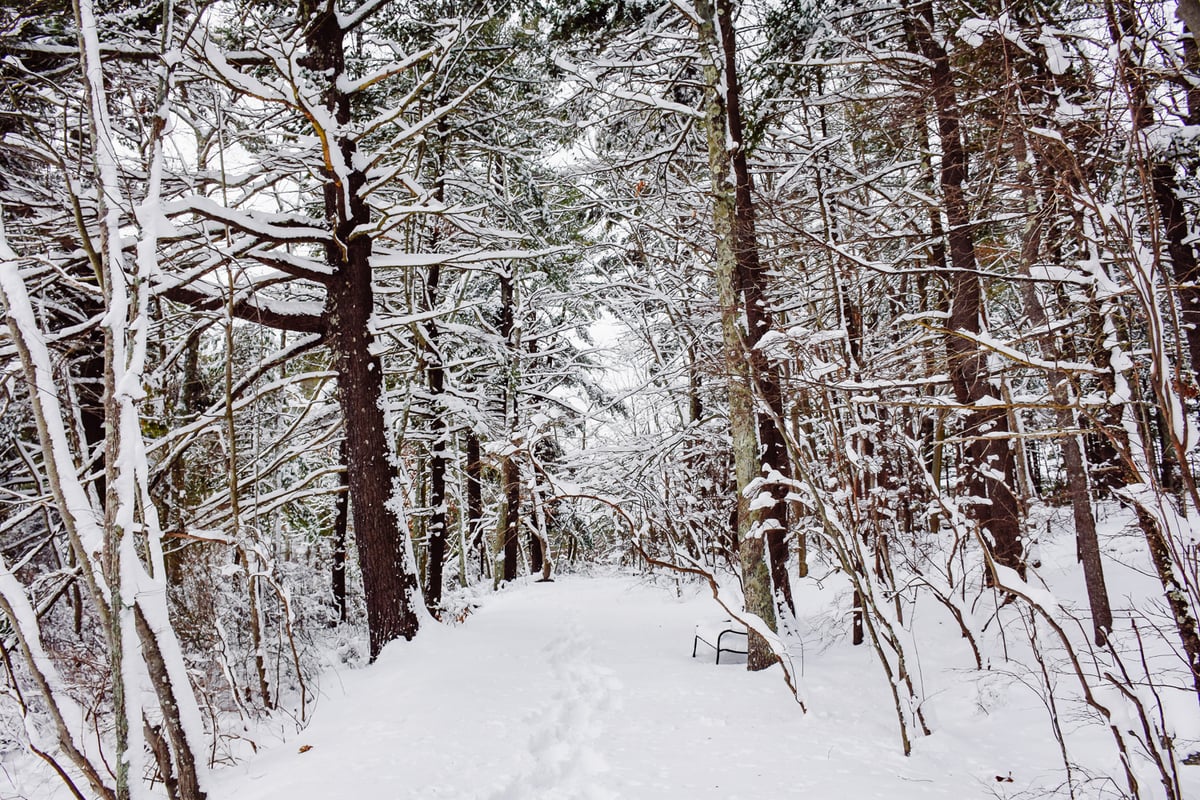 Stony Brook Wildlife Sanctuary, Norfolk
 -
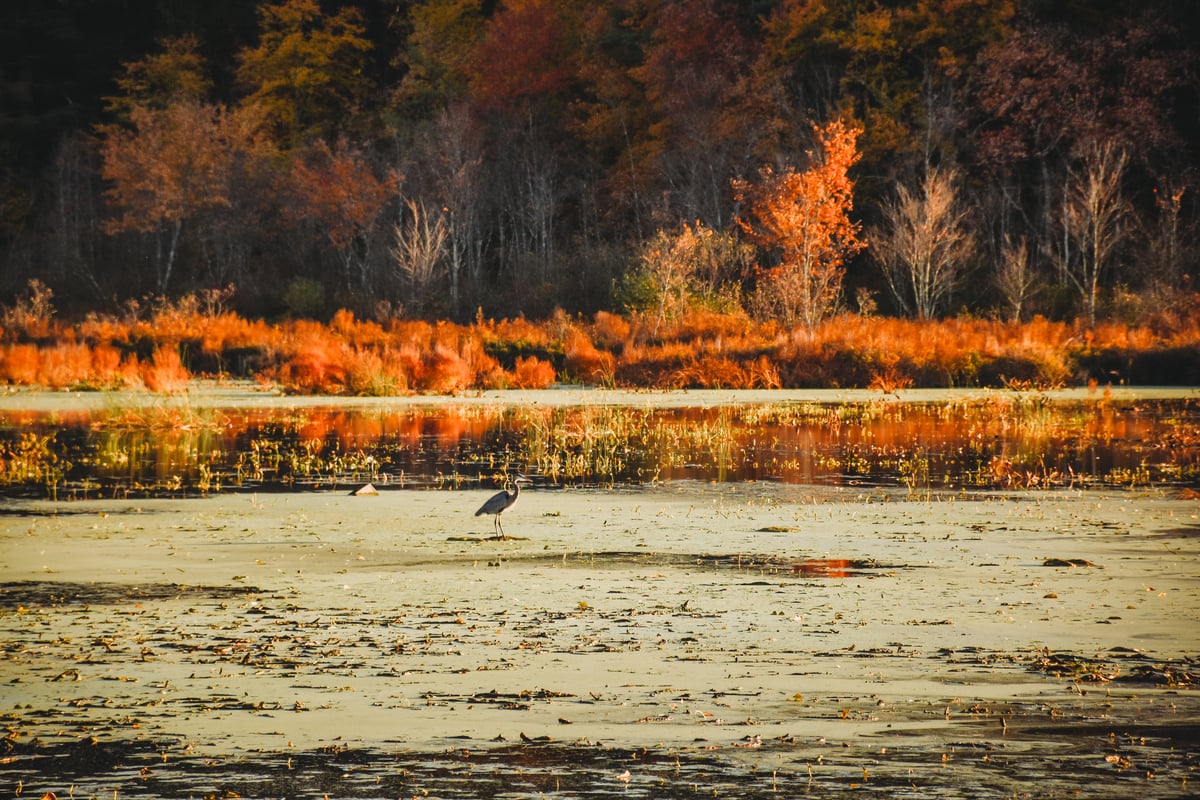 Great Blue Heron at Stony Brook Wildlife Sanctuary, Norfolk
 -
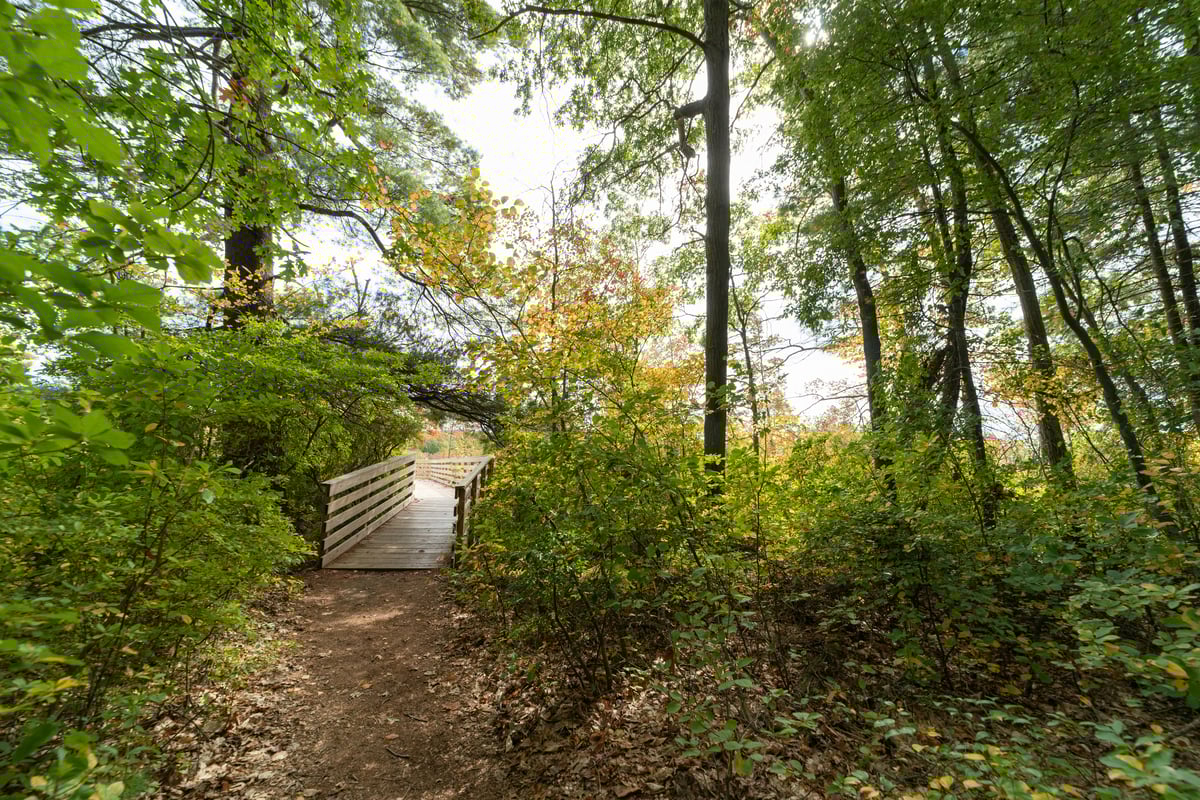 Stony Brook Wildlife Sanctuary, Norfolk
 -
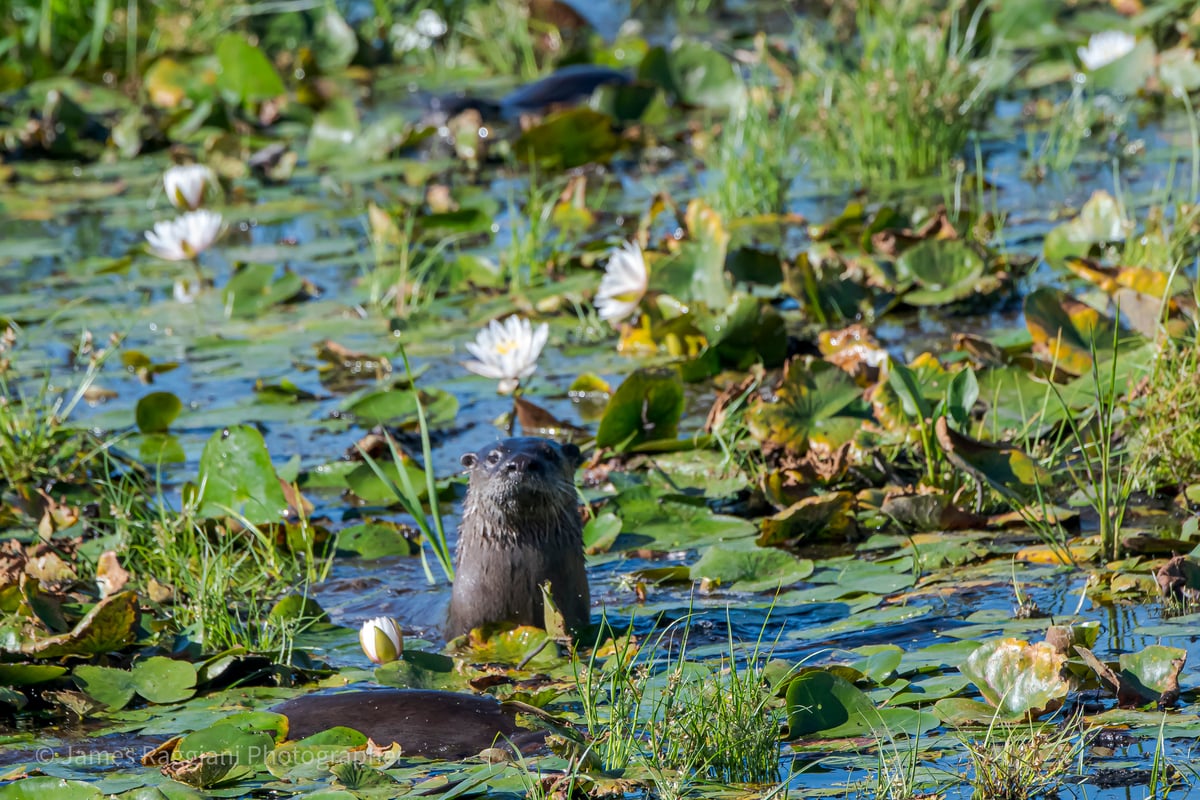 © James Raggiani
Latest News
More News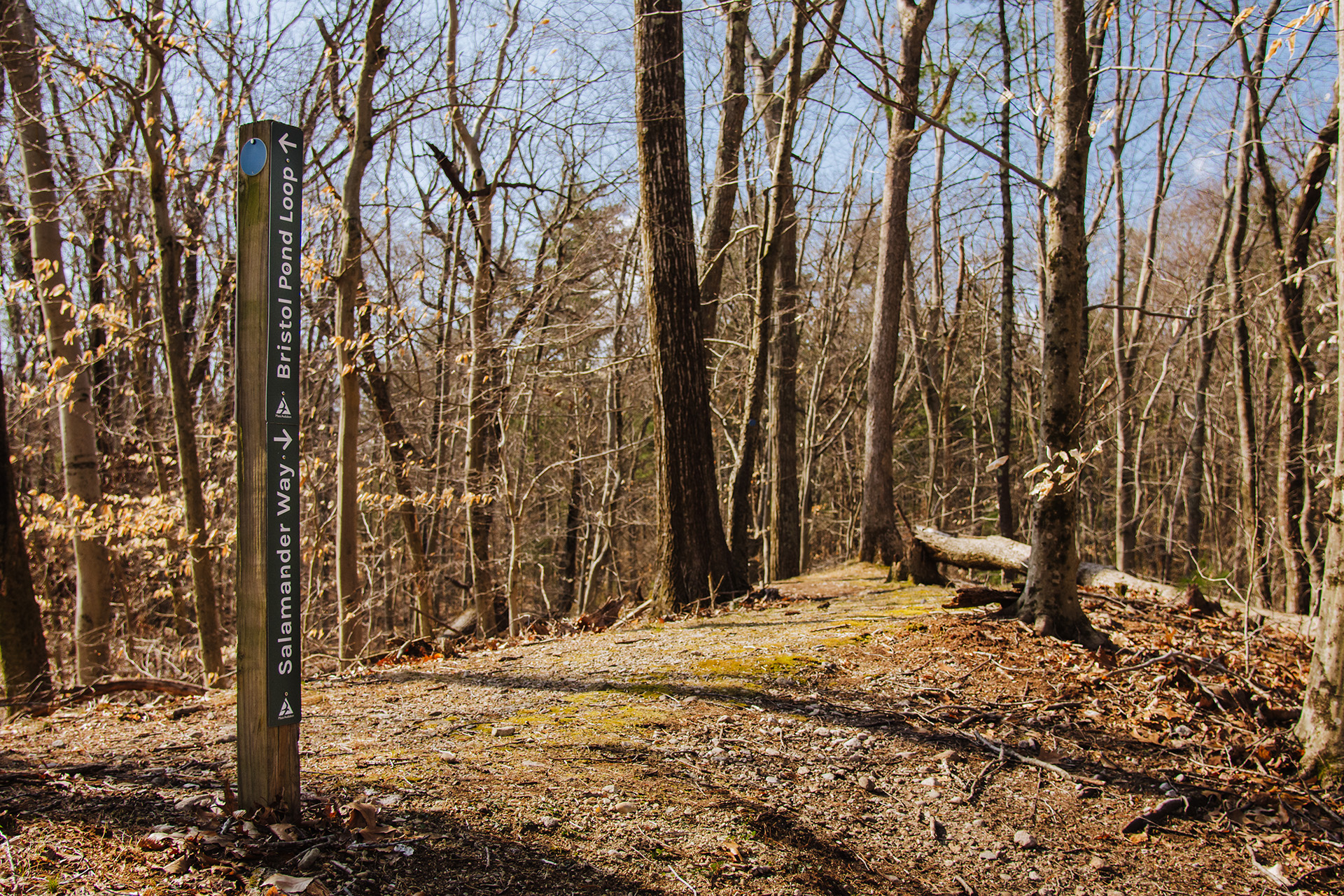
Stony Brook Wildlife Sanctuary's Newest Trail
Keep Reading
Top 10 Unforgettable Experiences at Stony Brook Camp
Keep Reading
Our Icy Past
Keep ReadingUpcoming Programs in Metro South
See MoreVernal Pools Are Hopping
-
Moose Hill Wildlife Sanctuary, Sharon
-
Saturday, April 20
3:30-5:00pm
Families - children 6 & up
Adult Twilight Walk
-
Stony Brook Wildlife Sanctuary, Norfolk
-
Tuesday, April 23
6:30-8:00pm
Adults
Mindful Birding
-
Moose Hill Wildlife Sanctuary, Sharon
-
Saturday, April 27
10:00am-12:30pm
Adults
Stay Connected with Stony Brook
Don’t miss a beat on all the ways you can get outdoors, celebrate nature, and get involved.