


Plan Your Visit
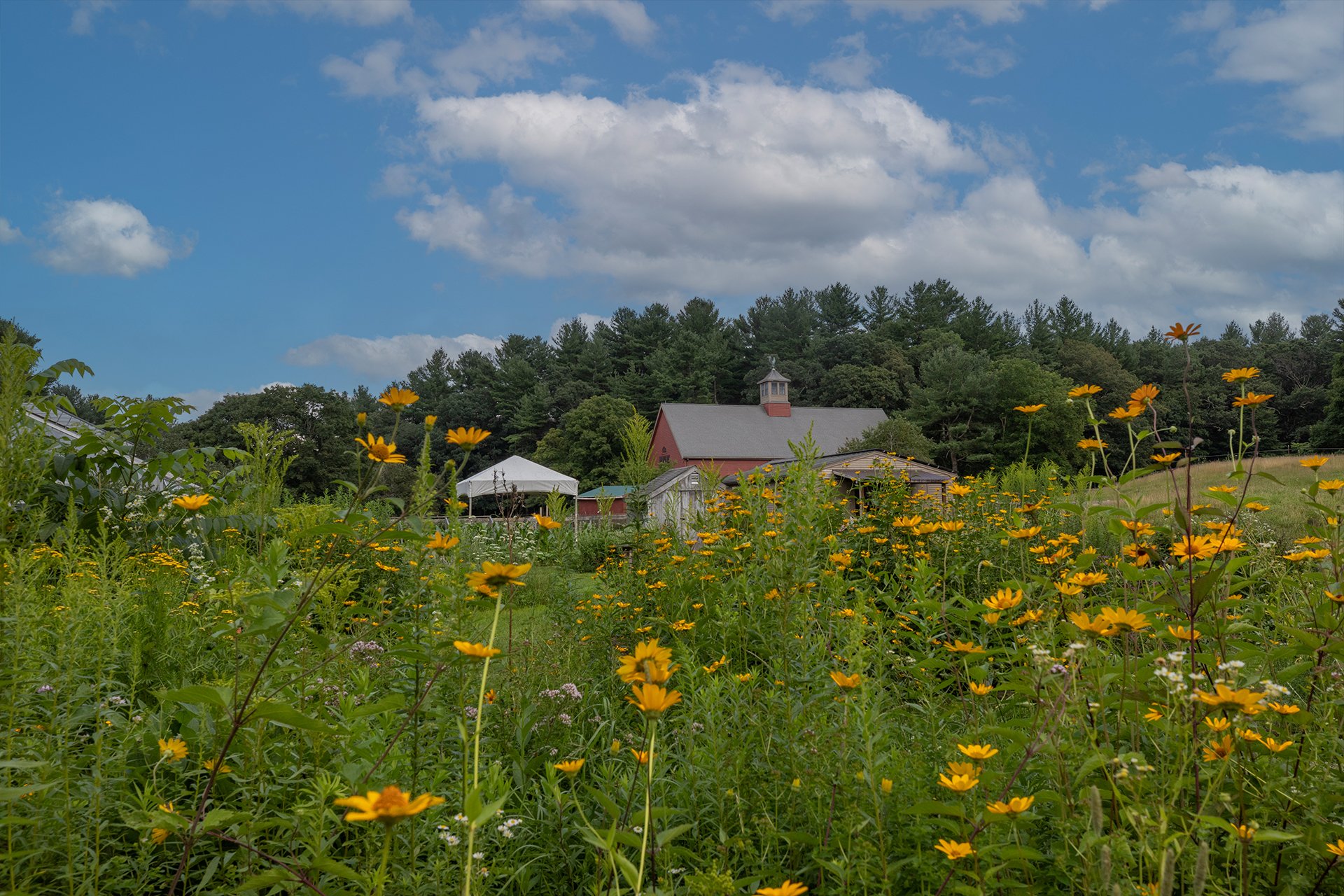
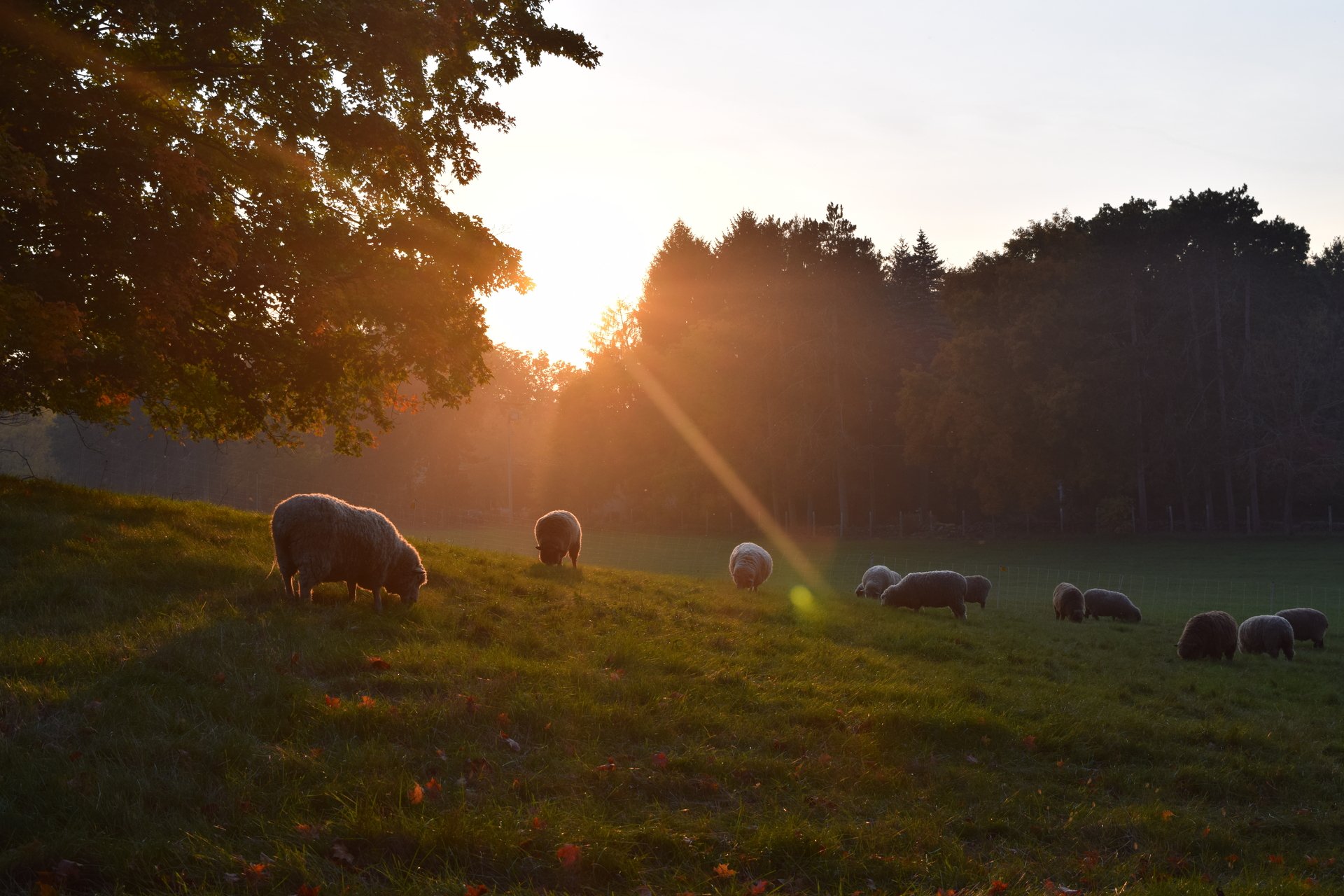
Experience life on a working farm and explore a wildlife sanctuary at the same time. At Drumlin Farm in Lincoln, watch the pigs, sheep, goats, chickens, and cows in the farmyard; see how crops are sustainably grown; walk the trails to explore field, forest, and wetland habitat; and observe resident owls, hawks, and foxes in the native wildlife exhibit.
Hours
Farm & Shop
- Farm: Tuesday–Sunday, Monday holidays
- 9:00 am–4:00 pm
- Shop: Thursday-Sunday, Monday holidays
- 10:00 am-4:00 pm
Trails
- 4 miles
- 0.5 miles
Admissions
- Adults $9
- Seniors (65+) $6
- Children (2-12) $6
Contact
208 South Great Road
Lincoln, MA 01773
Choose Your Path


Property Regulations
- Foot travel only; please stay on trails (day passes are available for powered mobility devices)
- Dog walking and horseback riding are prohibited; please leave all animals and pets at home (service animals welcome)
- Camping, collecting, smoking, hunting, fishing, releasing of animals, and feeding wildlife is prohibited.
- Commercial photography needs prior approval; please see all photography guidelines.
Facilities


Featured Experiences
-
Wildlife & Farm Exhibits
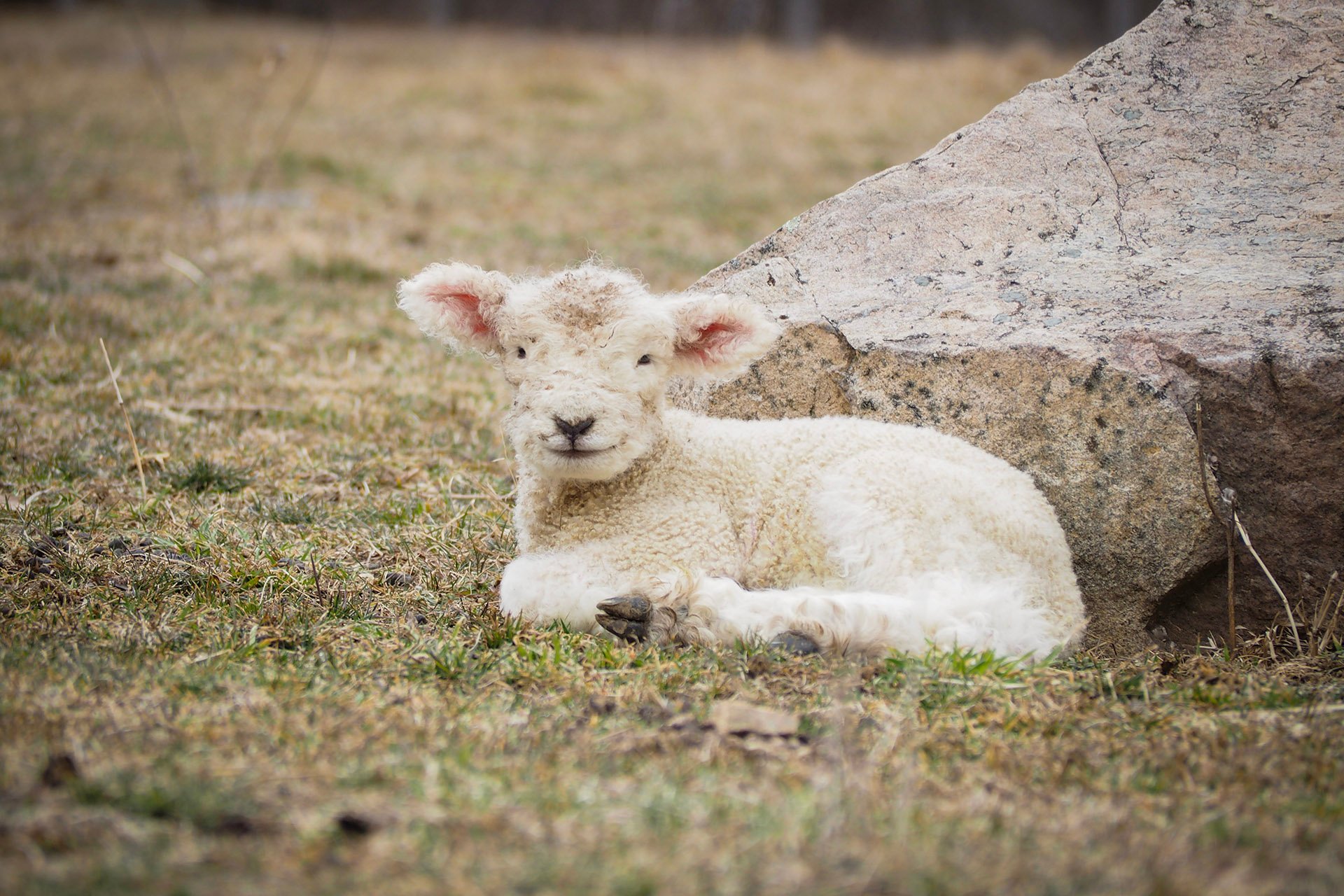
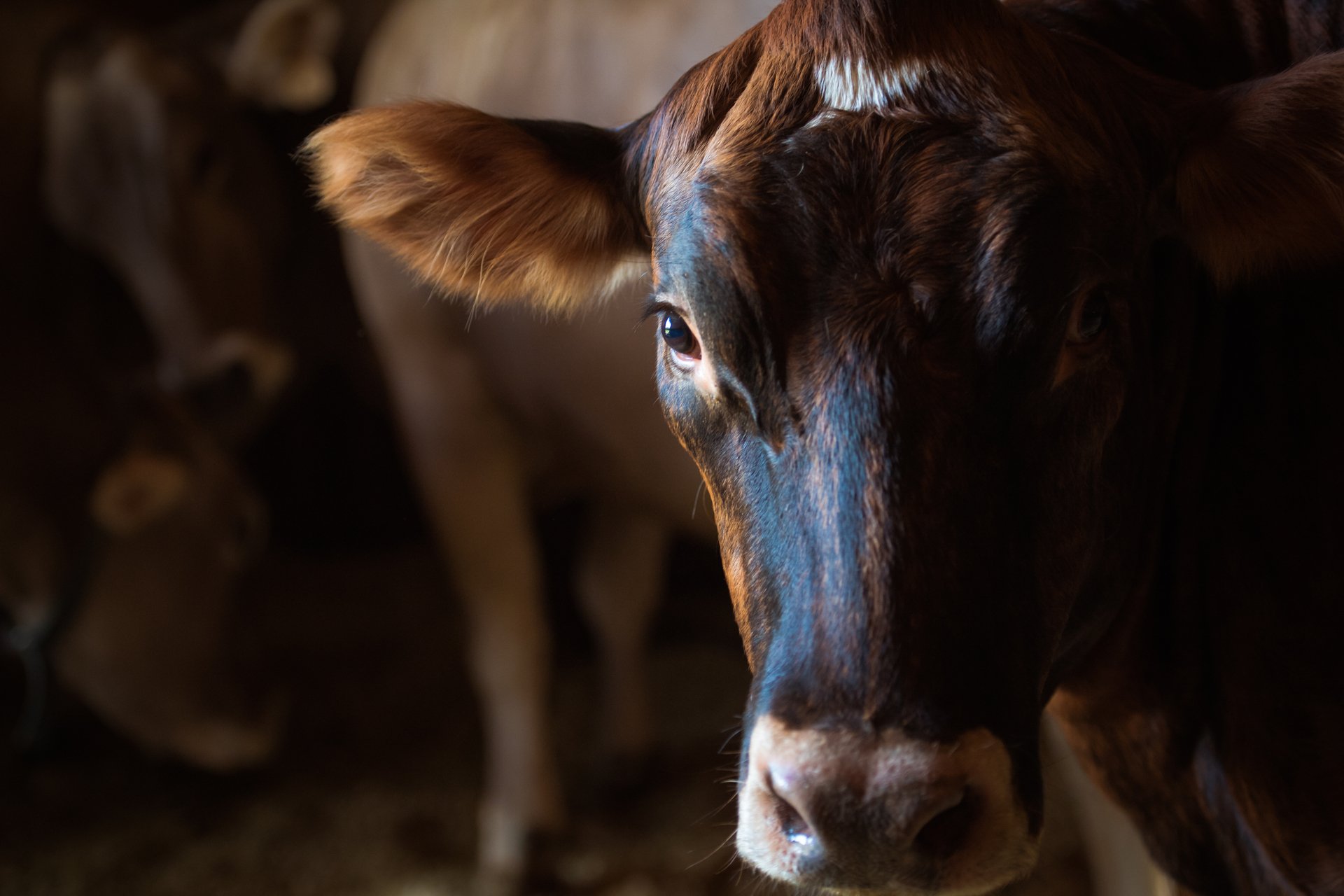
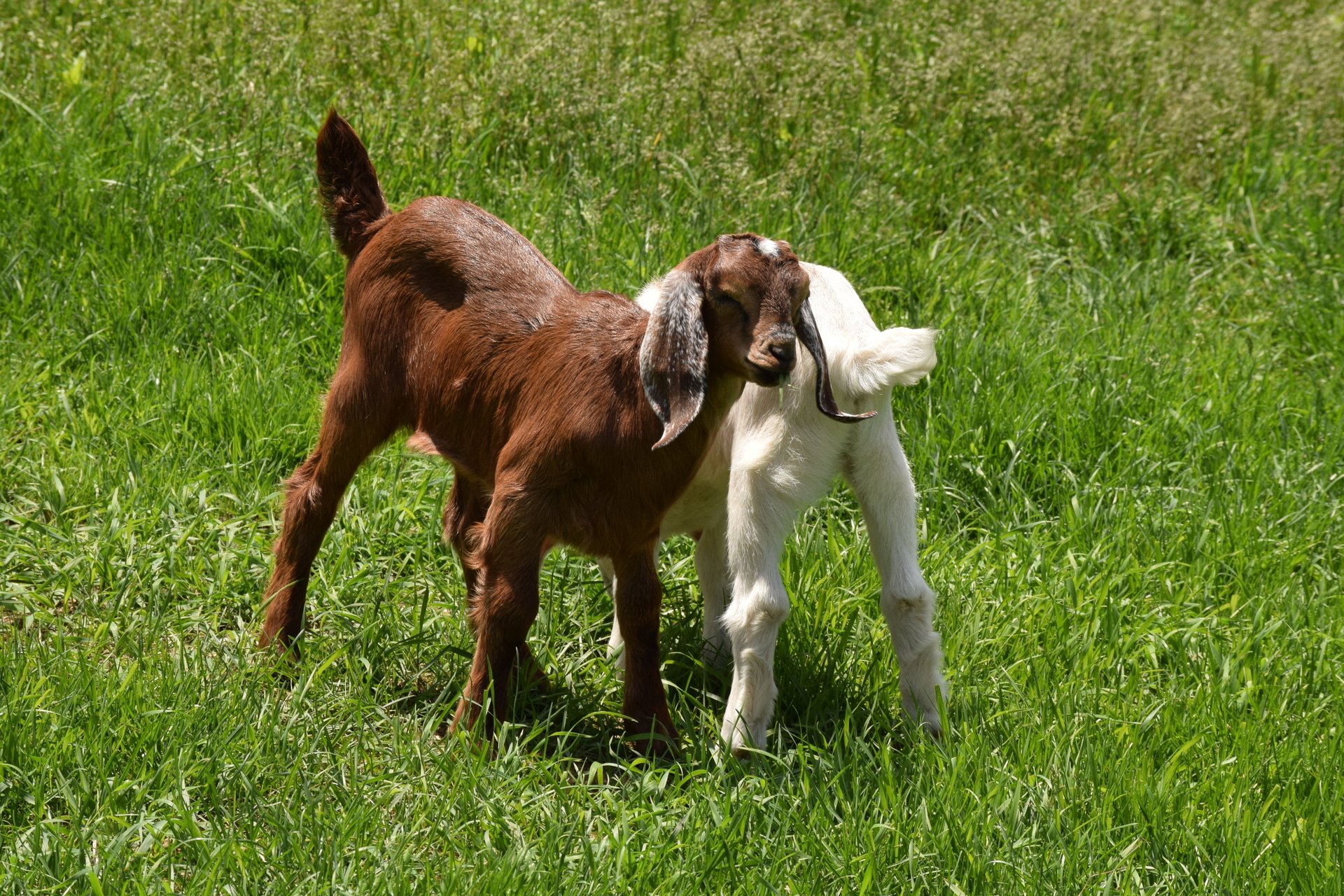
During a visit to Drumlin Farm, you can see farm animals, including baby sheep and goats each spring, as well as rehabilitated native wildlife.
-
Farming & CSA
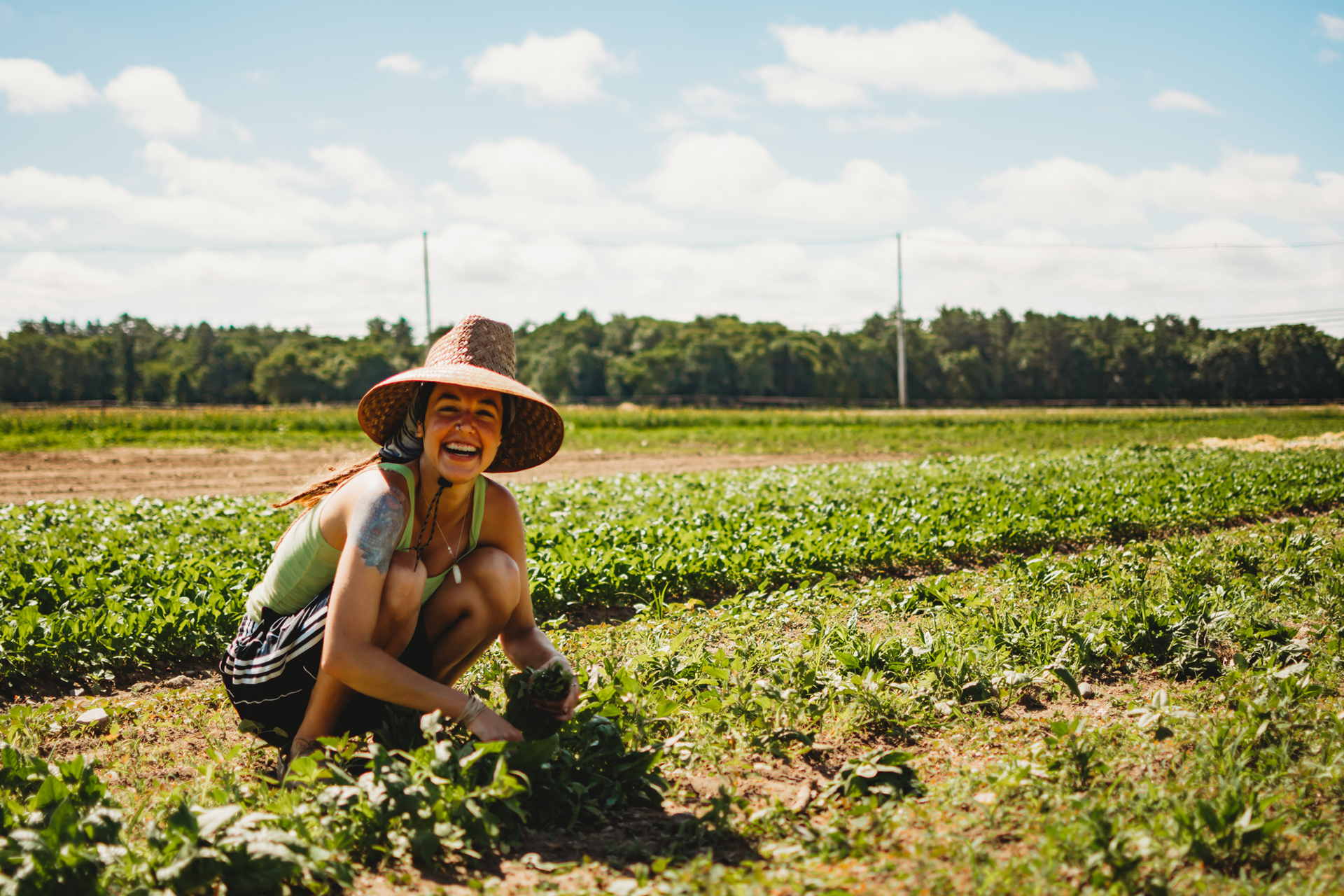
We are committed to sustainable farming, which includes organic principles that work with the season. We offer a 3-season CSA and Farmstand.
-
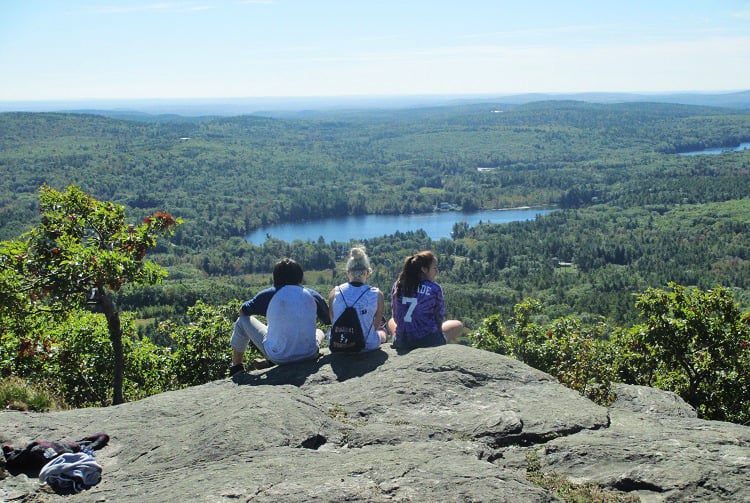
Teen Programs
Looking for something fun to do on the weekends or perhaps get some community service hours? Meet new friends, explore nature, gain skills, and create shareable moments with Drumlin Farm's programs for teens ages 13-17.
-
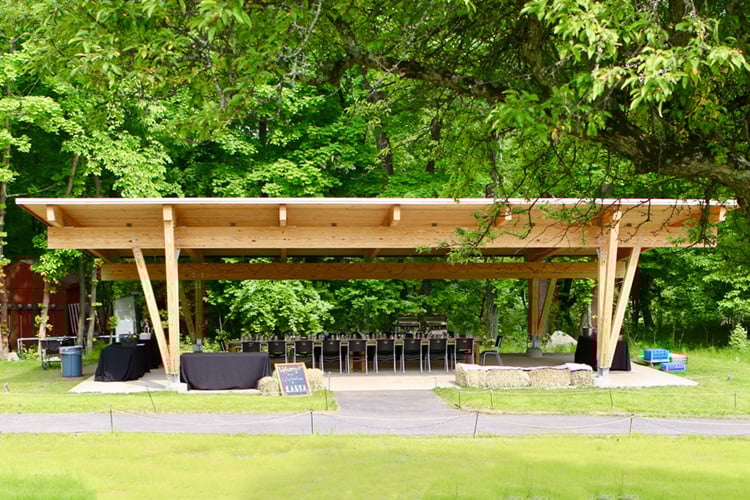
Facility Rentals
Drumlin Farm is a fun and unique setting for professional meetings, community gatherings, birthday parties, and other casual events.
-
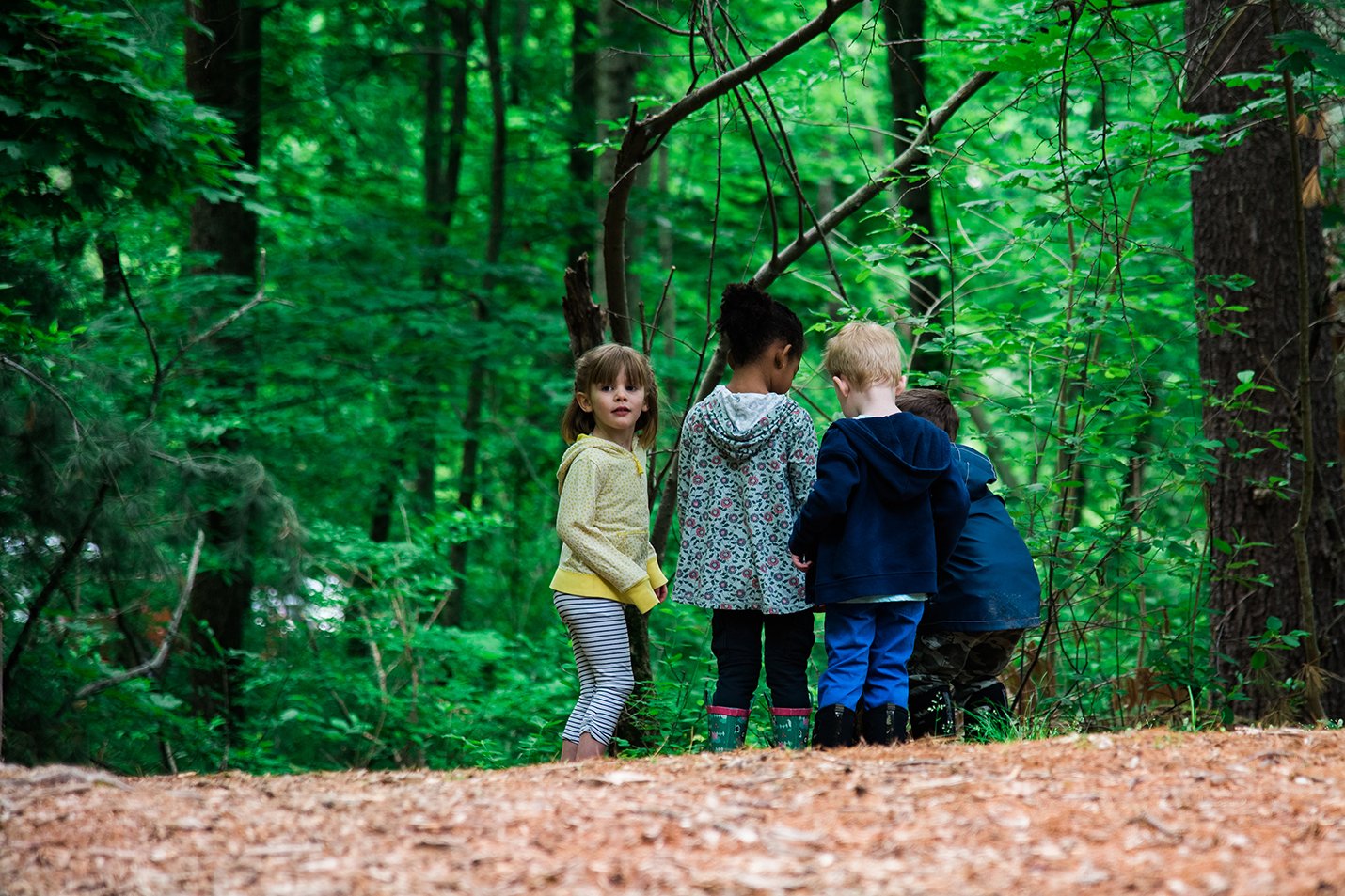 © Emily Haranas
Community Preschool
At Drumlin Farm Community Preschool, children learn through hands-on nature-based experiences that address the developmental needs of children ages 3 to 5 as they explore the varied habitats at the sanctuary.
Upcoming Programs
See moreBirding the Wilds of Cape Ann
-
Drumlin Farm Wildlife Sanctuary, Lincoln
-
Saturday, January 17
7:00am-5:00pm
Adults & Families - 16 - 17
Bird Walk at Brewster's Woods
-
Brewster's Woods Wildlife Sanctuary, Concord
-
Tuesday, January 20
8:30-10:30am
Adults
Stew and Brew
-
Drumlin Farm Wildlife Sanctuary, Lincoln
-
Friday, January 23
6:30-9:00pm
Adults
Explore Drumlin Farm
-
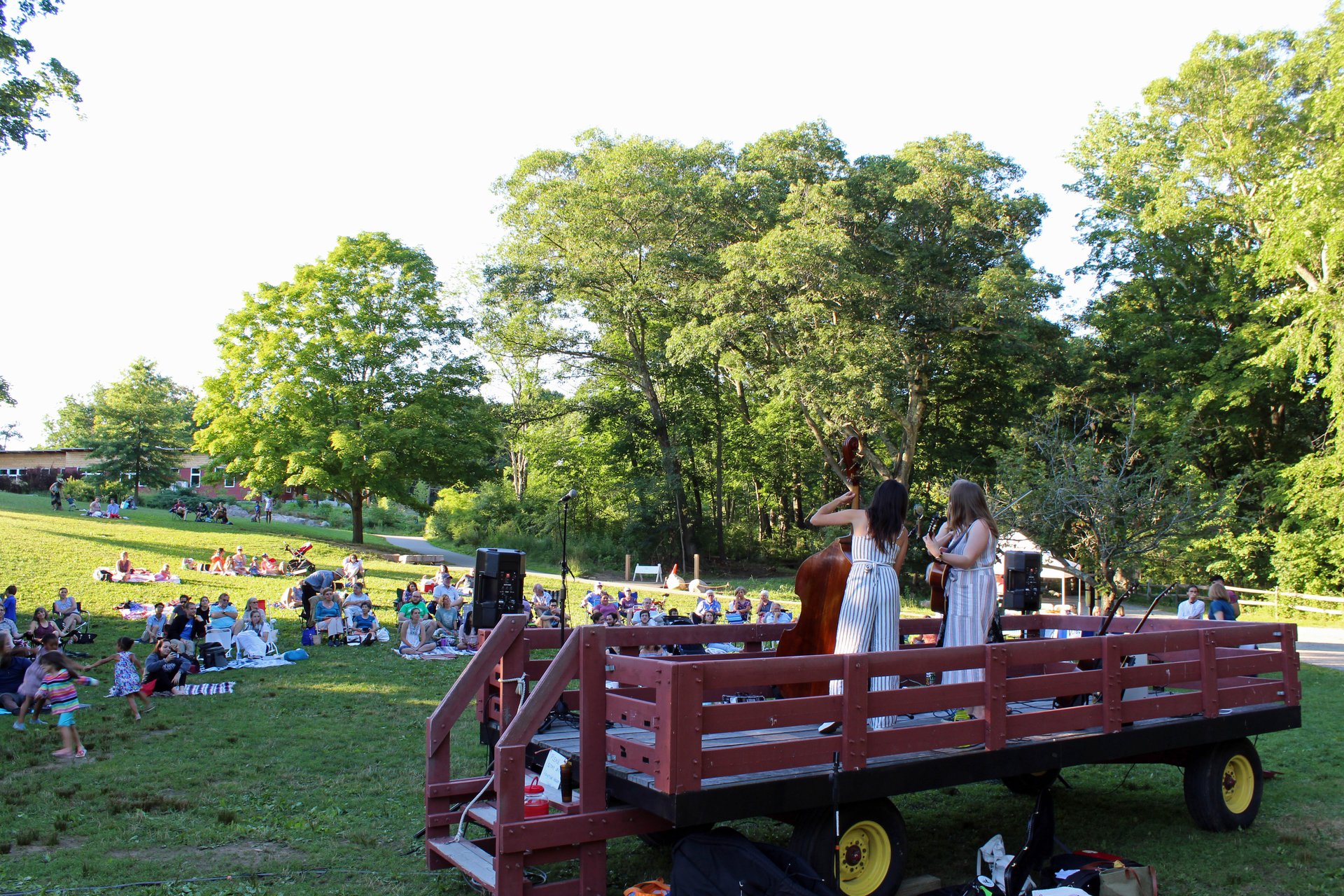 Drumlin Farm, Lincoln
 -
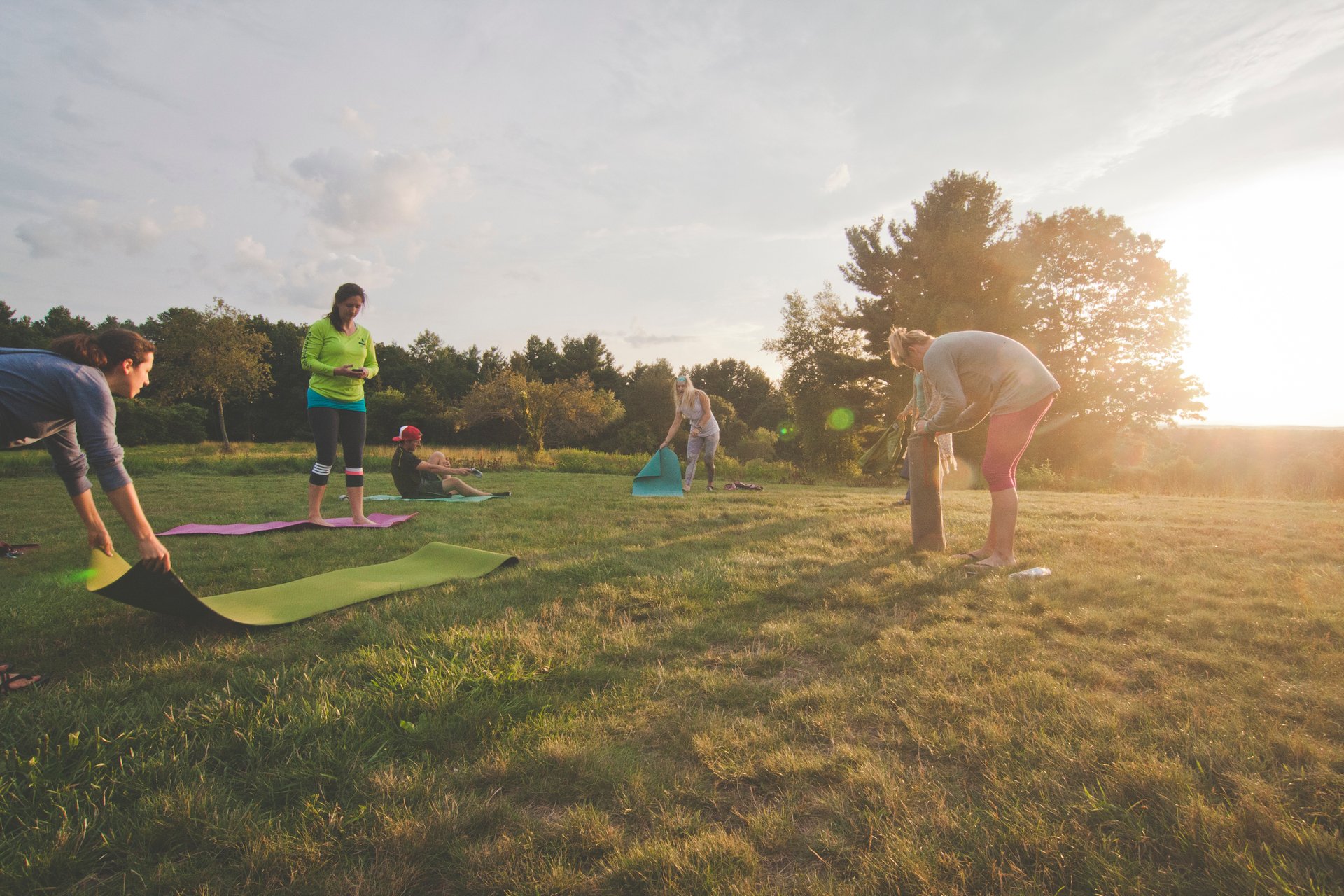 Drumlin Farm, Lincoln © Mimi Palmore
 -
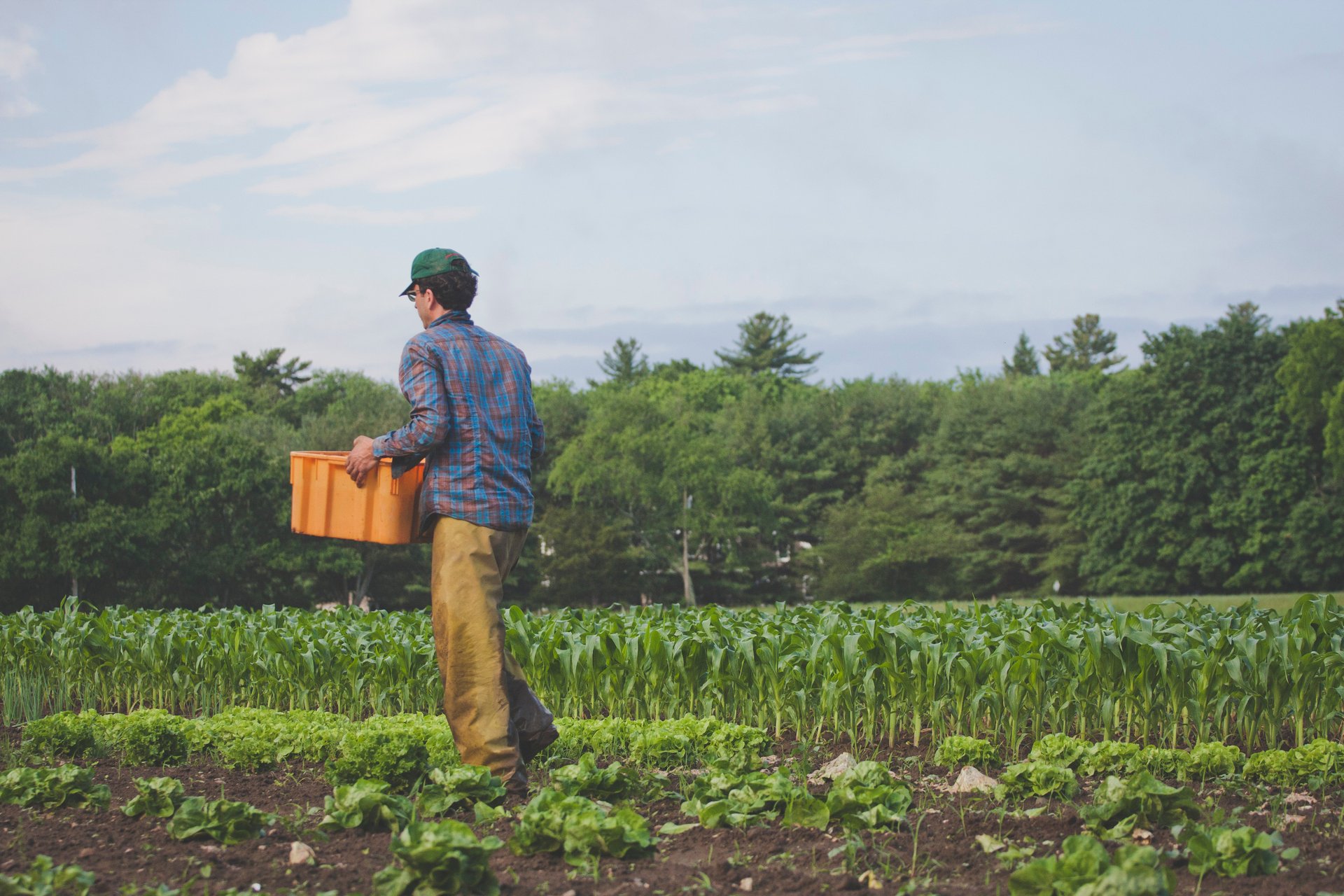 Drumlin Farm, Lincoln
 -
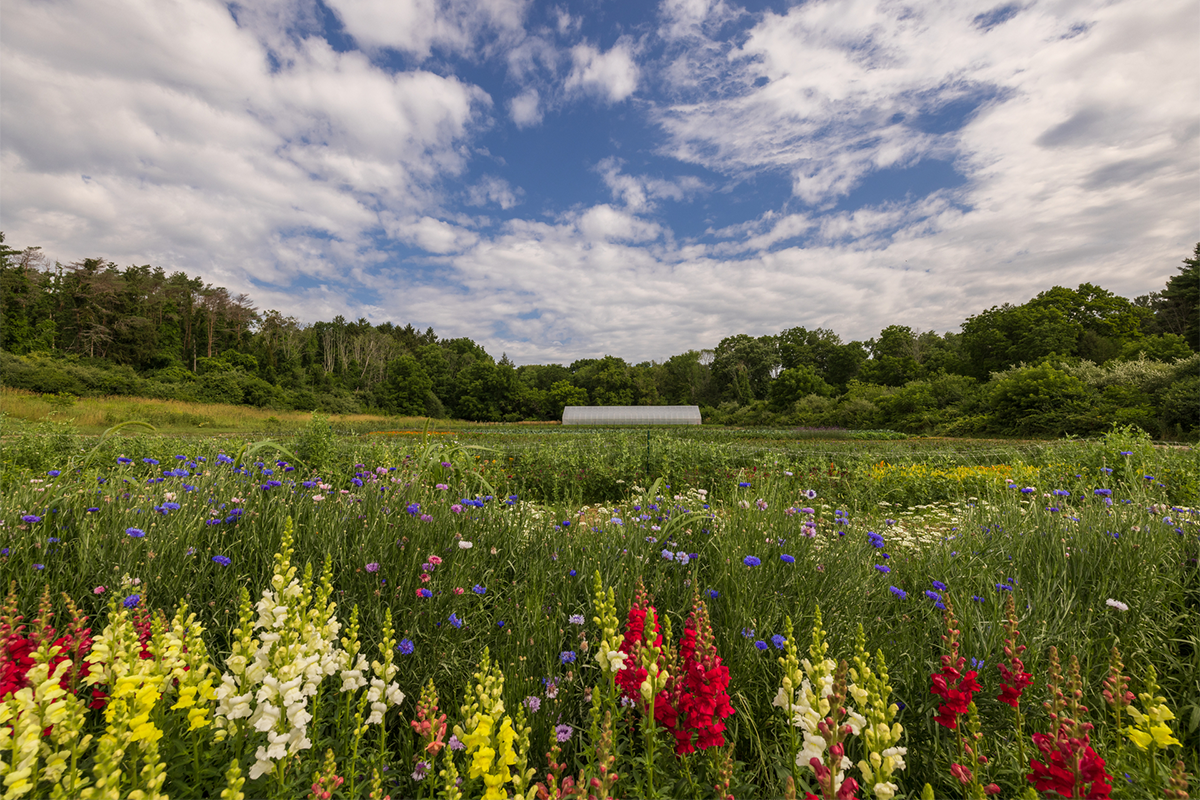 Drumlin Farm, Lincoln
 -
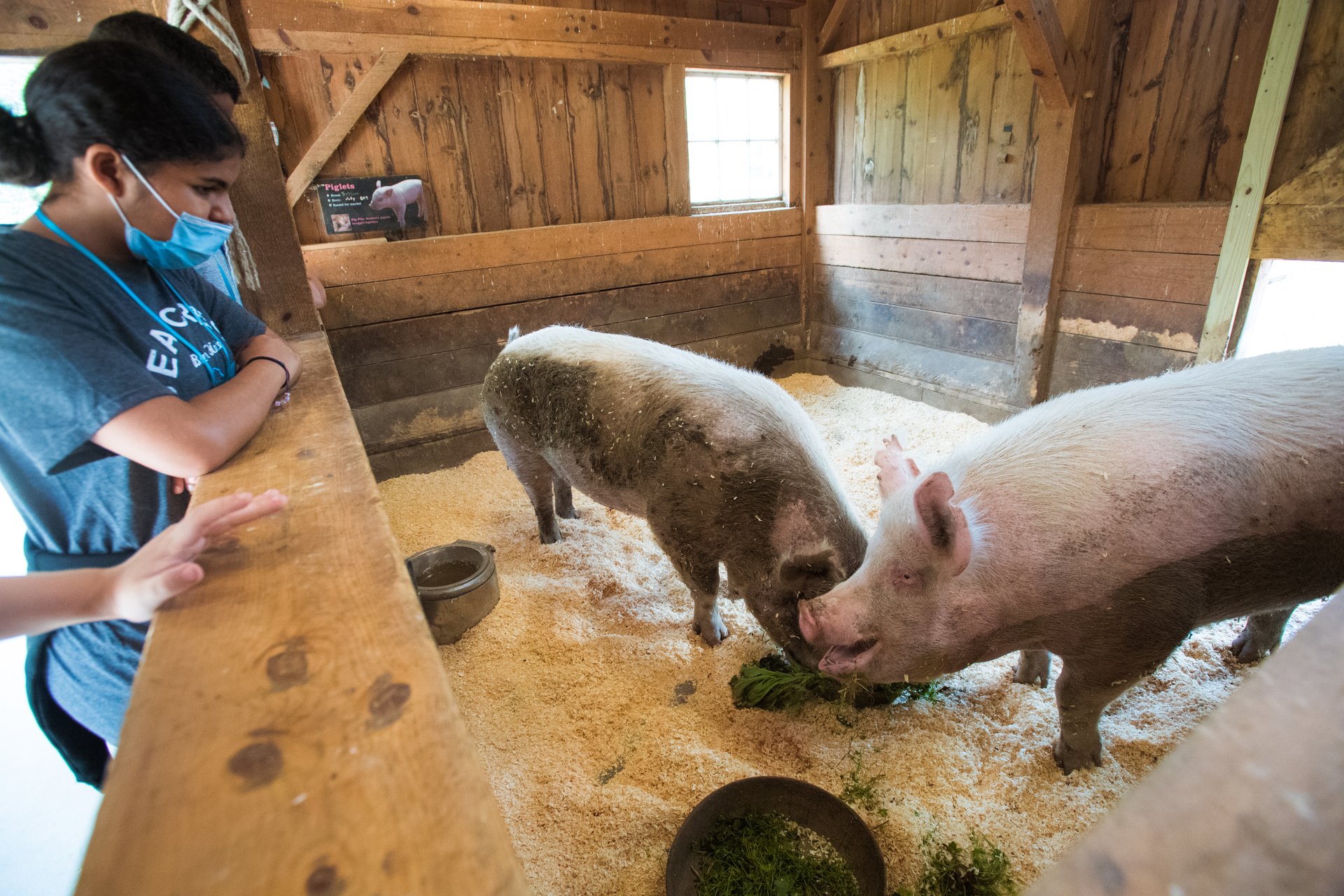 Drumlin Farm, Lincoln
 -
 Drumlin Farm, Lincoln
 -
 Drumlin Farm, Lincoln
 -
 Drumlin Farm, Lincoln
Latest News
More News

Find Your Winter Wonder with Mass Audubon
Keep Reading
Elevate Your Fall Hiking
Keep ReadingStay Connected with Drumlin Farm
Don’t miss a beat on all the ways you can get outdoors, celebrate nature, and get involved.