


Plan Your Visit
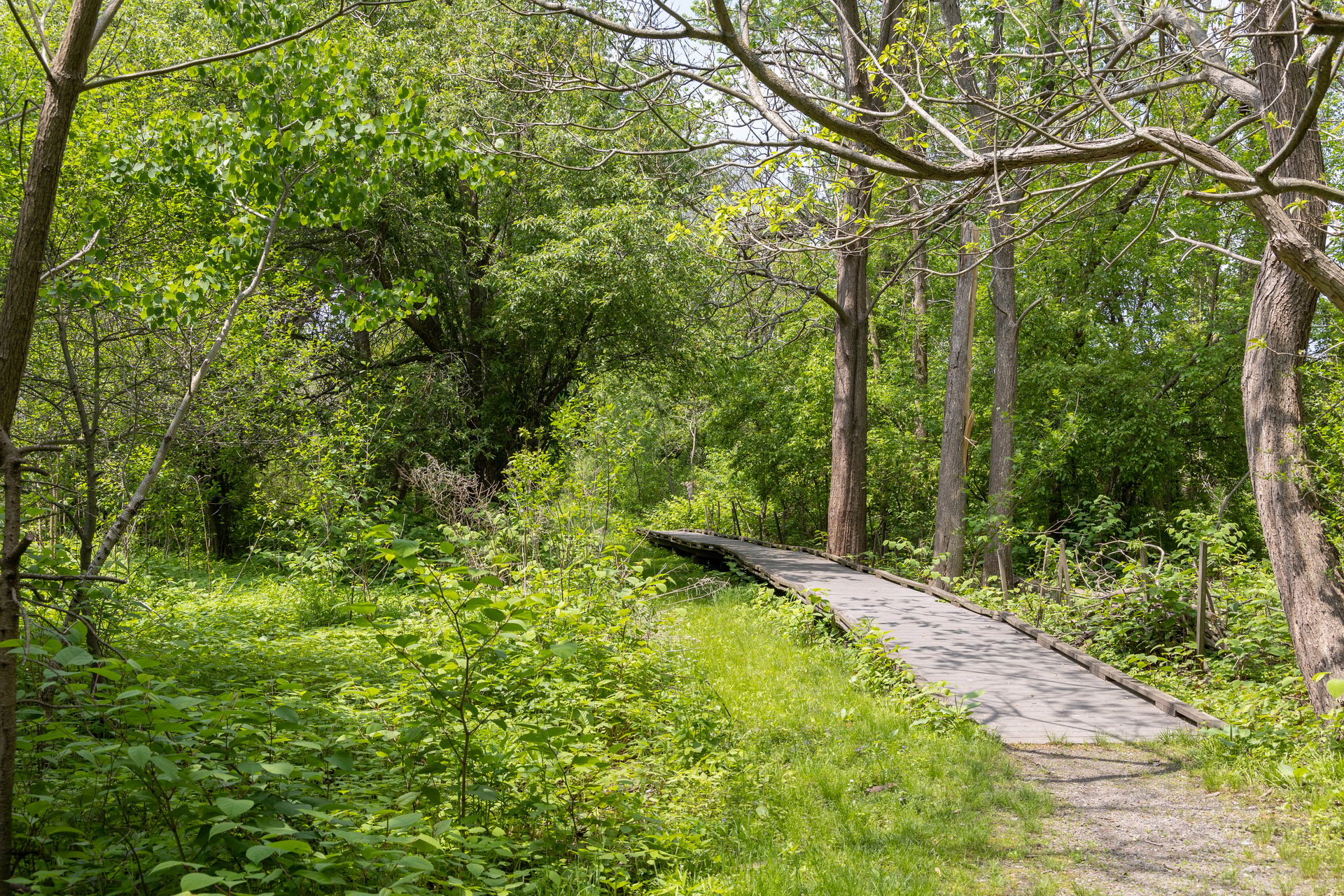
Explore this Boston oasis for the chance to see a wide array of birds, butterflies, and plants throughout scenic gardens, meadows, woods, and wetlands. Visit the George Robert White Environmental Conservation Center, a community nature center, for fun events, neighborhood connections, and inspiring opportunities to get involved.
Hours
Nature Center
- Daily & Most Holidays
- 10:00 am-4:00 pm
Trails
- Daily
- dawn to dusk
- 2 miles
- 1 mile
Admissions
- All Ages free
Contact
500 Walk Hill Street
Mattapan, MA 02126
Choose Your Path


Property Regulations
- Foot travel only; please stay on trails (day passes are available for powered mobility devices)
- Dog walking and horseback riding are prohibited; please leave all animals and pets at home (service animals welcome)
- Camping, collecting, smoking, hunting, fishing, releasing of animals, and feeding wildlife is prohibited.
- Commercial photography needs prior approval; please see all photography guidelines.
Facilities


Featured Experiences
-

Vacation Week Programs
Boston Nature Center’s school vacation week programs offer invaluable opportunities for children to follow their curiosity about the natural world in a safe and inclusive environment.
-
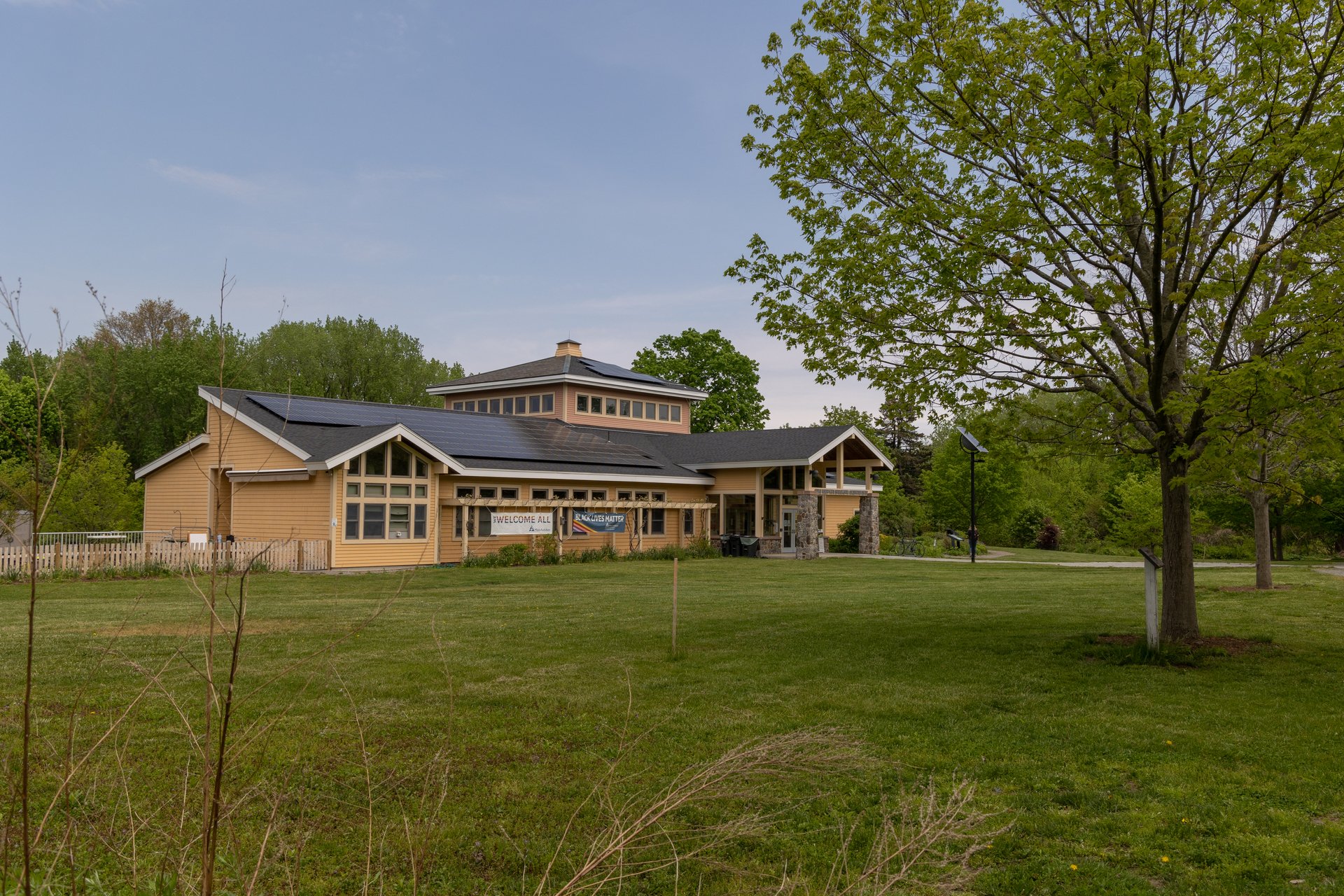
Facility Rentals
Boston Nature Center offers a unique and natural setting for birthday parties, social events, and meetings.
-
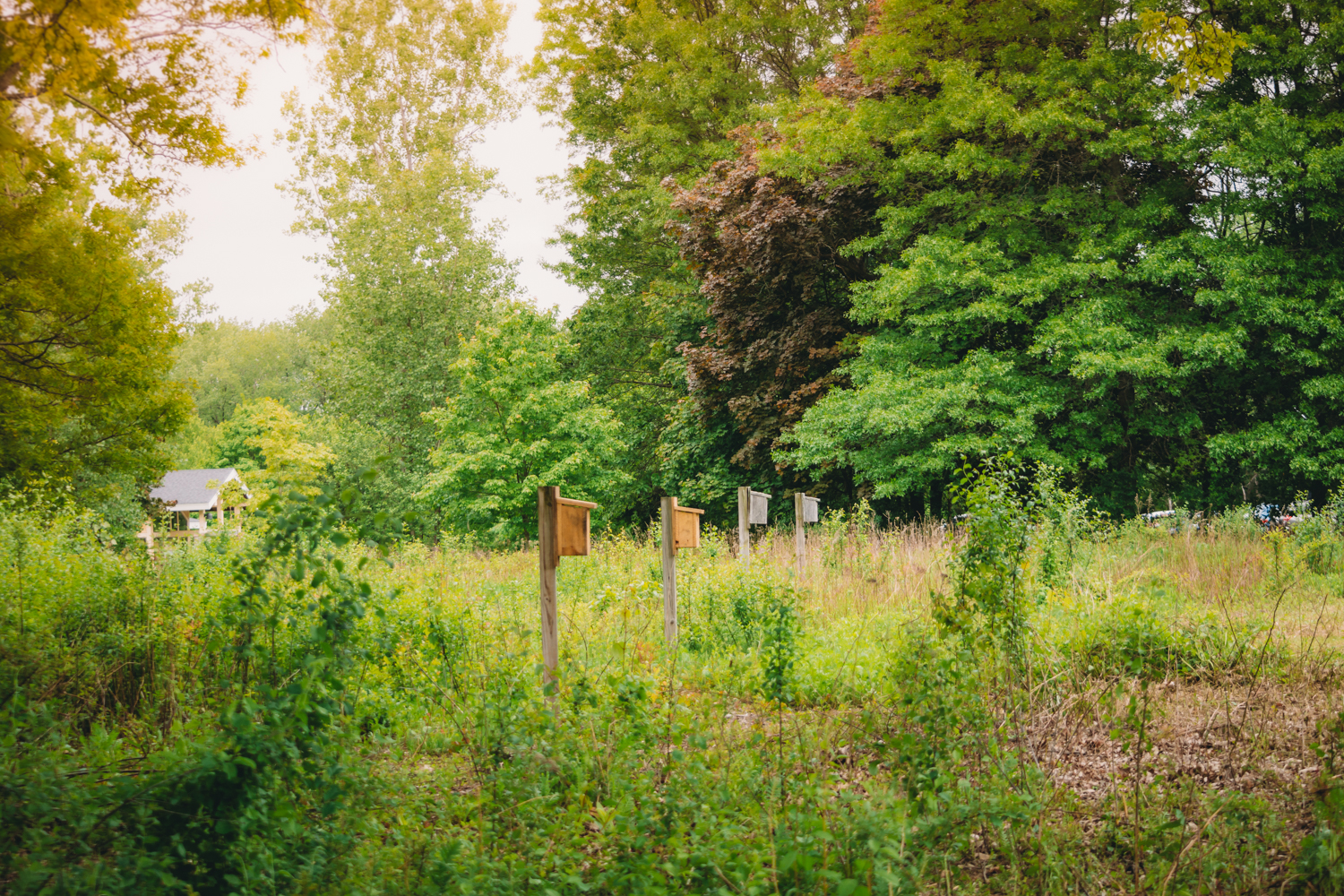
Birds & Birding at Boston Nature Center
BNC’s unique positioning as a greenspace amongst urban development creates opportunities for city birders to see an abundance of species without traveling far.
-
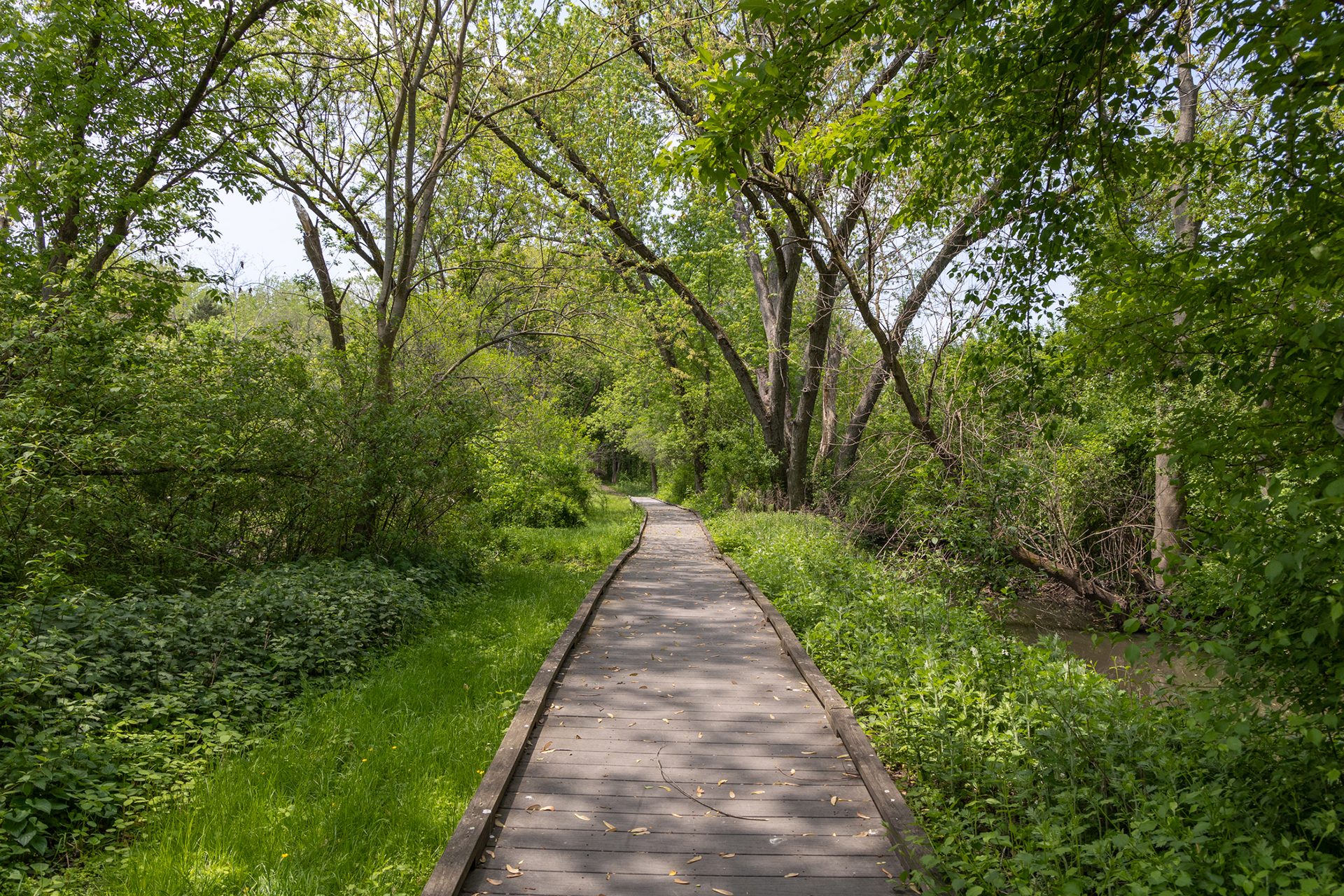 Boston Nature Center, Mattapan
Best Birding Spots in the Greater Boston Area
You don’t need to travel hours away from the city to experience fantastic birding. Check out these urban hotspots to find target lifers without leaving the metropolitan area.
-

Family Fun
Ready for some outdoor adventure? Boston Nature Center has all kinds of fun programs and activities for you and your friends and family!
-

Nature Preschool
Pathways to Nature Preschool is a nature-based preschool nestled in the heart of the city at the Boston Nature Center.
Upcoming Programs
See moreSpring Bird Walk
-
Boston Nature Center and Wildlife Sanctuary, Mattapan
-
Saturday, June 13
8:00-10:00am
Adults
Family Birding
-
Boston Nature Center and Wildlife Sanctuary, Mattapan
-
Saturday, June 13
10:00-11:30am
Families - children 0 - 17
A Nature Year at Boston Nature Center Wildlife Sanctuary: Summer (3 Months)
-
Boston Nature Center and Wildlife Sanctuary, Mattapan
-
3 classes starting
Saturday, June 13
10:00am-12:00pm
Adults
Spring Bird Walk at Millennium Park
-
Millennium Park, Boston
-
Sunday, June 14
8:00-10:00am
Adults
Juneteenth Bird Walk
-
Boston Nature Center and Wildlife Sanctuary, Mattapan
-
Friday, June 19
8:30-10:30am
Adults
Pride in Nature
-
Boston Nature Center and Wildlife Sanctuary, Mattapan
-
Saturday, June 20
11:00am-3:00pm
Adults & Families - 3 - 12 years
Explore Boston Nature Center
-
-
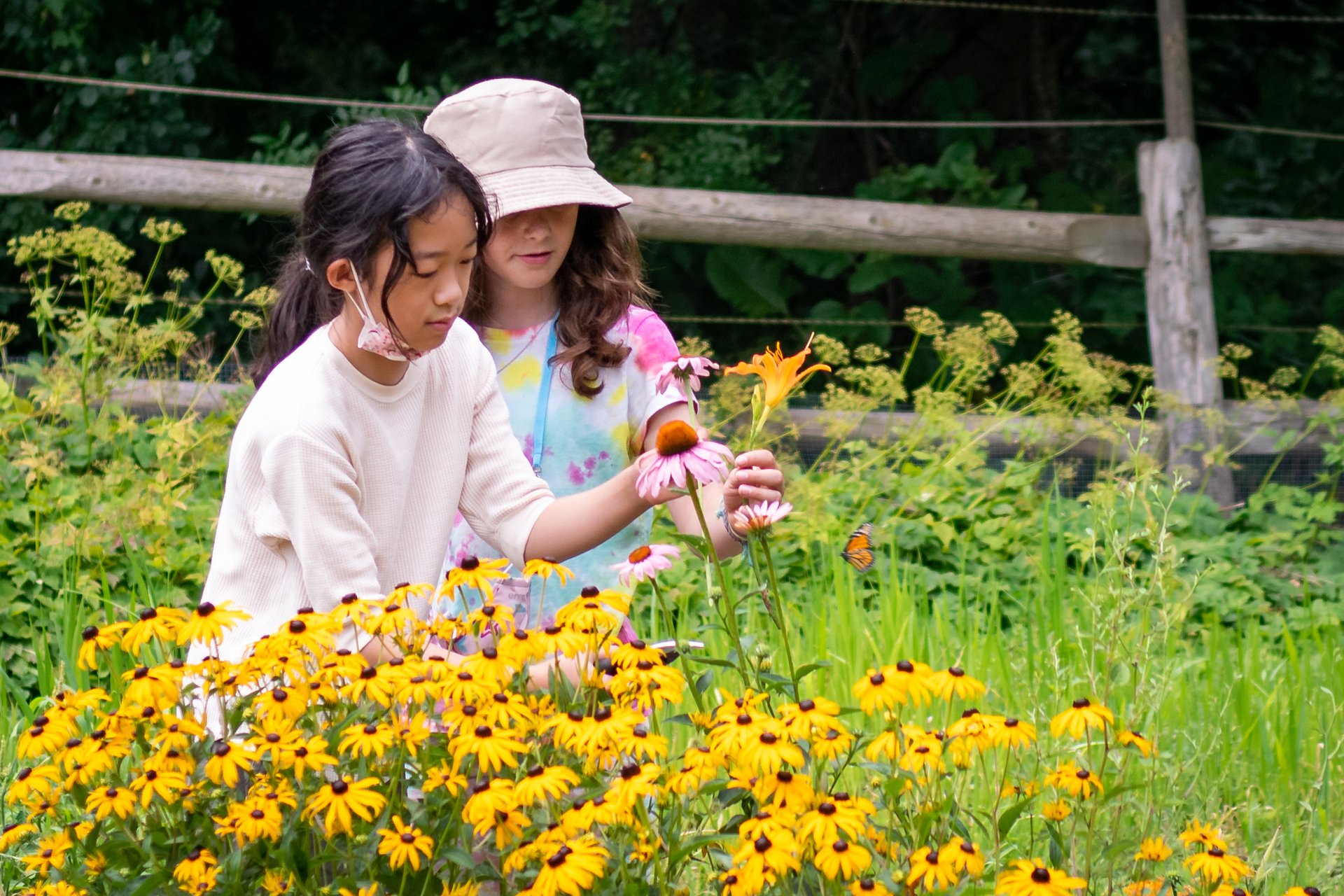 Boston Nature Center, Mattapan
 -
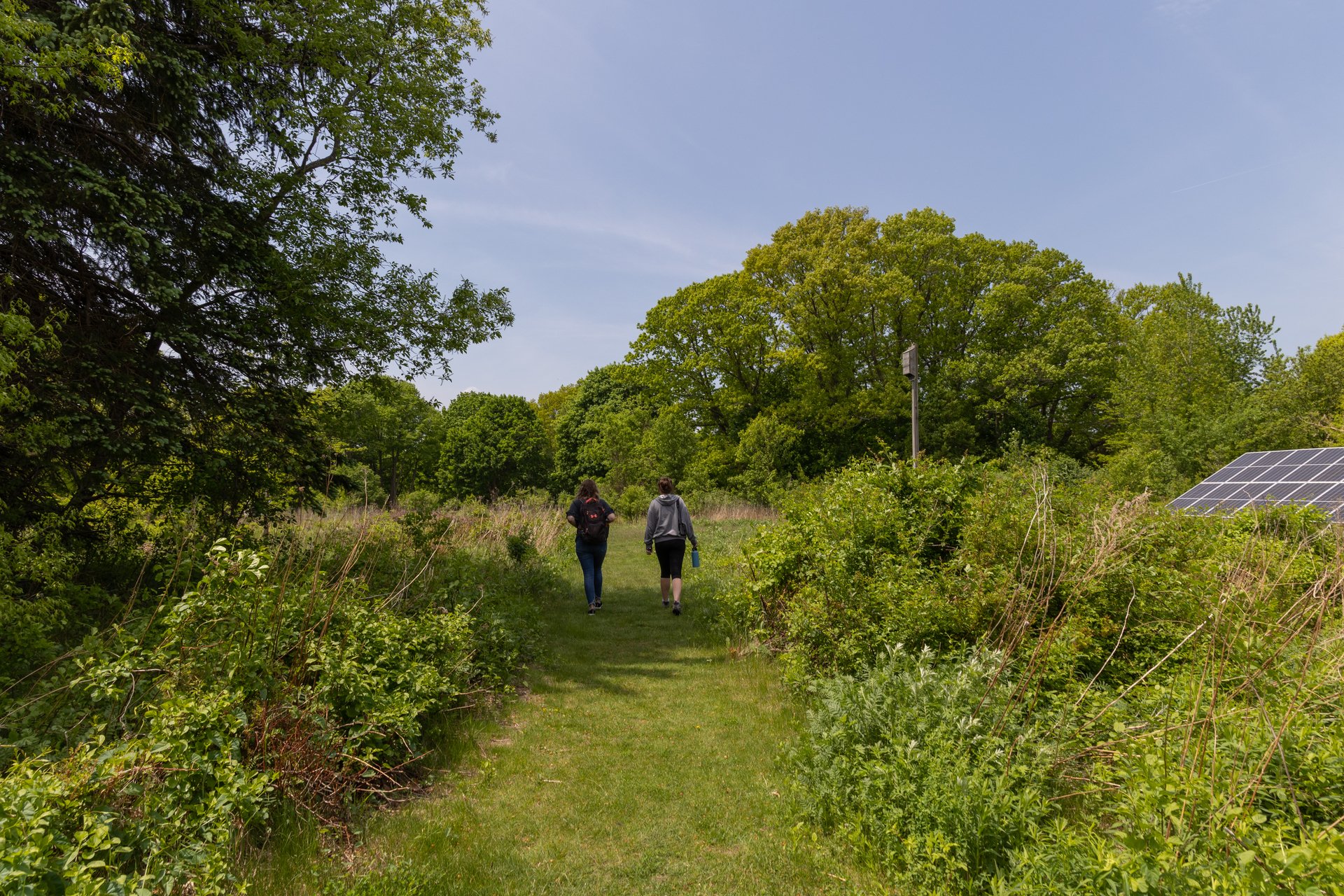 Boston Nature Center, Mattapan
 -
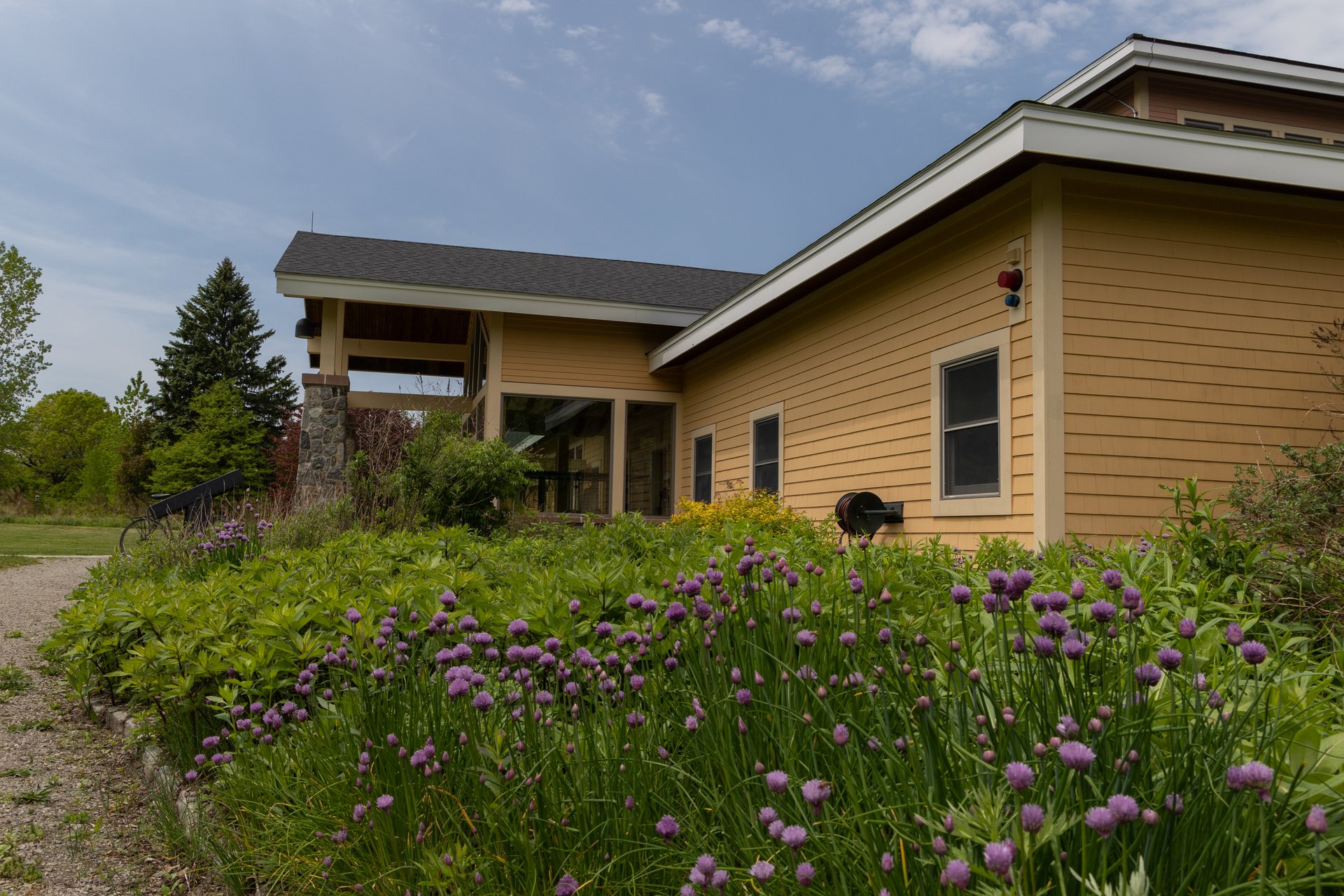 Boston Nature Center, Mattapan
 -
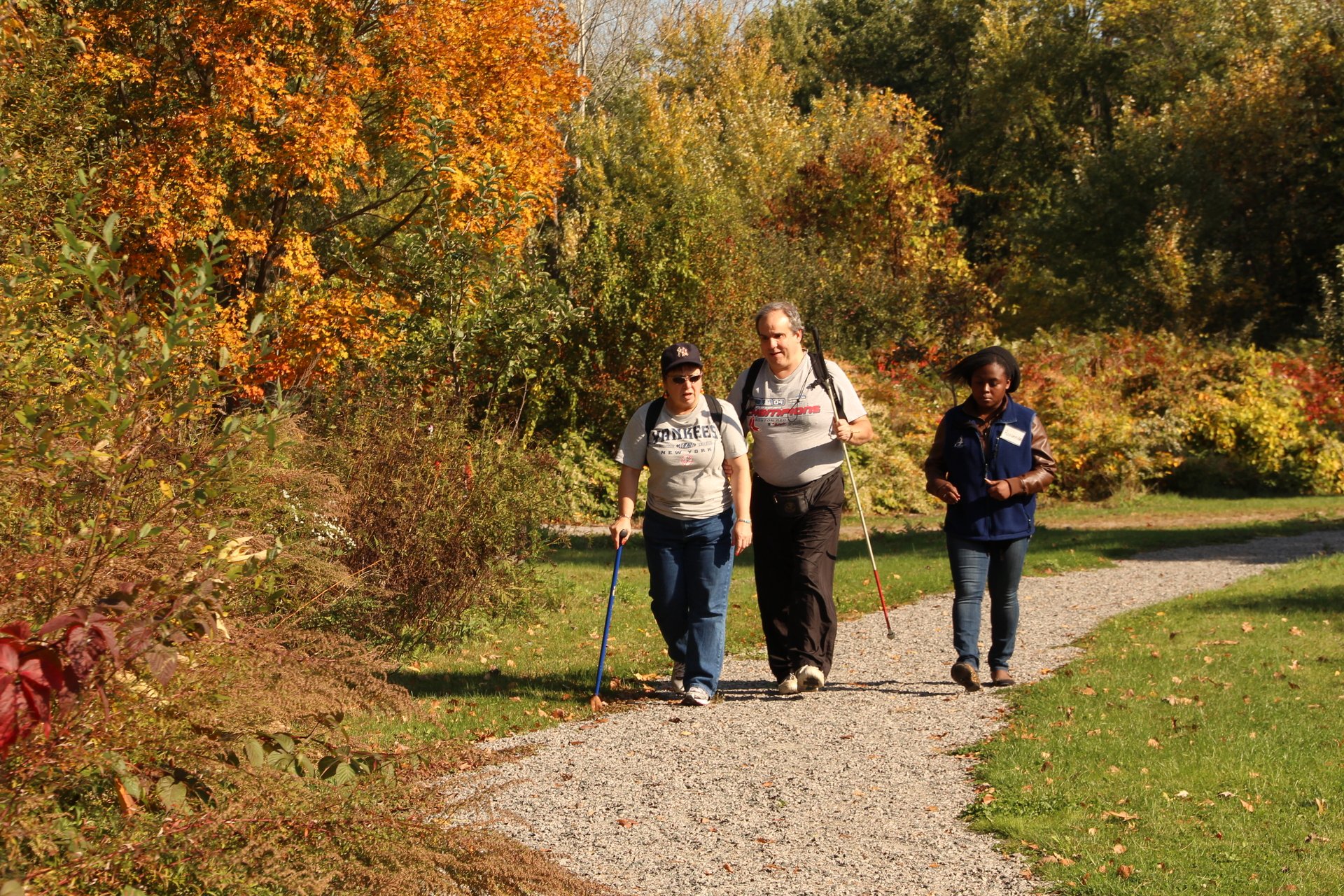 Boston Nature Center, Mattapan
 -
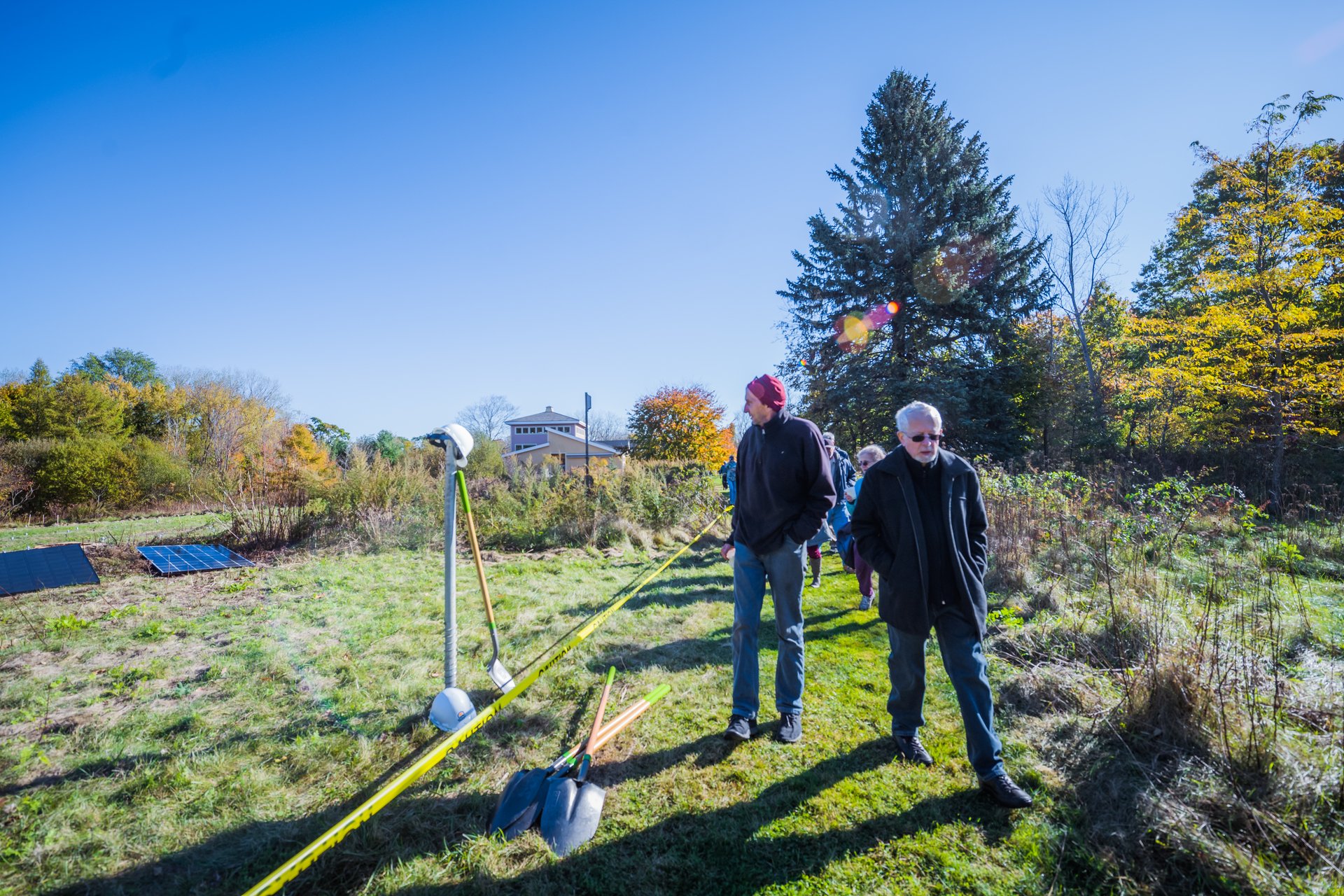 Boston Nature Center, Mattapan
 -
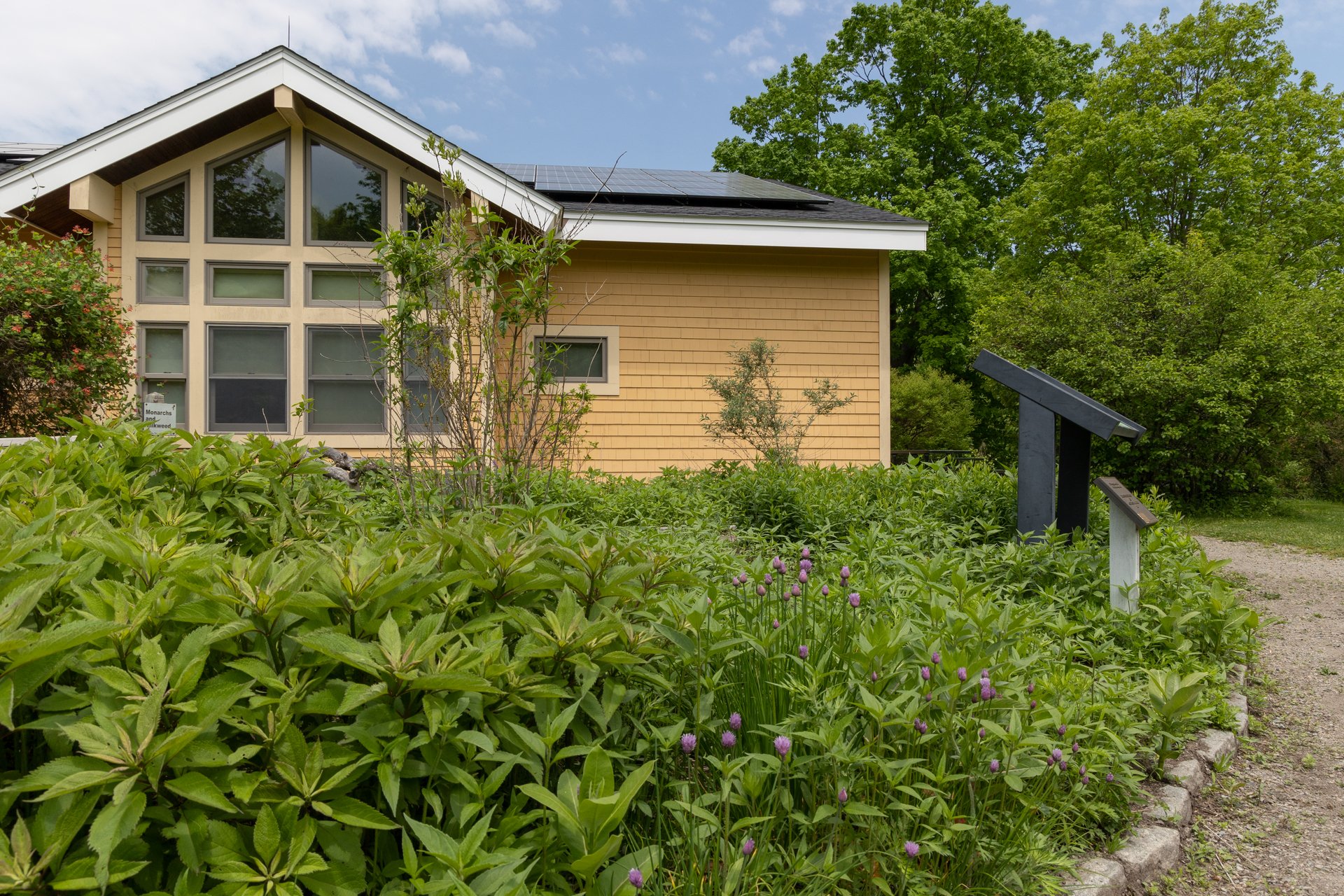 Boston Nature Center, Mattapan
 -
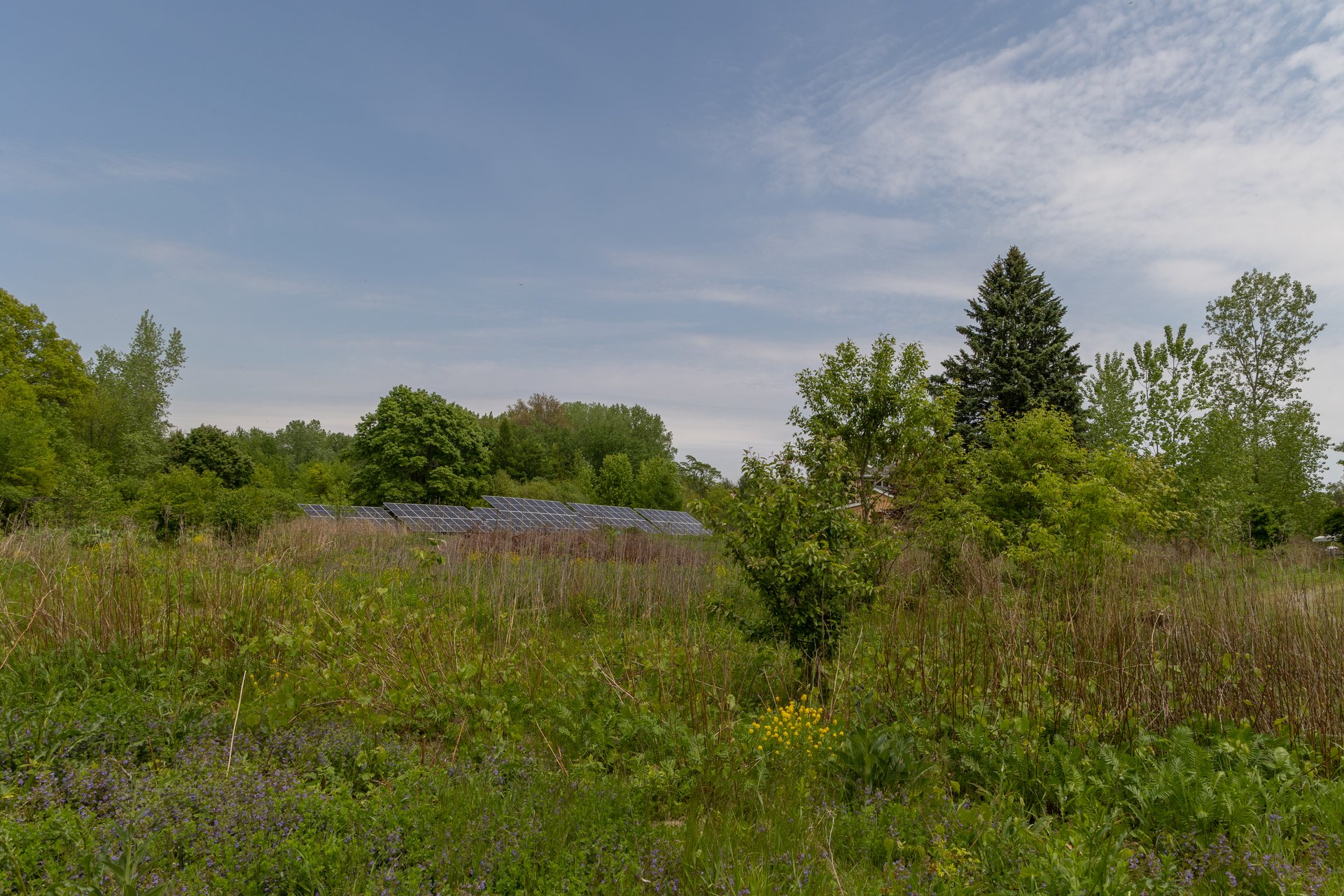 Boston Nature Center, Mattapan
Latest News
More News
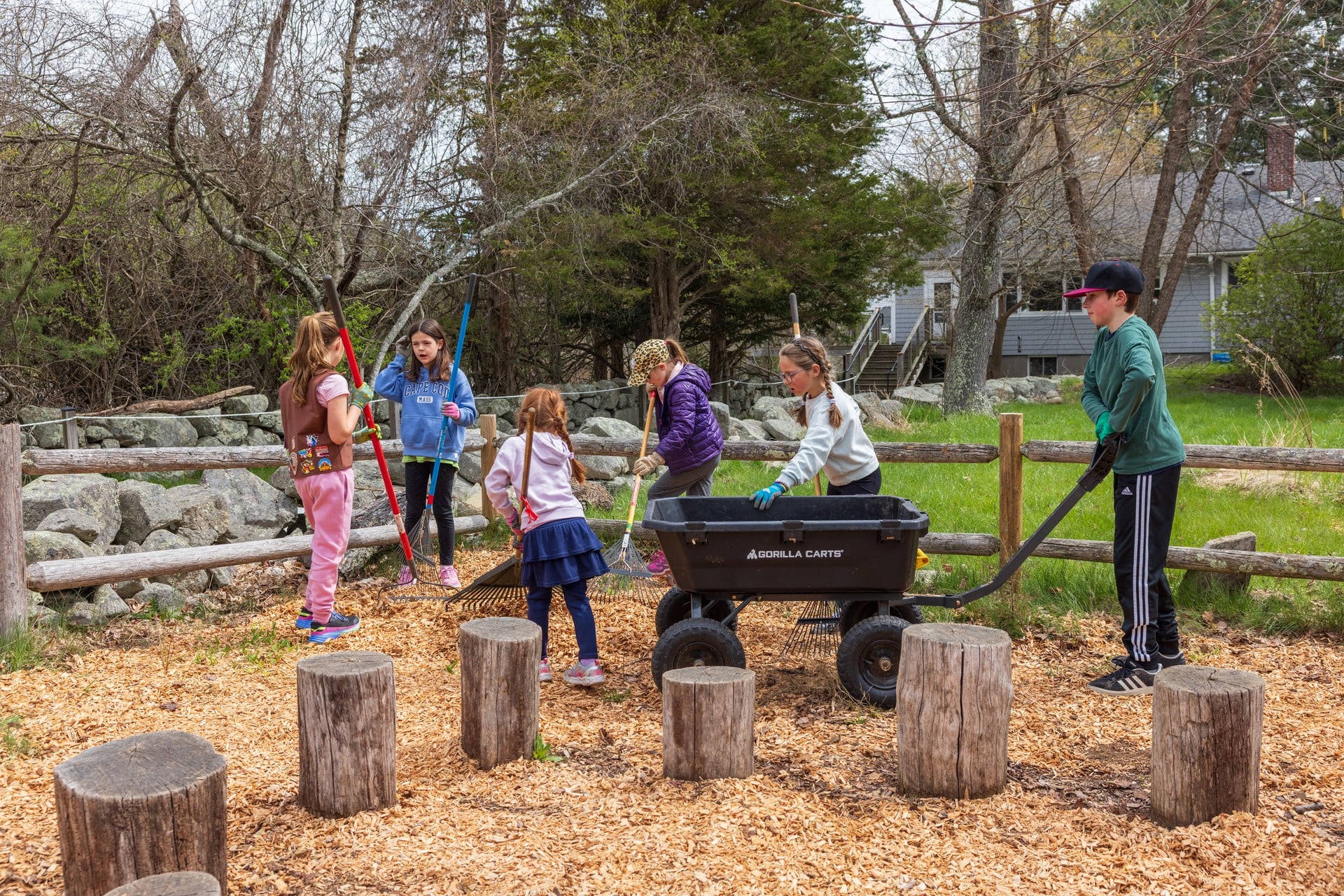
More than 525 Volunteers Make Statewide Volunteer Day a Success
Keep Reading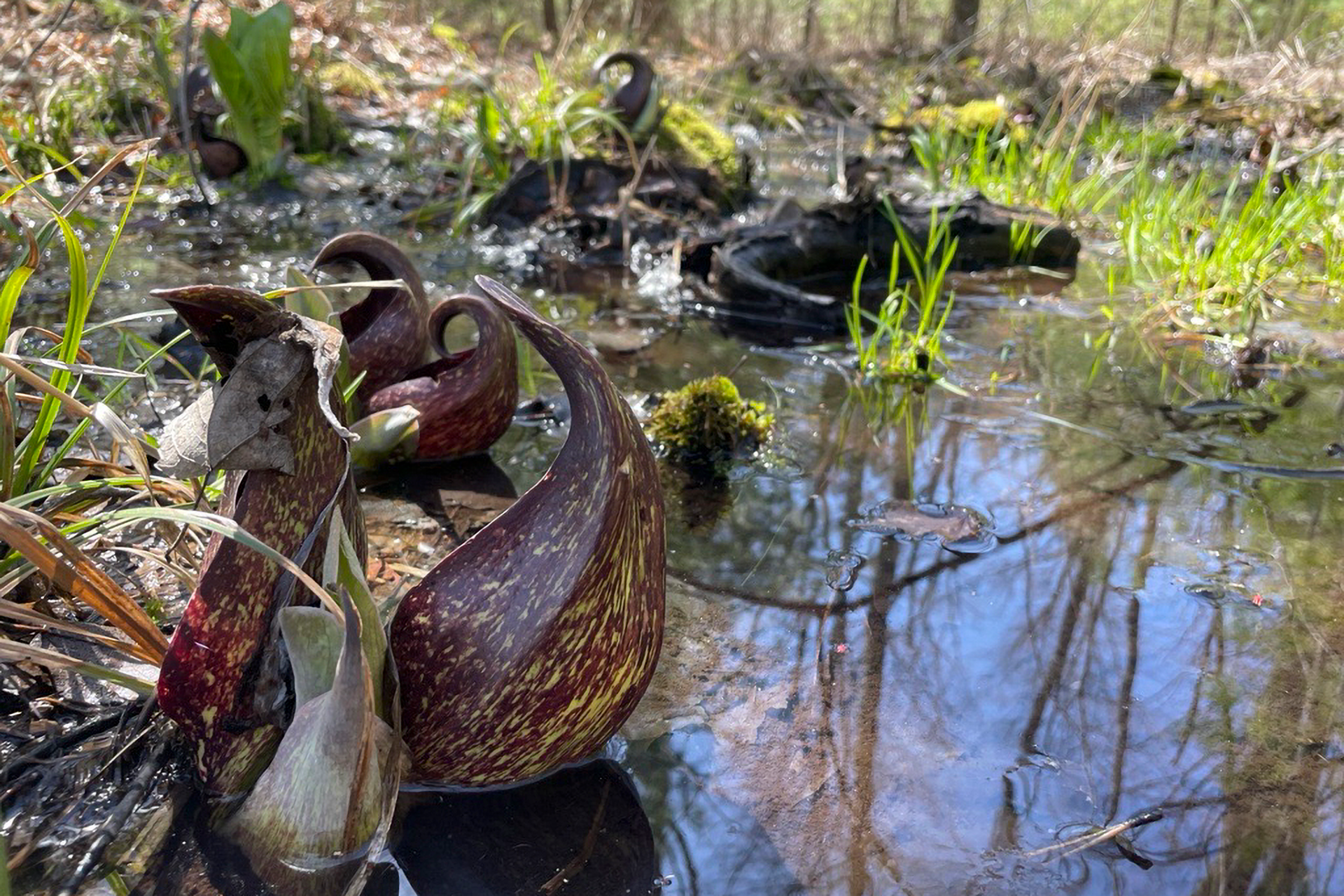
10 Ways to Celebrate the Spring Equinox
Keep ReadingStay Connected with Boston Nature Center
Don’t miss a beat on all the ways you can get outdoors, celebrate nature, and get involved.