


Invasive Plants in Massachusetts
All invasive plants were first introduced to our area by humans as landscape specimens or, in some cases, accidentally. Because they did not evolve in our region, the natural mechanisms that normally control these species in their home ranges don't exist. As a result, these non-native plants can out-compete, displace, and kill our native species.
More than 2,200 plants have been documented in Massachusetts, and some 725 of them are non-natives that are considered naturalized (established). Of those, 72 plant species have been scientifically categorized by the Massachusetts Invasive Plant Advisory Group (MIPAG) as "Invasive," "Likely Invasive," or "Potentially Invasive."
These invasive species have been banned for importation, propagation, and sale in Massachusetts by the MA Department of Agricultural Resources.
Common Invasive Plants in Massachusetts
These are some of the most common invasive plant species you're likely to find in and around your home. You can use this guide to help identify them. If you see any of these in your town, please let your local conservation commission know.
Resources
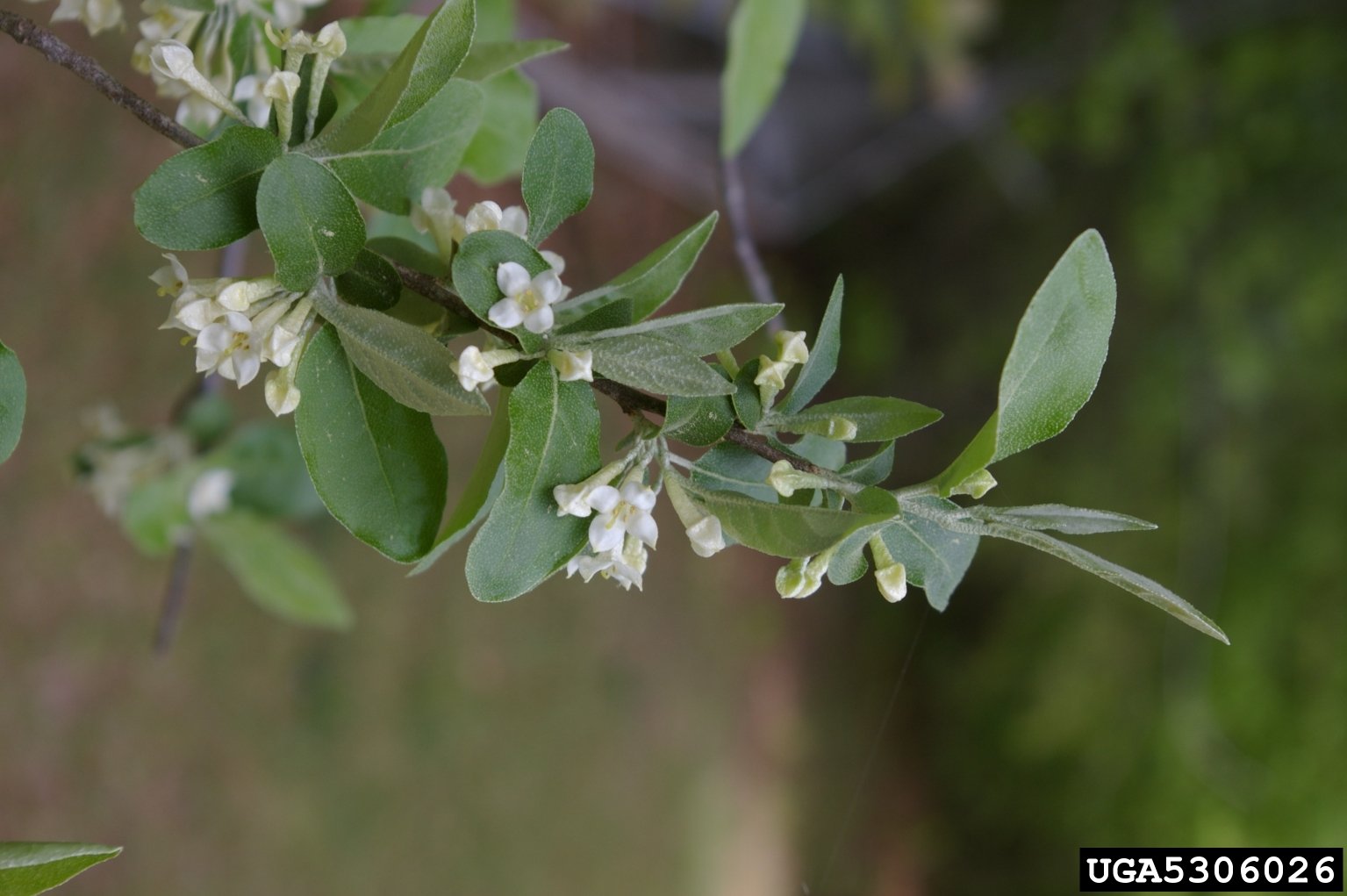
Autumn Olive
A deciduous shrub with white flowers in spring and bright red berries in fall.
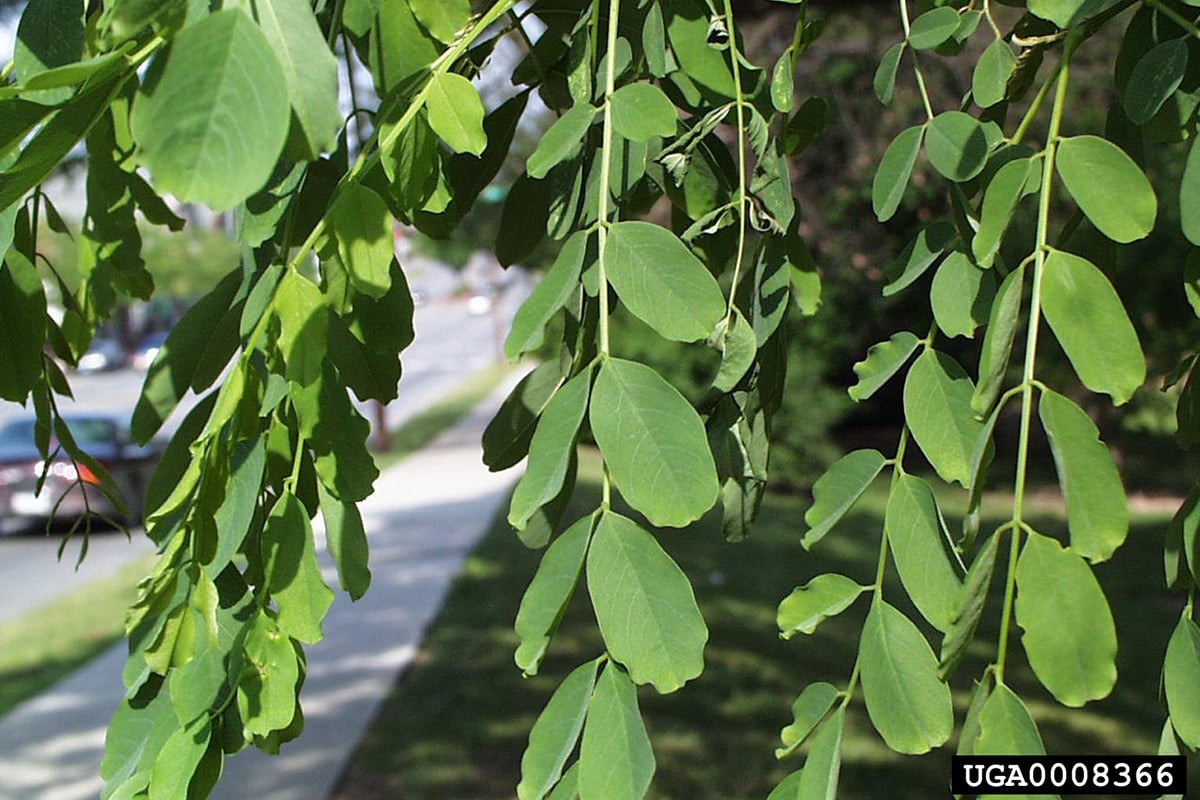
Black Locust
A deciduous tree, black locust was brought here from the Appalachian and Ozark Mountains for erosion control and durable wood.
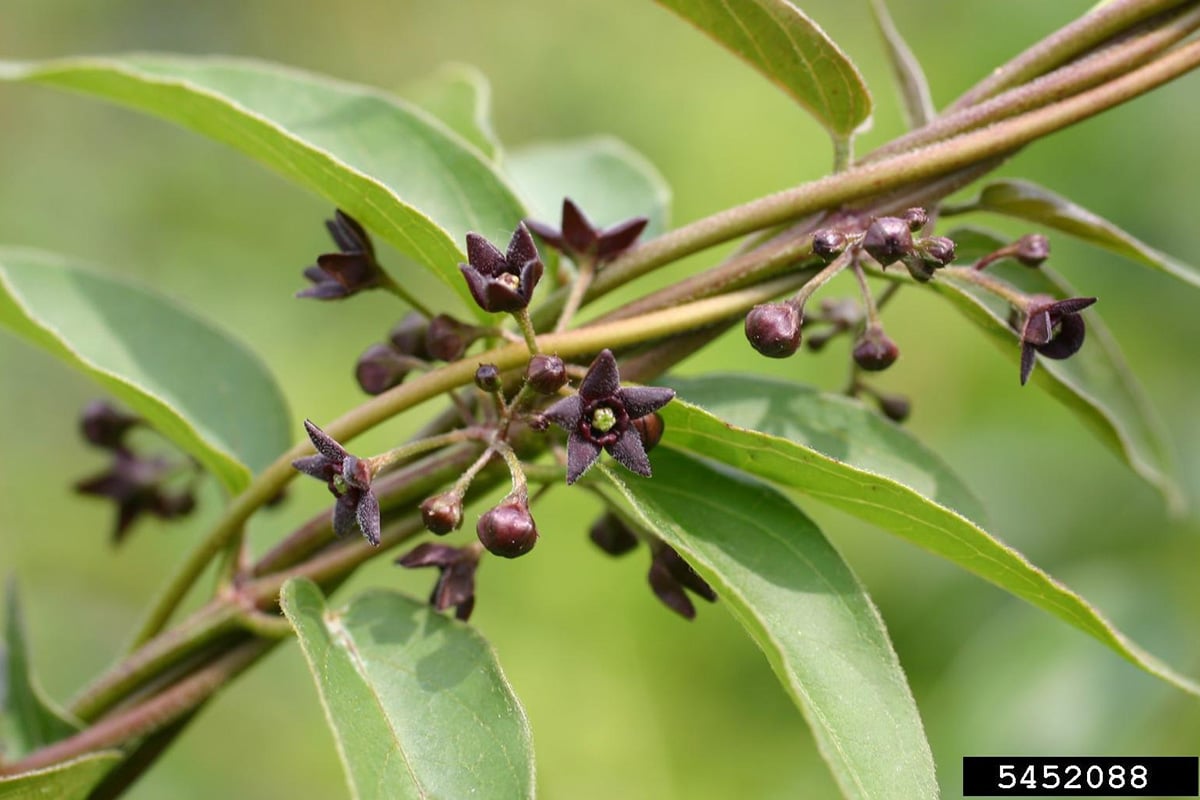
Swallow-wort
Perennial vines from Europe, Black Swallow-wort and Pale Swallow-wort can grow up to 8 feet long by late summer.
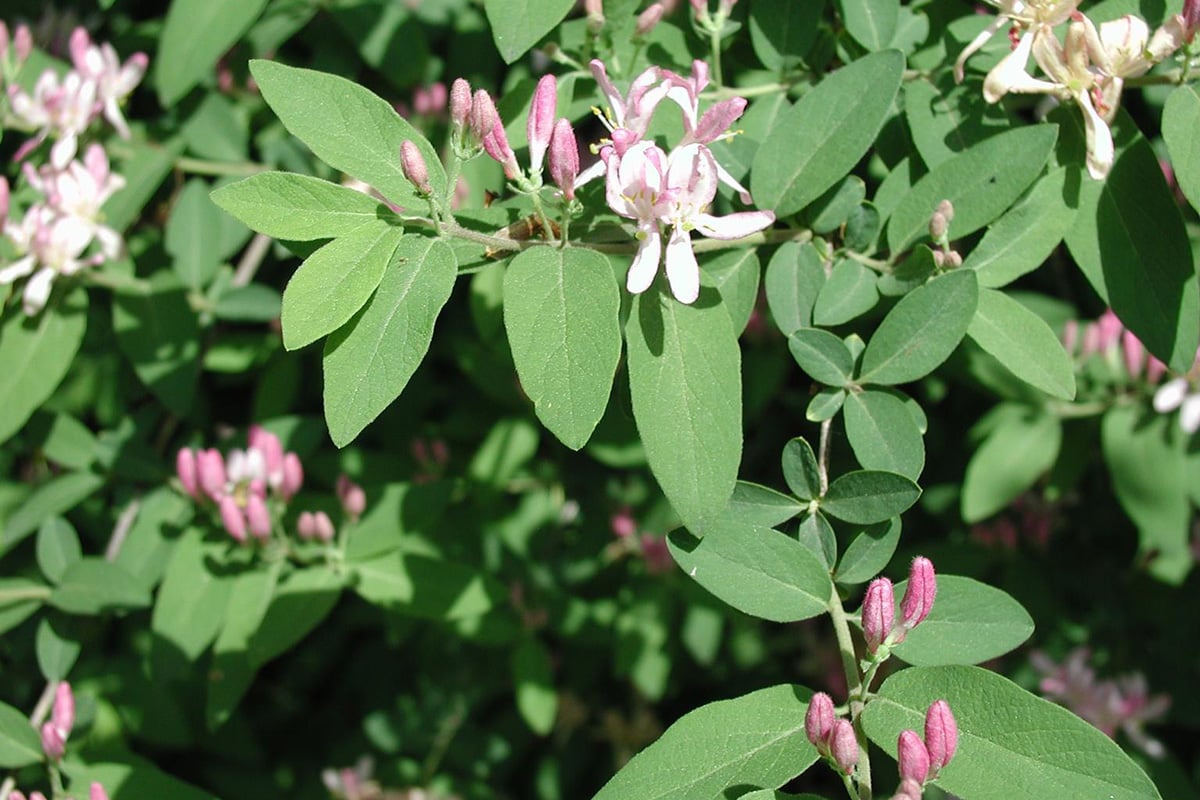
Bush Honeysuckle
Native to Asia and Europe, these honeysuckles were introduced as ornamental landscape plants.
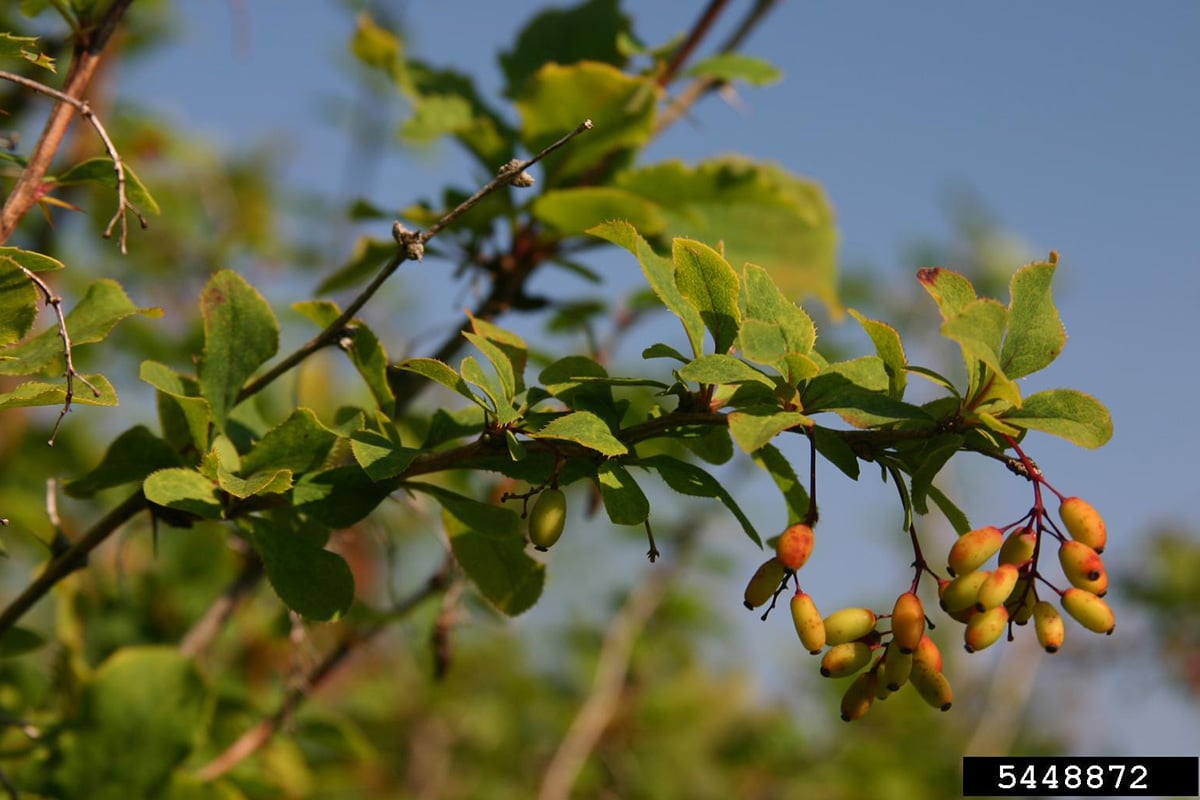
Common Barberry
Common barberry is an upright shrub from Europe that grows to 10 feet tall, although most plants are less than 6 feet tall.
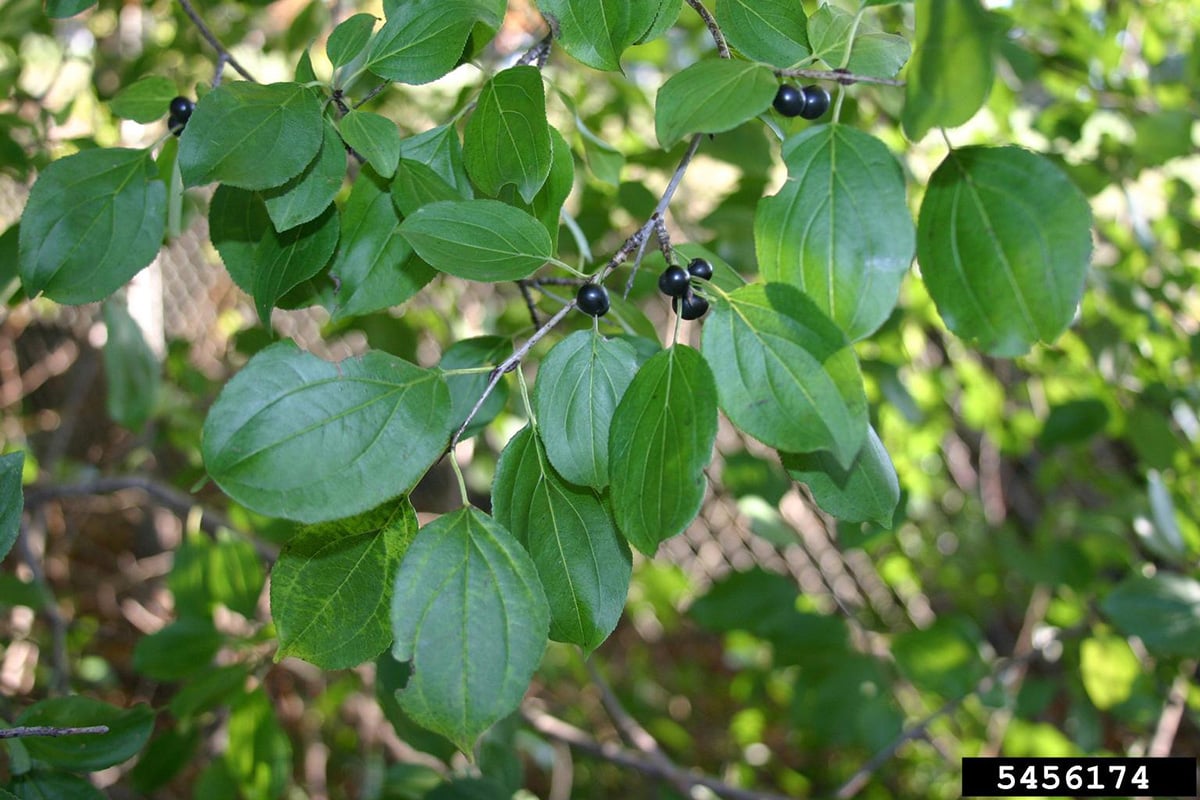
Common Buckthorn
Common buckthorn is a deciduous plant with oval-shaped leaves and small dark fruit.
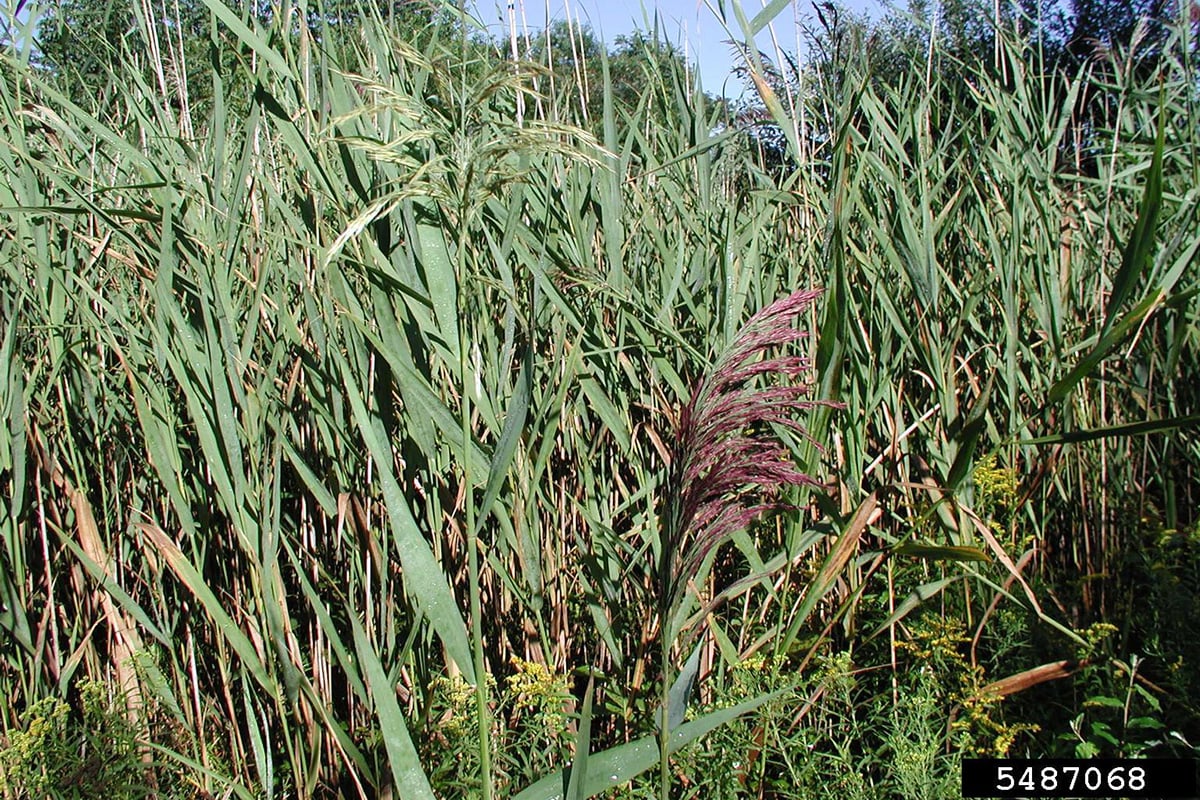
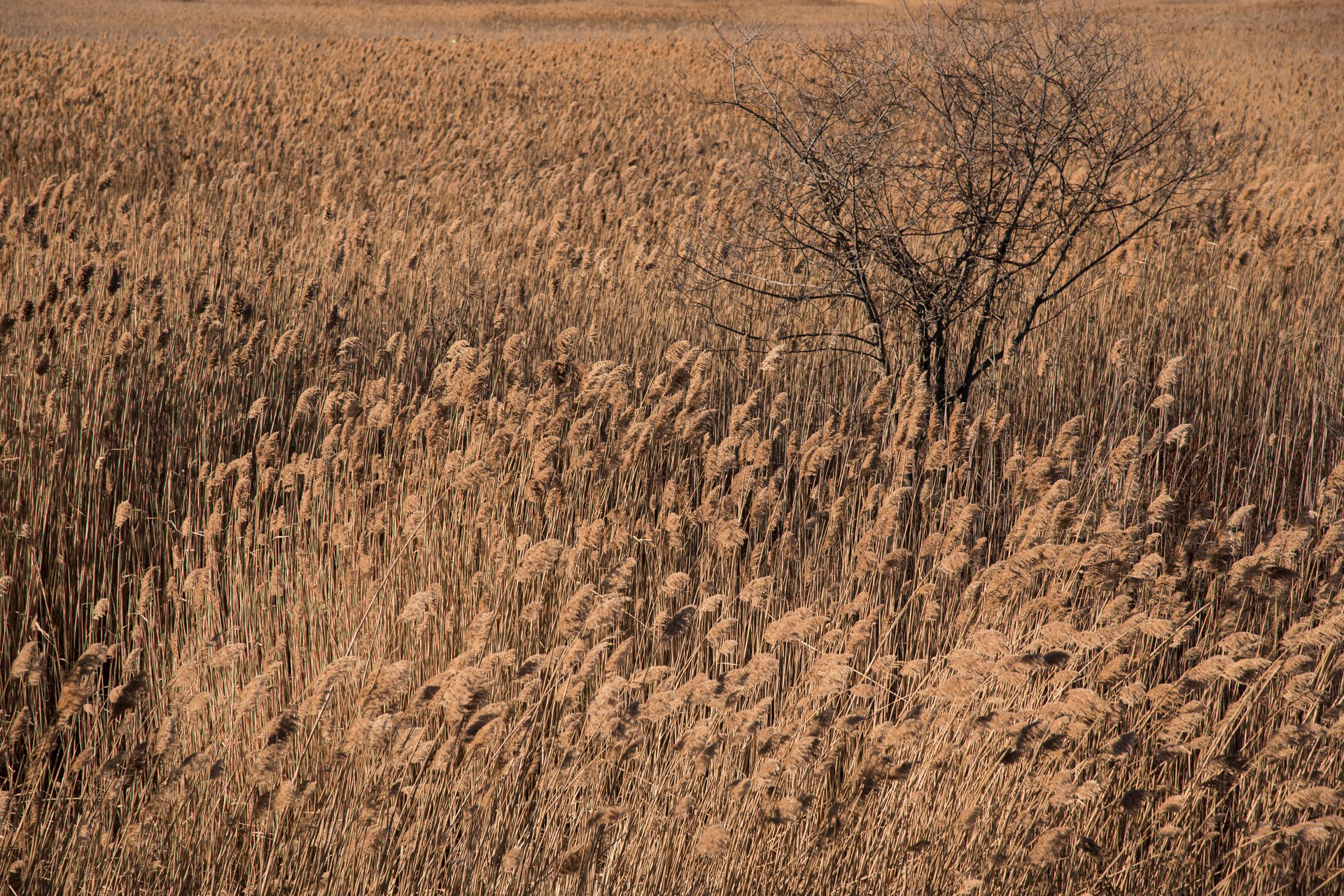
Common Reed (Phragmites)
Common Reed is a perennial grass native to Europe and Asia. It can grow as tall as 14 feet by late summer.
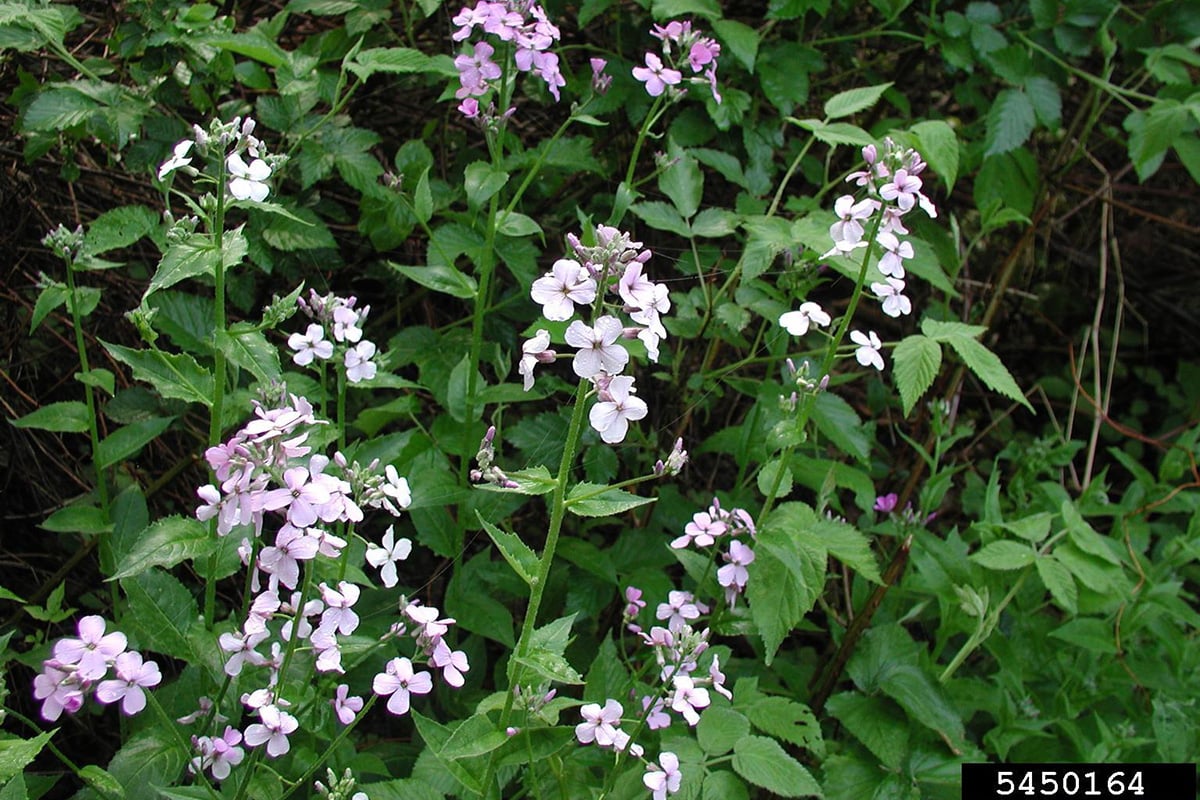
Dame's Rocket
A perennial from Europe, dame’s rocket grows 2 to 3 feet tall, with purple, pink, or white blossoms.
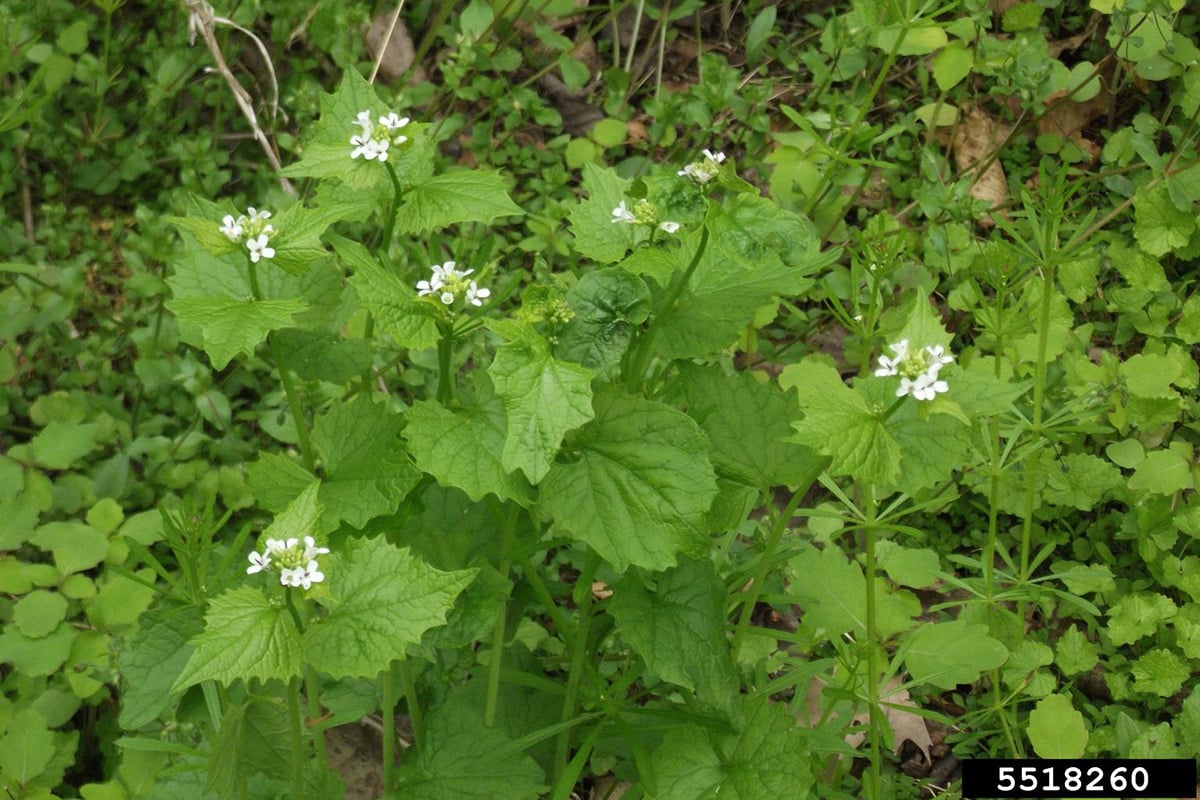
Garlic Mustard
Garlic mustard is an herb from Europe that was likely introduced for use in cooking.
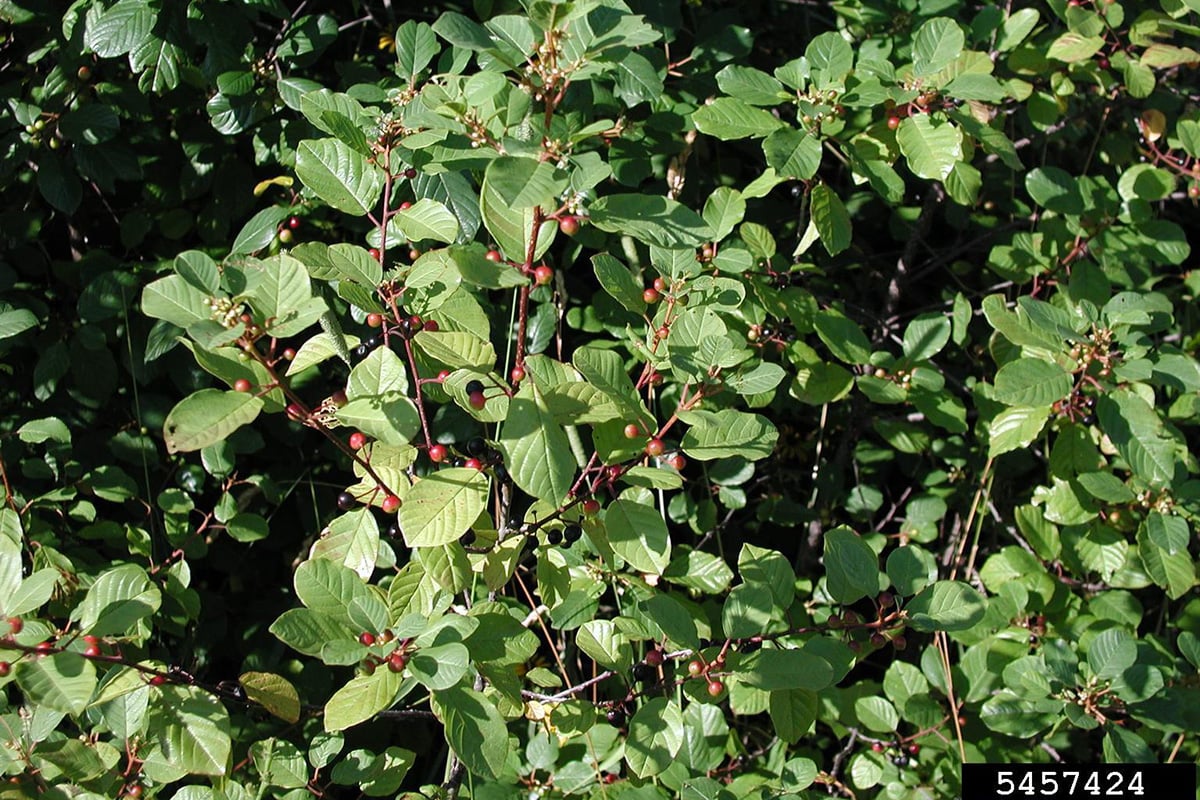
Glossy Buckthorn
With shiny leaves and small dark fruit, glossy buckthorn grows as a deciduous shrub or a small tree up to 20 feet tall.
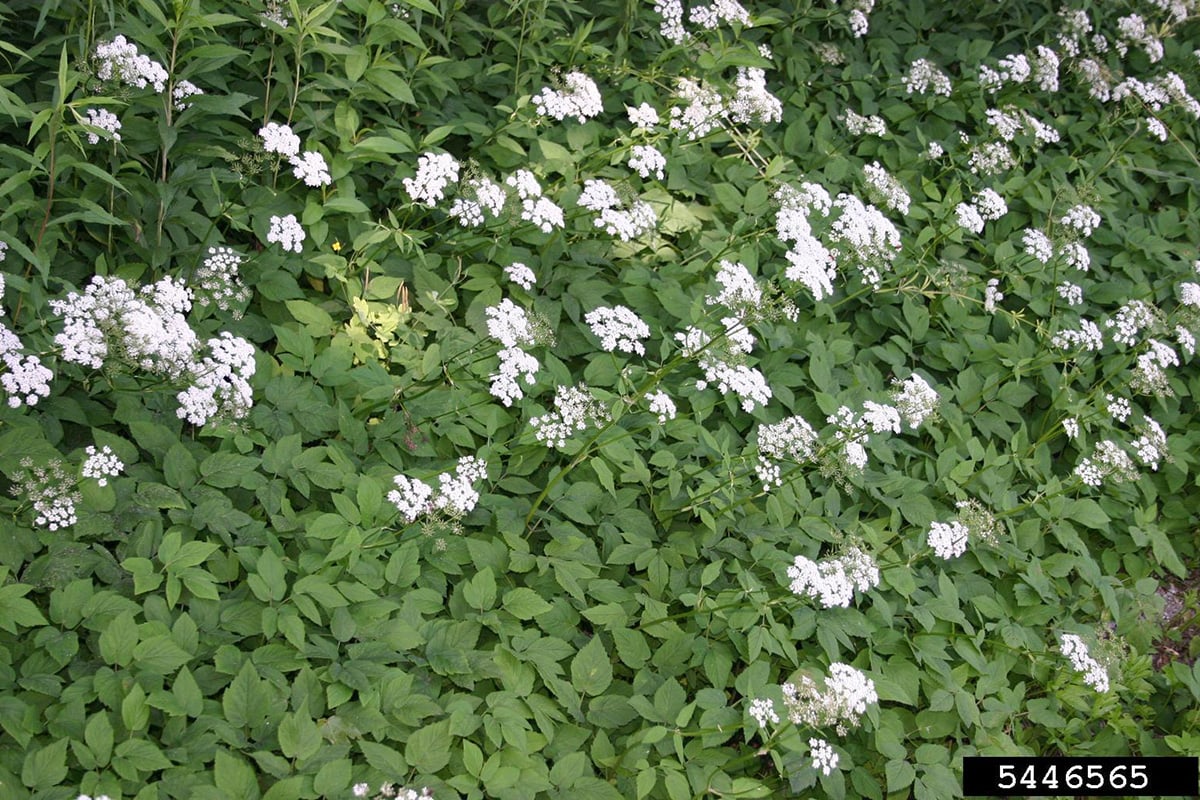
Goutweed
Goutweed is a perennial herb from Asia that was likely introduced as a groundcover for landscaping.
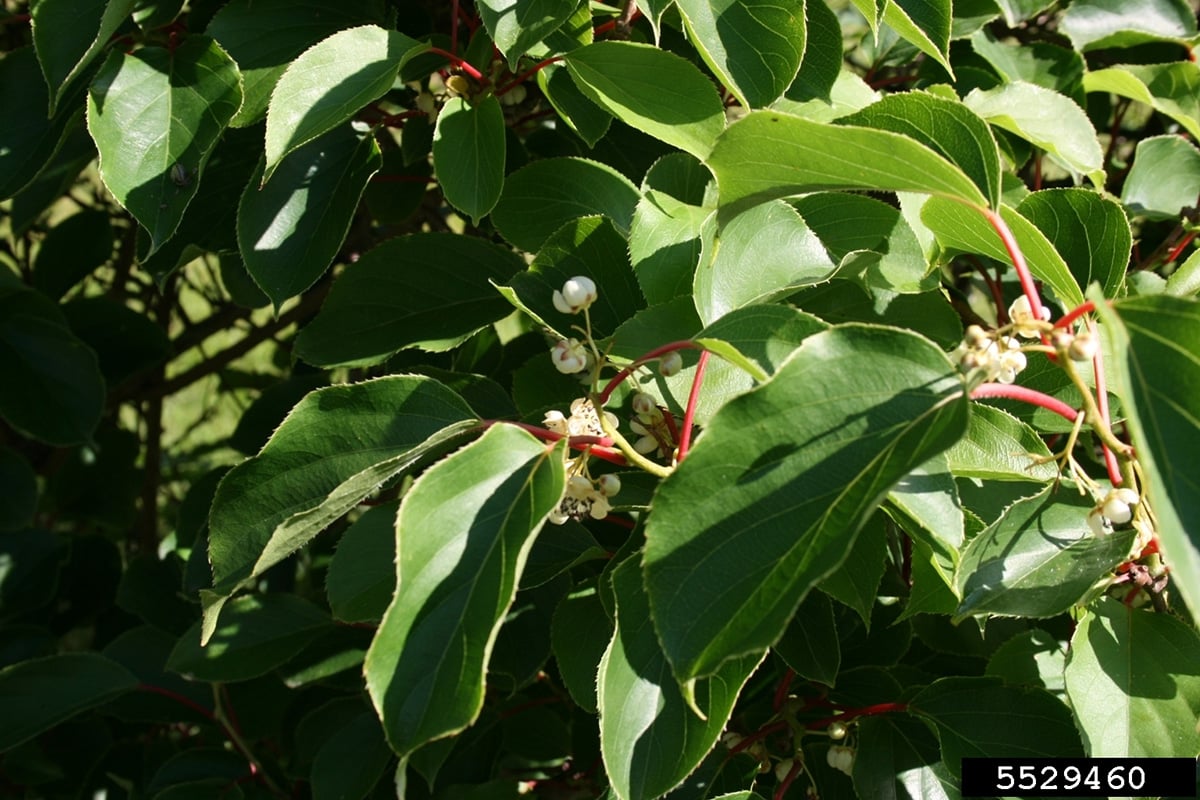
Hardy Kiwi
Hardy kiwi is a woody vine that can grow more than 20 feet per year. Its fruits are green, smooth, and grape-shaped.
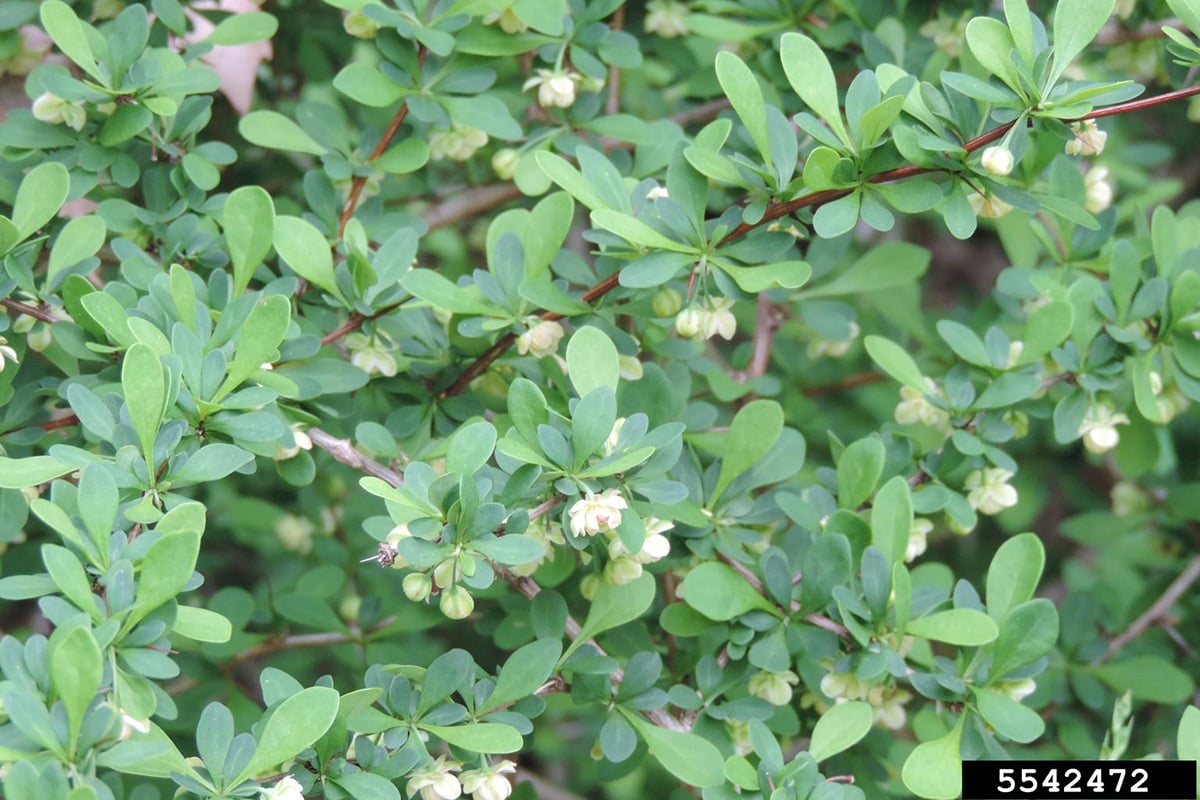
Japanese Barberry
A deciduous shrub from Japan, Japanese barberry has red berries, small teardrop-shaped leaves, and thorny twigs.
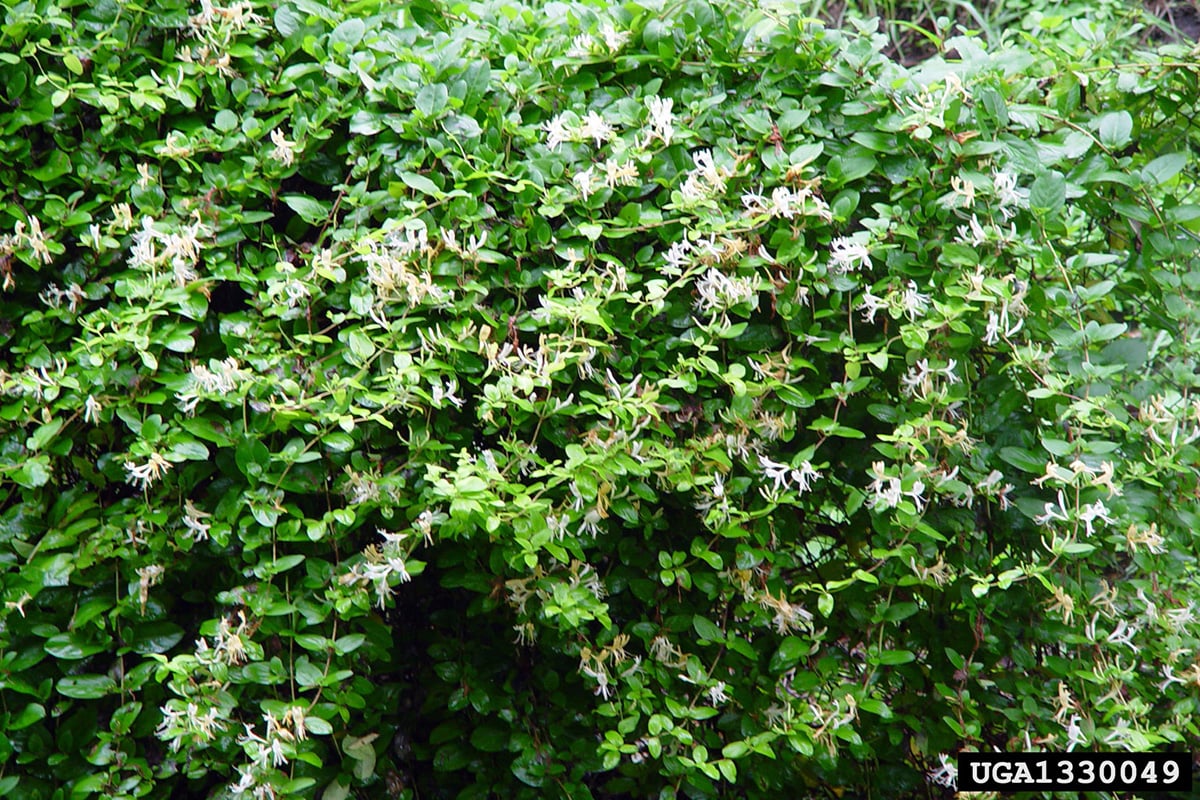
Japanese Honeysuckle
Japanese honeysuckle is a perennial woody vine from Asia that grows up to 30 feet in length.
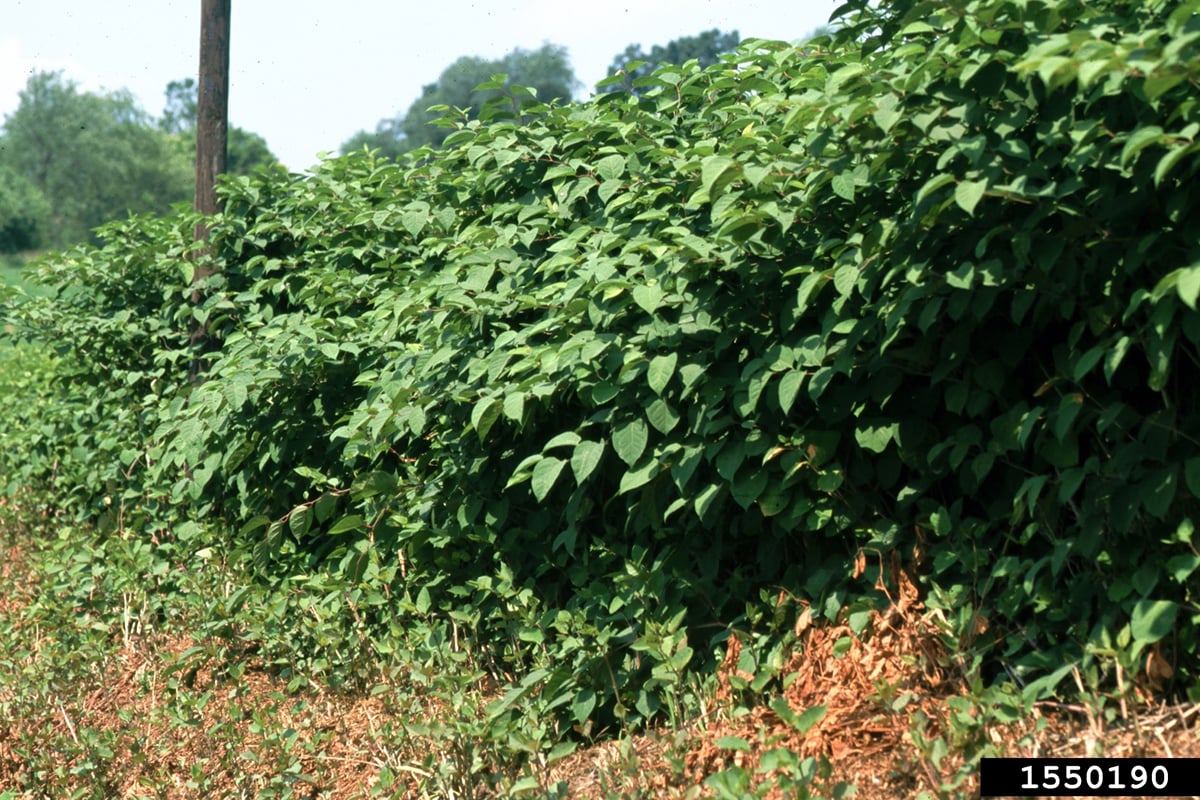
Japanese Knotweed
Japanese knotweed grows up to 10 feet tall, with heart-shaped leaves and white flowers.
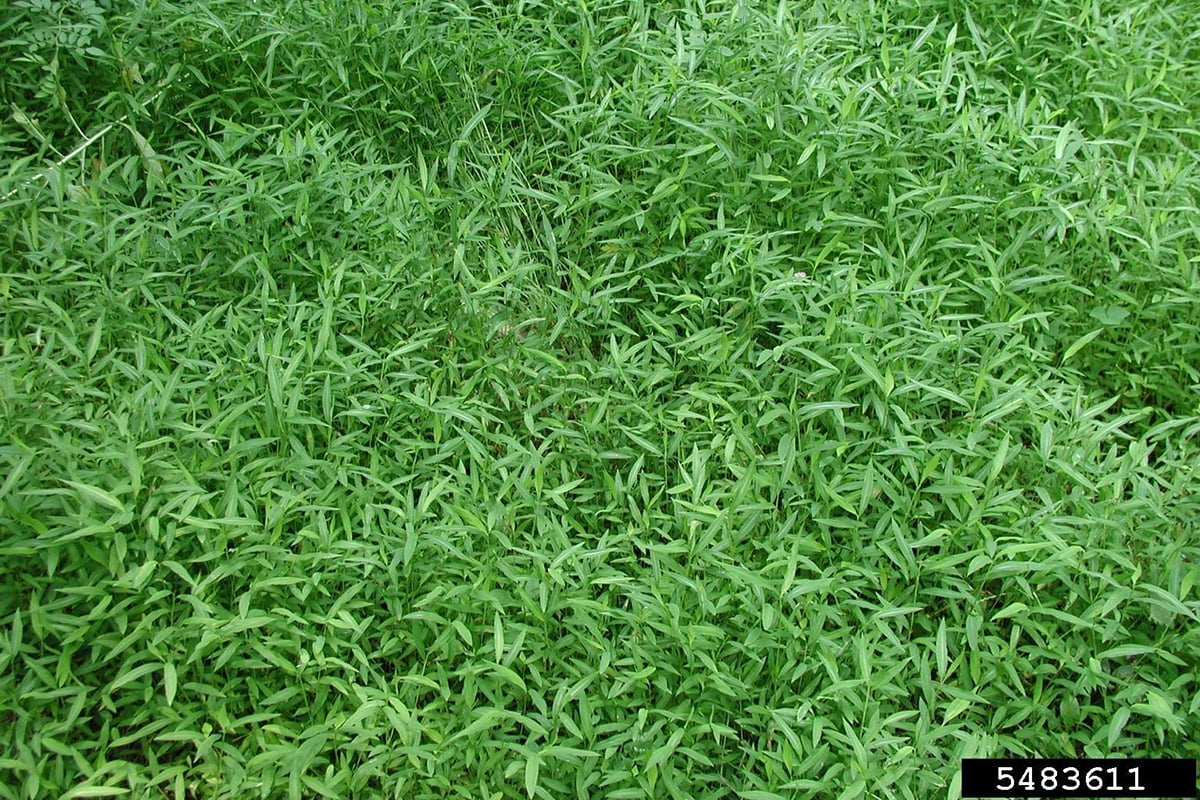
Japanese Stilt-grass
Originally from Asia, Japanese stilt-grass likely arrived in the U.S. as packing material for porcelain.
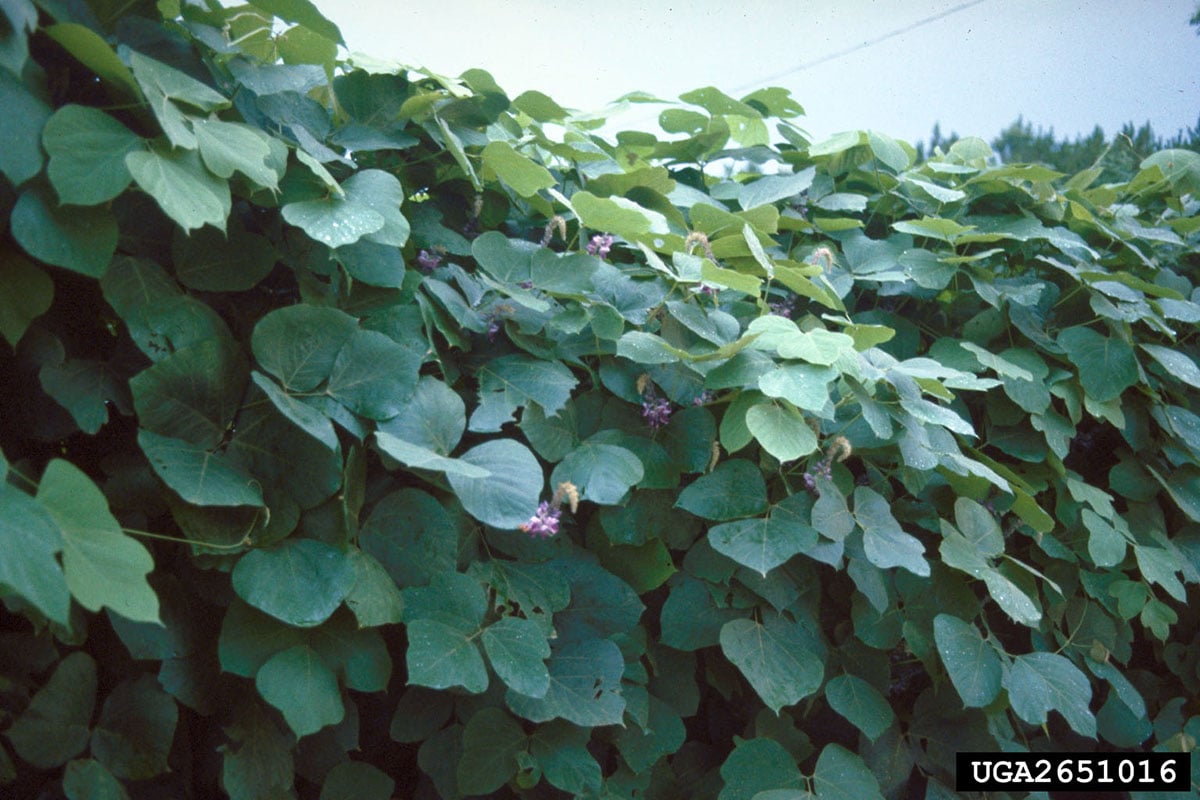
Kudzu
Kudzu is a perennial, semi-woody vine that can grow up to 100 feet long.
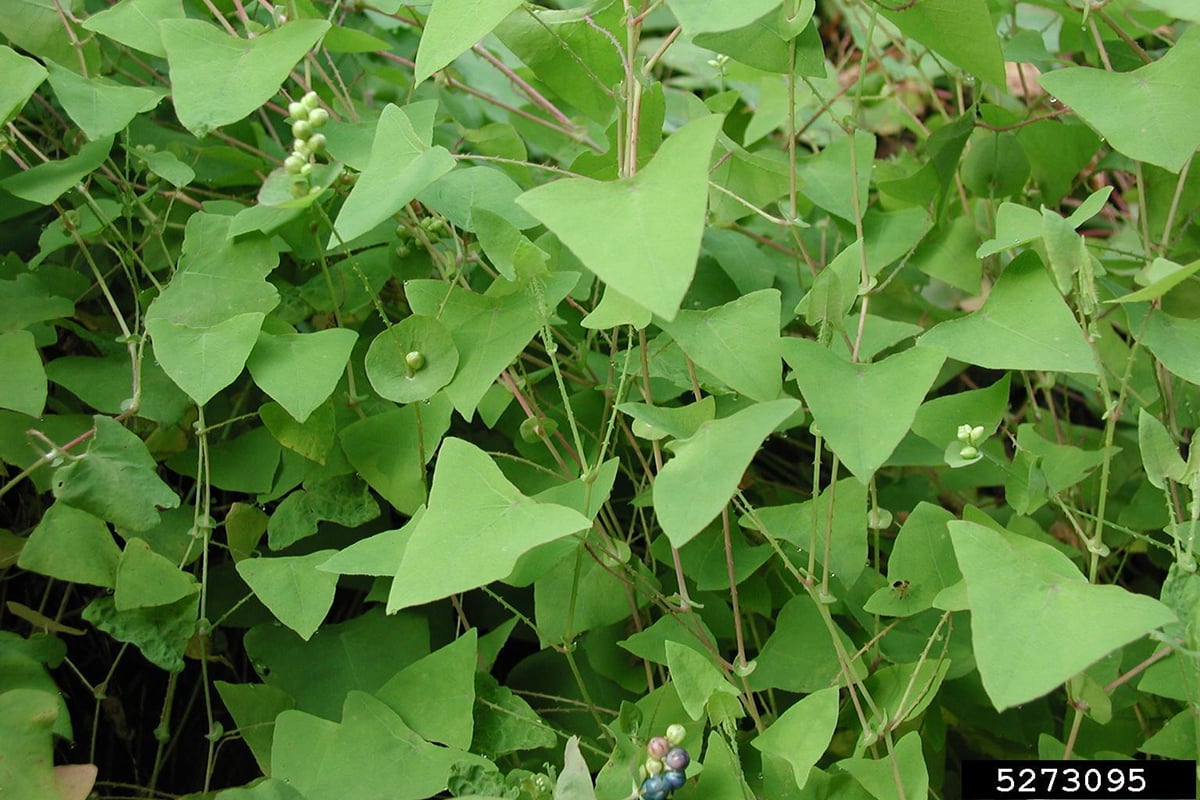
Mile-a-minute Vine
An annual herbaceous plant with triangular leaves and blue fruits, mile-a-minute vine can grow up to 26 feet long.
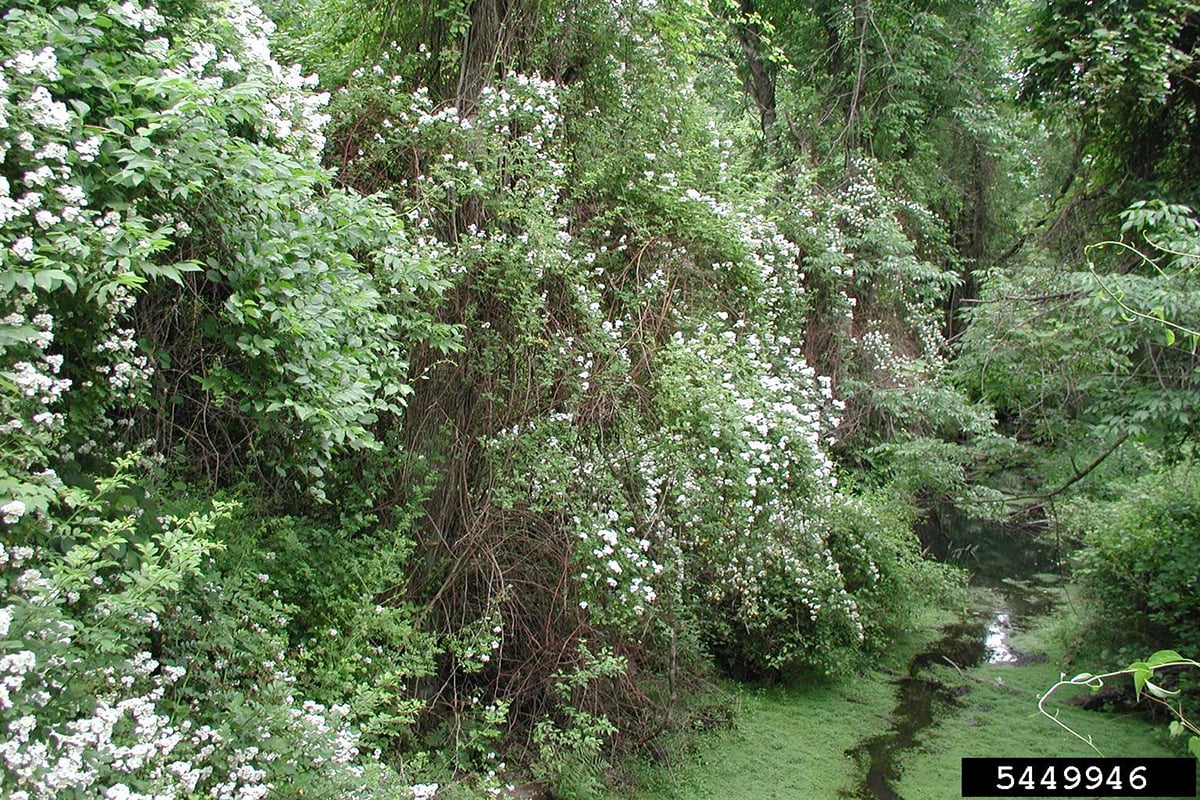
Multiflora Rose
Multiflora rose is a deciduous shrub with white flowers and red fruit.
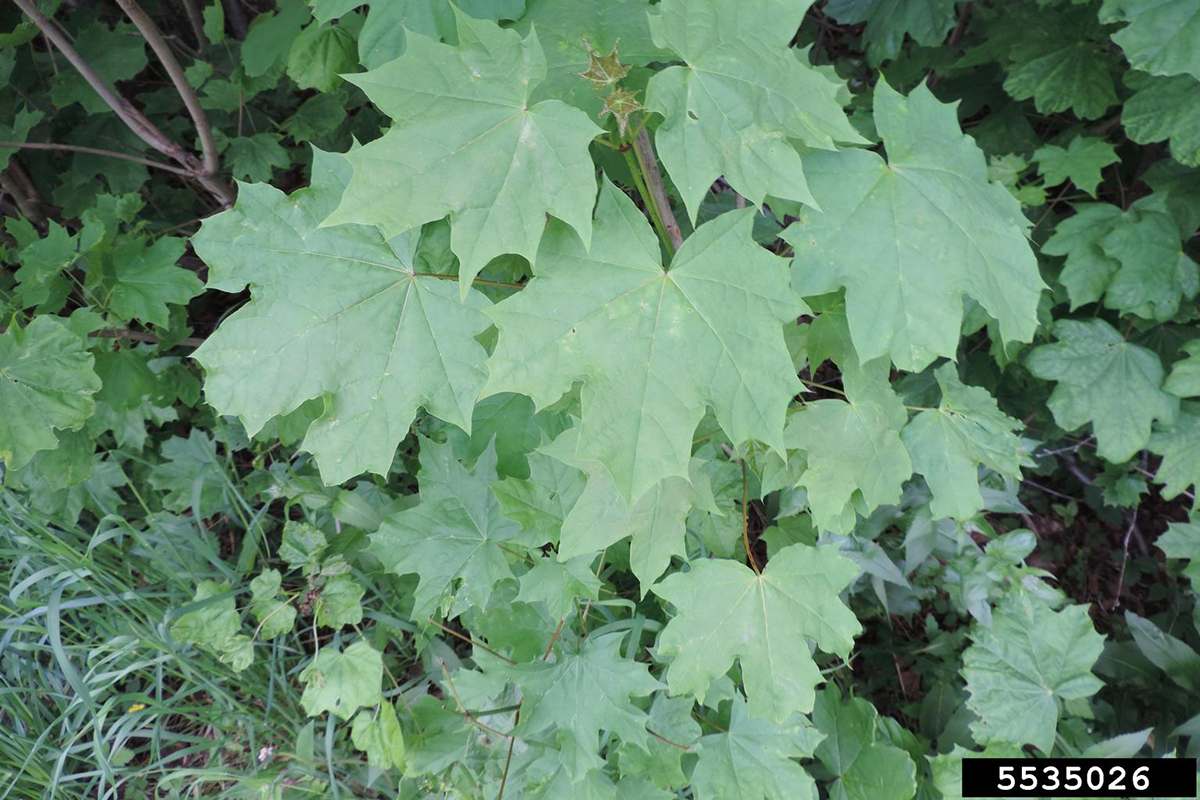
Norway Maple
Norway maple is a deciduous tree that typically grows 40 to 60 feet tall.
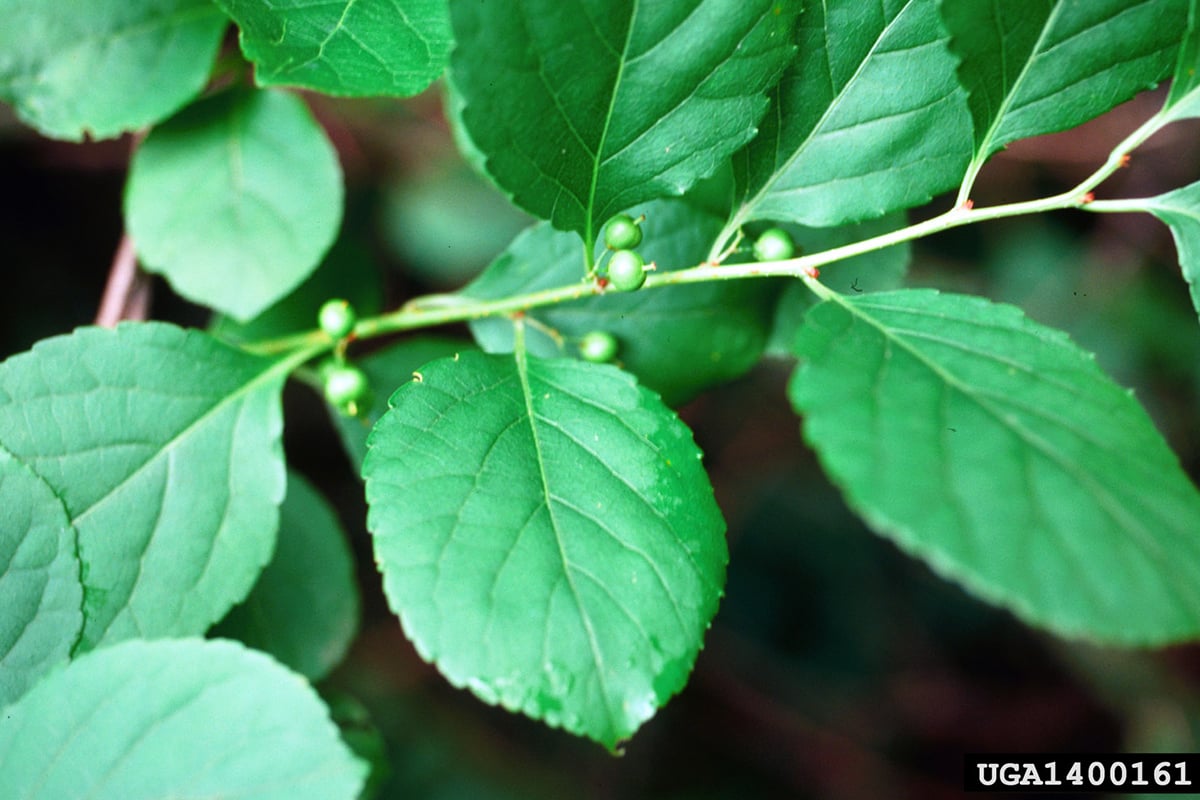
Oriental Bittersweet
A deciduous woody vine, oriental bittersweet can grow up to 60 feet long, with a base up to 6 inches in diameter.
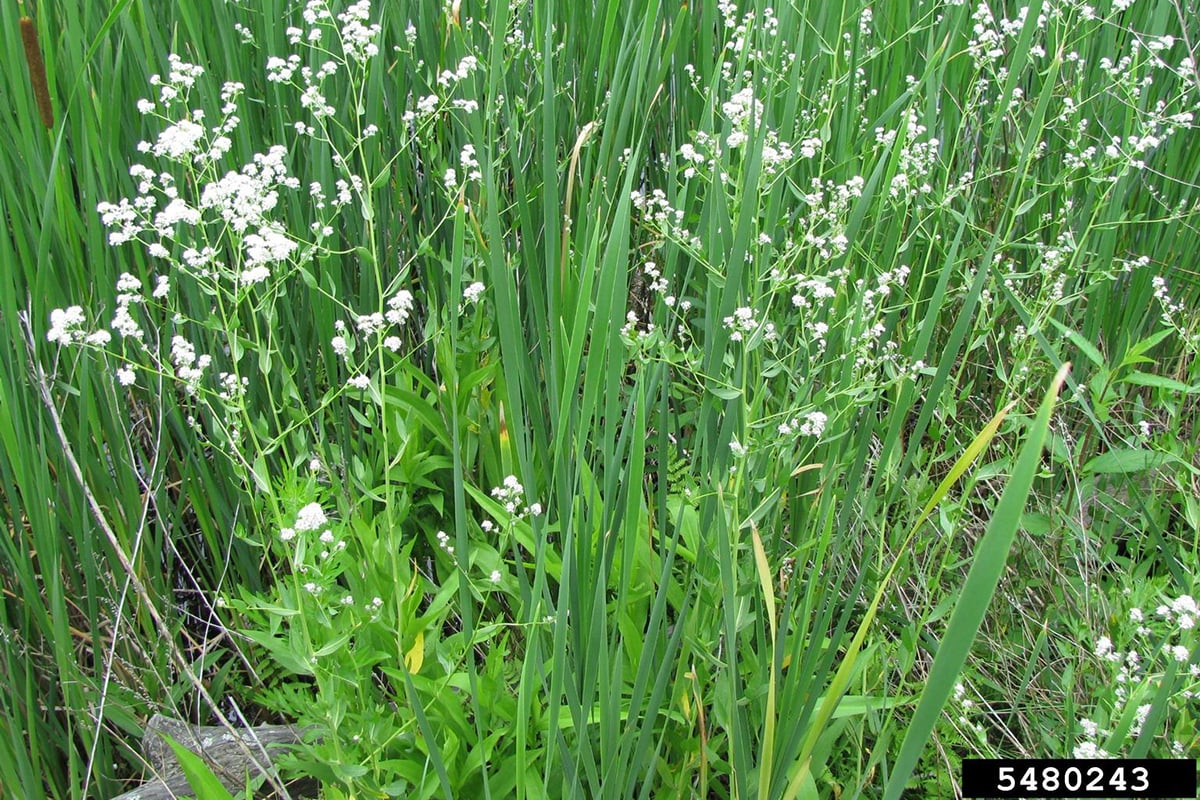
Pepperweed
Perennial Pepperweed—also known as Broad-leaved Pepperweed—is a perennial herb native to Europe and western Asia.
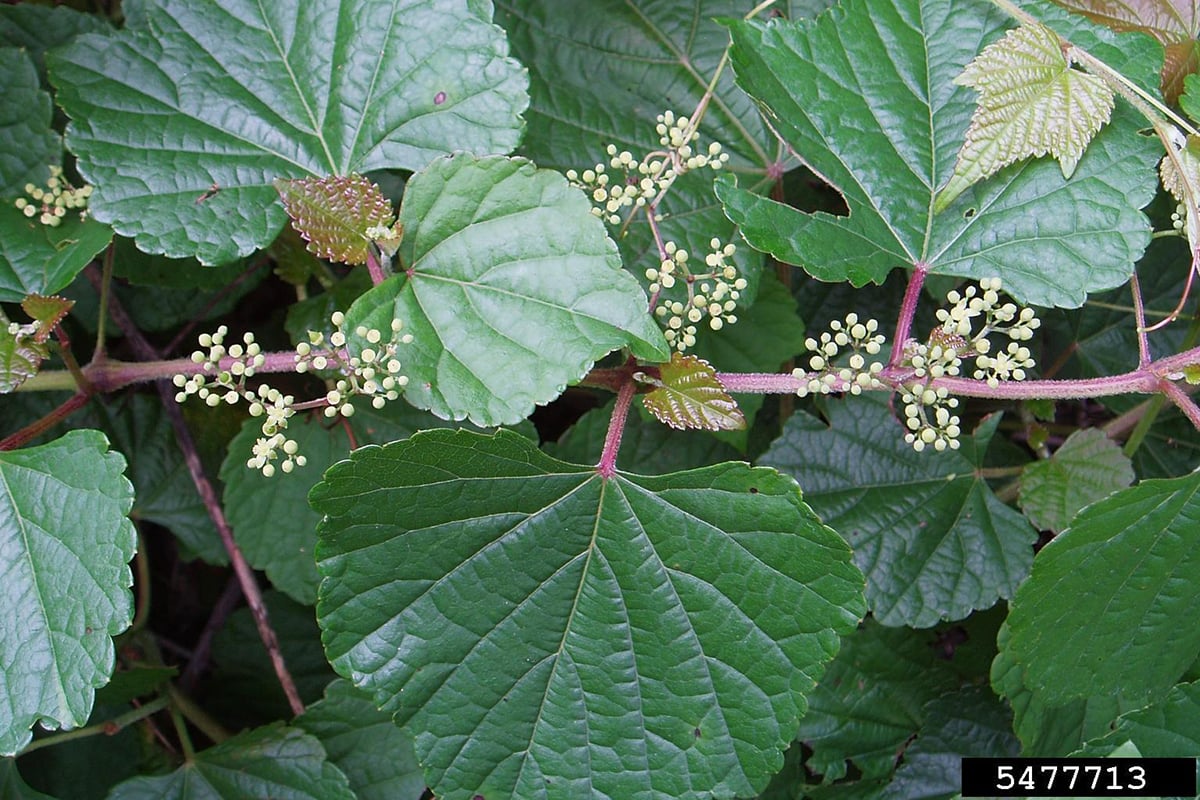
Porcelain-berry
Porcelain-berry is a deciduous, perennial, woody vine from Asia that can grow 10 to 15 feet a year.
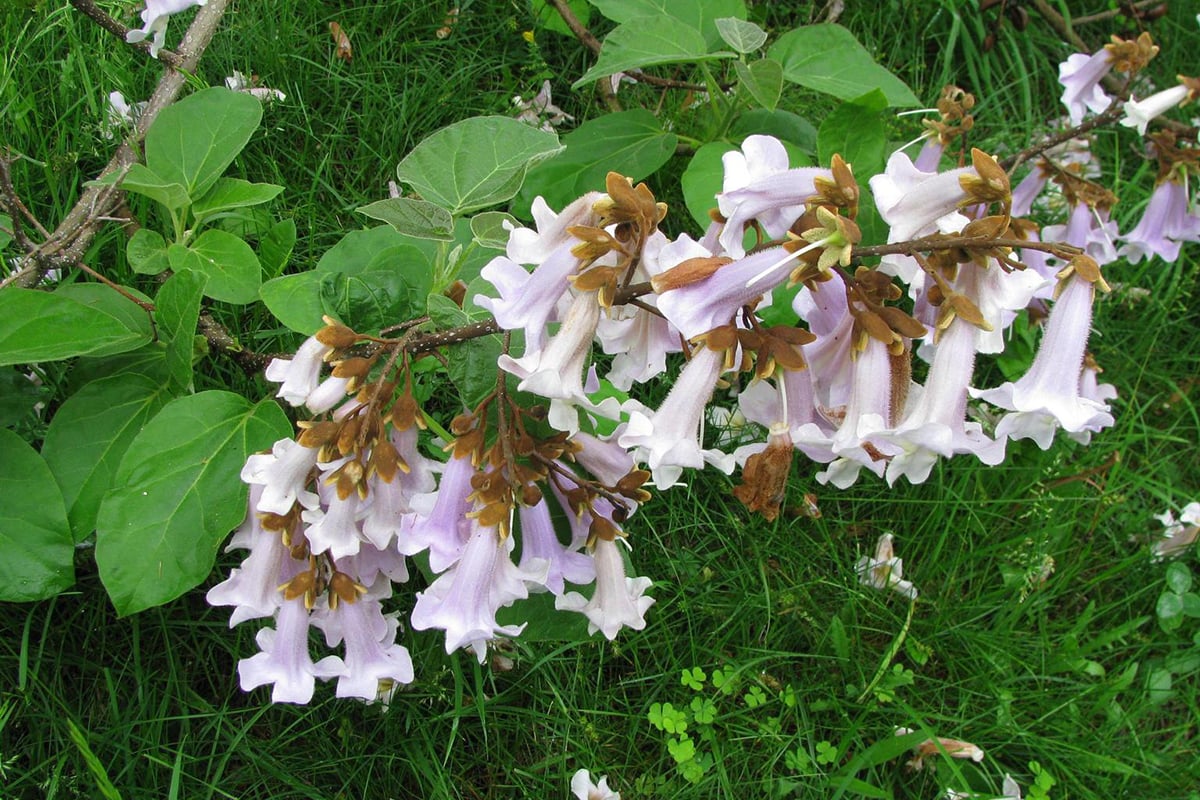
Princess-tree
Princess-tree was imported from China and has glossy twigs with white speckles.
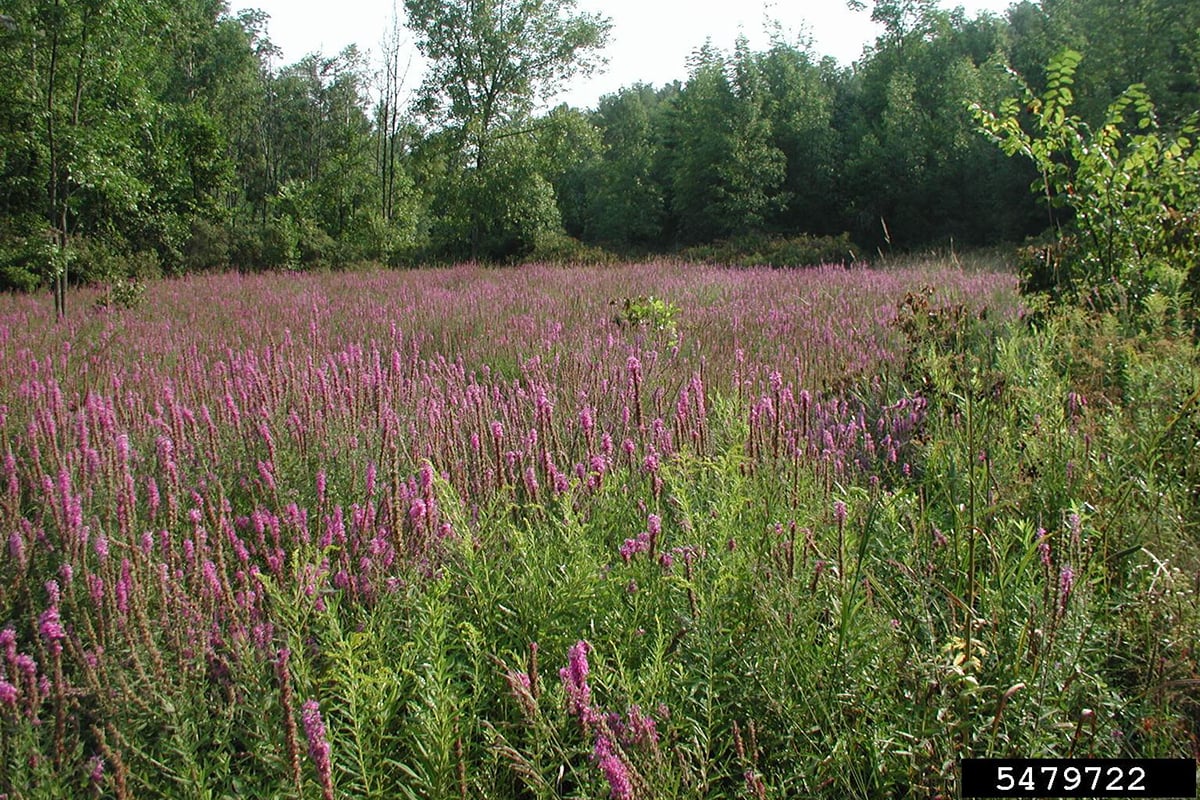
Purple Loosestrife
A perennial from Europe, Purple Loosestrife usually grows from 3-5 feet tall, but can reach a height of up to 7 feet.
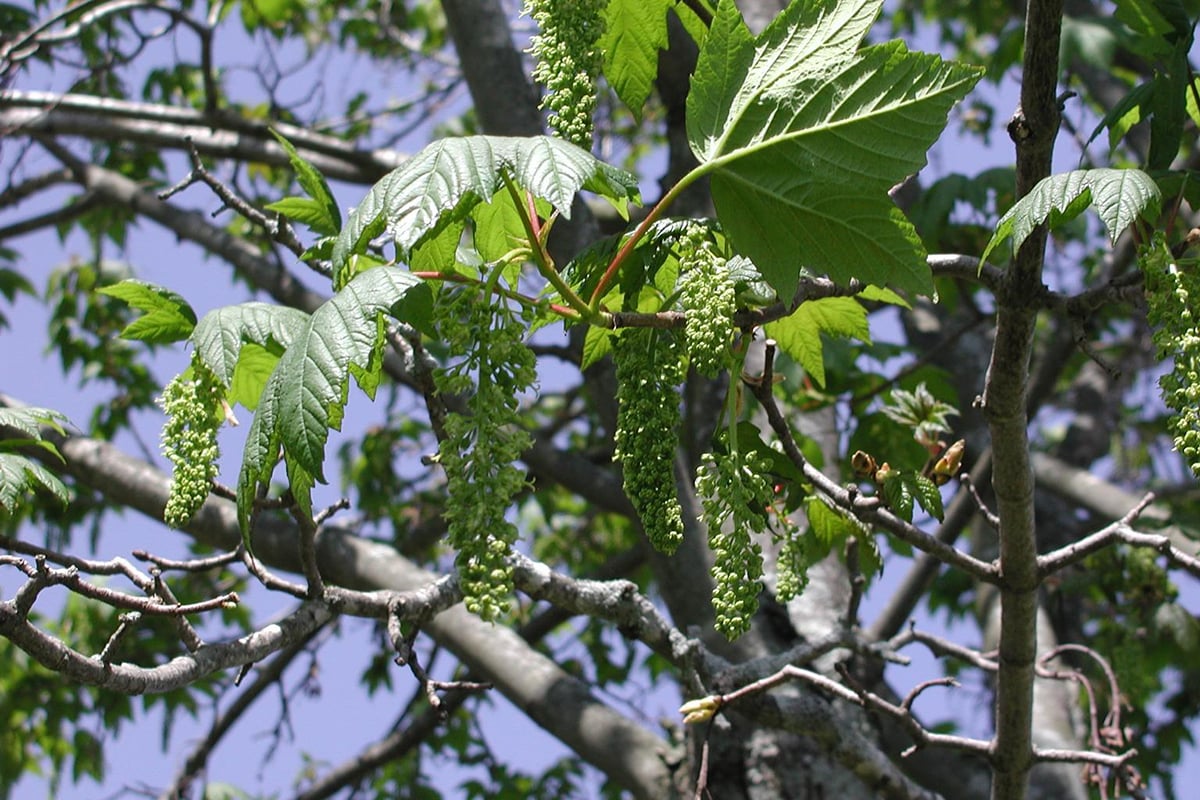
Sycamore Maple
Sycamore maple is a deciduous tree that typically grows 40 to 60 feet tall.
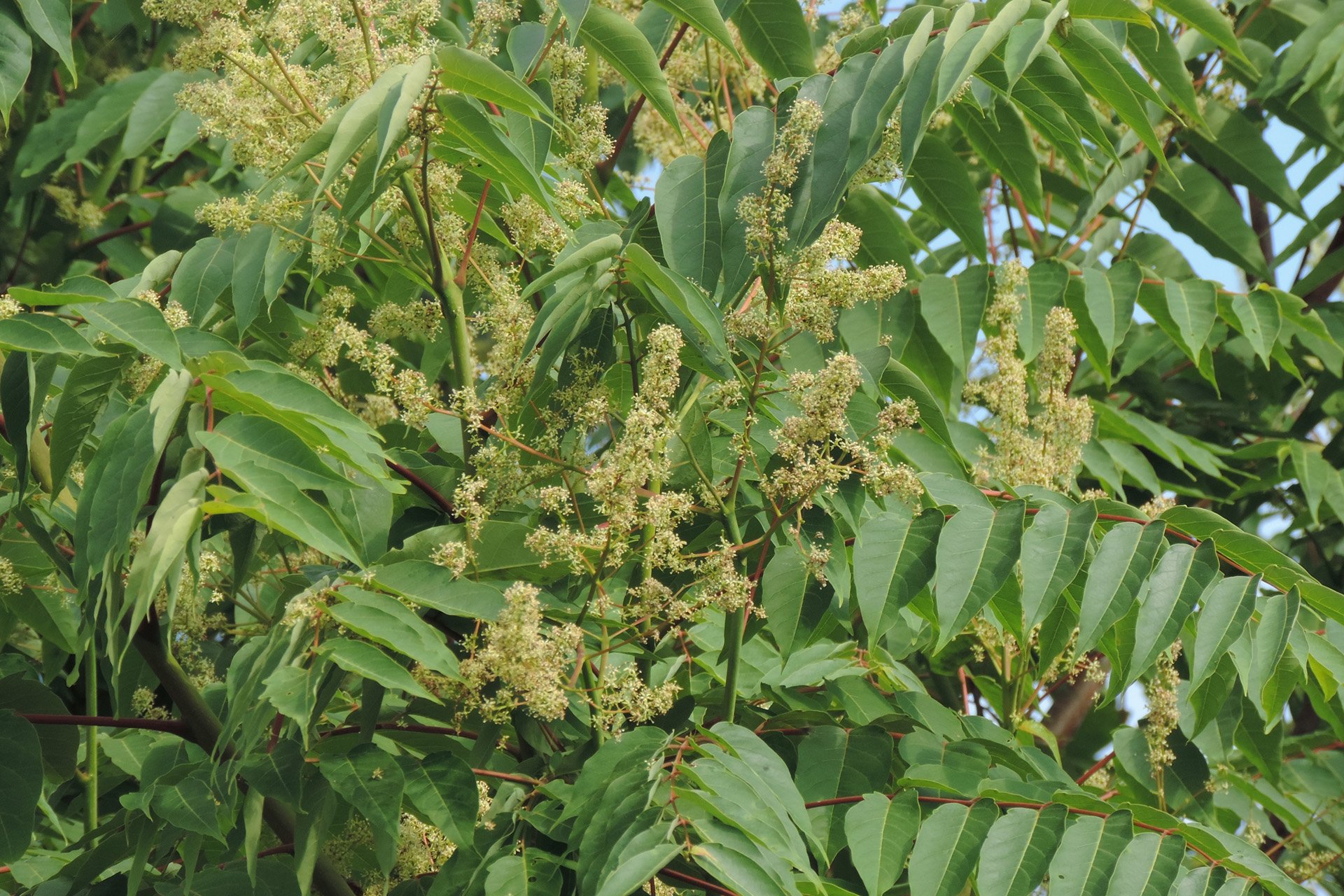
Tree-of-heaven
A deciduous tree with compound leaves, the tree-of-heaven can typically reach 30 to 50 feet but can grow up to 80 feet.
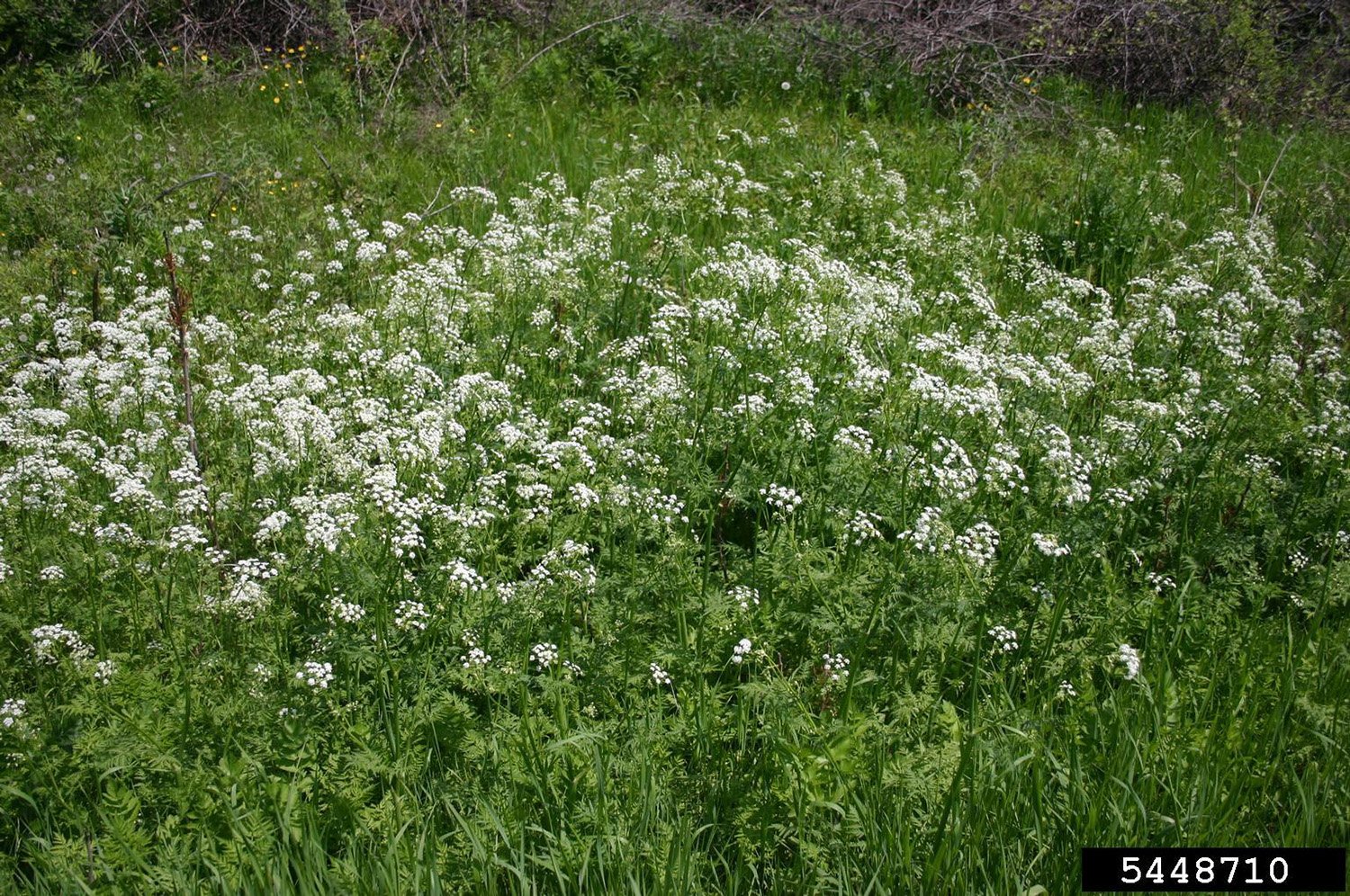
Wild Chervil
Wild chervil is a biennial or short-lived perennial herb native to Europe and western Asia that typically grows up to 4 feet tall.
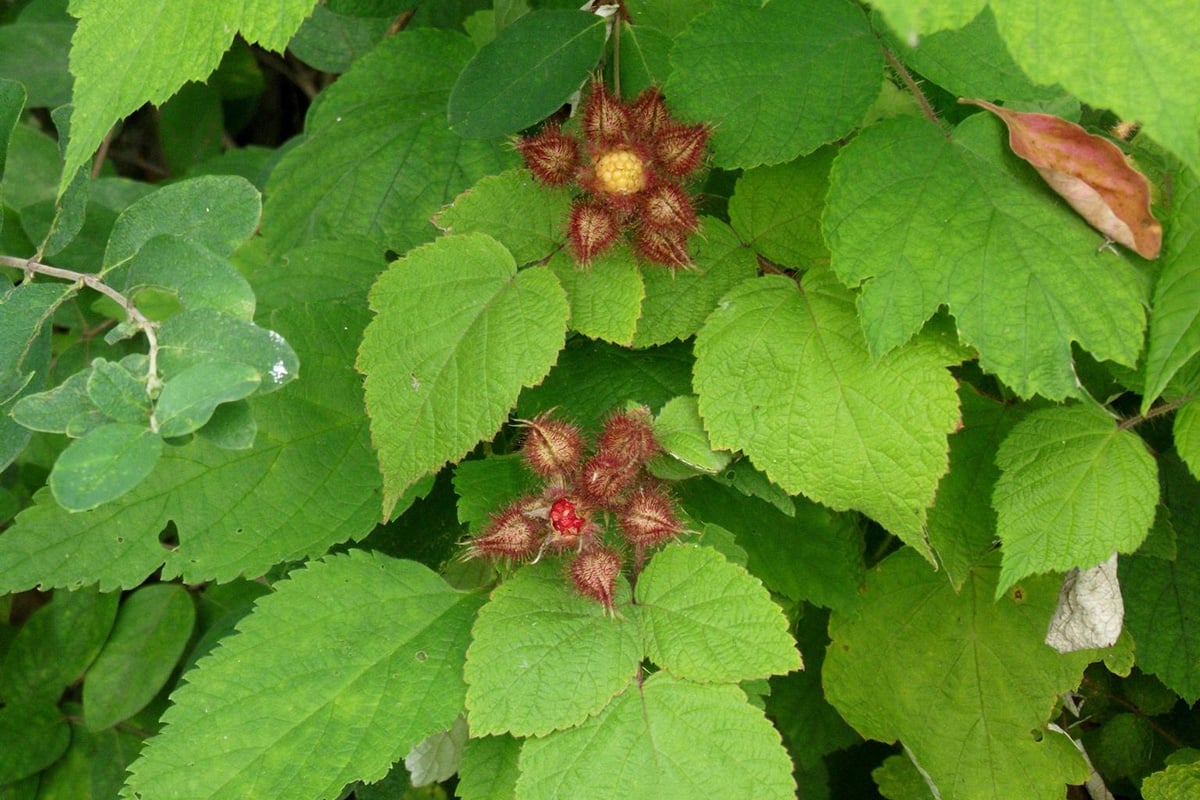
Wineberry
Wineberry is a deciduous shrub with upright arching stems and small flower buds, both of which are covered in reddish hairs.
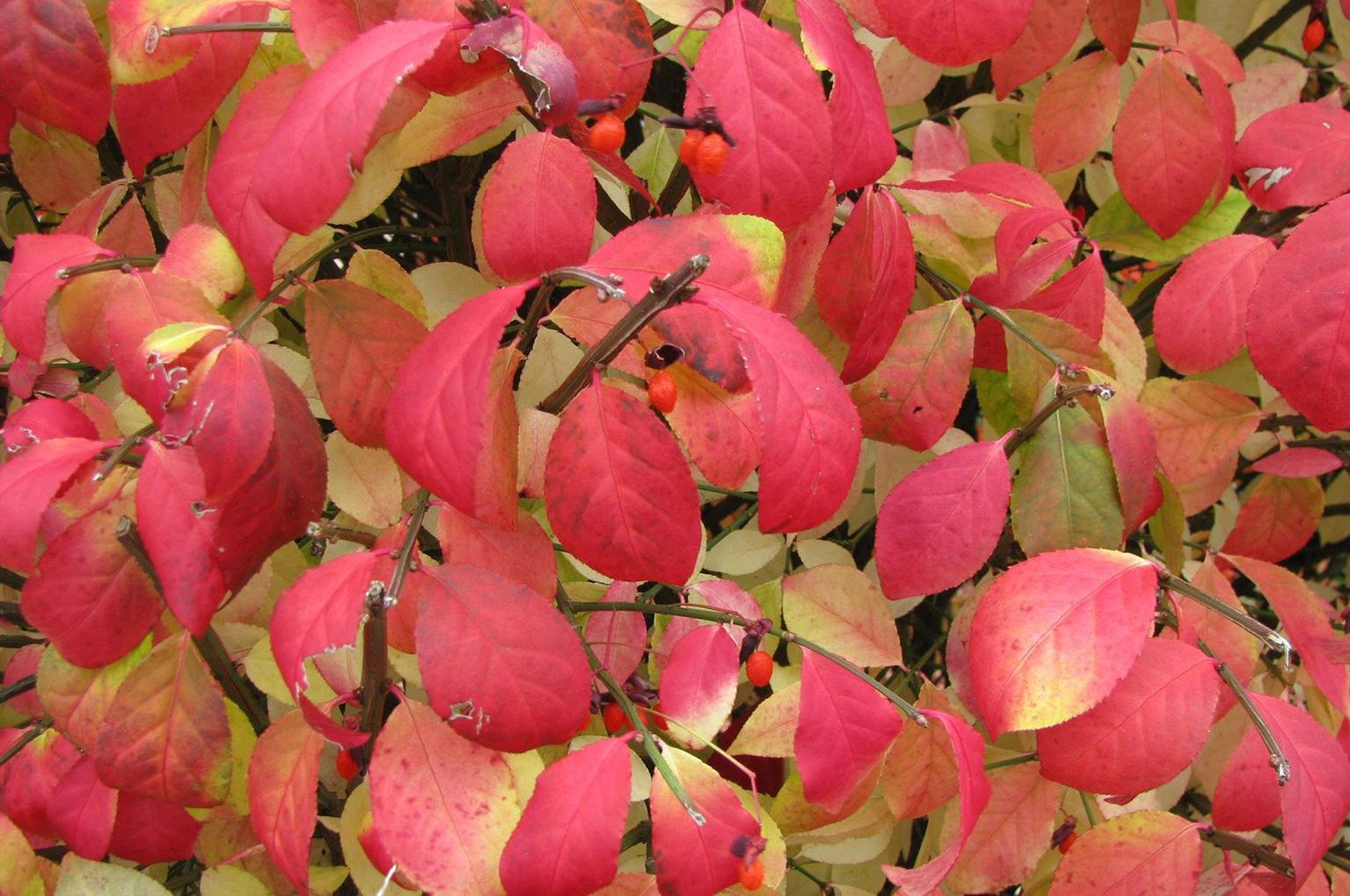
Winged Euonymus
Winged euonymus gets its name from the woody “wings” on many twigs. It’s a deciduous shrub that can grow up to 10 feet tall.
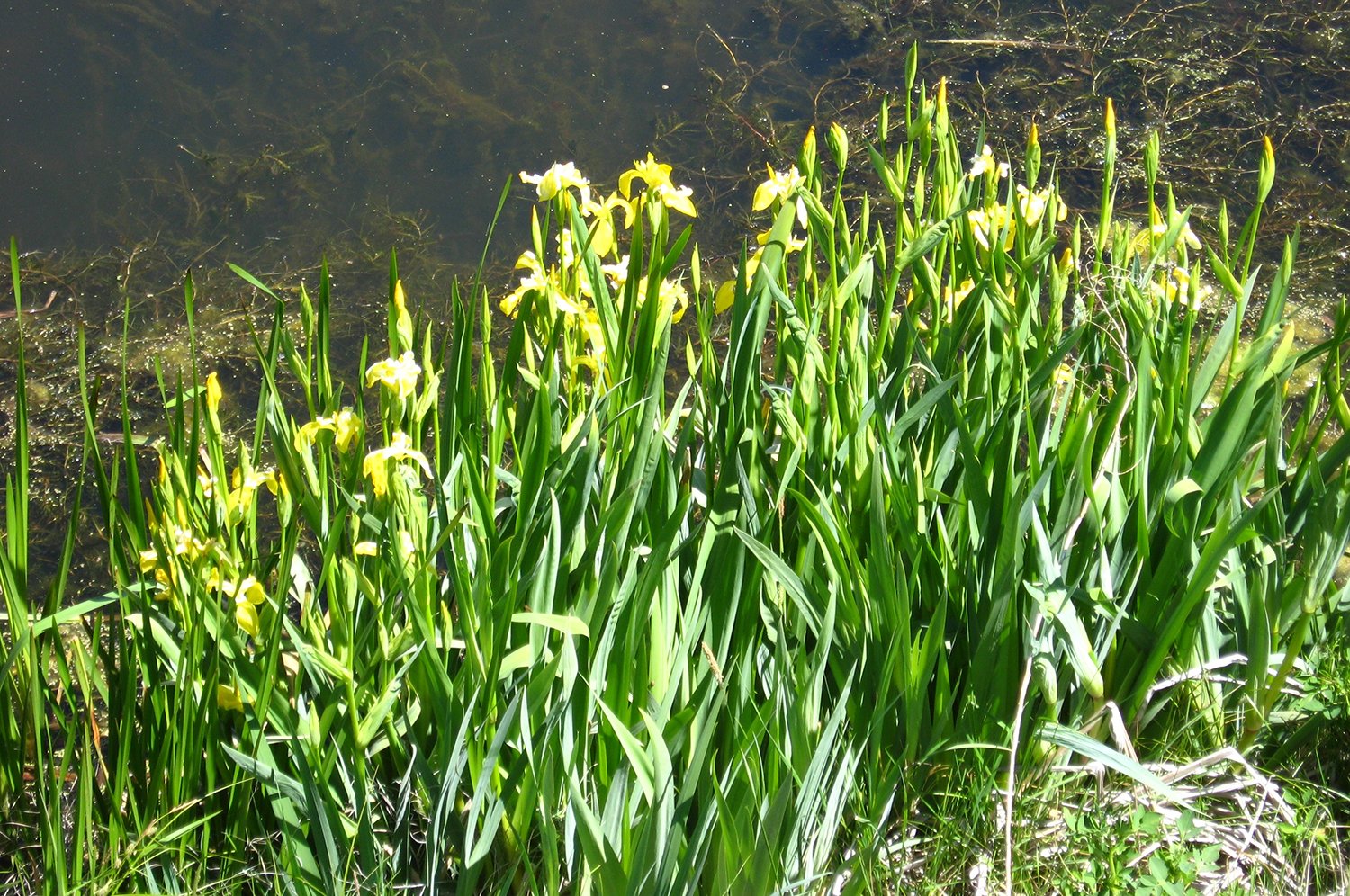
Yellow Iris
A perennial herb, yellow iris has long, thin leaves and bright yellow flowers, and it grows from 1.5 to 4 feet tall.
Stay Connected
Don't miss a beat on all the ways you can get outdoors, celebrate nature, and get involved.