


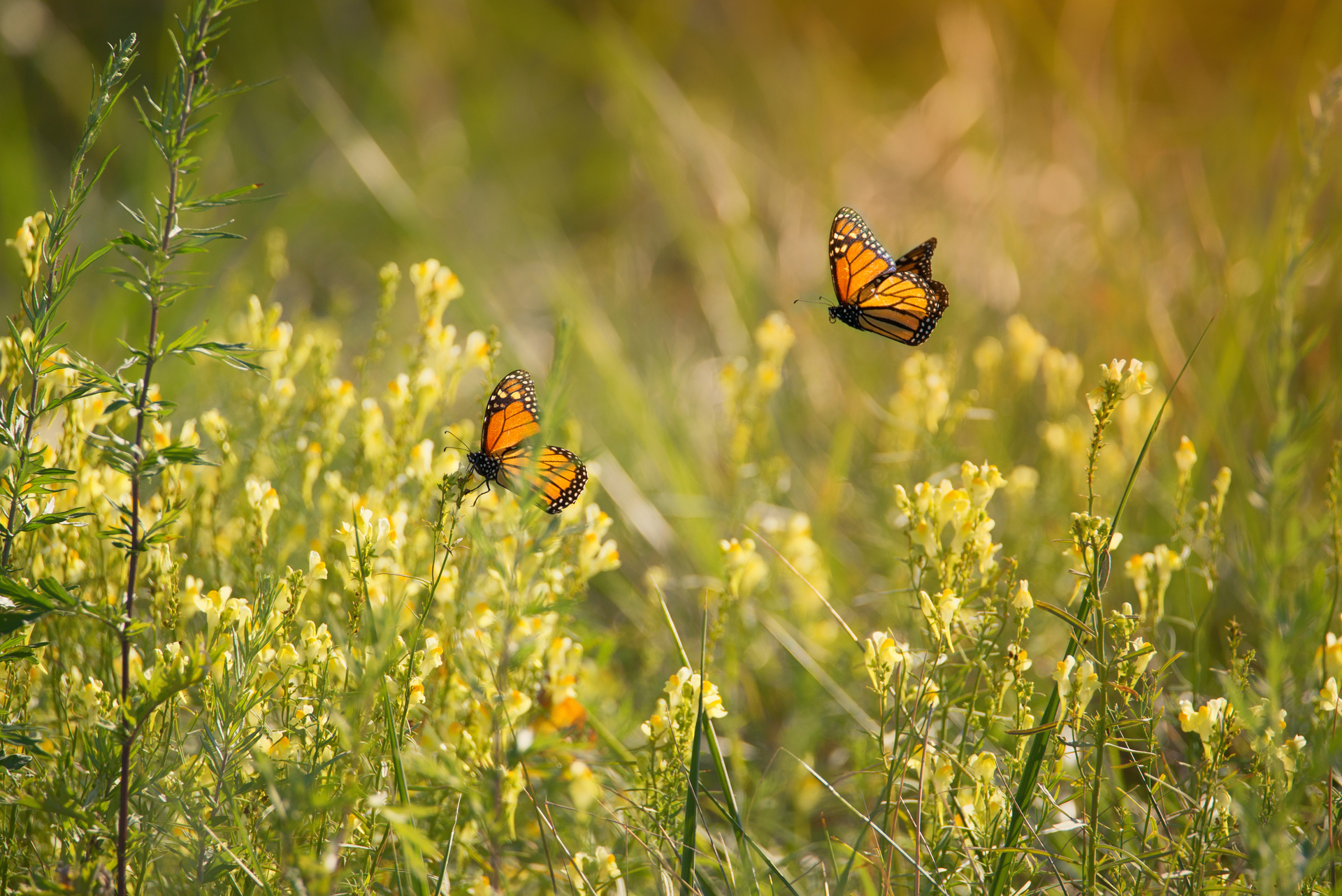
Our Work
Massachusetts faces significant challenges—including the rapid loss of wildlife habitat, inequitable access to nature, and the threat of climate change—that deeply affect the health and well-being of our environment and our communities.
And yet, as we emerge from a global pandemic during which more people than ever found sanctuary in nature, signs of hope and optimism abound.
We are determined to meet these challenges and capitalize on people's emergent connection to nature with transformational actions that will ensure future generations have the chance to "go wild."
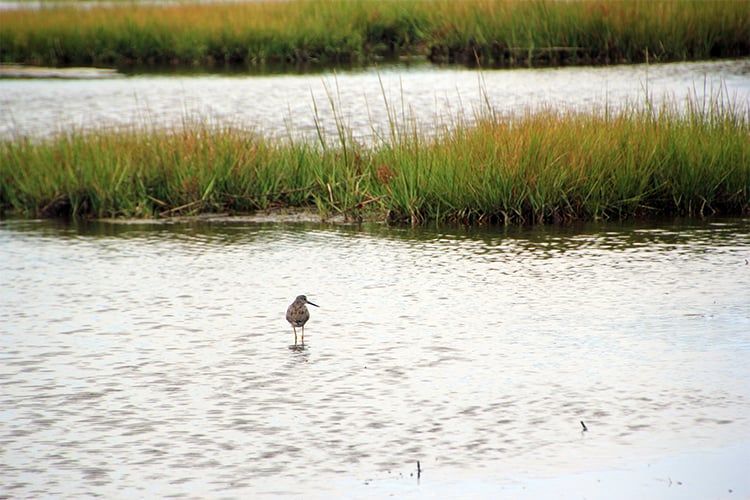
Resilient Lands
Protecting and restoring land that provides wildlife habitat, health benefits, and adaptation to climate change.
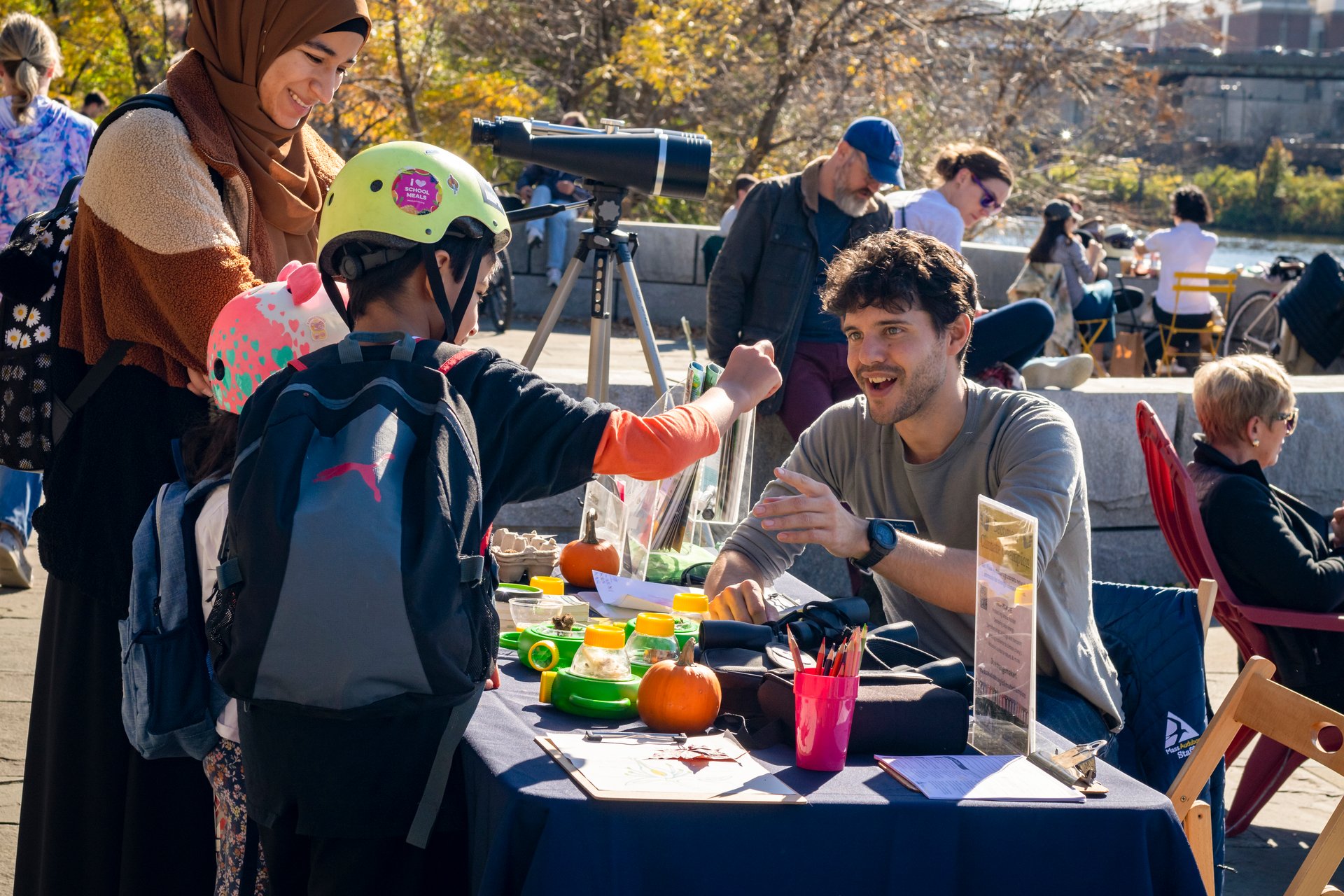
Access to Nature
Increasing access to nature, so everyone benefits from greenspaces, education, and career opportunities.
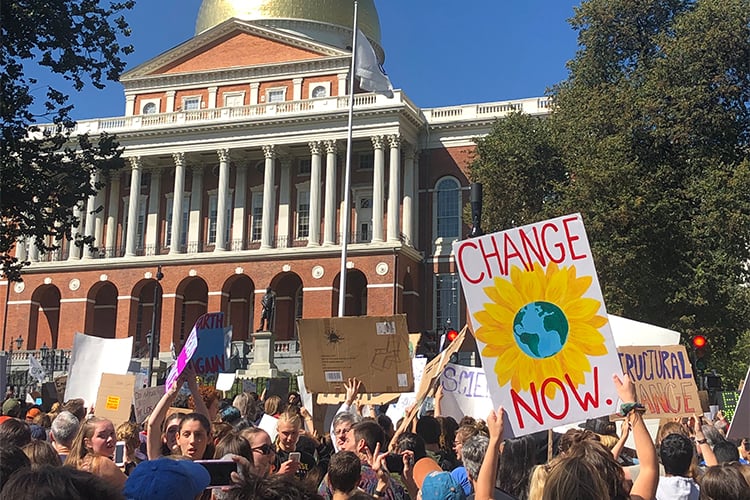
Climate Change
The world desperately needs immediate, decisive action to respond to the climate crisis. We are mobilizing to act now.
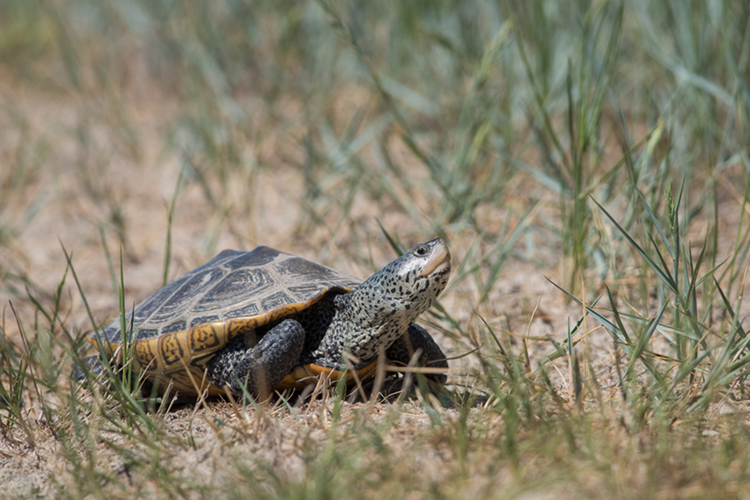
Birds & Wildlife
By monitoring wildlife, Mass Audubon informs important conservation decisions and helps at-risk species.
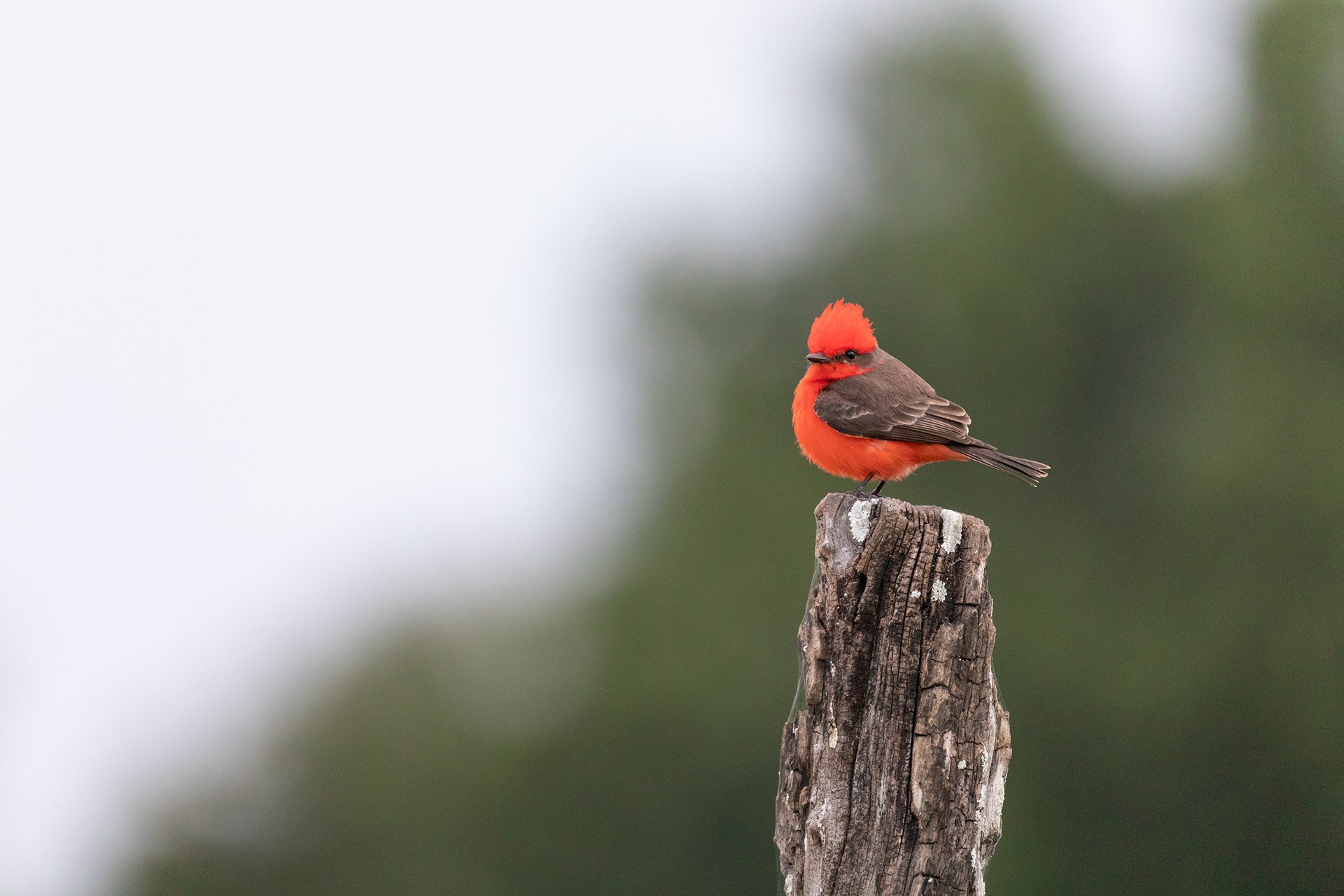
Global Conservation
Mass Audubon’s mission is protecting the nature extends far beyond state lines.
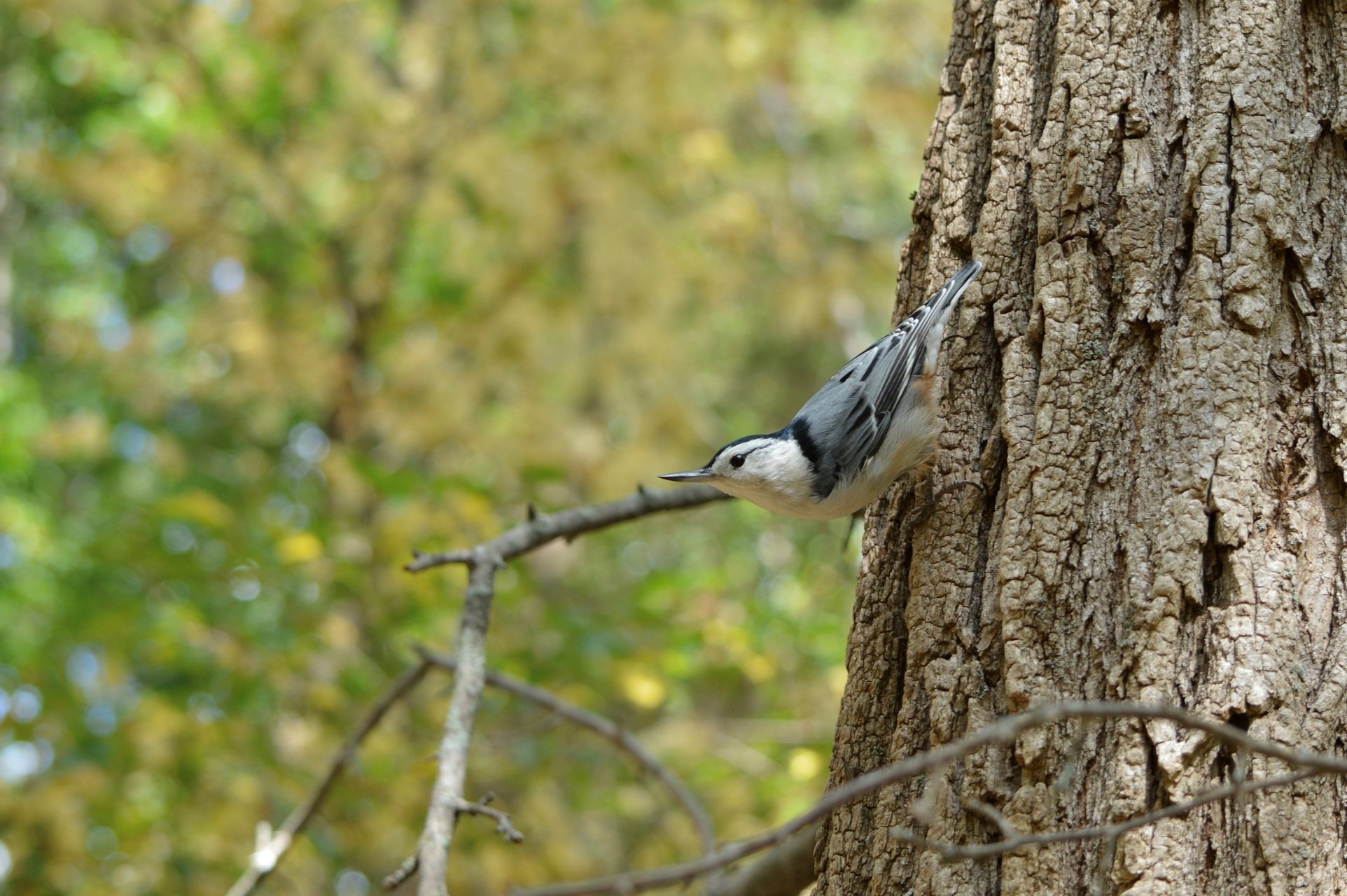
Publications & Resources
Mass Audubon conducts research and produces reports on everything from land use to breeding birds.
Featured Work
-
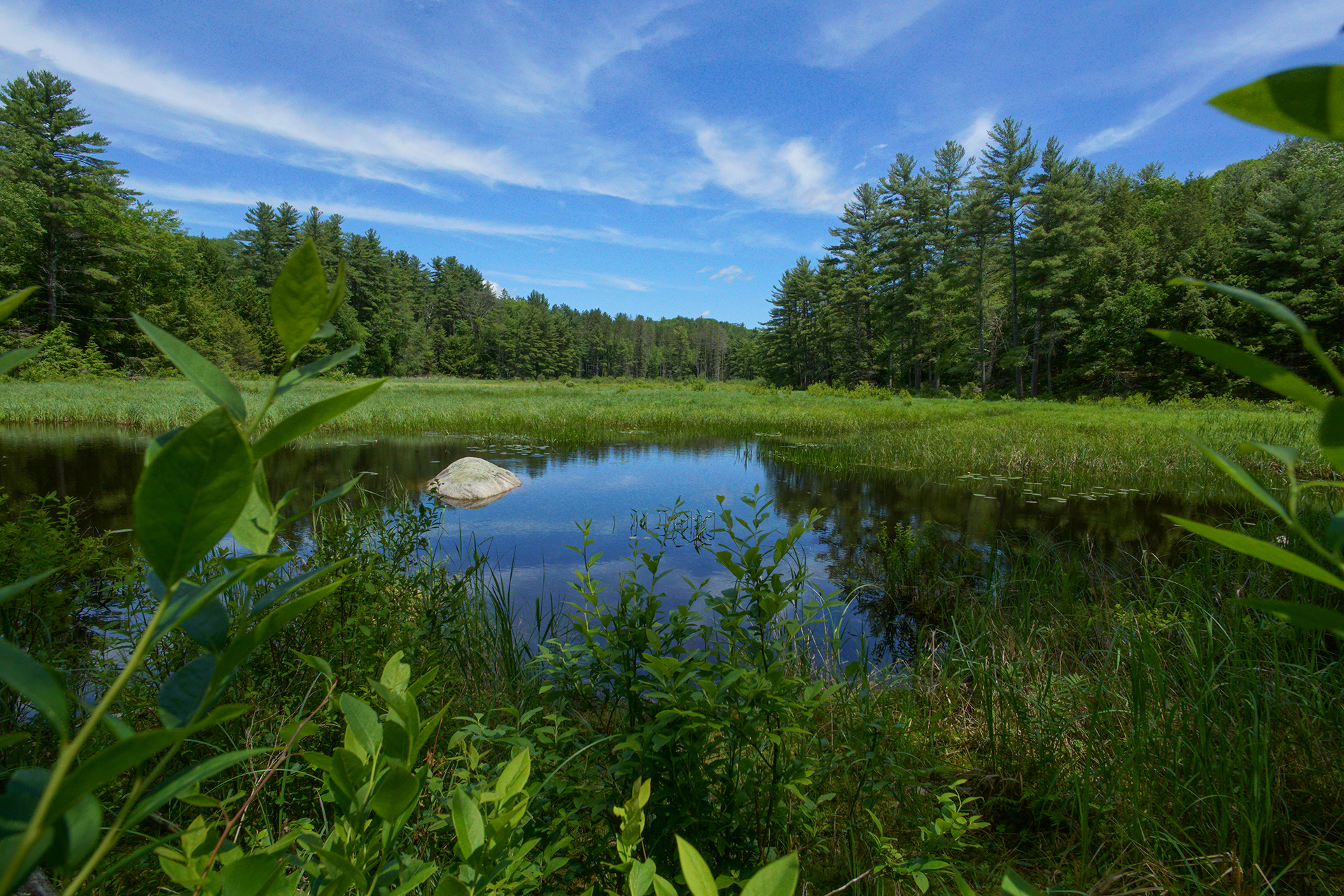 Rutland Brook Wildlife Sanctuary
A Pathway to 30x30
This report makes the case for protecting natural and working lands and outlines how the Commonwealth can reach the 30x30 and 40x50 land conservation goals in Massachusetts.
-
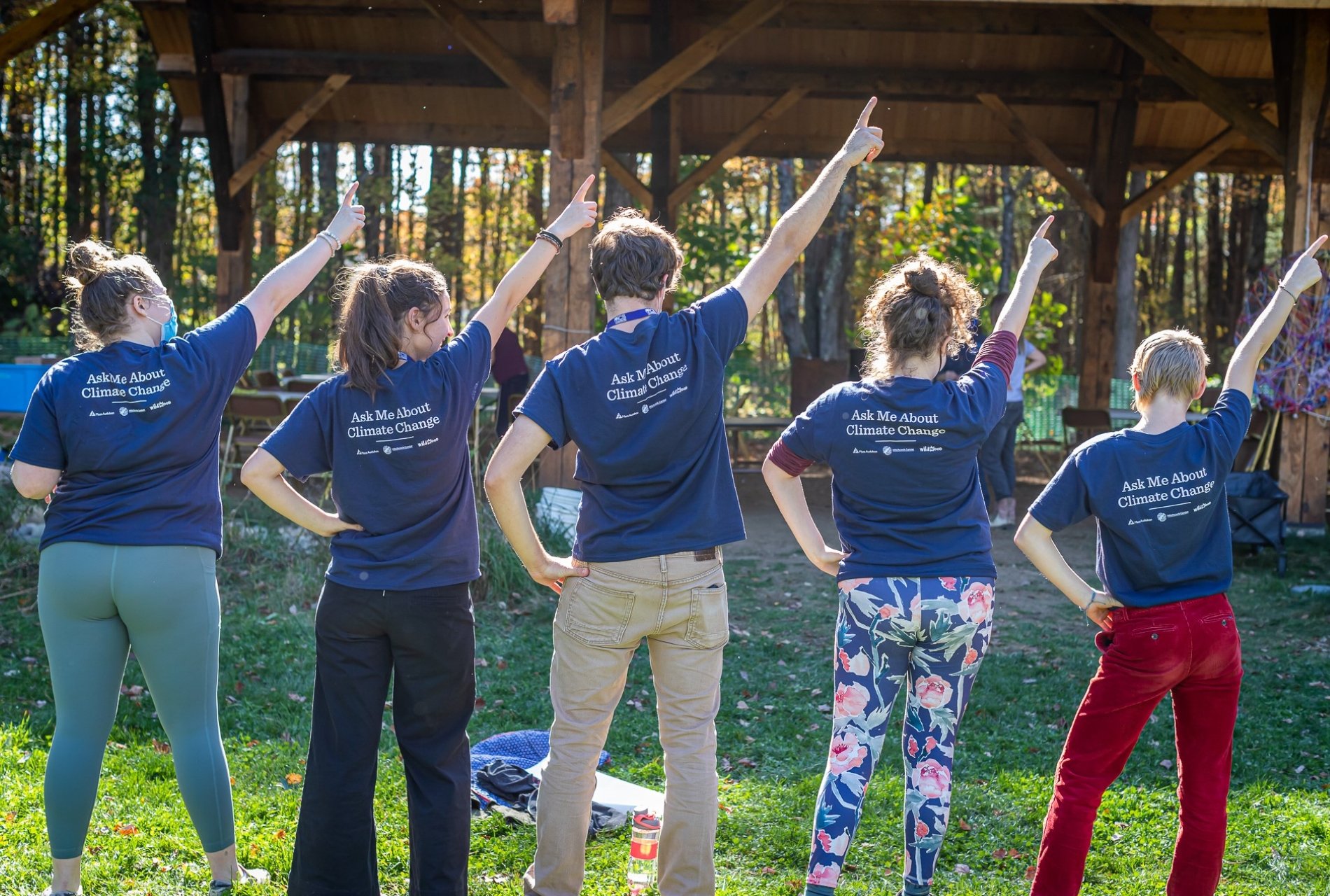
Youth Climate Leadership Program
Mass Audubon's Youth Climate Leadership Program (YCLP) is a youth-led, action-oriented climate action immersion program
-
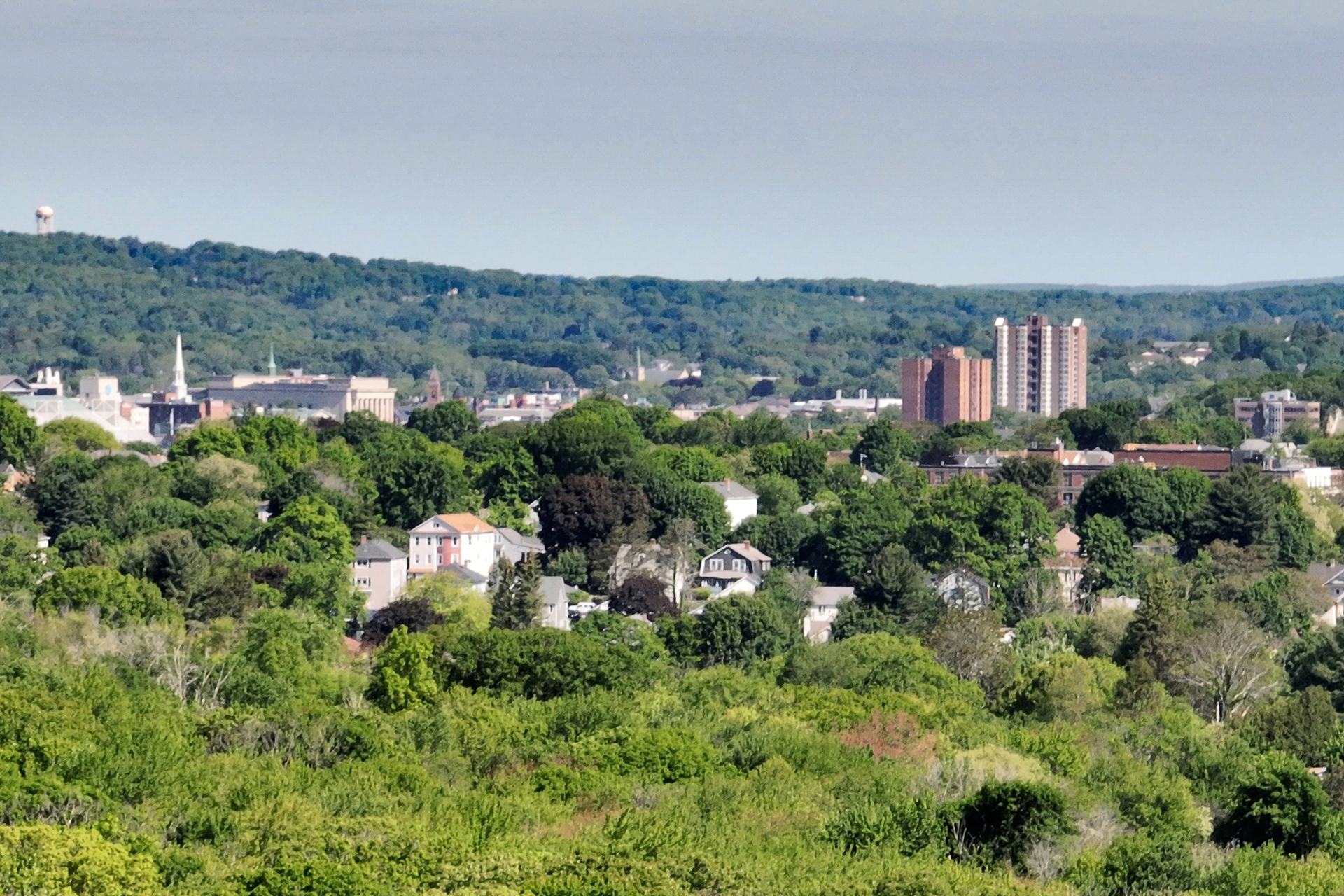
Nature in the City
Mass Audubon’s Nature in the City initiative is an opportunity to help address significant inequities in access to nature for cities and environmental justice communities.
-
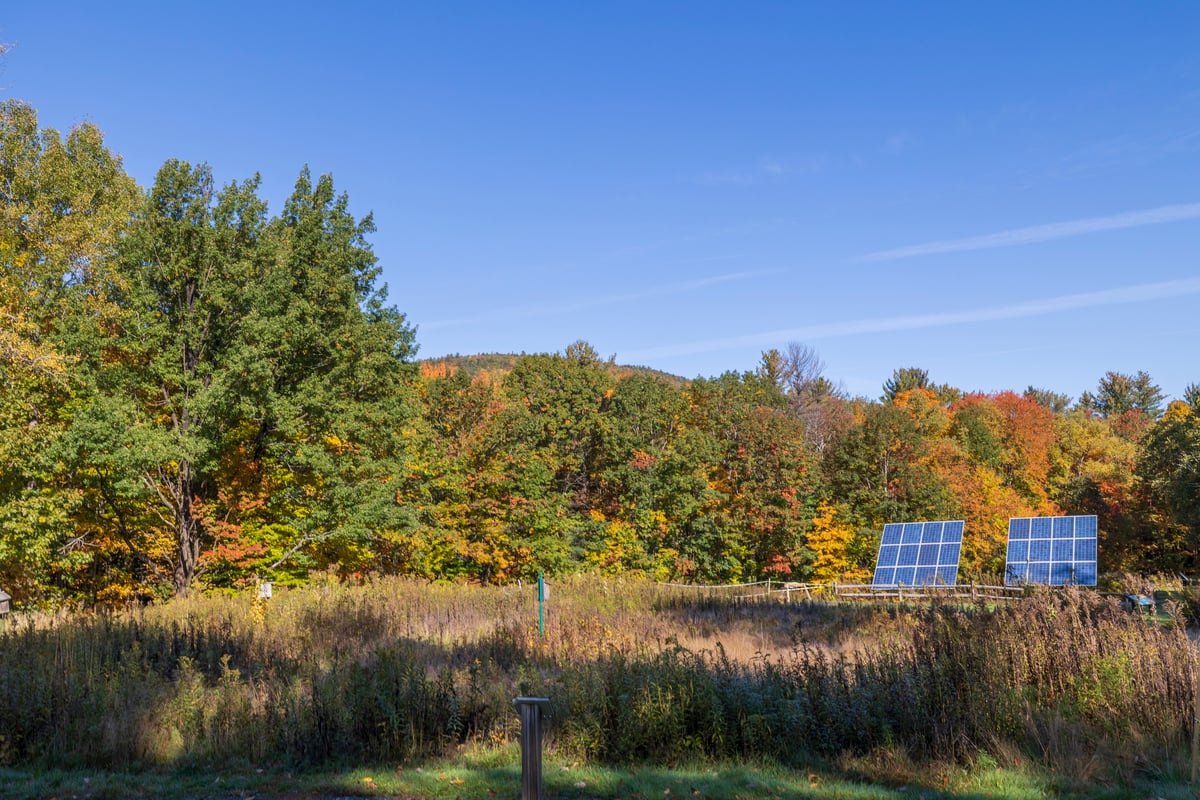 Pleasant Valley, Lenox
Growing Solar, Protecting Nature
Mass Audubon teamed up with Harvard Forest to analyze how Massachusetts can build all the solar energy we need while protecting the nature that we have.
-
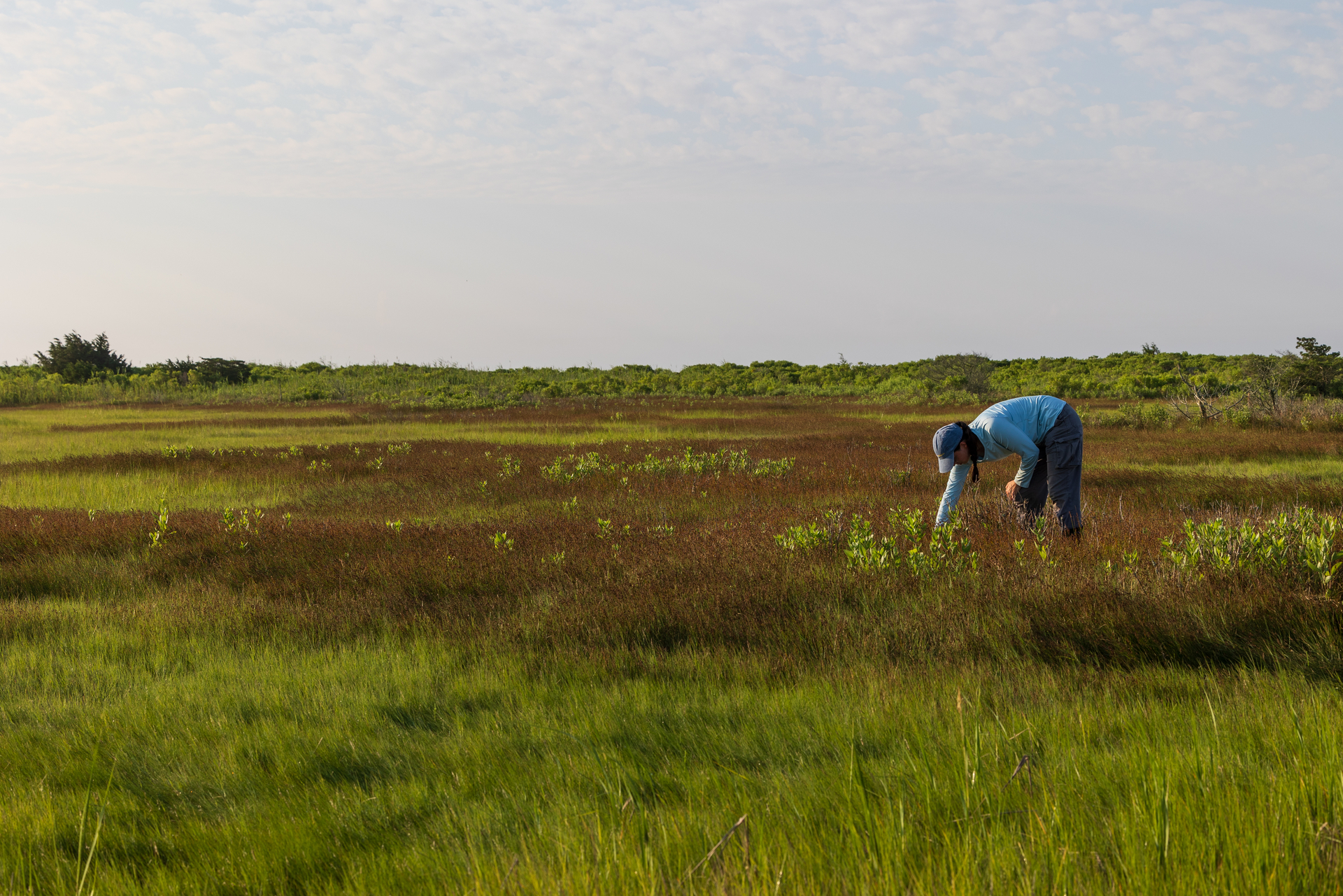 Allens Pond Wildlife Sanctuary, South Dartmouth
Ecological Restoration
Mass Audubon has a long history of using ecological restoration and management techniques to support healthy wildlife habitats and biological diversity.
-
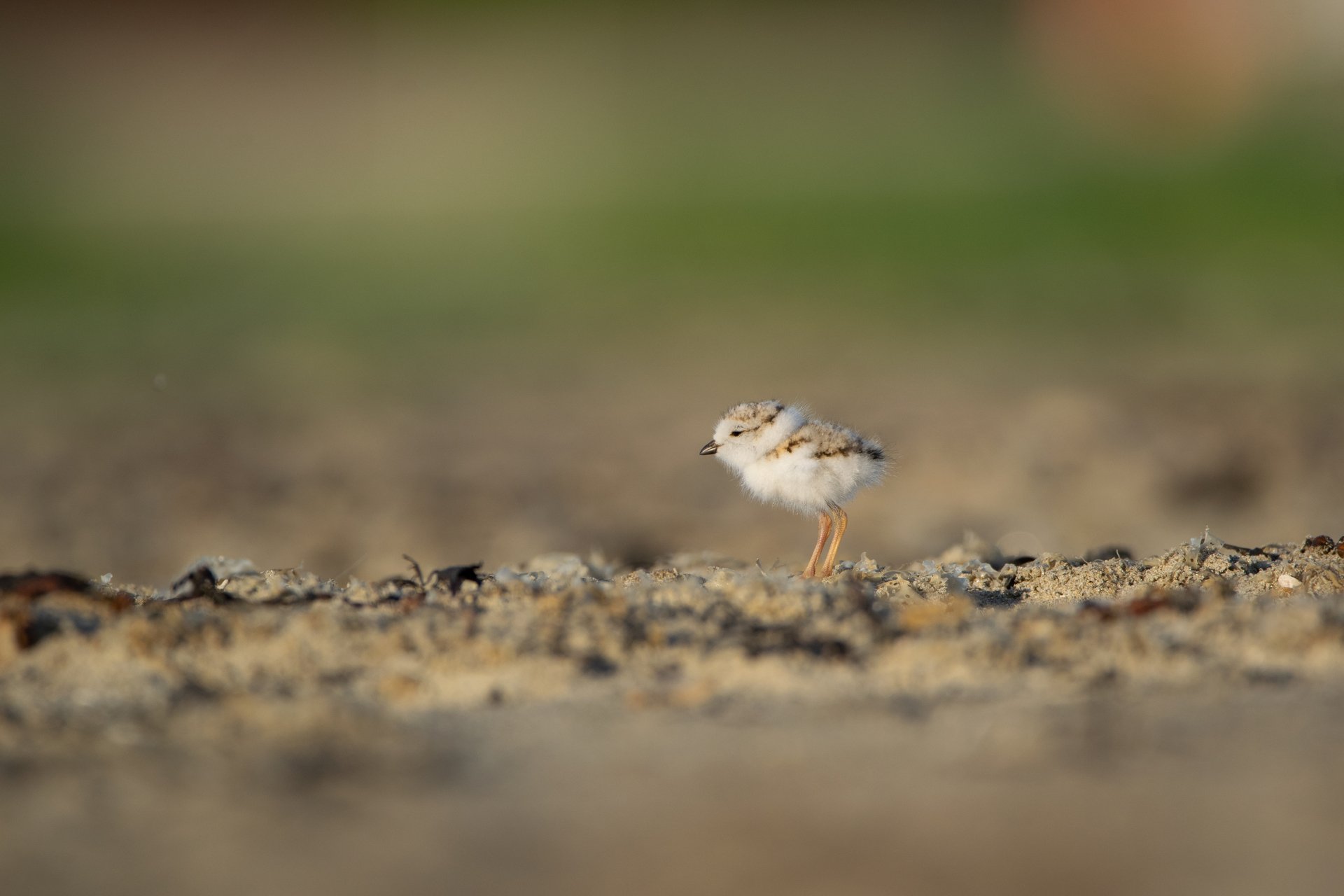 Piping Plover © Jason Goldstein
Coastal Waterbirds
Mass Audubon's Coastal Waterbird Program (CWP) is one of the most effective entities working to protect coastal birds and barrier beaches in North America.
Take Action
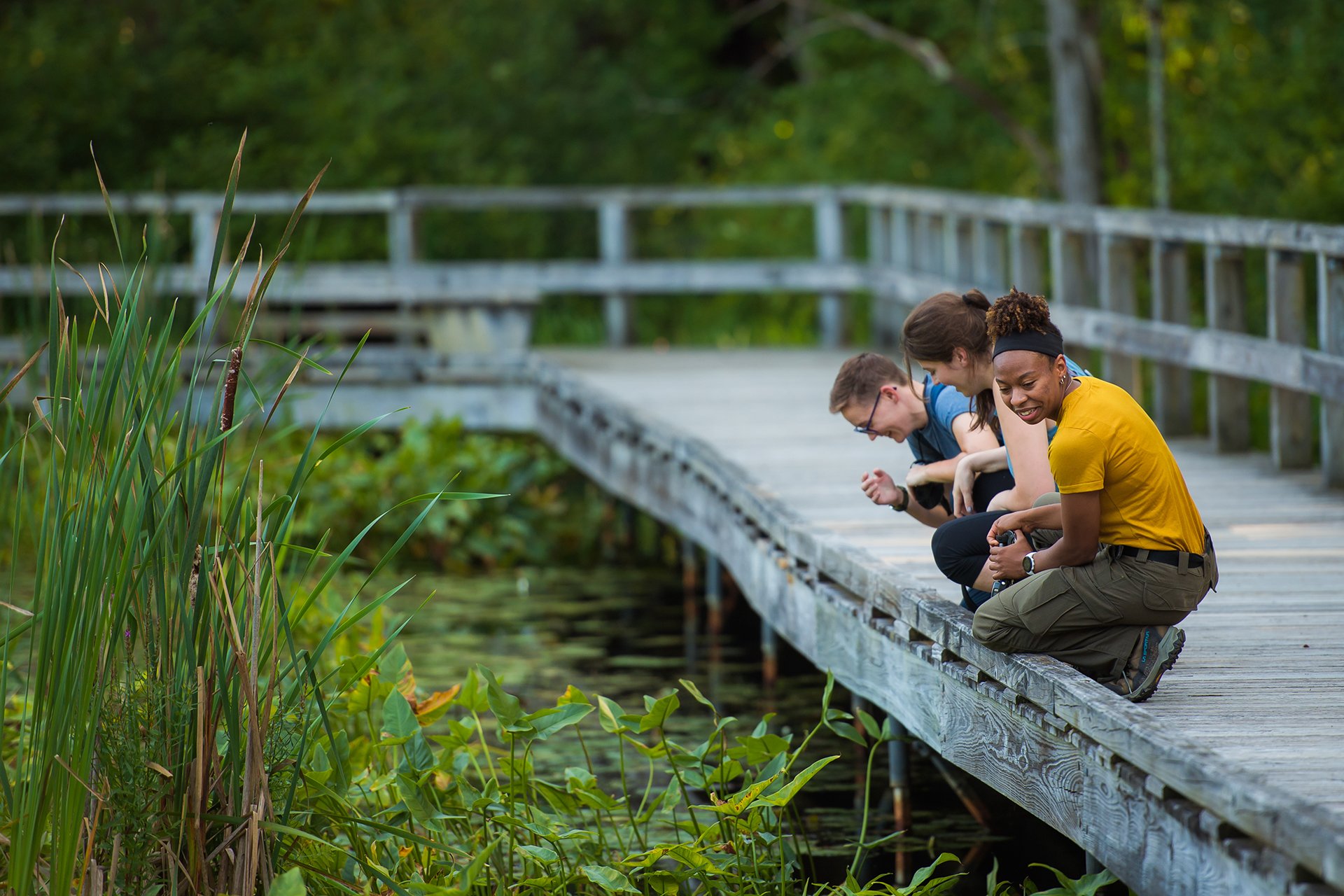
We need your curiosity, commitment, and passion to ensure that our lands become more resilient, that more people than ever experience the magic of nature, and that we fight climate change—now and in the future.
Latest News
See all
Two New State Grants Fuel Conservation Work at Mass Audubon
Keep Reading
Land Trust Accreditation Renewal Public Notice
Keep Reading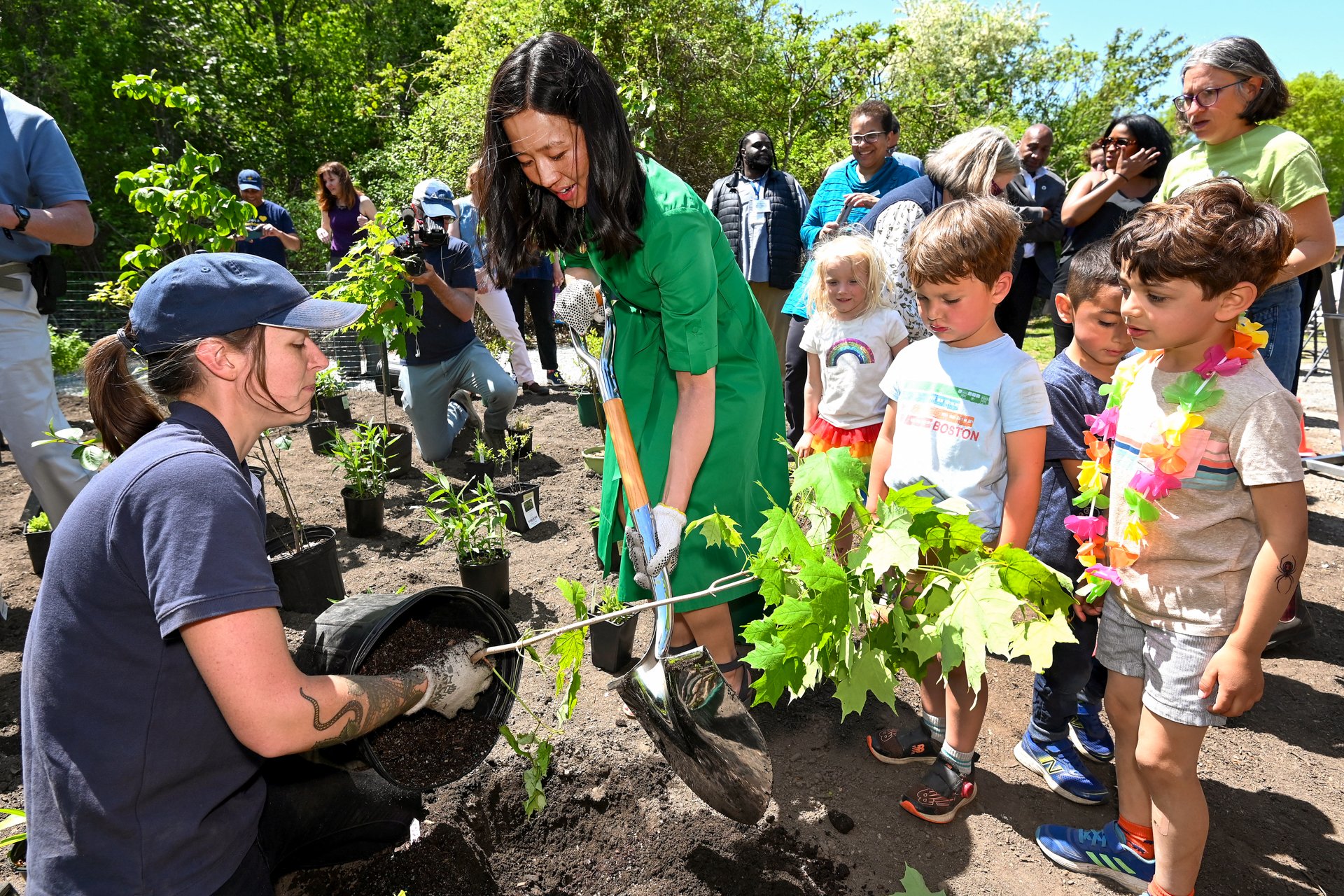
Boston Tree Alliance Announces $1.2M in Tree Planting & Care Grants
Learn MoreStay Connected
Don't miss a beat on all the ways you can get outdoors, celebrate nature, and get involved.