


Bird Conservation & Research
Snowy Owl Project
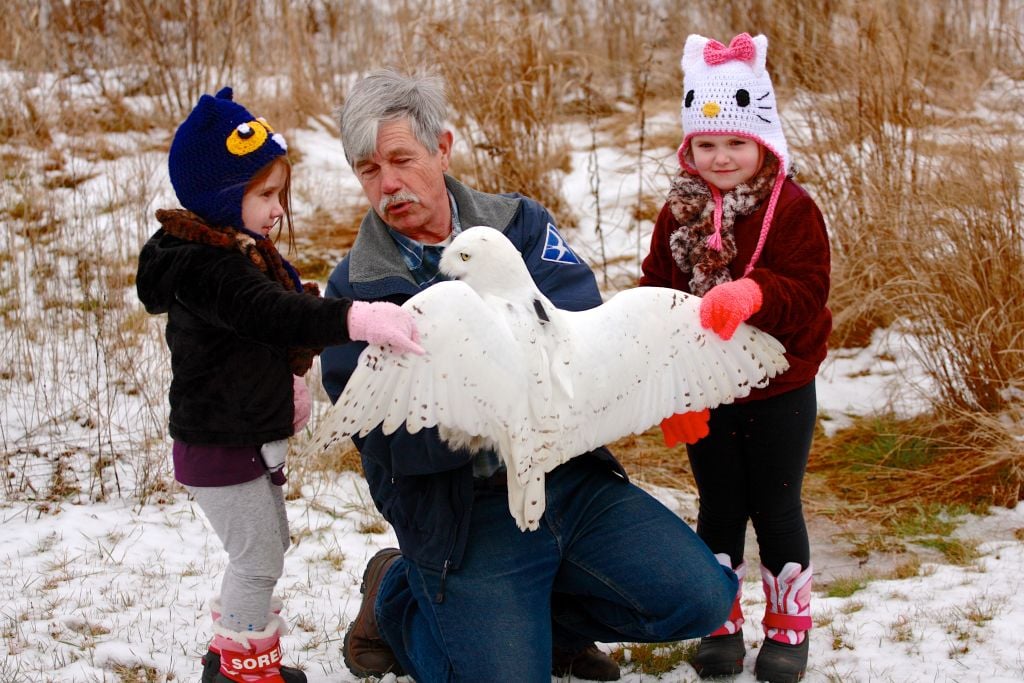
Mass Audubon is working to protect Snowy Owls, which are the largest owls in North America. Norman Smith, former director of Mass Audubon's Blue Hills Trailside Museum, has been studying them since 1981. As part of his research, he attaches bands and transmitters to Snowy Owls at Boston Logan International Airport, and then tracks their travels.
About Snowy Owls
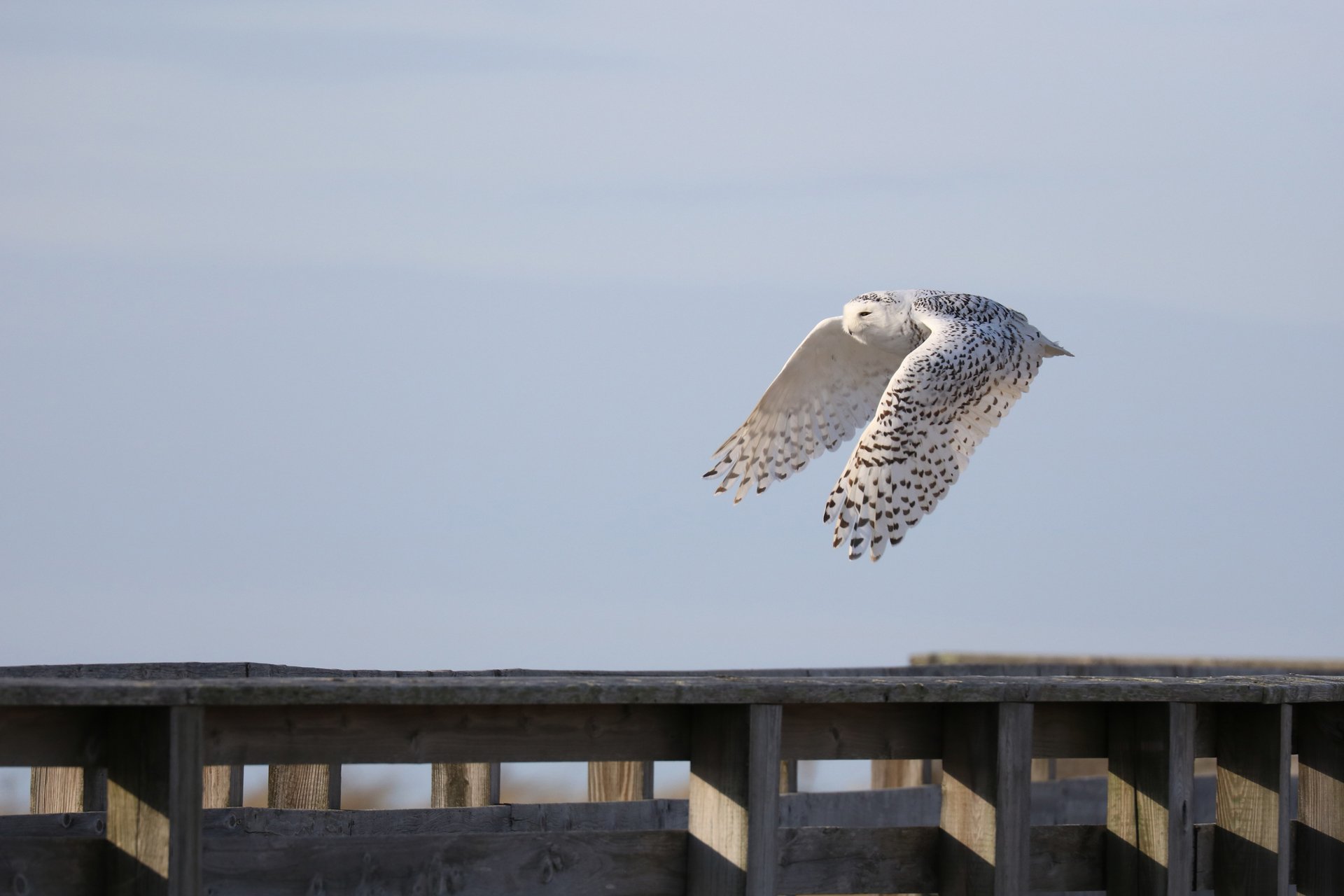
The Snowy Owl, the largest owl in North America by body mass, is equal parts graceful beauty and efficient predator. "Snowies" typically arrive in Massachusetts around November and then head back north to their Arctic breeding ground in April.
Learn more about Snowy Owls and how to safely observe them
Snowy Owls and Airports
As Snowy Owls migrate north and south, they look for stopping places that resemble their home, the Arctic tundra. To them, the land around Boston Logan International Airport fits the bill. It's low and flat, with short scruffy plants and grasses, and there’s an abundance of small mammals and birds to eat.
Logan Airport has the largest known concentration of Snowy Owls in the Northeast. The birds usually show up at the airport in early November; the earliest date recorded is October 22. They generally leave in early April; though in the winter of 2013-14 two owls stayed between Logan airport and the Boston Harbor Islands through the summer and fall and winter of the following year. This was the first time Snowy Owls were recorded in Massachusetts as resident owl species consistently for over a year.
The airport owls help by scaring away other birds that might endanger aircraft. Unfortunately, they are large enough to pose a threat themselves. To protect both birds and jets, Mass Audubon's Norman Smith safely captures and relocates snowy owls each year.
Please Note: This work is performed with special permits. The public is not allowed to enter restricted airport property, or to capture any kind of owl or other raptor.
Photos of Snowy Owls
-
-
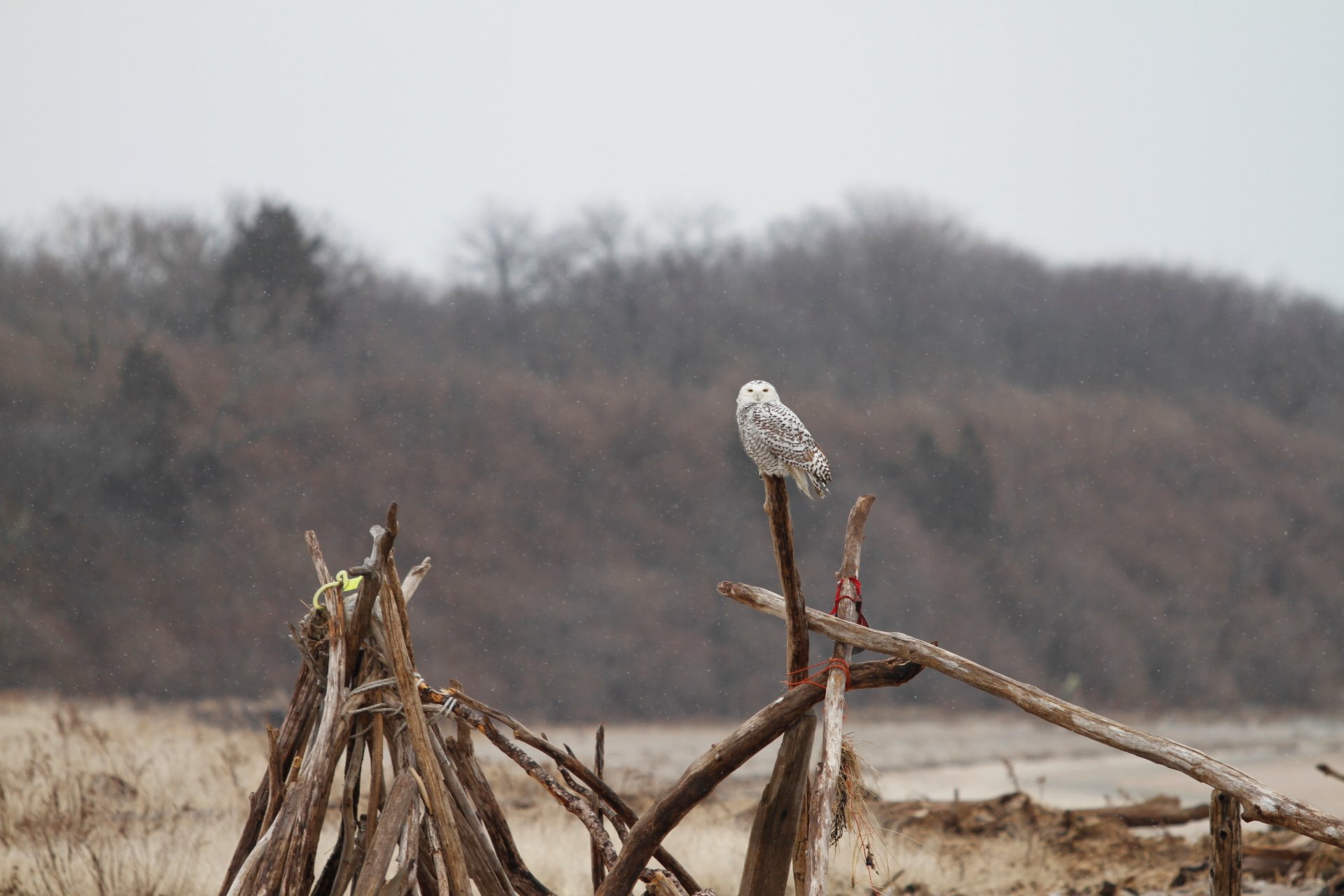 Snowy Owl, Joppa Flats, Newburyport © Michael Francis
 -
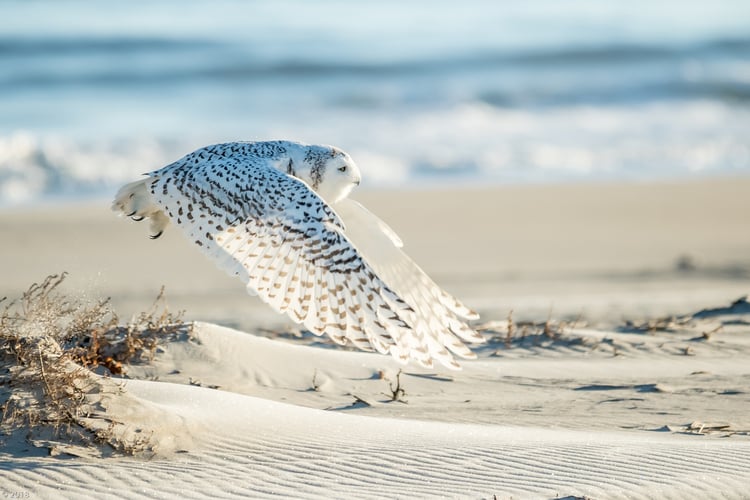 © Paul Malenfant
 -
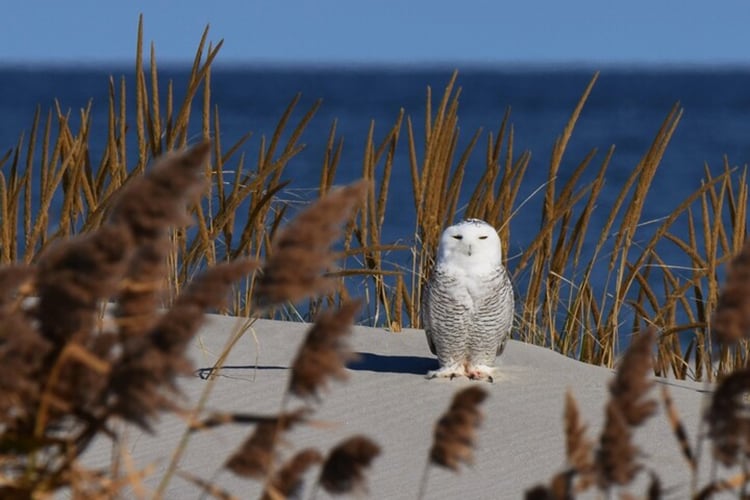 © Richard Cuzner
 -
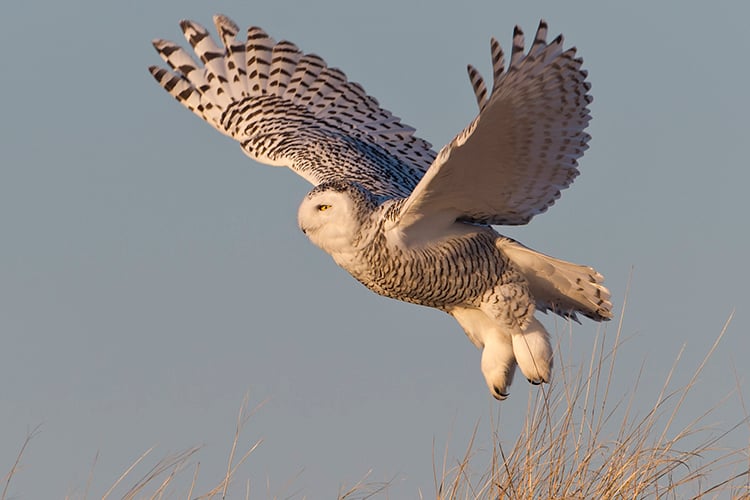 Snowy Owl © Nathan Goshgarian
 -
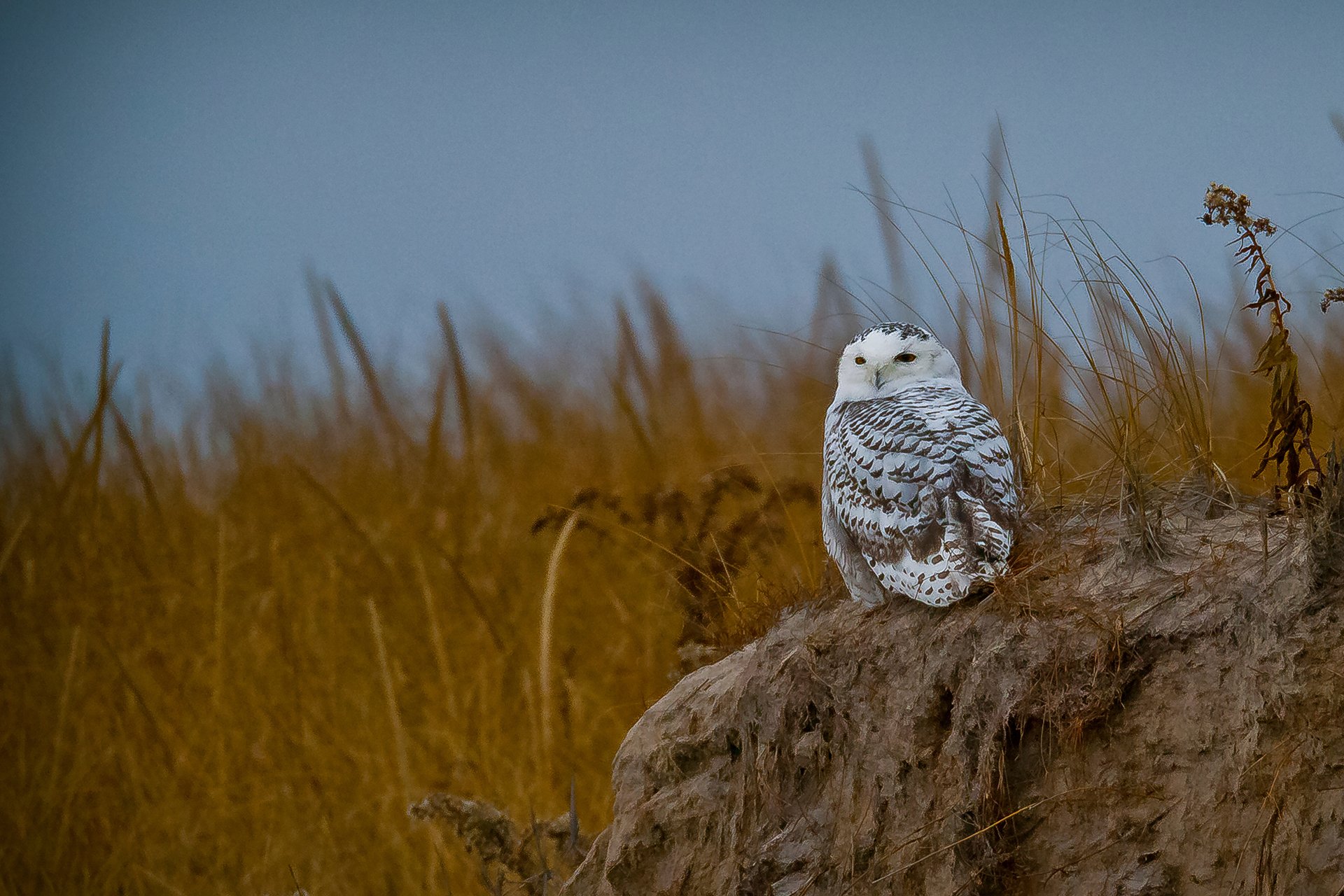 Snowy Owl © Greg Eppoliti
Tracking Snowy Owls
Since 1997, Mass Audubon's Norman Smith has attached tiny transmitters to the healthiest owls he relocates from Boston Logan International Airport. These transmitters send data such as location, temperature, and altitude, enabling researchers to learn more about:
- Snowy Owl migration routes
- The rate at which they travel
- If and where they stop along the way
- Where they spend the breeding season
- Where they spend the winter
The transmitter batteries last 1-3 years, and the transmitter harnesses fall off once the batteries have worn out. Researchers have worked hard to determine the best size, weight, positioning, and attachment of the transmitters so that they don’t impact the behavior and health of the birds.
Support the Snowy Owl Project
You can help Mass Audubon keep Snowy Owls safe and track their movements.
Upcoming Snowy Owl Programs
See all programsProtecting Snowy Owls
-
Blue Hills Trailside Museum, Milton
-
Sunday, February 15
2:00-3:30pm
Adults & Families - 0 - 17
Winter Birding: Raptors
-
Online
-
Wednesday, February 25
7:00-8:30pm
Adults
Protecting Snowy Owls
-
Blue Hills Trailside Museum, Milton
-
Saturday, March 7
2:00-3:30pm
Adults & Families - 0 - 17
Snowy Owl News
See all news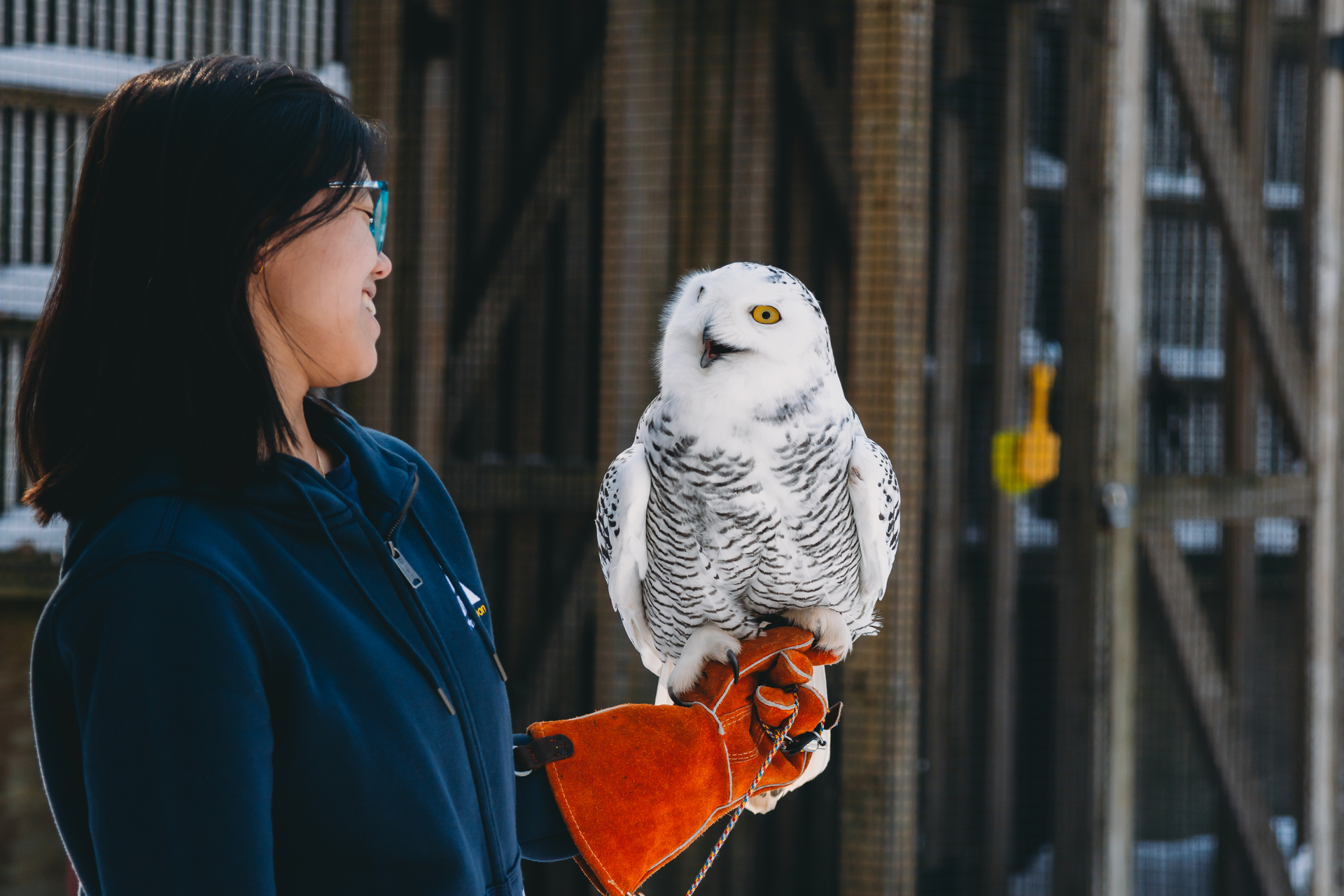
Two Snowy Owls Join Mass Audubon as Wildlife Ambassadors
Keep Reading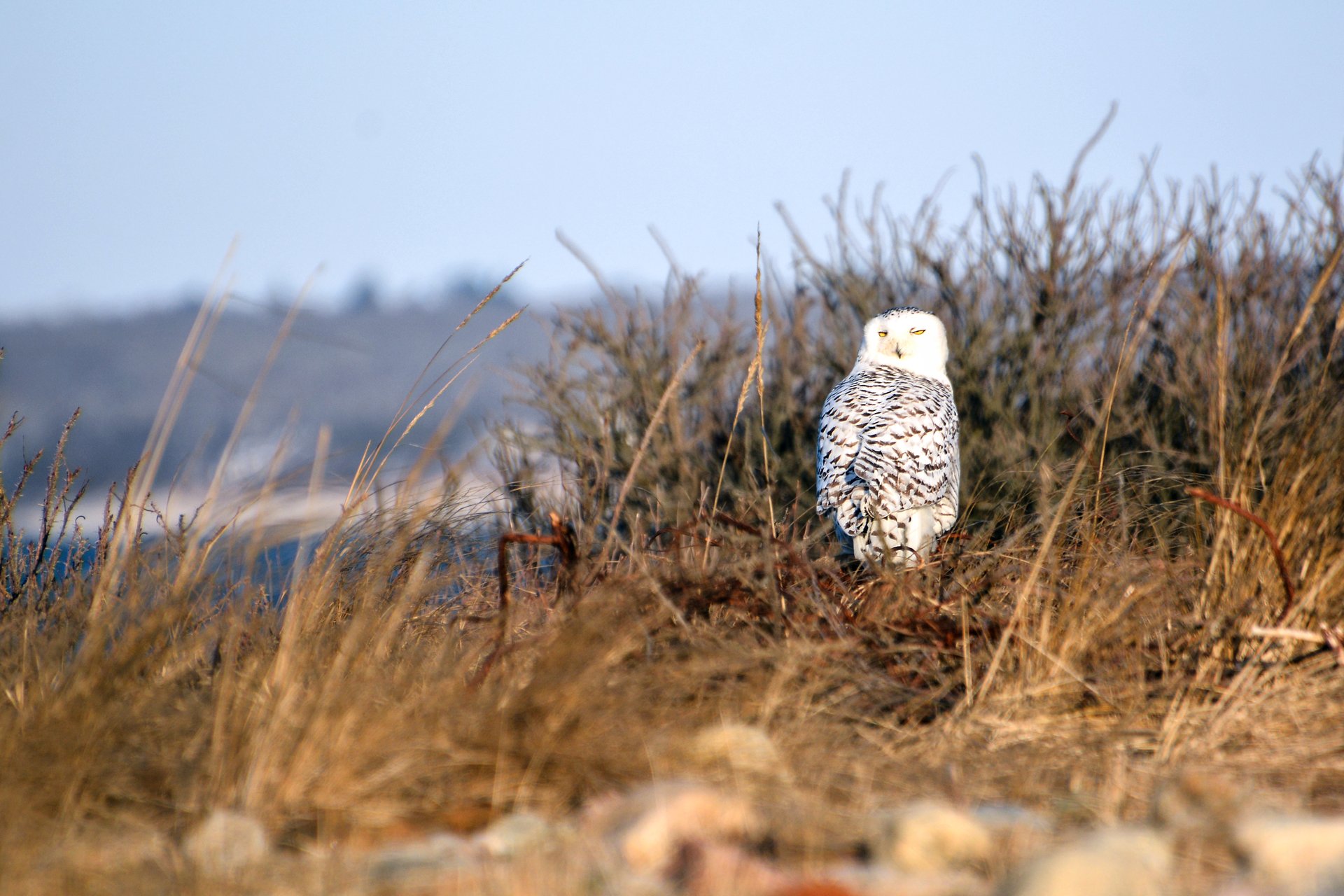
Snowy Owls Are Back in Massachusetts—Here’s What You Need to Know
Keep Reading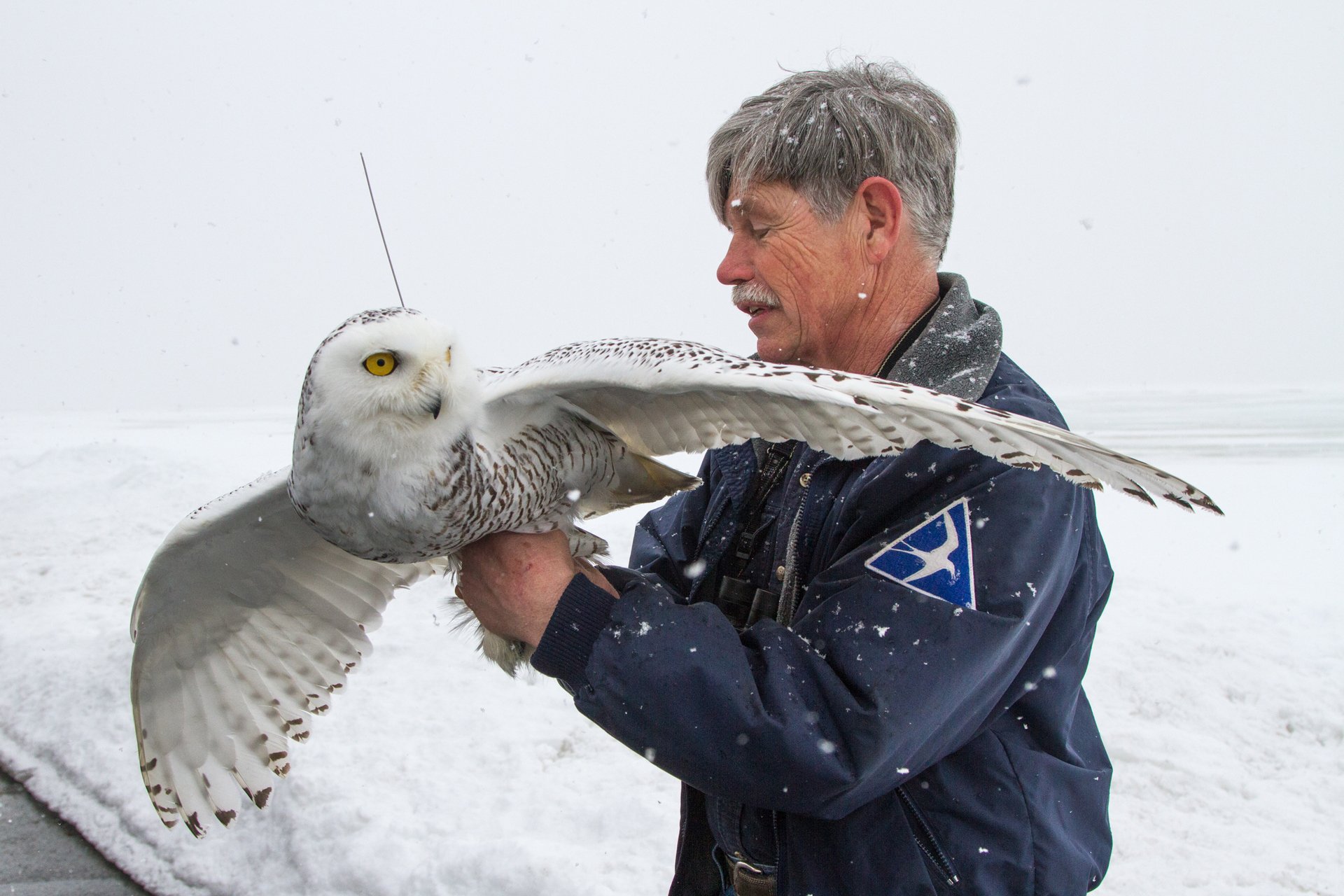
The Owl Man of Logan Airport: Norman Smith’s Legend Takes Flight
Keep ReadingStay Connected
Don't miss a beat on all the ways you can get outdoors, celebrate nature, and get involved.